Catch-Wave ’05
Takehisa Kosugi
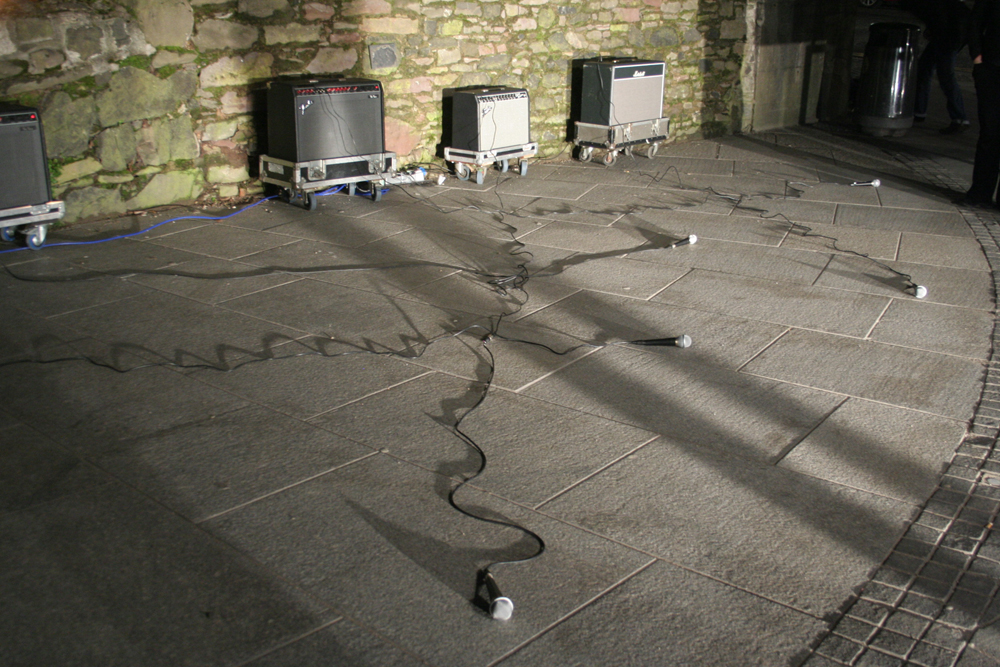
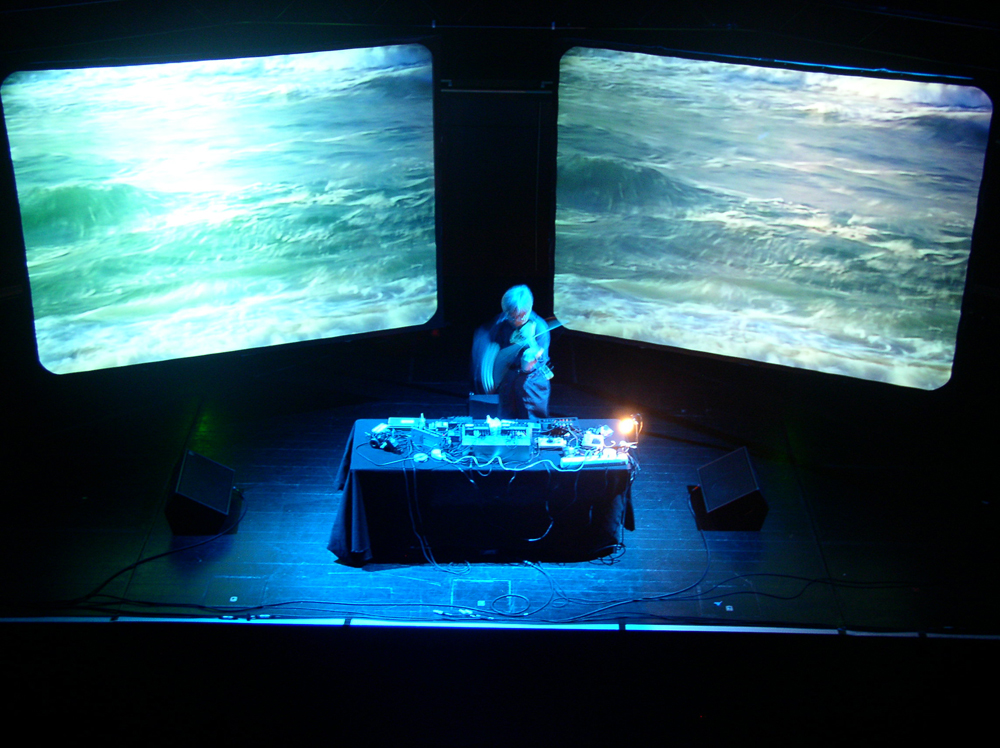
A new interpretation of Kosugi’s Catch-Wave, producing a cloud of fluctuating, hypnotic drones, in front of a backdrop of projected waves.
Arika have been creating events since 2001. The Archive is space to share the documentation of our work, over 600 events from the past 20 years. Browse the archive by event, artists and collections, explore using theme pairs, or use the index for a comprehensive overview.
A new interpretation of Kosugi’s Catch-Wave, producing a cloud of fluctuating, hypnotic drones, in front of a backdrop of projected waves.
An occasion for commotion, and a chorus of motions. Choreography rotating your revolutions and then some.
Coffee, Croissants & Massage – a welcoming breakfast for all with massage by qualified massage therapists present to give hand & head massages.
Joan La Barbara presents works exploring the colour spectrum of a single pitch resonating in her skull, an evocation of bird song and circular singing.
From really simple, open instructions, An Unrhymed Chord creates a kind of half-way point between composition and improvisation.
Ian and Gil will host a discussion on the Argument project’s social and political commentaries, and with you try and maybe think through whether and how they might still have some currency today: what’s changed and what’s stayed the same?
In Our Hands is a nine week programme of workshops exploring radical approaches to health and collective care in the movement for liberation and social justice.
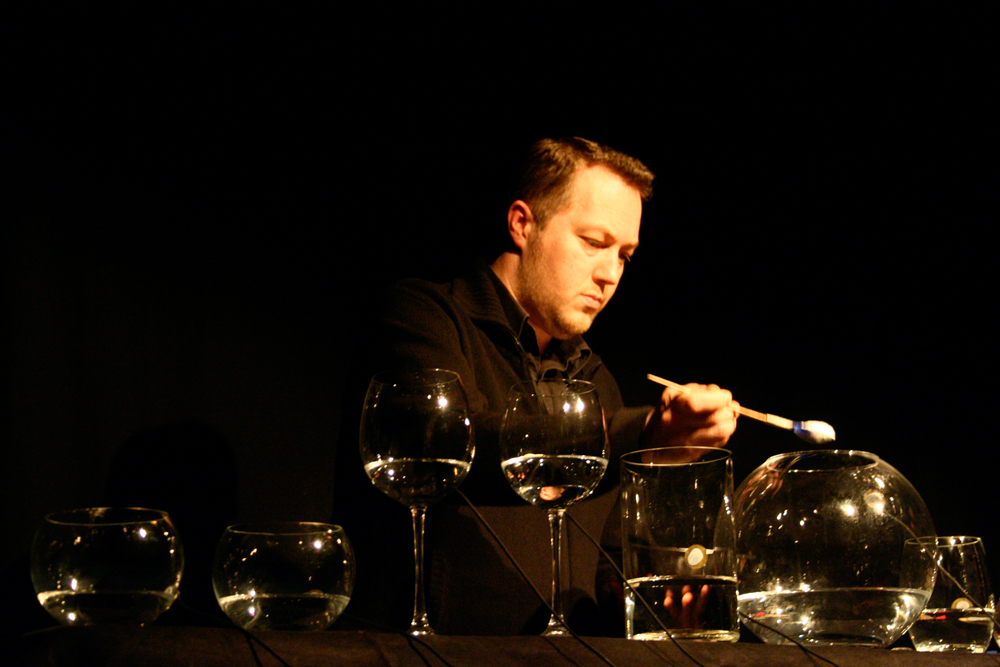
In this response to the Self Cancellation project, Lee Patterson dissolves medicine in glasses of water and explores the sonic content.
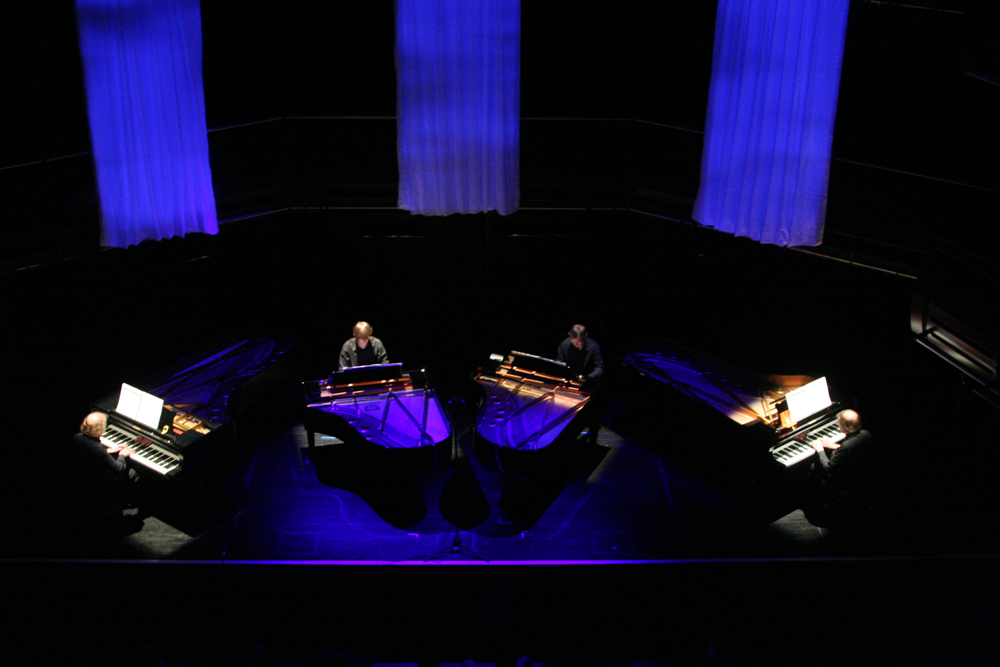
Julius Eastman’s Evil Nigger for 4 pianos performed by Joe Kubera, Kate Thompson, David Murray, Alan Fearon and Simon Passmore.
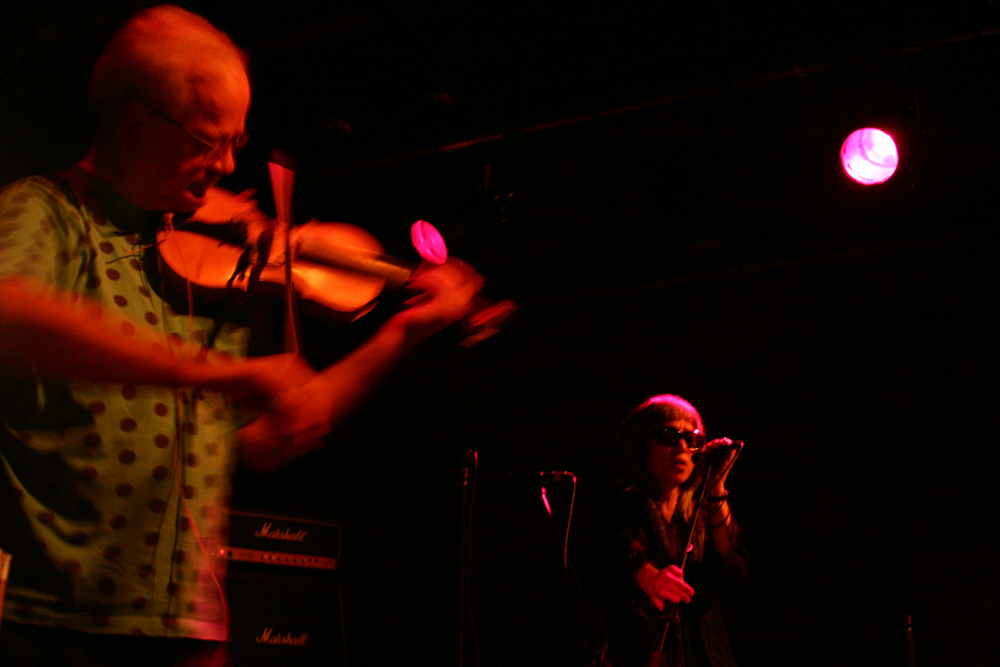
Although Tony had visited Haino in Japan, and they played together in private, this was the first time anyone other that Haino’s cat saw them perform together.
Music is full of refracted brass and wind tones, distorted tape loops, dead silent air and the occasional piercing shard of sound.
Can we use sound, repetition and difference to personally and collectively engage with space, time and labour?