Neurotransgressive Fun Times: Time Travel Dyspractice Workshop
Daniel Oliver
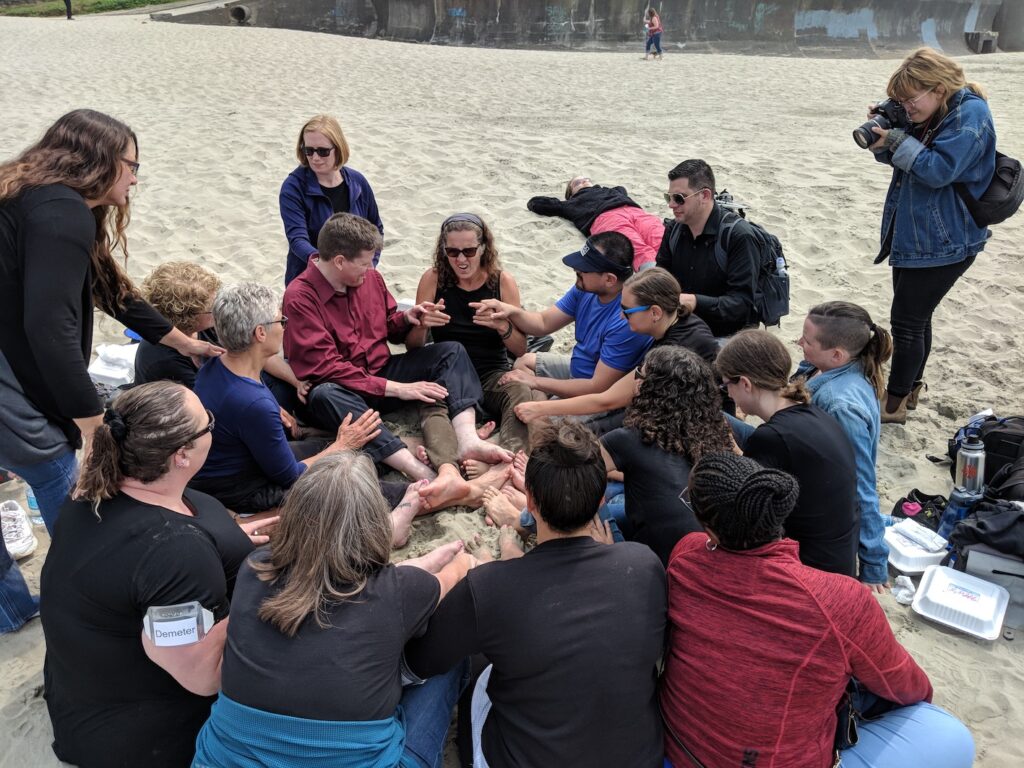
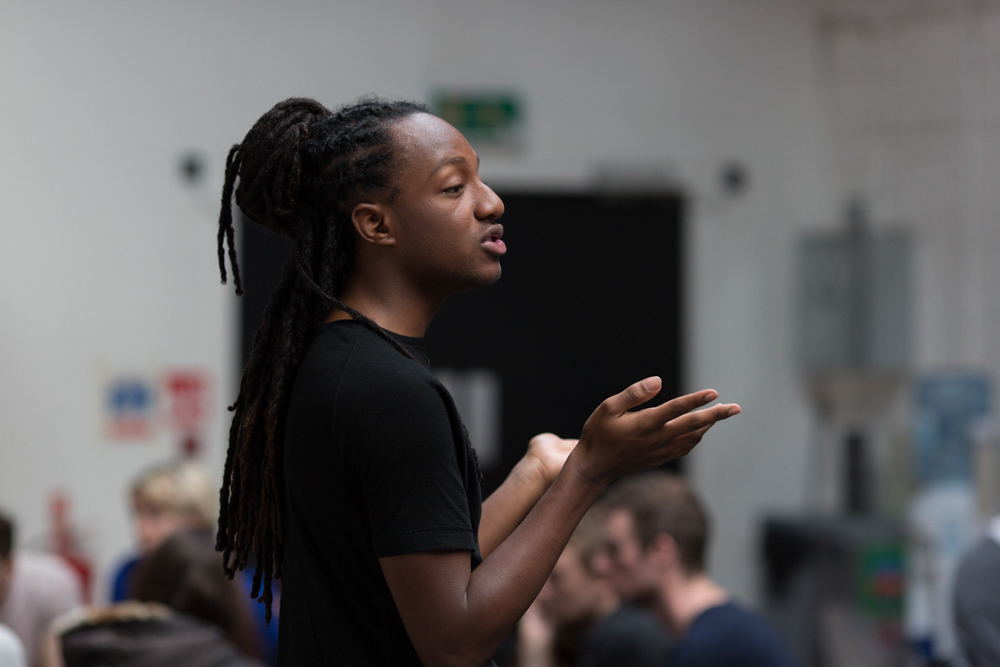
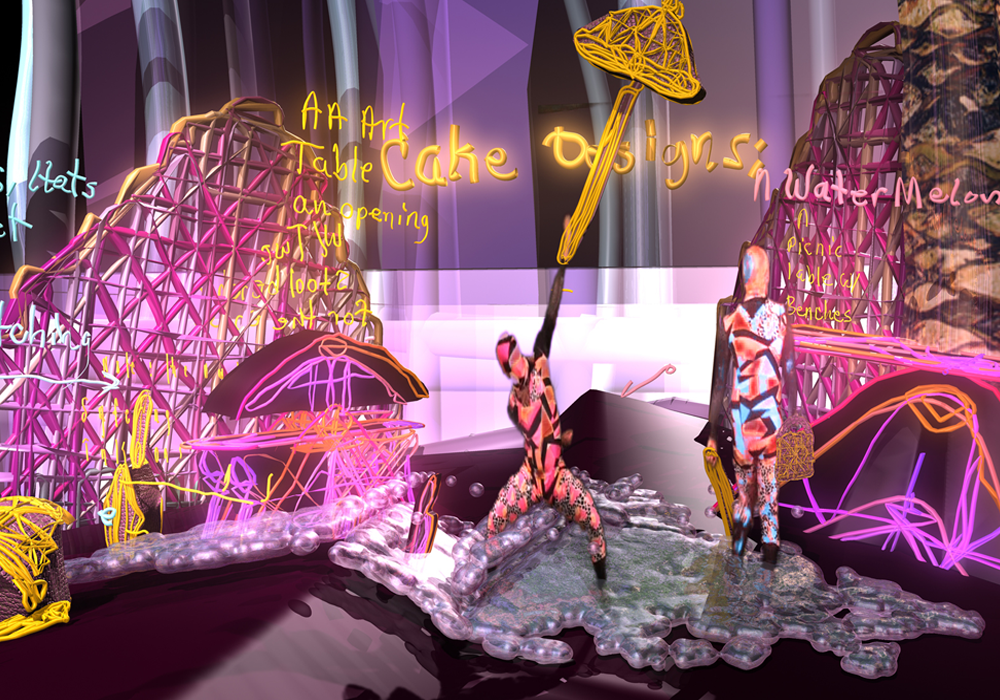
In this workshop we will imagine ourselves as time travellers from a glorious and chaotic neurodivergent-led future.
Arika have been creating events since 2001. The Archive is space to share the documentation of our work, over 600 events from the past 20 years. Browse the archive by event, artists and collections, explore using theme pairs, or use the index for a comprehensive overview.
In this workshop we will imagine ourselves as time travellers from a glorious and chaotic neurodivergent-led future.
A silent collage of found film footage partially layered with computer graphics to provide a framework in which live music can develop.
“Hidden in the hands an alluvial transcription of reach and embrace. The final flickers of the body’s expression, caress and touch.” – boychild
A life force of ecstatic clarity capable of loquacious bursts of affirmation.
Sachiko M and Ami Yoshida, two of the most prominent members of the Onkyo movement, place much more emphasis on sound texture than on musical structure, distilling elements of techno, noise, and electronic music into a unique hybrid.
Part old-fashioned Renaissance man, part hardcore avant-gardist, the Canadian painter-photographer-filmmaker-musician gives full vent to his genius in the exhilarating perceptual vaudeville, named after the ‘central region’ of tissue that acts as a conduit between the brain’s two hemispheres.
When we look, how do we objectify the body; how can we reflect on our (self) image as a construction?
Killer of Sheep is an undisputed masterpiece of African-American filmmaking and one of the most poetic, perceptive dramas ever made about family and community.
Is there a link between the ways we’re caged and exiled by the prison-industrial complex and the ways people’s bodies are violently categorised and segregated by race, class, gender or ability?
An LSD trip gone right via dense explorations of post-Fahey steel and low level drone.
Conceived of as a dual publication, video cassette and booklet, to be presented as an installation. The content of the videotape is the artist watching television.
Can a collective performance of NourbeSe’s poem of black life as it exceeds containment enact alternative forms of selfhood that emerge in and out of African diasporic experience?