Being for Others
Samuel R. Delany
Chip’s written some of the greatest of all Sci-Fi and Fantasy—page turning character driven diamond-hard novels and short stories: each a lens that refracts our real-life struggles and desires.
Arika have been creating events since 2001. The Archive is space to share the documentation of our work, over 600 events from the past 20 years. Browse the archive by event, artists and collections, explore using theme pairs, or use the index for a comprehensive overview.
Chip’s written some of the greatest of all Sci-Fi and Fantasy—page turning character driven diamond-hard novels and short stories: each a lens that refracts our real-life struggles and desires.
Politicised fan-fiction chronicling working class gay urban space and fantasy.
A conversation about the movement for prison abolition and refusing the logic of race and sex that underpins the criminalisation and mass incarceration of communities.
A multi-speaker, electronic, spacious and spatial performance from Florian Hecker.
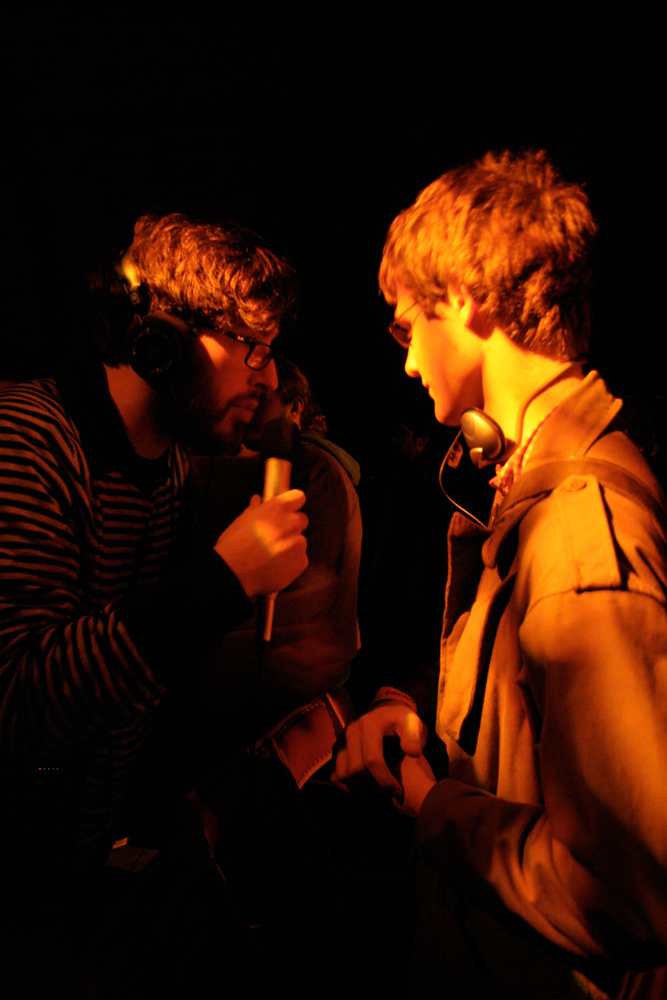
Jarrod Fowler creates a social space where layered one-to-one live encounters with the audience become sonic material.
Black-clad with an ominous aura created by their distorted guitar epics, burnt-out ballads and raucous mantric jams.
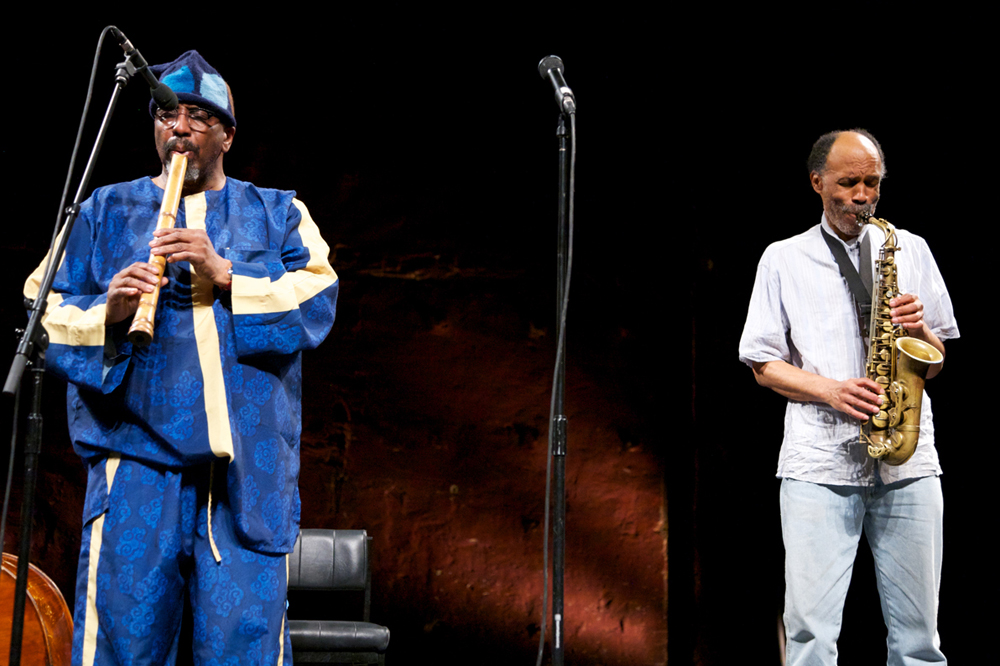
What might Carter and Parker’s collaboration tell us about our own performances of responsibility and liberty, whether individual, social or musical?
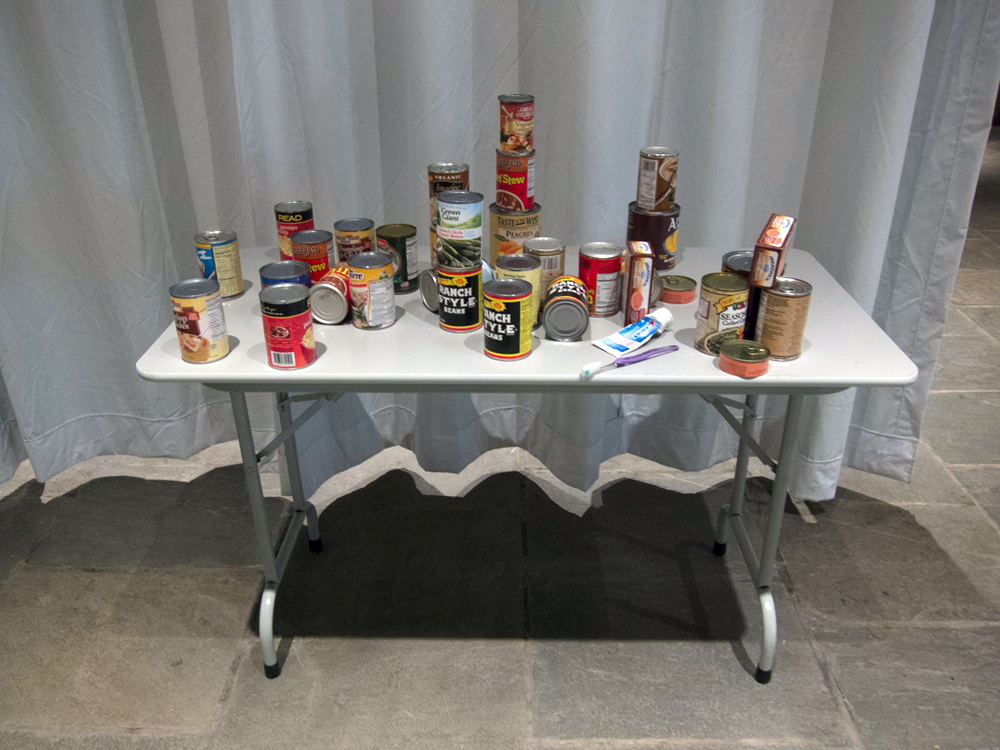
A testimony to poverty from Chris’s own experiences, and an invitation to engage with an all too typical situation and context through a kind of imaginary listening.
Formed as a means to realise William Bennett’s goal of “a sound that could bludgeon an audience into submission”
Nothing if not repetitive, film is founded on the incremental succession of minute difference. But how does repetition of the same play out, and is it a tool to comment on the standardising repetition of the mass media?
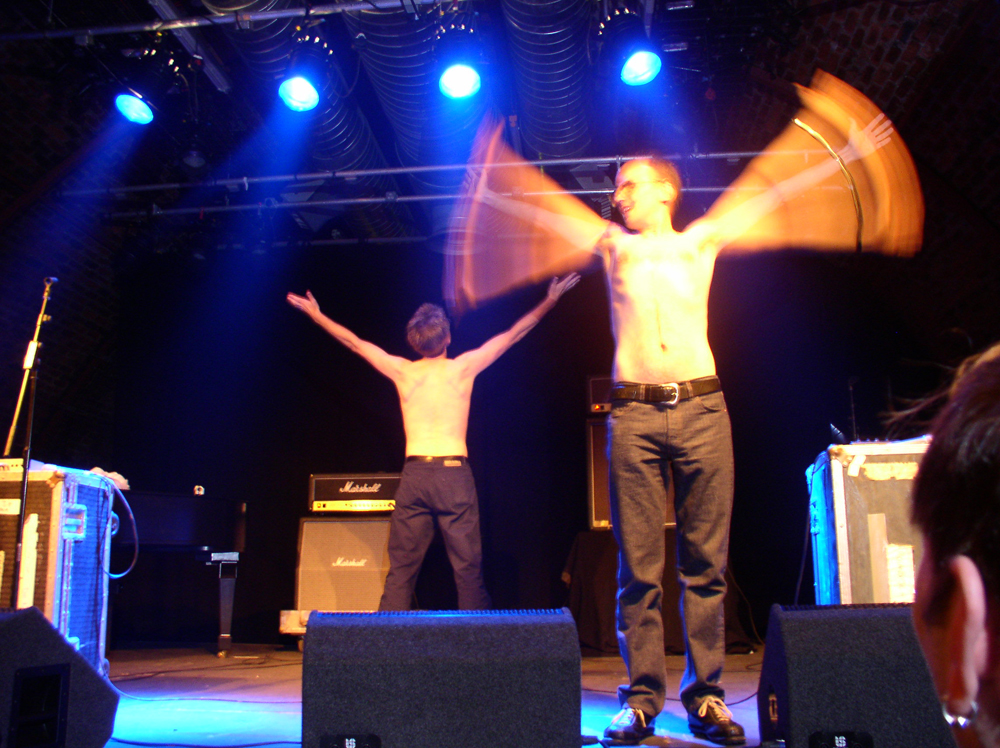
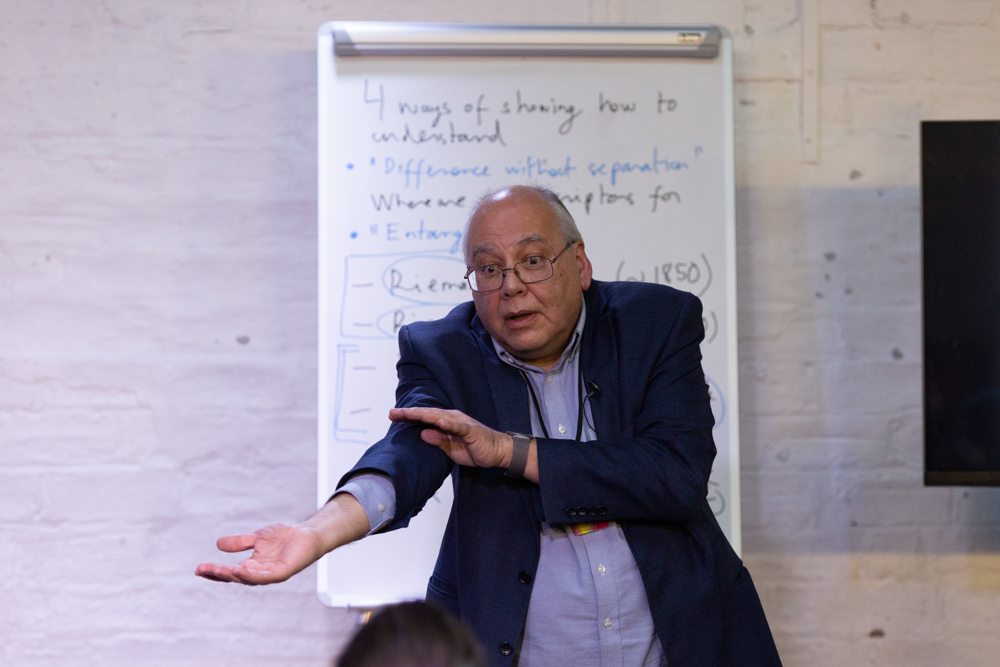
Fernando thinks that when maths is deep, it should be simple and able to be explained by hand gestures. By embodying ideas, we’re able to more clearly think about their cultural implications.
How do you know what you want? Should freedom be doing what you ought, not doing what you want? How might a philosopher and artist turn this thinking into an enabling condition in the context of noise and improvisation?