Queer Liberation: No Prisons, No Borders
Dean Spade Hope Dector Tourmaline
A crash-course in pre-figurative, radical, queer, anti-racist, anti-police, anti-prison, anti-deportation abolitionist politics and trans-resistance.
Arika have been creating events since 2001. The Archive is space to share the documentation of our work, over 600 events from the past 20 years. Browse the archive by event, artists and collections, explore using theme pairs, or use the index for a comprehensive overview.
A crash-course in pre-figurative, radical, queer, anti-racist, anti-police, anti-prison, anti-deportation abolitionist politics and trans-resistance.
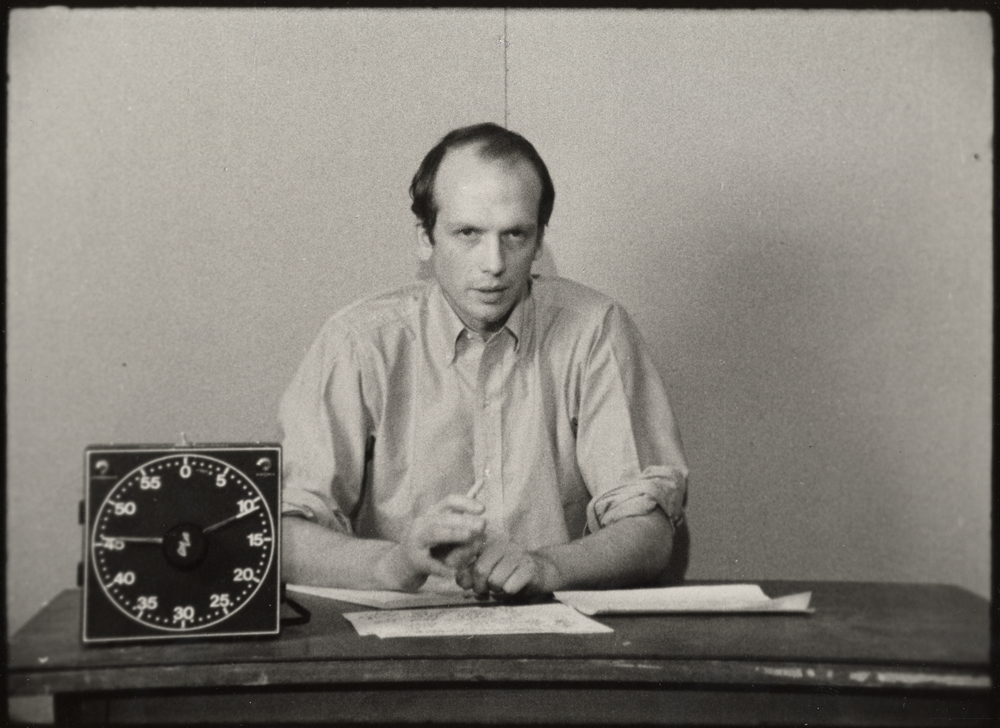
Setting up a minimal procedure to explore the interaction between a person and the (documentary) film/ video process. What initially seems simple ends up contrarily distanced and intimate, public and private.
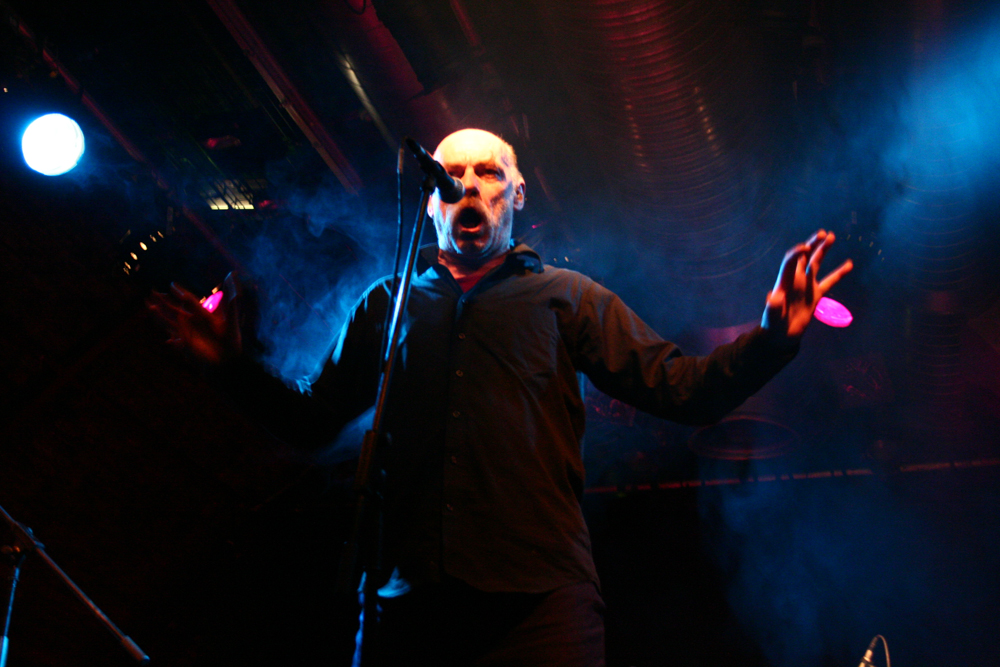
CCI Sound system: a performance in which new material will be mixed and phased between two huge PA’s, one a precise Meyer system, the other a huge wall of Marshall amps
I wanna be with you everywhere was a gathering of, by, and for disabled artists and writers and anyone who wanted to get with us for a series of crip meet-ups, performances, readings and other social spaces of surplus, abundance and joy.
Beyond time, colorlines, ability, and sexuality, a movement exploration into what it means to see and be seen, how hearing contrast with what is actually being heard.
A specially commissioned performance for organ. “The course of the stars were to be put to sound.”
Free jazz pianist John Blum with an everywhere-at-once presence in duo with Jackson Krall, incendiary free jazz drummer and sound sculptor
A collaborative duo performance, Anoyonodekigoto sets up a sort of negotiation between a musician, a dancer, the audience and the space we’re all sharing.
Thought and action, writing and protesting. A chat with Nat Raha, KUCHENGA and Jackie Wang asking what can be learnt from writing across genres by agitators, activists and abolitionists?
How can we imagine bodies not as an end in themselves, but as a medium through which we can become one another’s means?
Fernando thinks that when maths is deep, it should be simple and able to be explained by hand gestures. By embodying ideas, we’re able to more clearly think about their cultural implications.