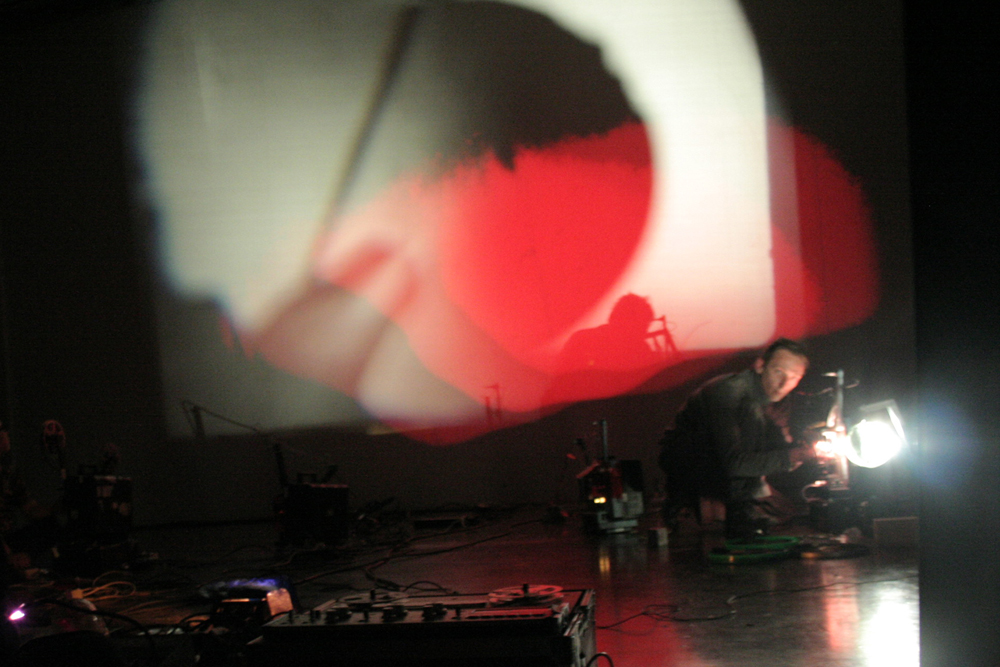
Sachiko M & Anthony McCall
Anthony McCall Sachiko M
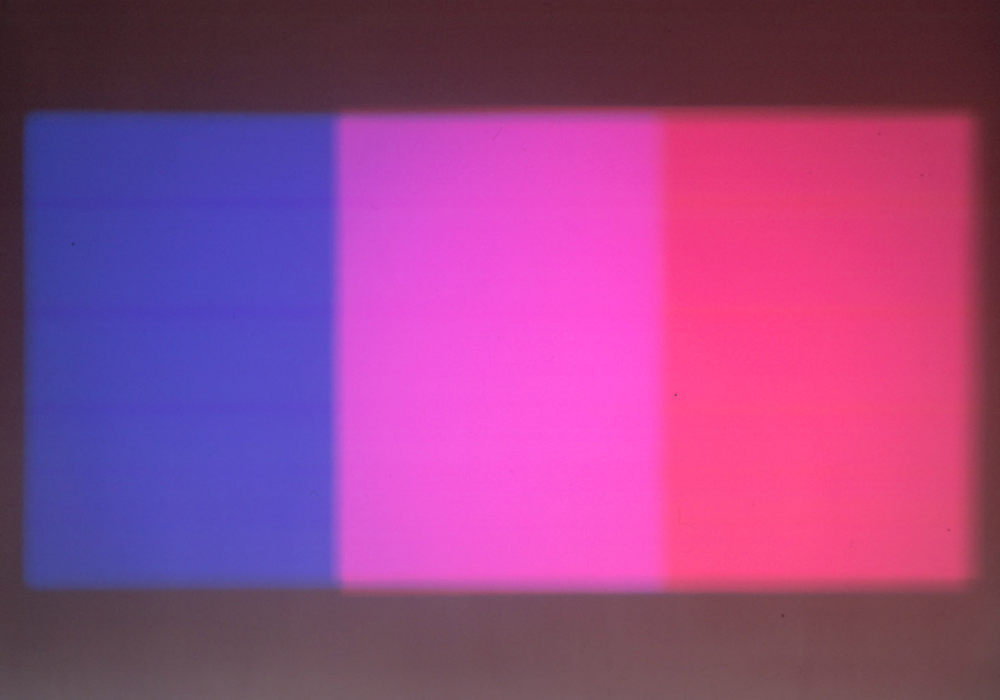
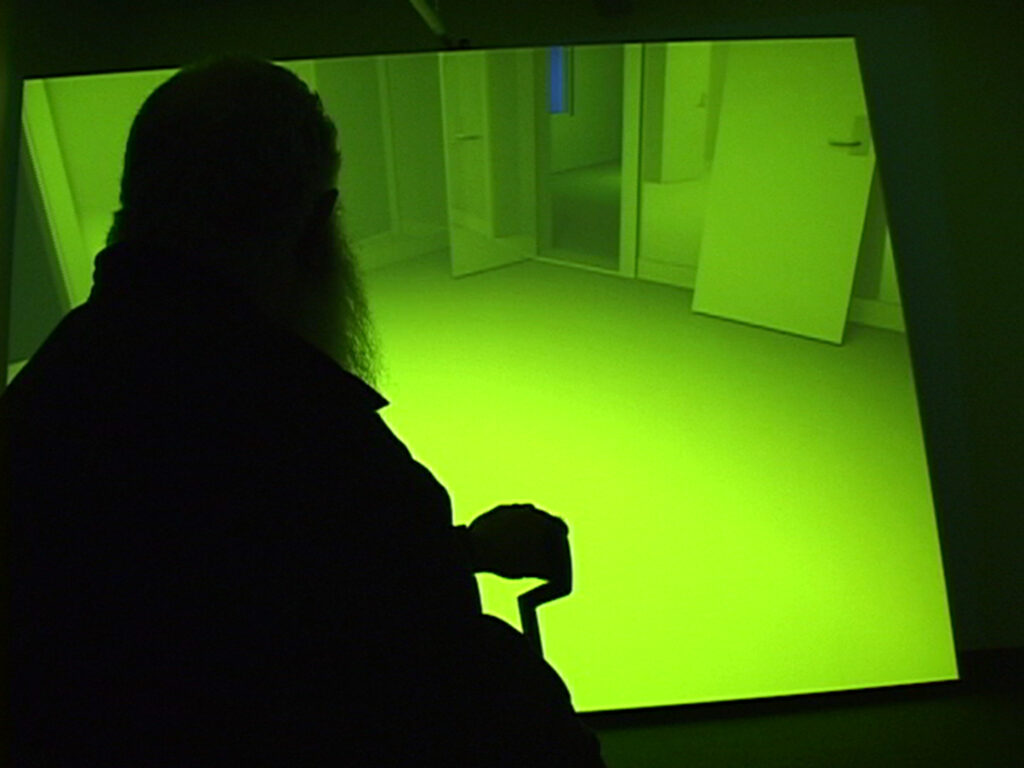
Film and sound stripped of ‘content’ and experienced spatially, to be looked at not on the screen but in the space of the gallery
Arika have been creating events since 2001. The Archive is space to share the documentation of our work, over 600 events from the past 20 years. Browse the archive by event, artists and collections, explore using theme pairs, or use the index for a comprehensive overview.
Film and sound stripped of ‘content’ and experienced spatially, to be looked at not on the screen but in the space of the gallery
Droner responsible for Fordell Research Unit, Muscletusk’s murk manipulator and Metzian concrete-mixer cement international relations and yr heids.
Juliana’s performances chart the dissonant space and discrepancy between the presumed fixed norms of social life and the fluid lived experience those norms don’t allow for.
An LSD trip gone right via dense explorations of post-Fahey steel and low level drone.
A performance bearing witness to a struggle built upon patience and collective action from the great multi-instrumentalist and member of the AACM.
The most sophisticated synthetic music around: timbrally otherwise body music as sonified fictions and auditive sociograms.
60 minutes of hard ass minimal film, projected onto a weather balloon and accompanied by the inspired poetic rant of a visionary Frenchman.
Jumping off from Sun Ra’s thoughts on evil, and the Alien films, this performance will explore how the sociality Sondra wants to visualise and participate in has no interest in respectability.
If life is assaulted by power, where do we find spaces for living? A conversation with Peter Pál Pelbart.
This performance brings together film, text and speech and temporarily constructs a filmic space to think through questions of resistance, and the choice and consequence of action vs. inaction: what does it mean to choose to not take part?
An improvised film about our worlds at the brink, on the edge, in front of a crisis. To stand on the side of life, by seeing the resistance to genocide in Palestine as a turning point to overcome.
Dworkin asks: What would a non-expressive poetry look like? A poetry of intellect rather than emotion?