Sound Cuts
Guy Sherwin
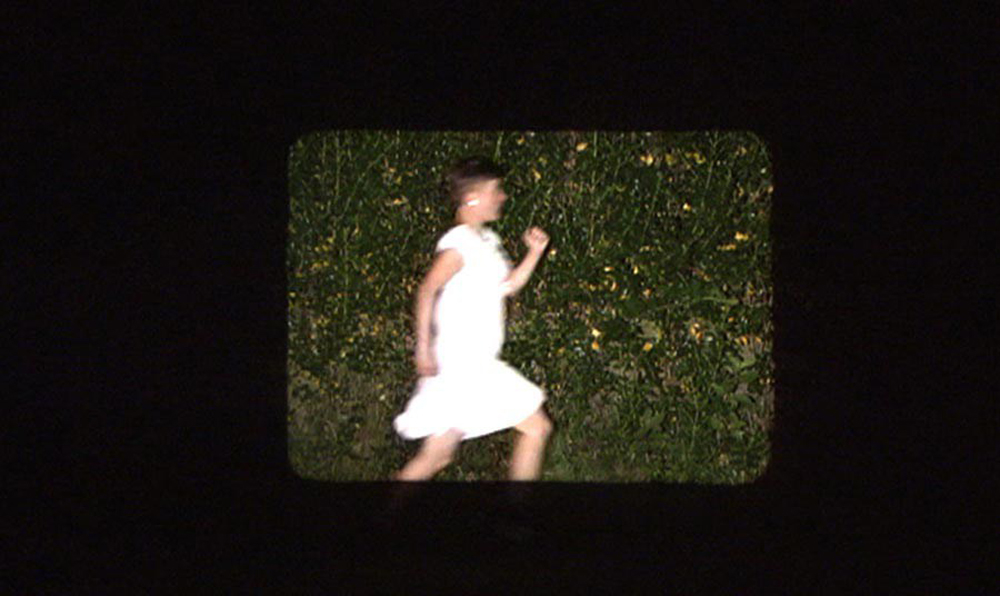
Noise music for the eyes. A 6 screen 16mm projection performance of intense audio and visual stimulus.
Arika have been creating events since 2001. The Archive is space to share the documentation of our work, over 600 events from the past 20 years. Browse the archive by event, artists and collections, explore using theme pairs, or use the index for a comprehensive overview.
Noise music for the eyes. A 6 screen 16mm projection performance of intense audio and visual stimulus.
The mutability of the body and the mobility of identity: queered pop culture, drag, lip-sync and performance.
Seven women recite monologues composed from texts from the vibrant years of the Weimar Republic. A kind of cultural echo: an experience of histories brought to the present.
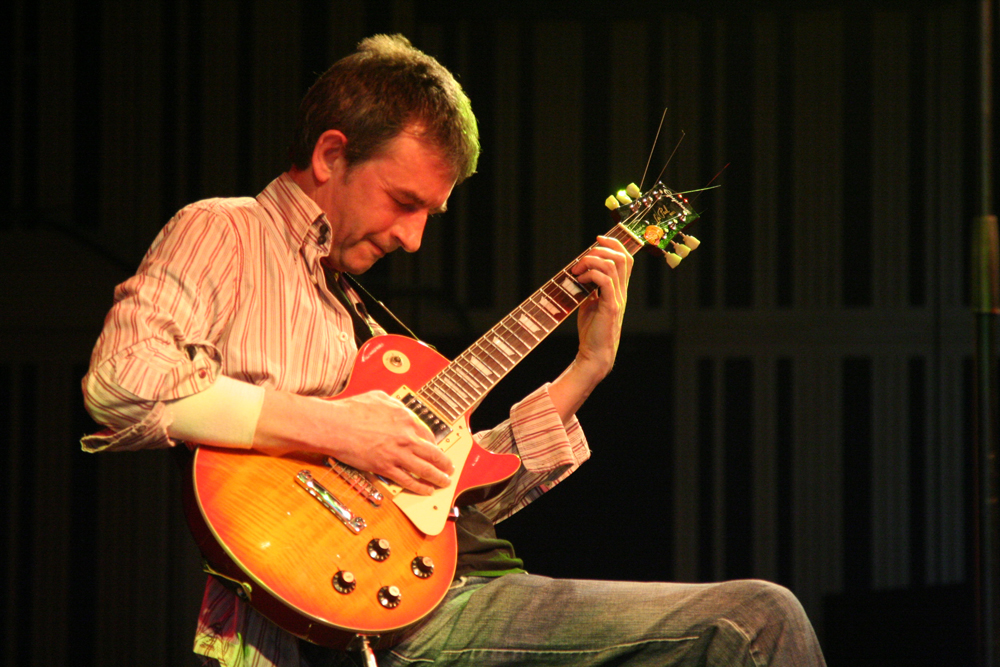
Guitar solo where inscrutable, minute electric sounds are excavated by palms that smother and strangle, that wring sound from the fretboard, from behind the bridge.
Over 3 days Episode 8 celebrates all the unruly ways we escape attempts to constrain us, tear down the walls of normative culture and build joy in flight.
Slowly evolving ultra-subtle harmonics and multi-tracked, otherworldly drones that only reveal their true power at high volume.
Setting up a minimal procedure to explore the interaction between a person and the (documentary) film/ video process. What initially seems simple ends up contrarily distanced and intimate, public and private.
Expansive and considered, inclusive and deeply human minimalism: Antoine Beuger, Radu Malfatti, Manfred Werder.
Umeda is a Japanese artist who is as fascinated in setting up interesting situations to observe, as he is in creating performances.
Imagine entering a library where readers can borrow human beings serving as open books. Then select a book stack that specialises in sex work.
There are core ways in which our listening to the radio differs from other kinds of listening. What happens when we pay attention to how we pay attention?
The Songspiels take on a mode of musical theatre developed by playwright Bertolt Brecht and composer Kurt Weill in the early twentieth century, presenting political and social concerns through the accessible and (often funny) form of song.