The Echo Project
Brandon LaBelle
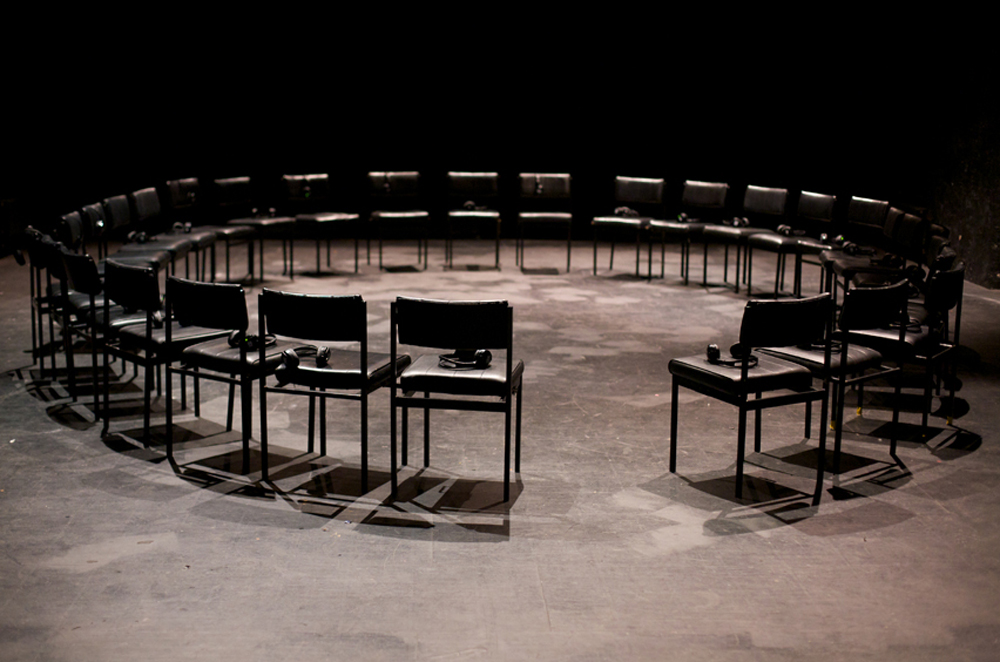
The Echo project is an installation as audio guide for a crowd. And at the same time it’s a private conversation: with you, as one of 20 people in a room, a sort of public intimacy.
Arika have been creating events since 2001. The Archive is space to share the documentation of our work, over 600 events from the past 20 years. Browse the archive by event, artists and collections, explore using theme pairs, or use the index for a comprehensive overview.
The Echo project is an installation as audio guide for a crowd. And at the same time it’s a private conversation: with you, as one of 20 people in a room, a sort of public intimacy.
Screening of films by Duvet Brothers, David Critchley, David Hall, John Latham, Judith Goddard, Mike Leggett, Tony Sinden
Goofily deformed, deeply thought vocal jams: like the sound of your own breath rushing through your head.
Do ideas emerging from particle physics help to re-think of blackness as a mode of life in which it’s possible to practice difference without separation?
One of the most incessantly experimental musicians in the UK, Youngs’ aesthetic is entirely unique, never really part of any scene [whilst influencing many], steadfastly unafraid and honest
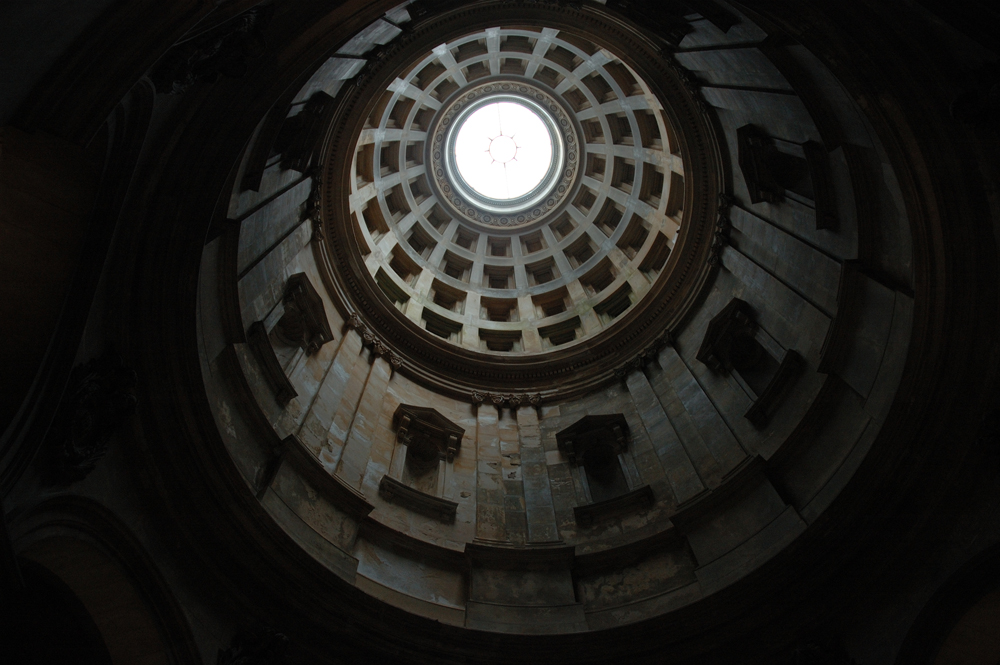
Chris Corsano, Akio Suzuki and John Butcher performing in the Hamilton Mausoleum, Hamilton.
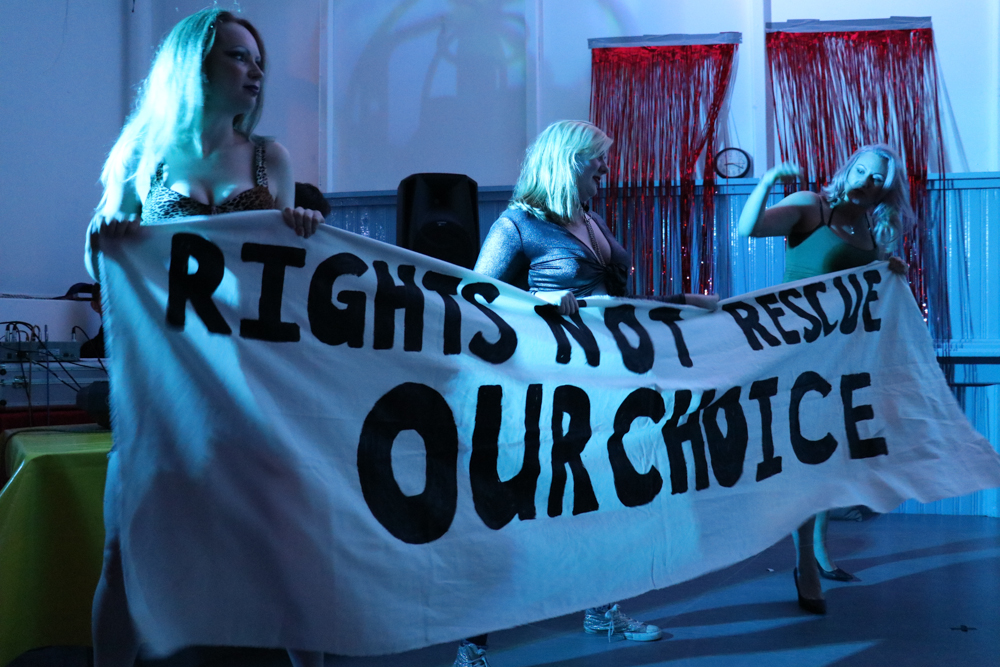
A party and fundraiser to support Sex Workers’ struggles and LGBT Unity with music and performances from the sex workers’ community and allies, plus DJ’s and dancing.
GIO’s bottomless throat, Blood Stereo’s slobber gobbler and the Mouth Of The South tangle tonsils over Steve McCaffrey’s Carnival
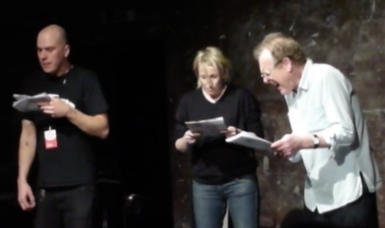
The ongoing development of [b]reach, an abolitionist black queer retelling of Marge Piercy’s incredible feminist utopian novel Woman on the Edge of Time.
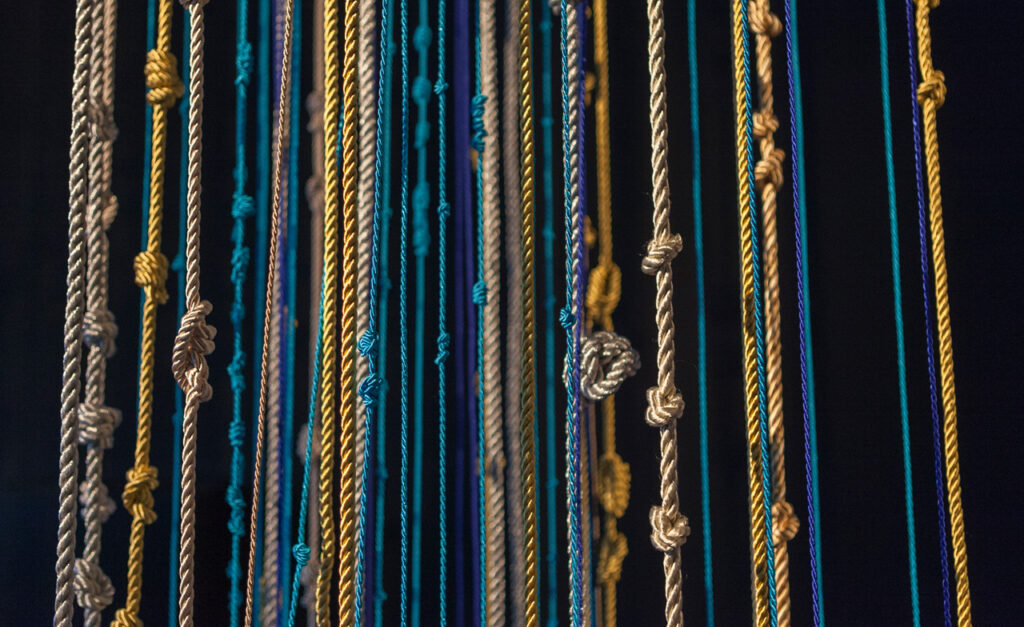
How do we sense entanglement? Can the knotting of ropes according to a poem’s rhythm make the social pulse of language matter?
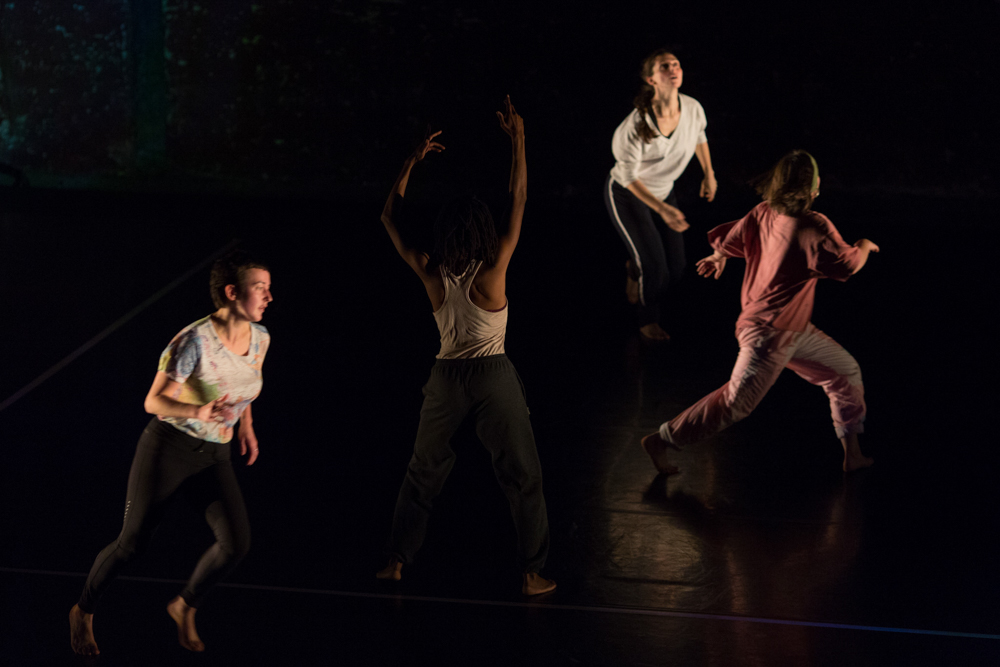
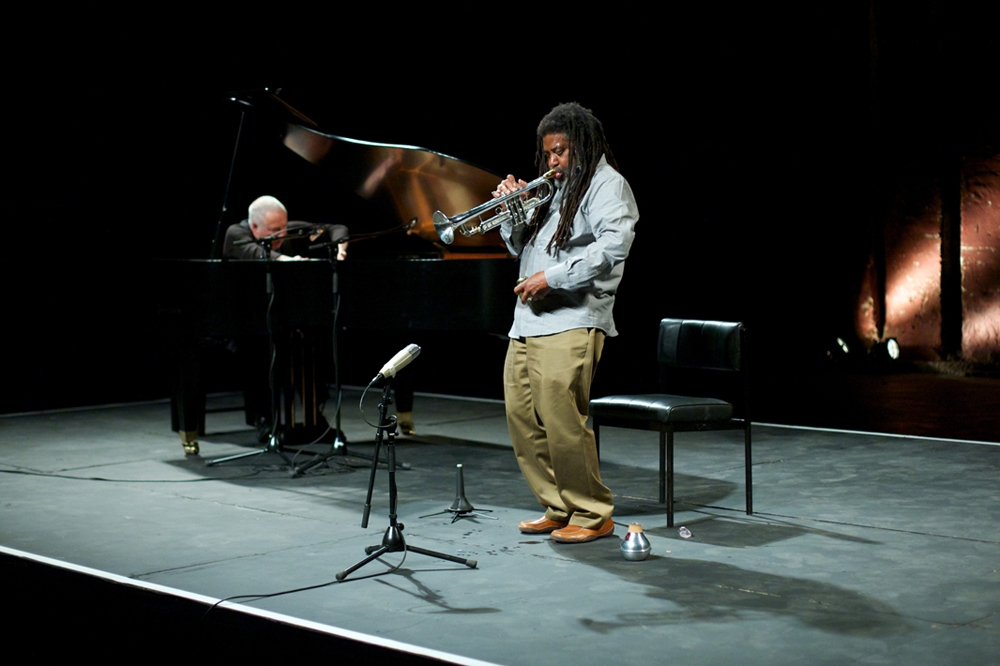
Do art forms like black radical poetry, free jazz and improvisation create a space for the performance of freedom? Did they ever? And can they still do so now?
How might two of the great musicians working within contrasting traditions of freedom collaborate? What might this produce: musically, socially, allegorically?