Shutter Interface
Paul Sharits
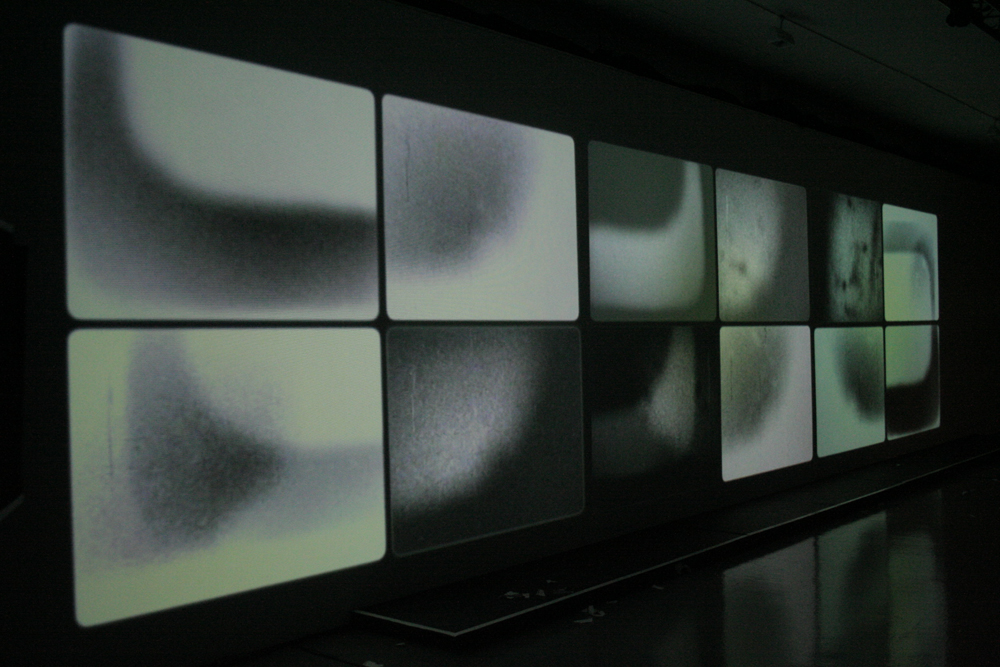
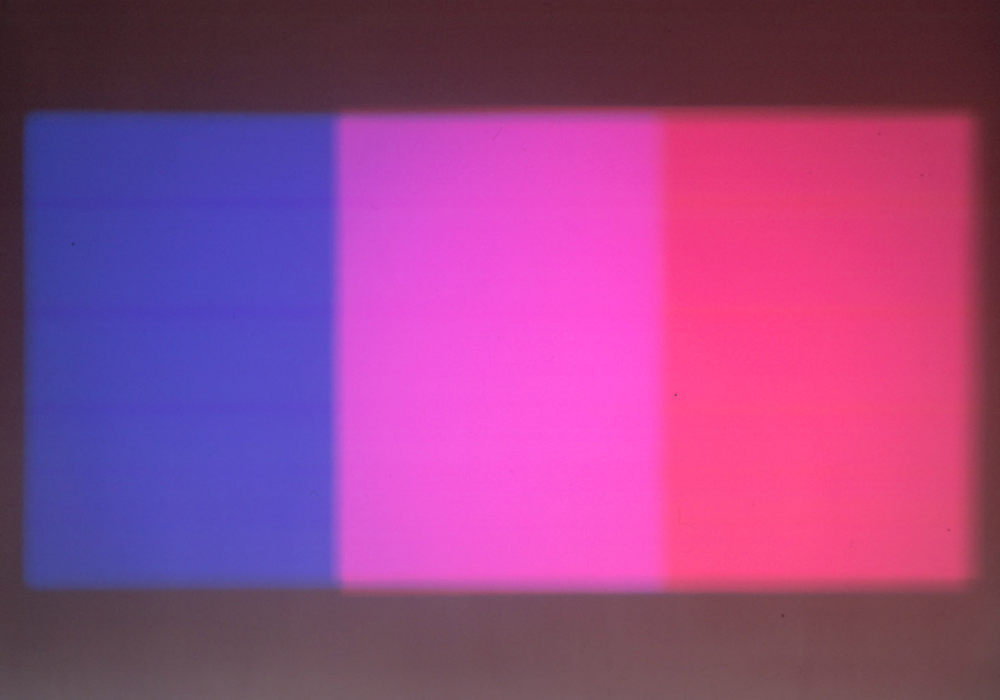
Paul Sharits’ Shutter Interface is a multi screen installation born of an intent to reveal the material substance of cinema in its purest form: spatially.
Arika have been creating events since 2001. The Archive is space to share the documentation of our work, over 600 events from the past 20 years. Browse the archive by event, artists and collections, explore using theme pairs, or use the index for a comprehensive overview.
Paul Sharits’ Shutter Interface is a multi screen installation born of an intent to reveal the material substance of cinema in its purest form: spatially.
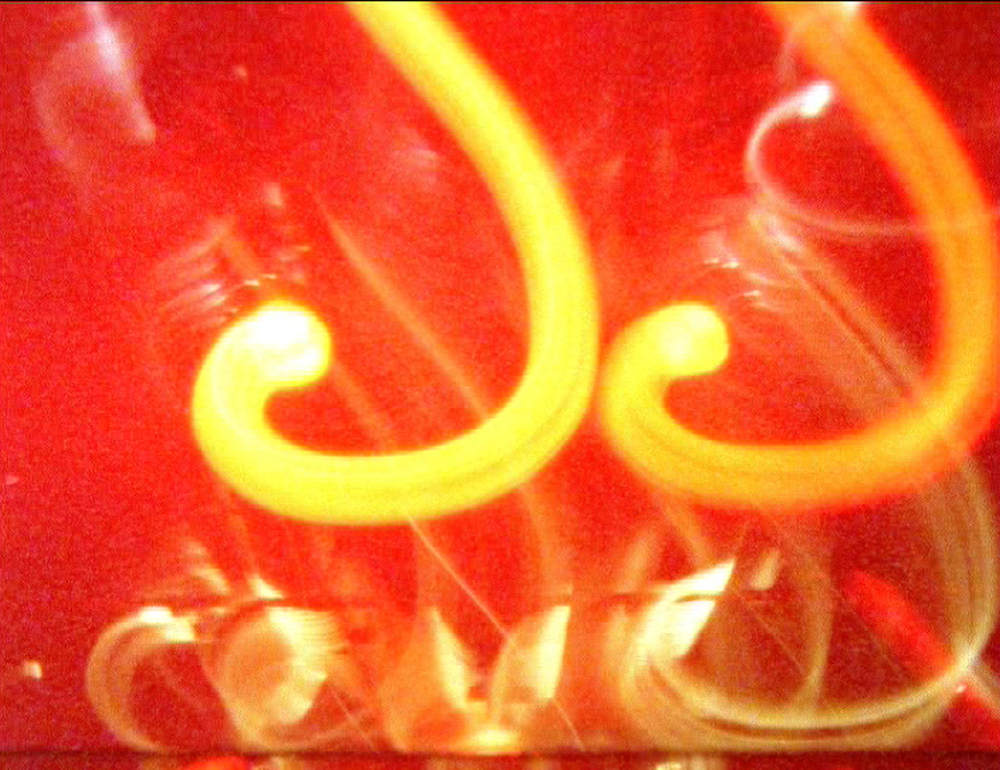
A poetic multi-screen performance about “the inadequacy of the arbitrary passing moment and the impossibility of permanence”. About time and change.
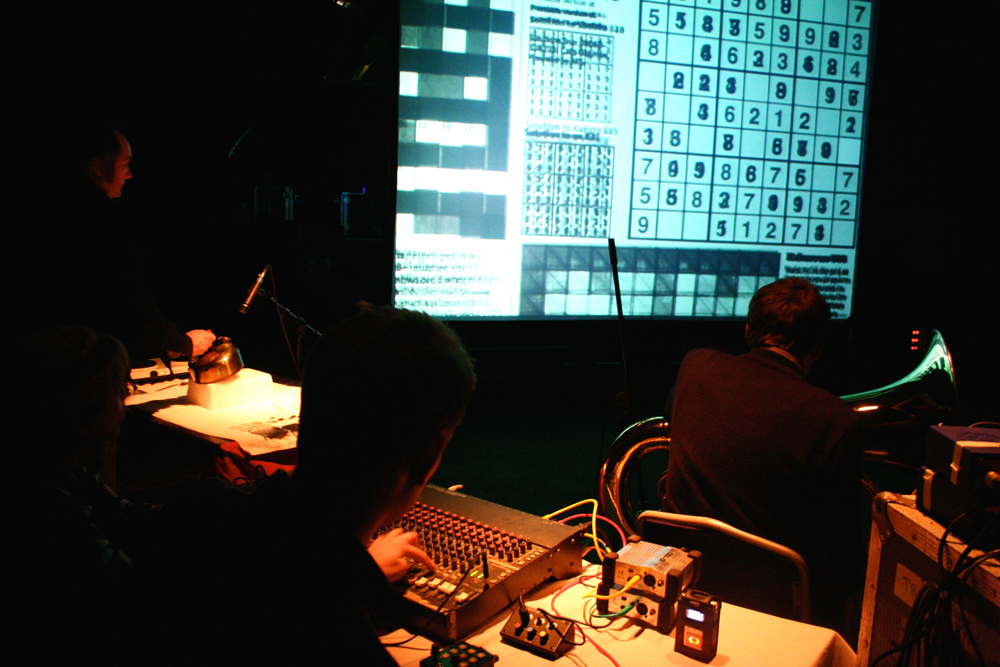
Performance of a Sudoko based graphic score giving rise to a process of self cancellation.
A conversation of intergenerational trans-resistance and anti-racist fierceness between two of the most inspiring public speakers we know.
Freeform Super 8mm documentation of Friday at Instal 06 by filmmaker Matt Hulse.
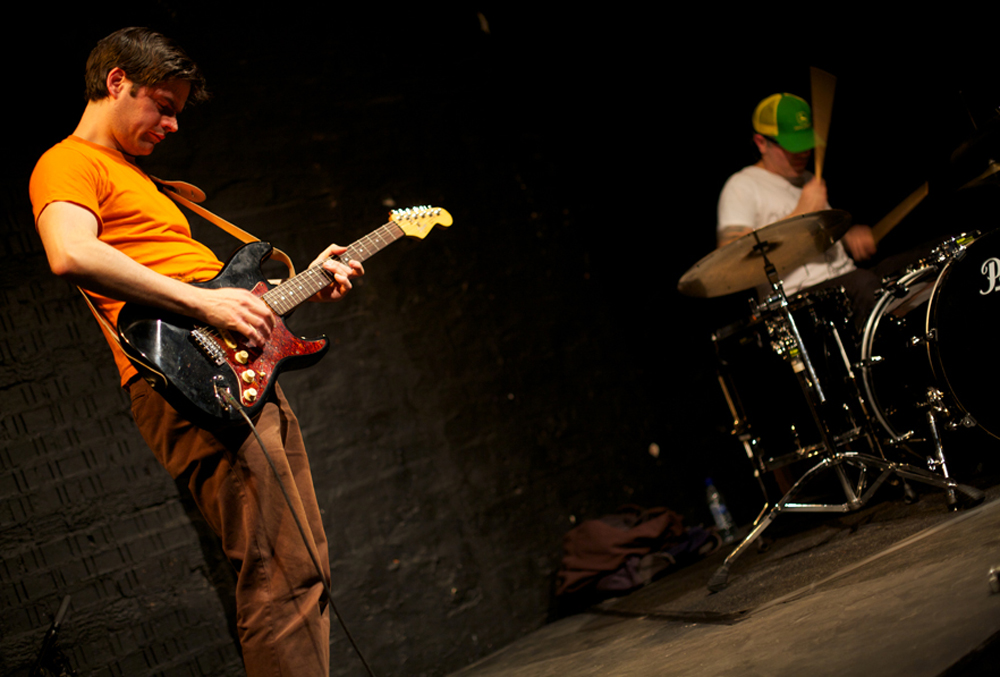
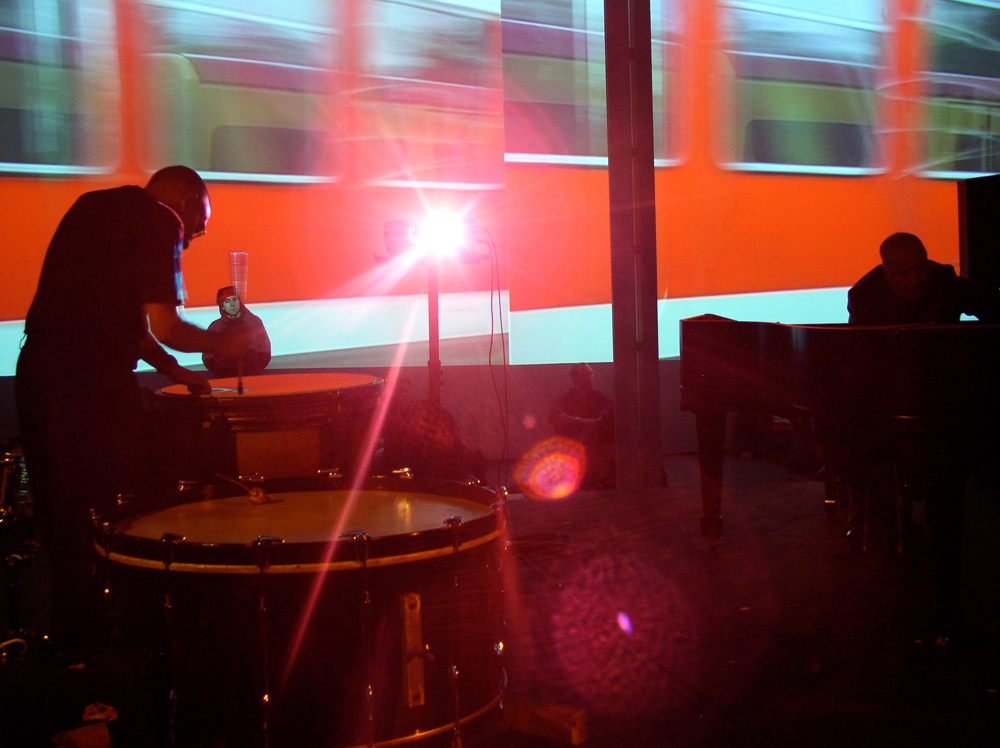
Three different performances variously featuring: Fritz Welch, loud drums, guitar, local collaborators, paper, memories, Roland Barthes, string quartets
One of the most influential groups in improvised music, with the collective understanding that comes from listening keenly to each other for decades
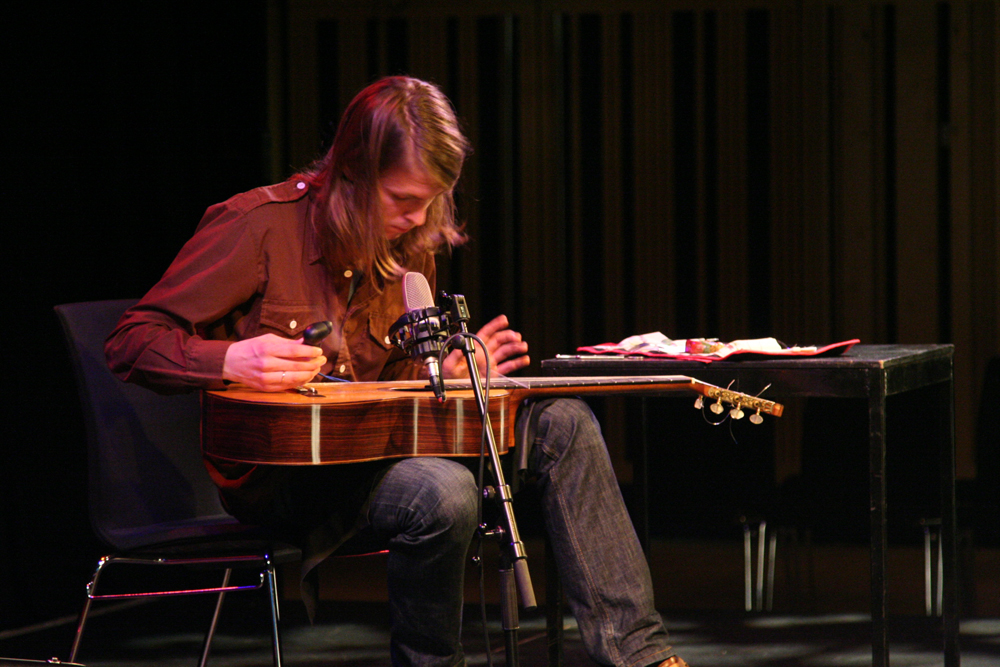
A guitar solo of frugal wringing, of notes in the dark, an attitude of making everything count.
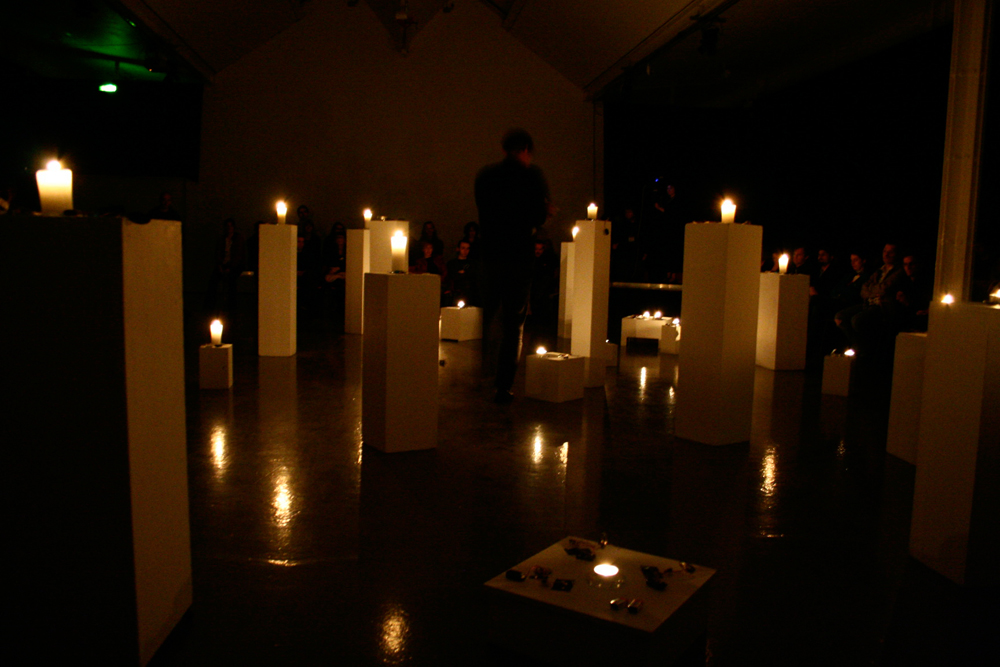
Joe Colley specialises in hotwired sound constructions full of ominous electronic disturbances and caustic, noxious drones. For KYTN, Joe created a situation of controlled chaos with 50 light sensitive oscillators placed in a field of candles.
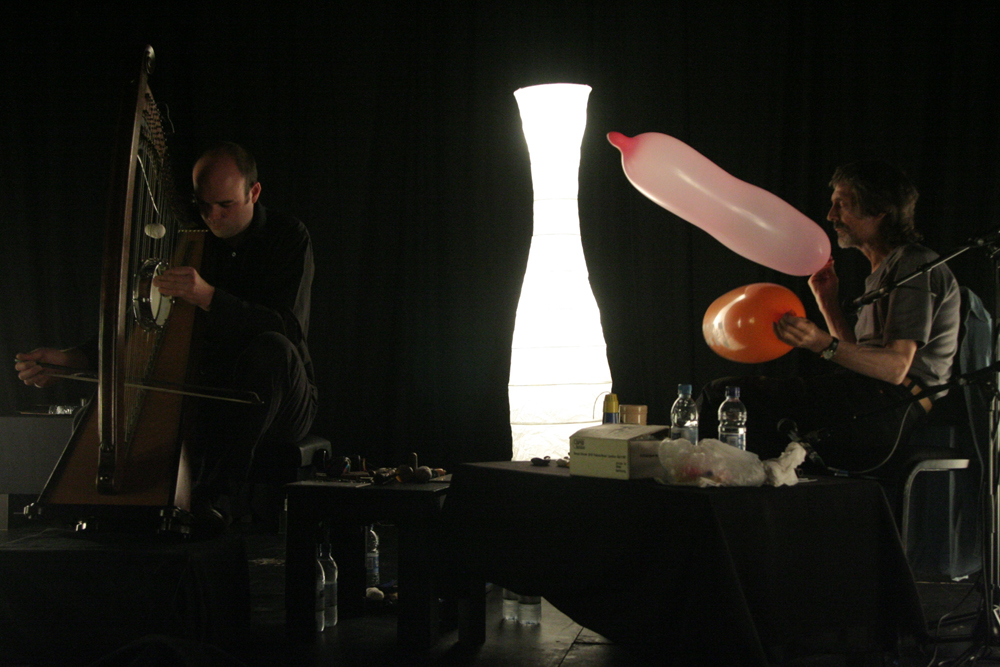
Terry is one of the most entertaining and unpredictable musicians in the London free improvising music scene. Rhodri Davies extends his instrument under a battery of techniques creating sound colours and textures quite alien to the harp.
Somewhere between performance, stripped down theatre and an intense kind of public learning or maybe even a public hearing.
How do you know what you want? Should freedom be doing what you ought, not doing what you want? How might a philosopher and artist turn this thinking into an enabling condition in the context of noise and improvisation?