The Experiment: Pt. 1
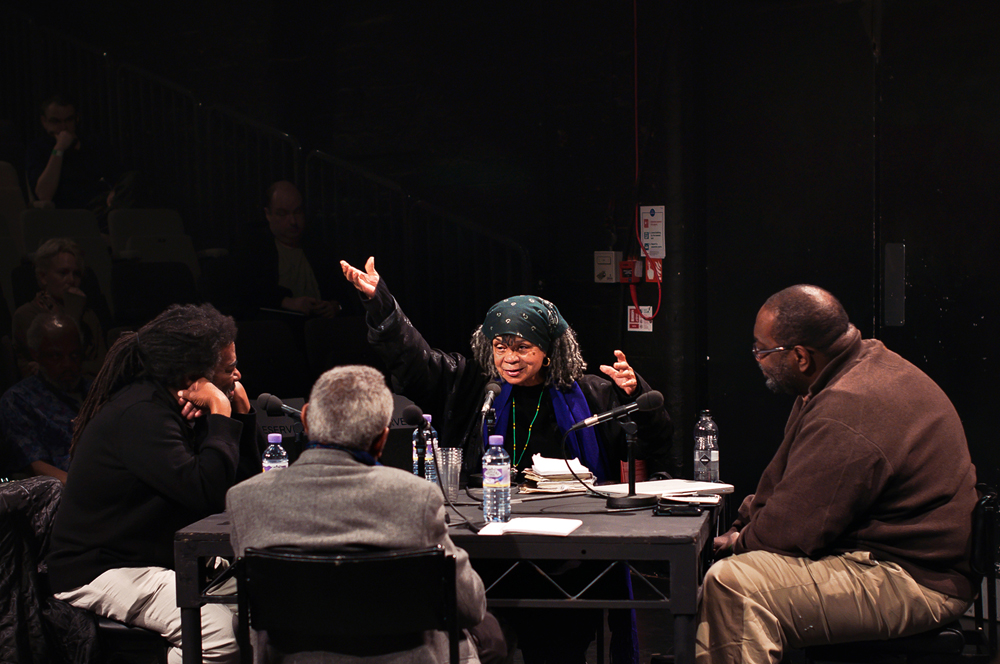
Amiri Baraka Fred Moten Wadada Leo Smith Sonia Sanchez
What happens when you are engaged in a deep and extended artistic practice that intersects between literature and music, notation and improvisation, sight and sound?
Arika have been creating events since 2001. The Archive is space to share the documentation of our work, over 600 events from the past 20 years. Browse the archive by event, artists and collections, explore using theme pairs, or use the index for a comprehensive overview.
What happens when you are engaged in a deep and extended artistic practice that intersects between literature and music, notation and improvisation, sight and sound?
Join activists, academics and artists as they reflect on abolitionist praxis and thought, exploring covergences with gender, poetry, technology, performance, speculation, aesthetics, film and culture. This series of events commemorates Black August and is for anyone who wishes to answer the abolitionist call to action and thought.
Sax/Drums duo of raucous, pealing noise, and cries of beguiling lyricism, whispered sax phrases float in a timbral cloud of bowed metal and rumbling toms.
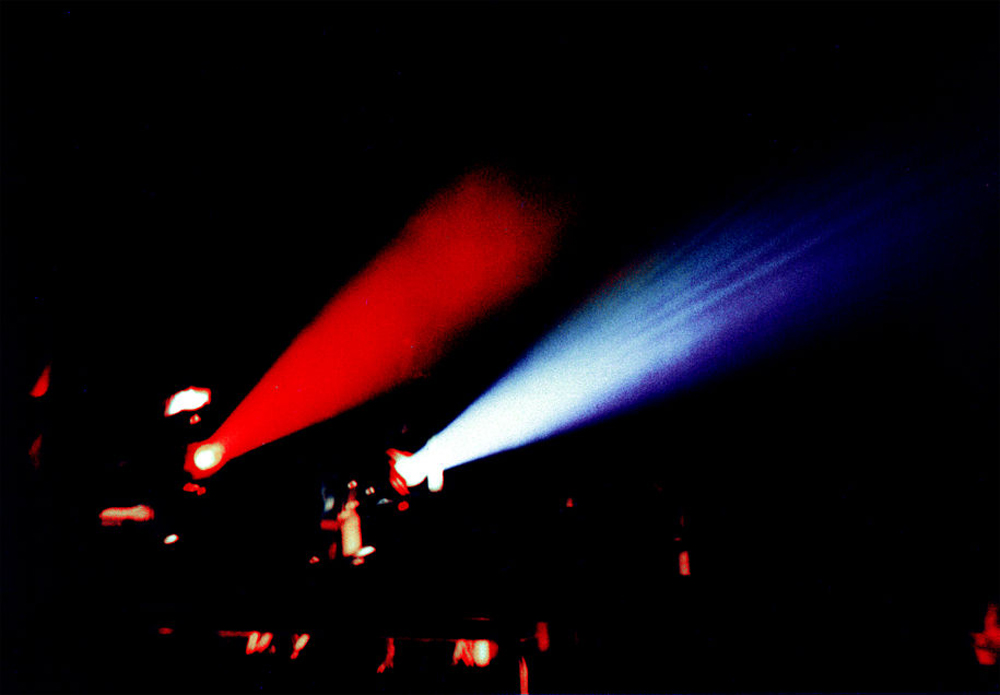
Dual projections of pulsating shards of film, treated in crystallized salts and dyes merge with the whirring of projectors, distilled into particles of sound.
Transfeminist, communist, revolutionary poetry that refuses to flinch. Nat Raha presents new work in the nine.
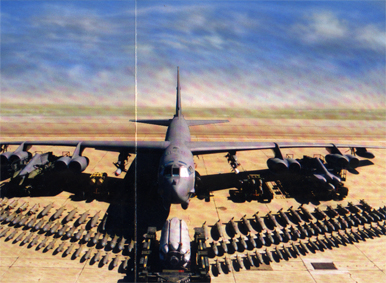
Hartmut is going to talk a little about his work at large and the politics of how his films are constructed. And we’ll screen one of his best films: B-52.
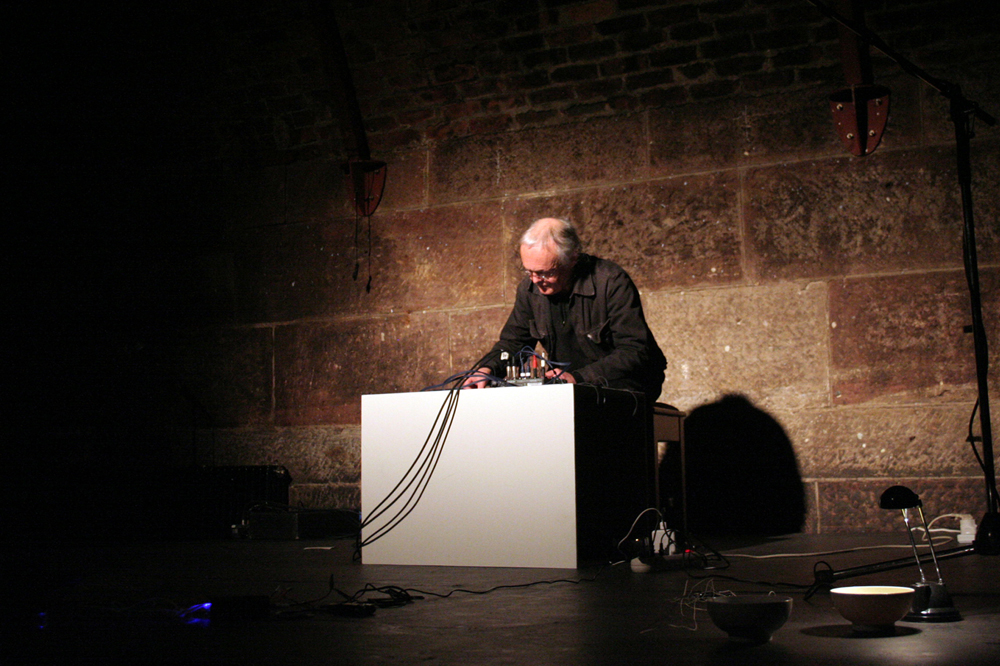
Julius’ “small music” features simple snatches of found sound, played back through small speakers, often set in bowls of pigment and dirt which shimmies in the vibrations.
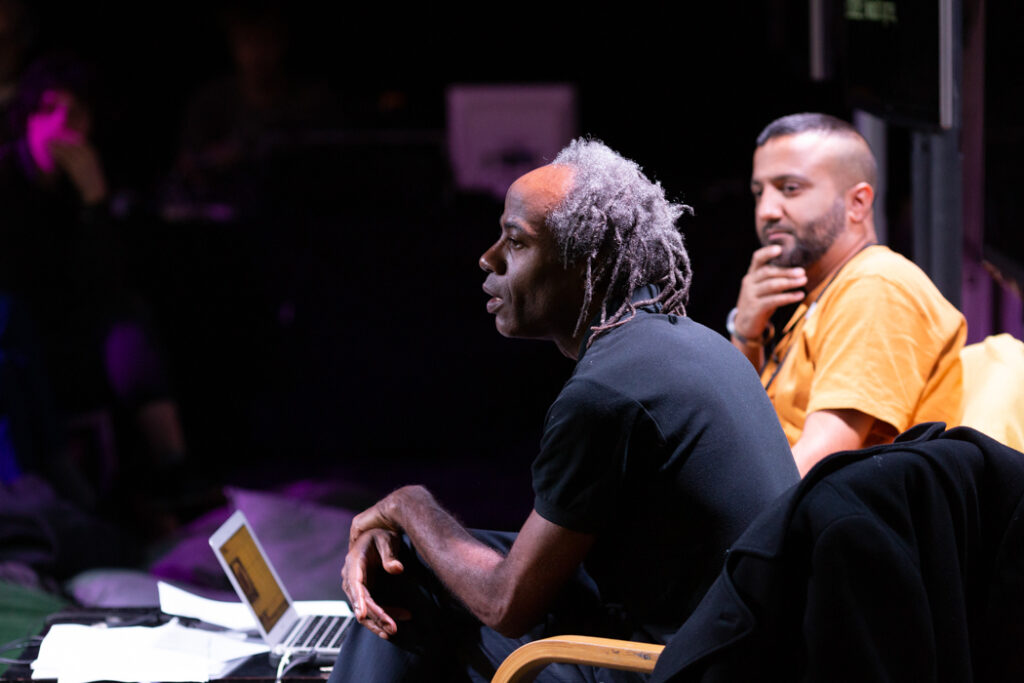
Dub is strange. A conversation with Edward George and Dhanveer Brar.
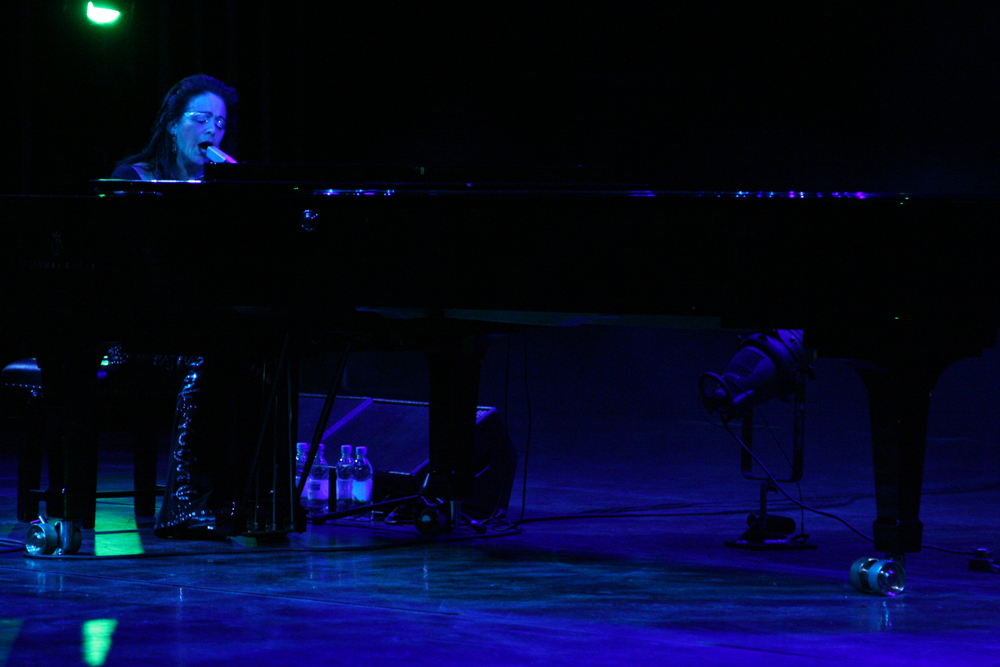
Solo performance by Diamanda Galás one of the great artists of the last forty years. Hers is an emotional expressionism of demonic shrieks, operatic falsettos, glottal clicks and diabolical growls.
A simple, gracefully bold set-up to allow Loïc to trace connections: of comments upon comments upon comments, of sounds next to sounds next to sounds.
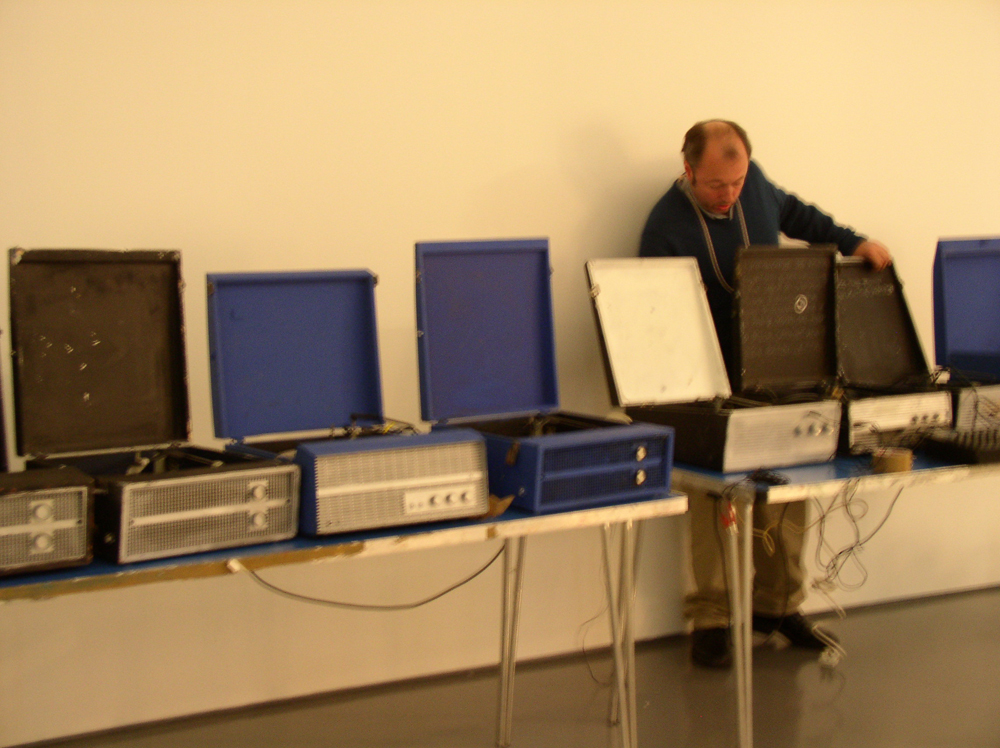
Equal parts spectacle, installation and performance, his set for us is a specially developed work, ‘turning’, which features an orchestra of multiple turntables, 4 projections and a collection of old, and, quite probably, misfiring analogue kit.
Reading their letters to each other, and chatting about prefigurative politics as the practice of relentlessly building worlds through unspeakable violence and loss; of building worlds and living in them anyway.