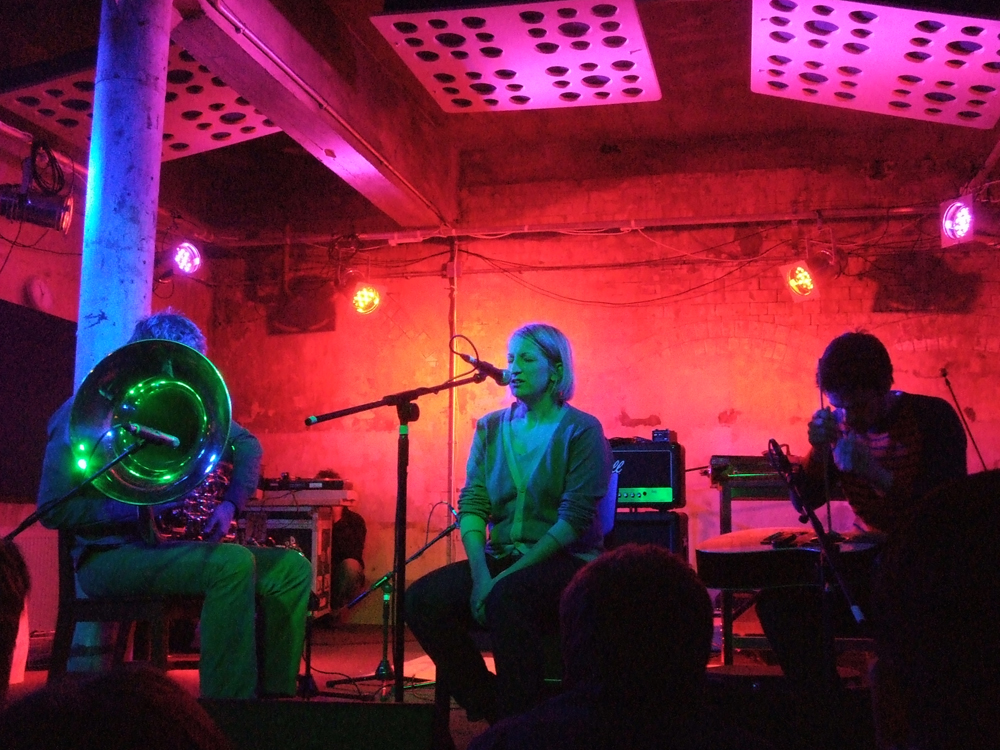
Ingar Zach & Rhodri Davies
Ingar Zach Rhodri Davies
Minimal details and otherworldly glistening drones, rich with sustained metallic timbres that breathe with the scrapped pulse of bowed metal.
Arika have been creating events since 2001. The Archive is space to share the documentation of our work, over 600 events from the past 20 years. Browse the archive by event, artists and collections, explore using theme pairs, or use the index for a comprehensive overview.
Minimal details and otherworldly glistening drones, rich with sustained metallic timbres that breathe with the scrapped pulse of bowed metal.
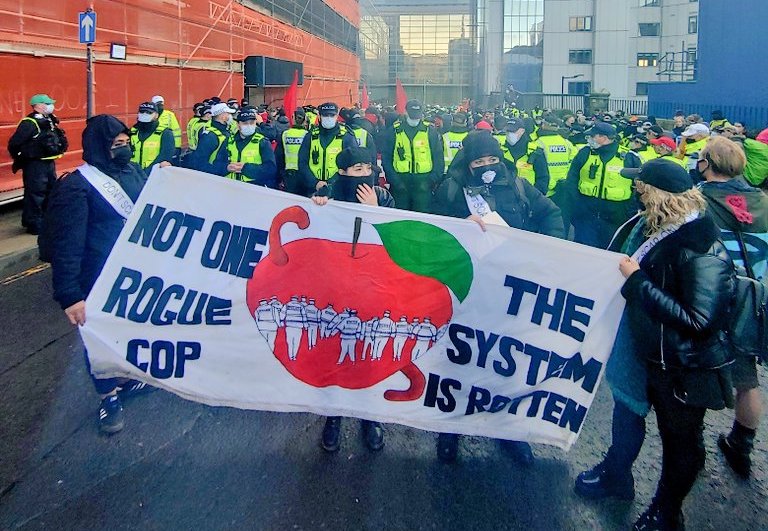
Criminal Queers visualises a radical trans/queer struggle against the prison industrial complex, working to abolish the multiple ways our hearts, genders, and desires are confined.
Work for cello, percussion, contra bassoon and cherbulum commissioned for Instal in collaboration with Paragon
Includes: tamed TV snow, video feedback of racing particles, a remake of a polish photogram film destroyed in WWII, a visual and aural representation of Gestalt theory, hole-punched film and Guy Sherwin’s Cycles 3 double-projection.
Disused railway turning circle at east end of Union Terrace Gardens, a historically public space at the centre of a regeneration land-grab for the private gain of a local petro-chemical magnate.
Jandek performing at the Scottish Rite Theatre in Austin, Texas with Juan Garcia, Nick Hennies and Chris Cogburn.
What does it mean to resist seeking assimilation or inclusion within, or let our demands be co-opted by the very systems we seek to dismantle?
Performances at Anthology Film Archives by by Loren Mazzacane Connors, Alan Licht & Jandek.
An audio and video investigation of gender cults, Catholicism, hauntings and nuns’ use of audio devices…
Nikos played every note that it’s possible to play on the cello, all played back as a one hour drone, while the cello was turned to powder and bottled.
Freeform Super 8mm documentation of Sunday at Instal 06 by filmmaker Matt Hulse.
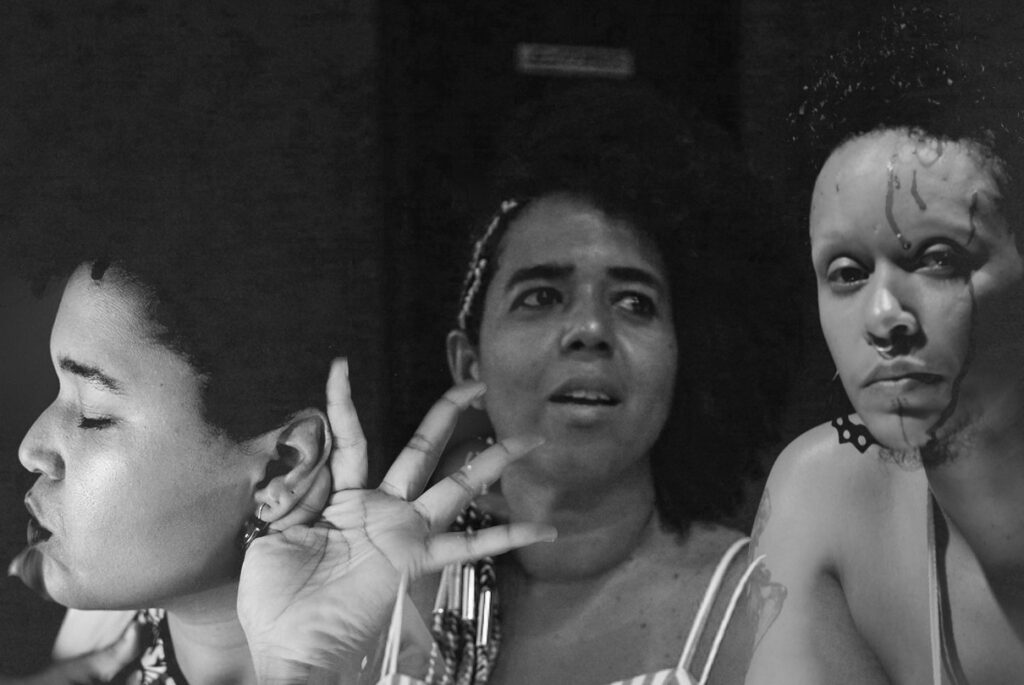
Can a collective performance of NourbeSe’s poem of black life as it exceeds containment enact alternative forms of selfhood that emerge in and out of African diasporic experience?