Blackness, Animality and the Unsovereign
Che Gossett
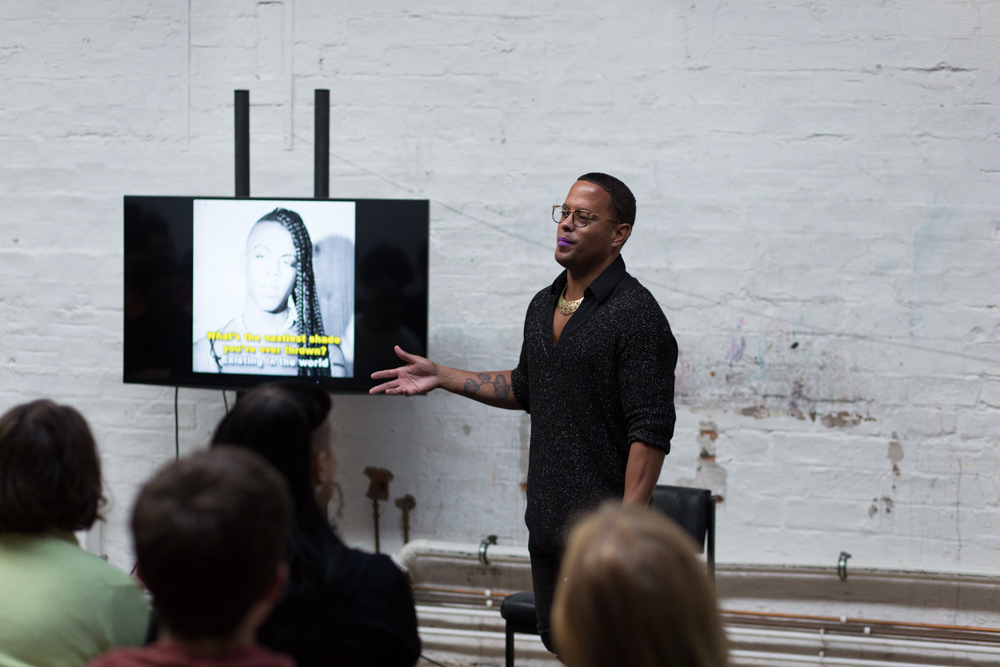
How black radical practices of abolition imagine a way out of the caging and mass killing of life.
Arika have been creating events since 2001. The Archive is space to share the documentation of our work, over 600 events from the past 20 years. Browse the archive by event, artists and collections, explore using theme pairs, or use the index for a comprehensive overview.
How black radical practices of abolition imagine a way out of the caging and mass killing of life.
If life is assaulted by power, where do we find spaces for living? A conversation with Peter Pál Pelbart.
A celebration of our overabundant social entanglement and complicity, that remind us of how we can see ourselves, stripped of powers’ attempts to grasp us.
Ken presents his Nervous Magic Lantern, wherein film itself is forsaken for an investigation of hypnotic and trancelike crystaline forms. Eric La Casa works with recordings of everyday occurrences: the background hum of place.
A life force of ecstatic clarity capable of loquacious bursts of affirmation.
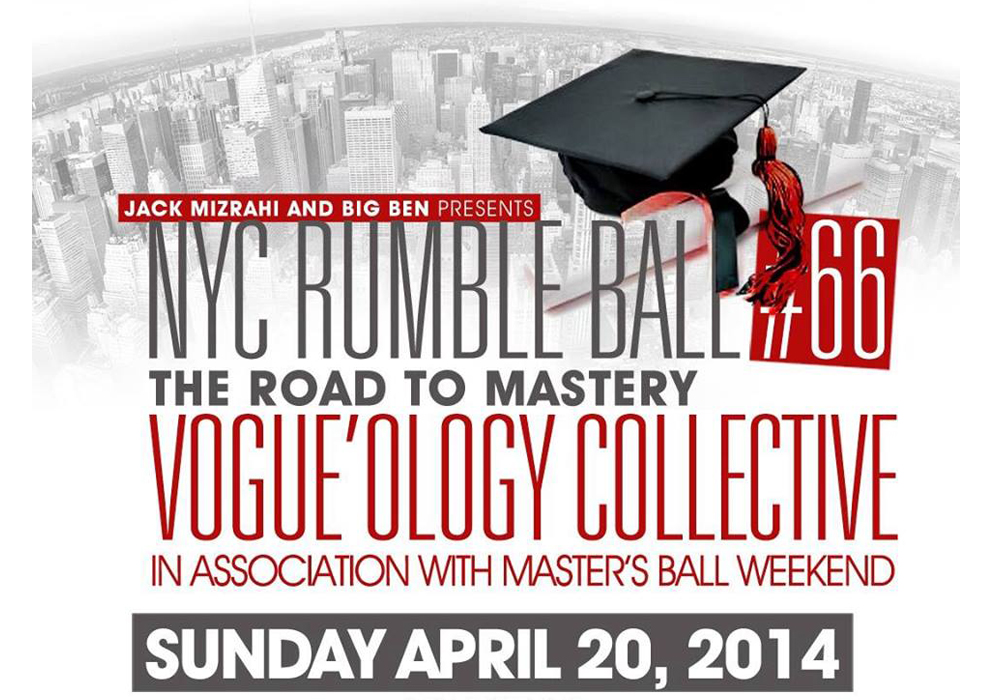
This mini, late-night ball will include categories inspired by the events earlier in the weekend.
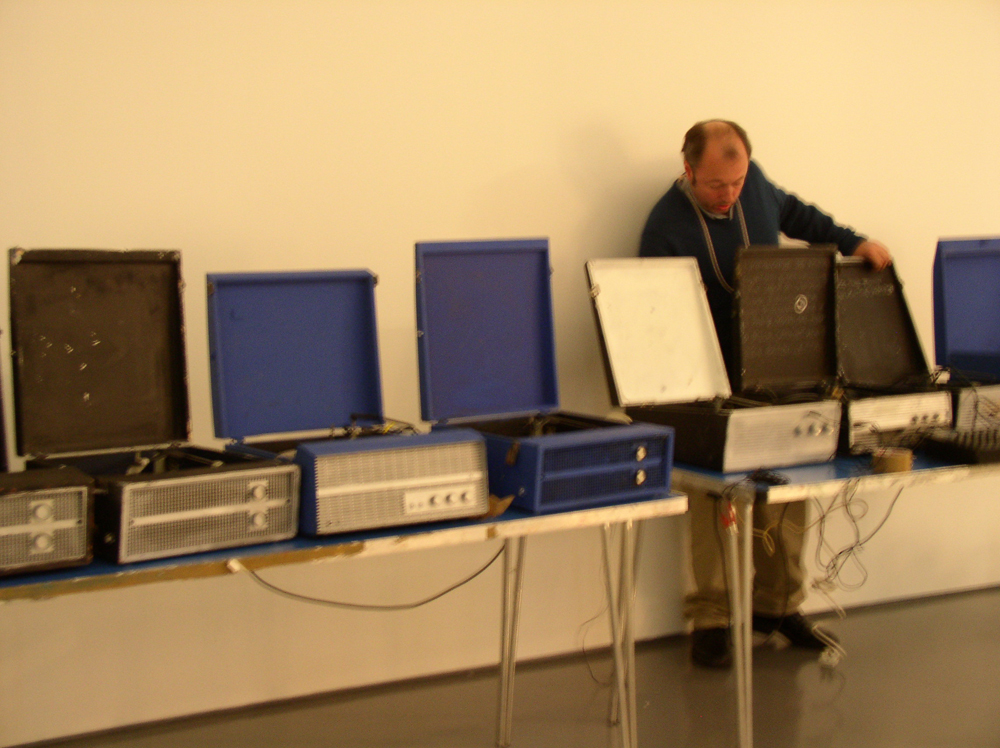
Equal parts spectacle, installation and performance, his set for us is a specially developed work, ‘turning’, which features an orchestra of multiple turntables, 4 projections and a collection of old, and, quite probably, misfiring analogue kit.
Politicised fan-fiction chronicling working class gay urban space and fantasy.
N30 is a massive, dynamic, immersive multi-channel presentation of front-line field recordings from the protest against the WTO in Seattle
Tell Me About It creates a space for direct one-to-one conversations with people who habitually find others (filmmakers, politicians, journalists) speaking on their behalf… In partnership with Edinburgh Art Festival.
Thuja specialise in a unique and abstract folk music, a devoutly organic tapestry deeply rooted in the sway and bow of nature.
An excavation of the 1805 Lock Hospital in Glasgow. Its official function was to support ‘unfortunate females with venereal disease’, but really what happened was that women and girls were marched in, experimented on, and often never released.