I am not a nation-state
Leanne Betasamosake Simpson Nat Raha
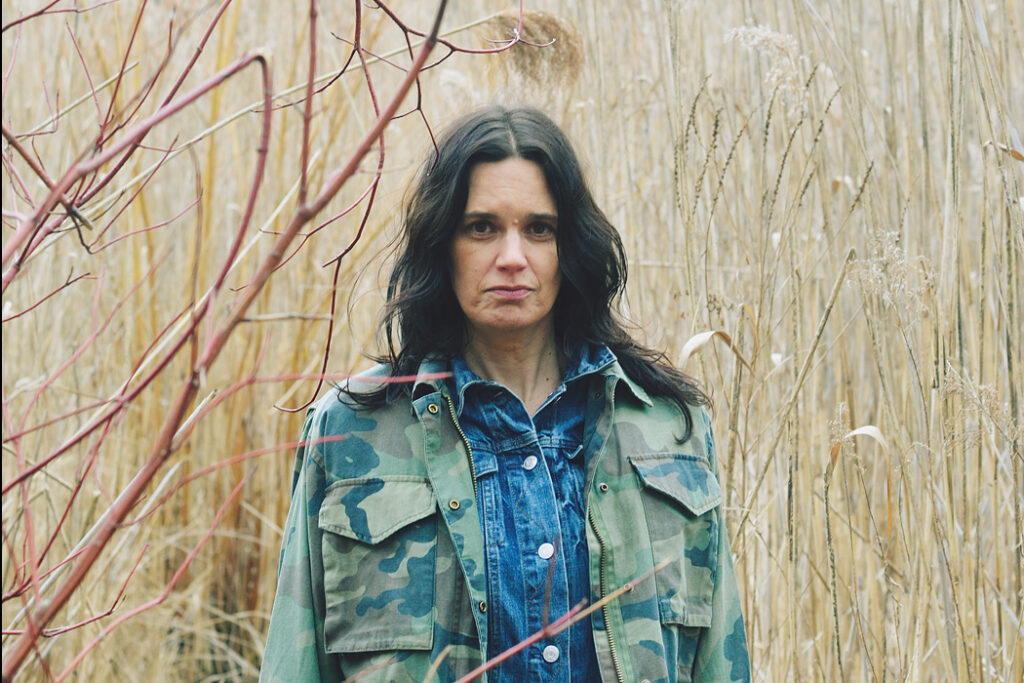
One of the most compelling Indigenous voices of her generation discusses practices of Indigenous Resurgence drawn from Nishnaabeg poetic knowledge.
Arika have been creating events since 2001. The Archive is space to share the documentation of our work, over 600 events from the past 20 years. Browse the archive by event, artists and collections, explore using theme pairs, or use the index for a comprehensive overview.
One of the most compelling Indigenous voices of her generation discusses practices of Indigenous Resurgence drawn from Nishnaabeg poetic knowledge.
Politicised fan-fiction chronicling working class gay urban space and fantasy.
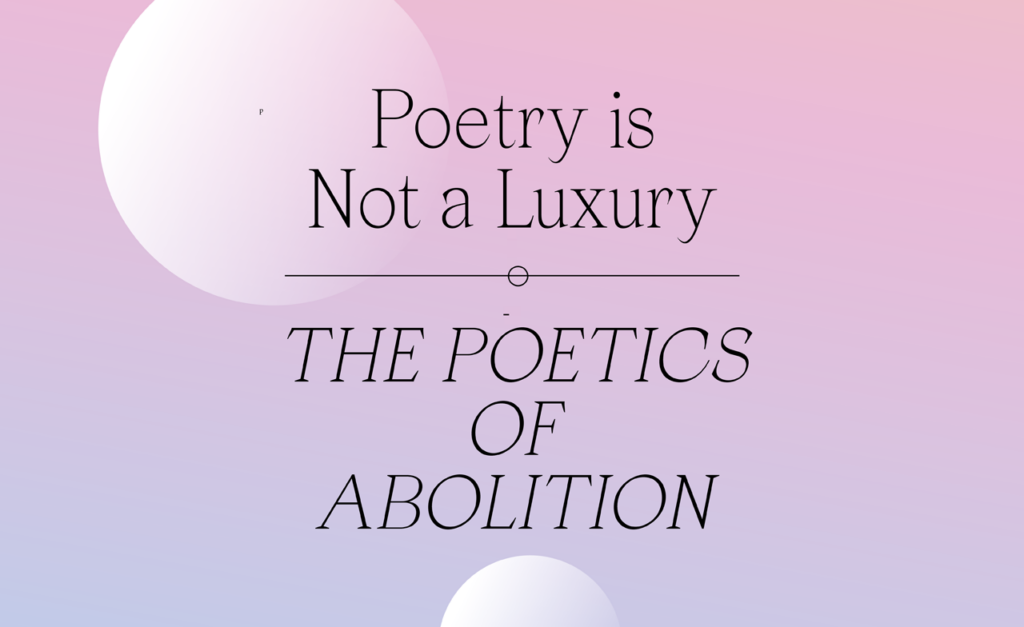
A panel exploring the poetics of abolition. “Poetry is not only dream and vision; it is the skeleton architecture of our lives. It lays the foundations for a future of change.”
Whether drawing their own fractured, abstract narrative, or re-contextualising, chewing up and spitting out someone else’s, each of the films here take a dramatic arc as their starting point and throw it to the wind.
Freeform Super 8mm documentation of Saturday at Instal 06 by filmmaker Matt Hulse.
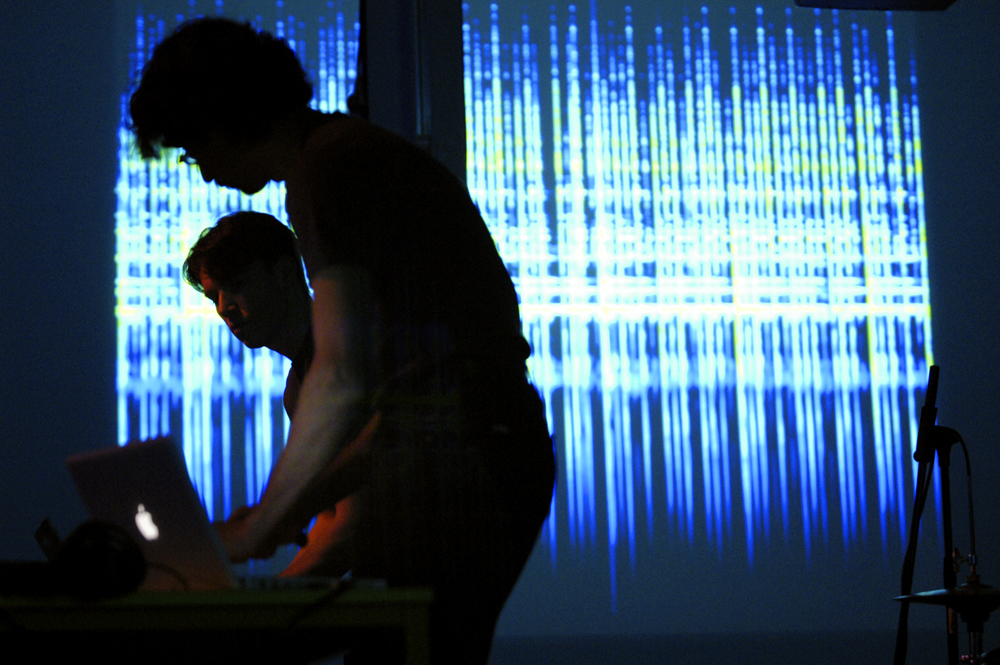
Sonic ‘observations’ of the world, through micro recordings on a tiny scale and transformed into something musically compelling.
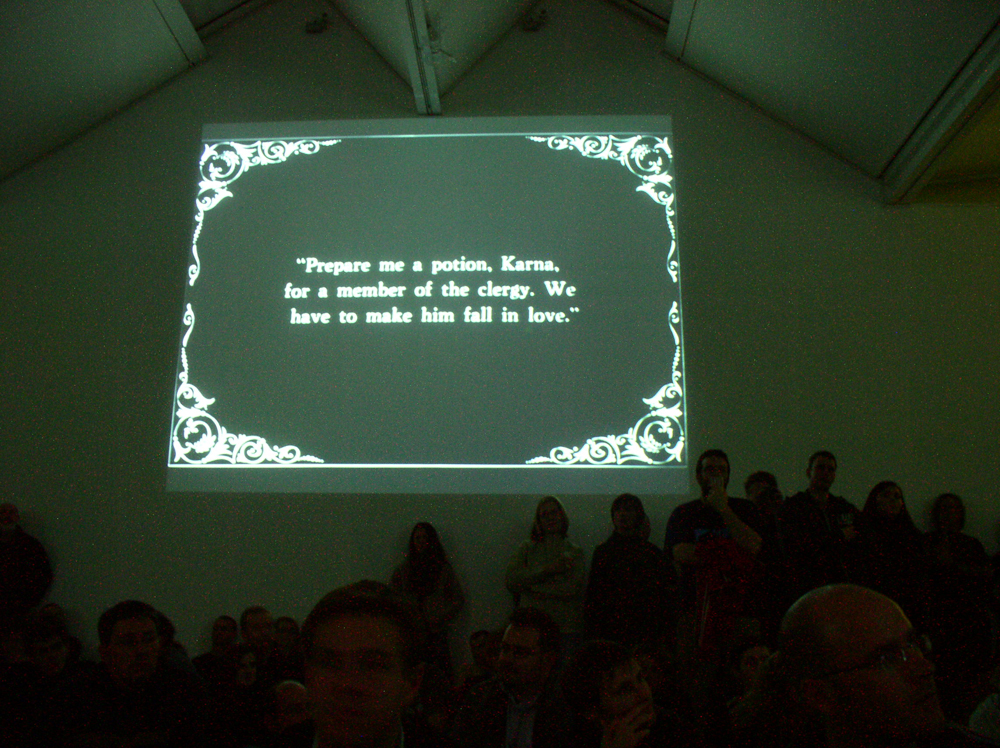
Mirror and Phantom Engineer performing an improvised soundtrack to Benjamin Christensen’s 1922 horror film prototype, Haxan: Witchcraft through the Ages.
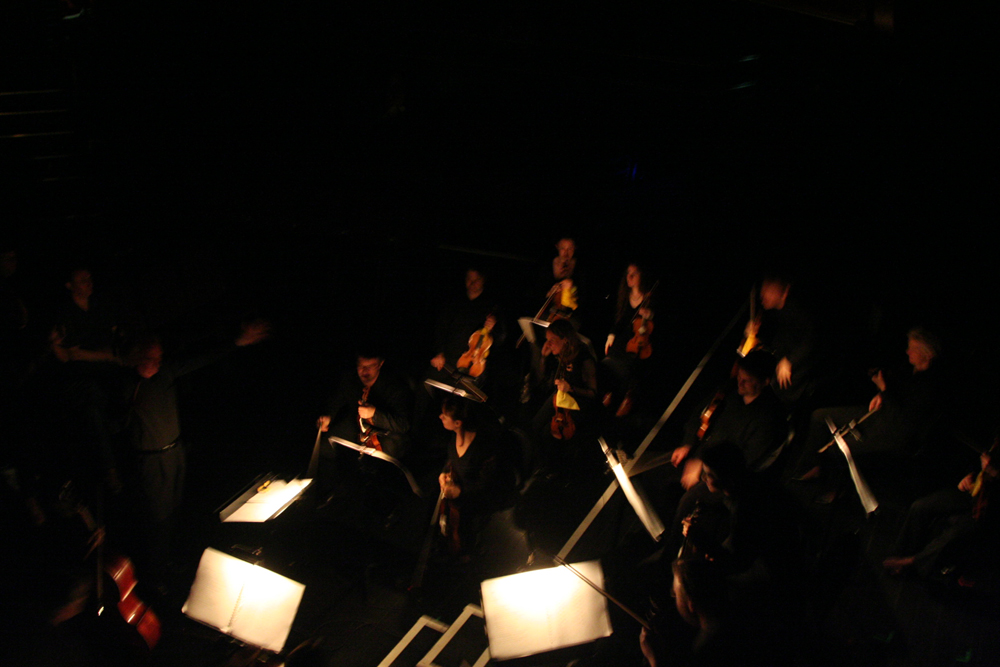
We commissioned Radu Malfatti to write a new piece for the 21-piece string section of the Northern Sinfonia: Music striving to discover the exact point at which sound resonates the clearest amidst long drawn out silences.
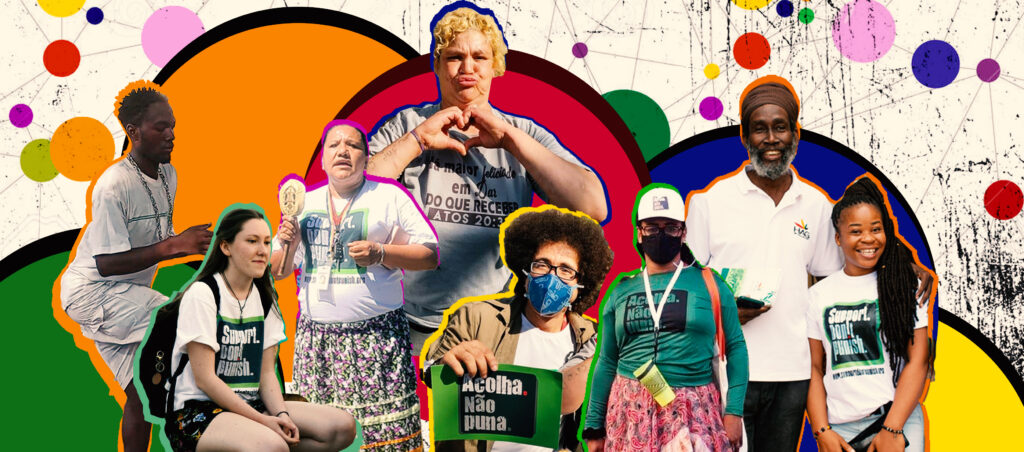
Rather than asking the state for services, what kinds of change are made possible when we prioritise people supporting each other?
Live ISDN drone performance resonating between Dundee and an empty Montreal Grain Silo.
What to do about a telethon other than fuck it up? Poet, tarotist, artist, and librarian Cyrée Jarelle Johnson returns to IWBWYE to read the 1980s and ’90s for what those decades were: practice for now.
Instead of the one-way monologue of normal performance, what would be the result of an actual collective dialogue? Where would it go?