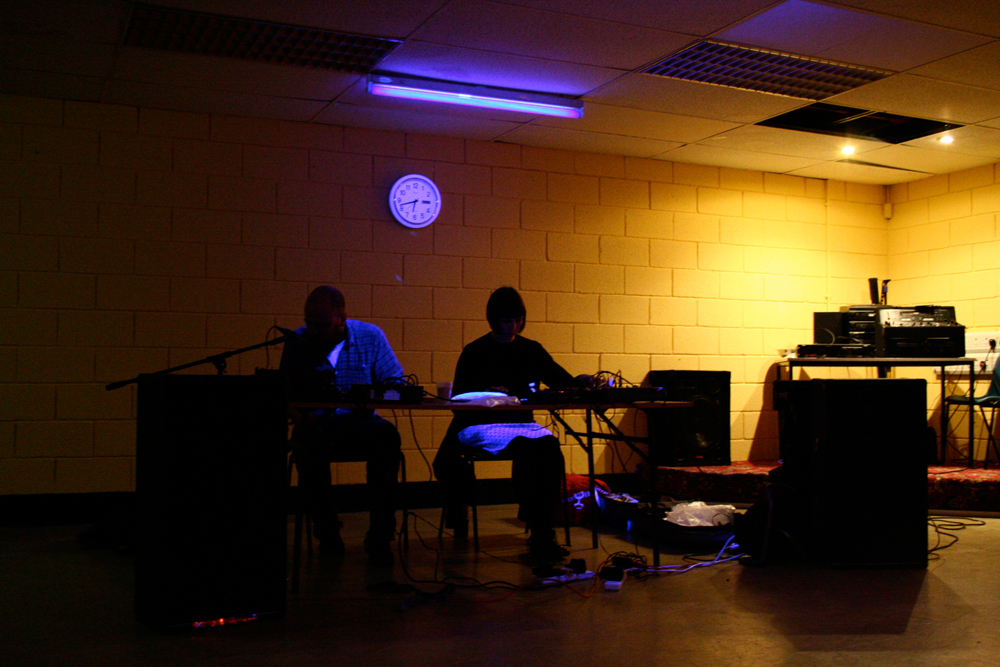
Loren Mazzacane Connors & Alan Licht
Alan Licht Loren Mazzacane Connors
An utterly deep introspection told in aching, weeping guitar lines; melodic, simple, always minimal but somehow entirely epic.
Arika have been creating events since 2001. The Archive is space to share the documentation of our work, over 600 events from the past 20 years. Browse the archive by event, artists and collections, explore using theme pairs, or use the index for a comprehensive overview.
An utterly deep introspection told in aching, weeping guitar lines; melodic, simple, always minimal but somehow entirely epic.
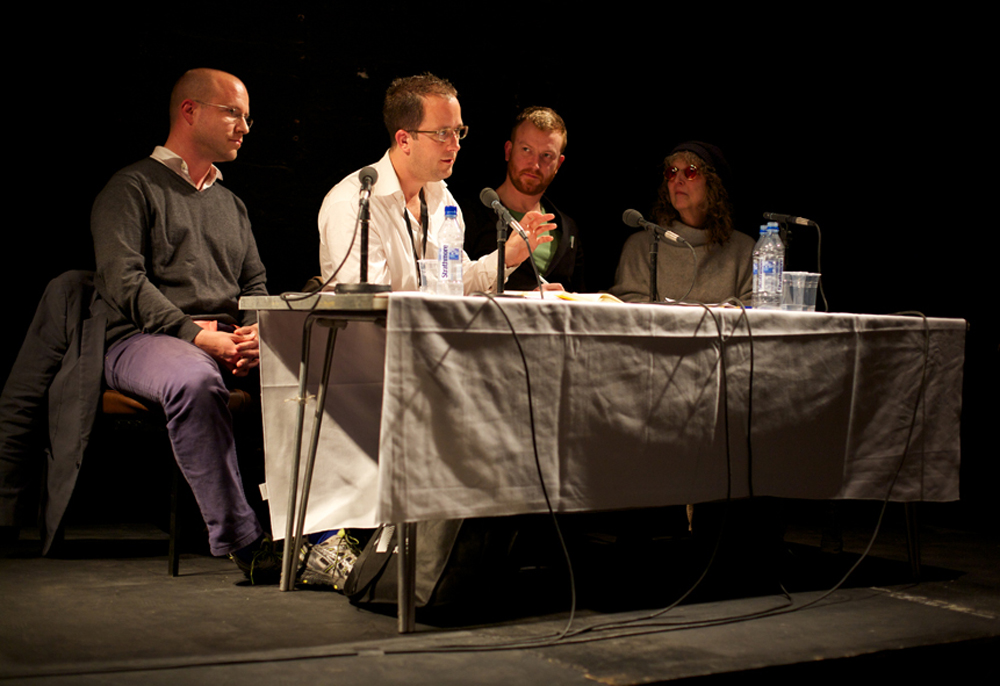
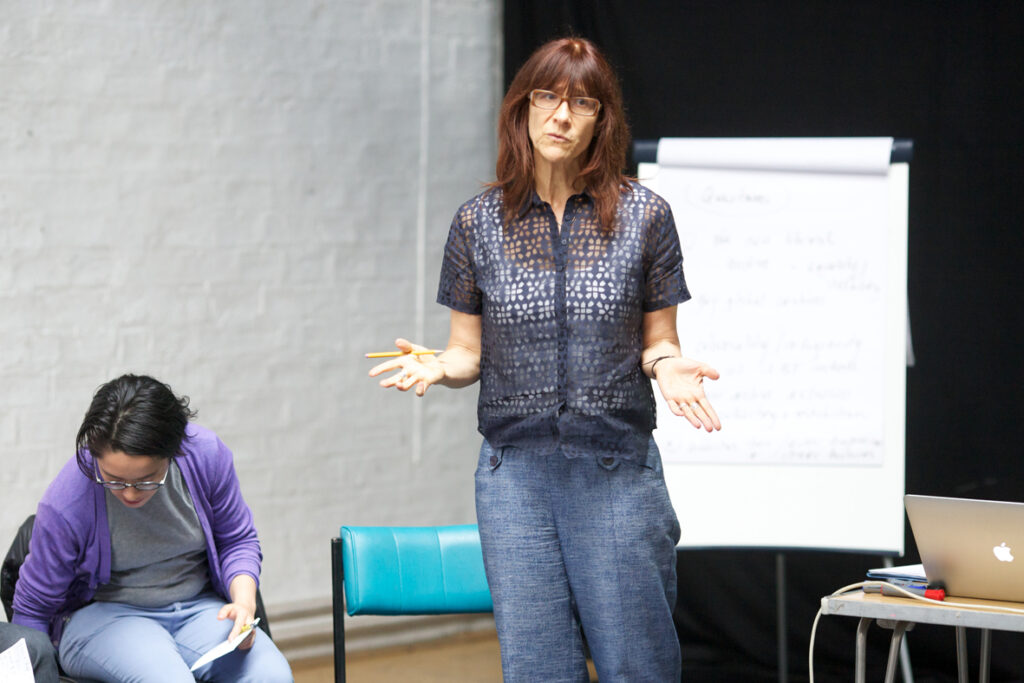
Ian and Gil will host a discussion on the Argument project’s social and political commentaries, and with you try and maybe think through whether and how they might still have some currency today: what’s changed and what’s stayed the same?
With Taku we’ll carry out some simple proposals for doing almost nothing, for re-thinking sound with whatever comes to hand.
With a signature spartan sound and long term preoccupation in structural tactics (subtle shifts in density, drawn out stasis) Polwechsel blur the boundaries between individual instruments.
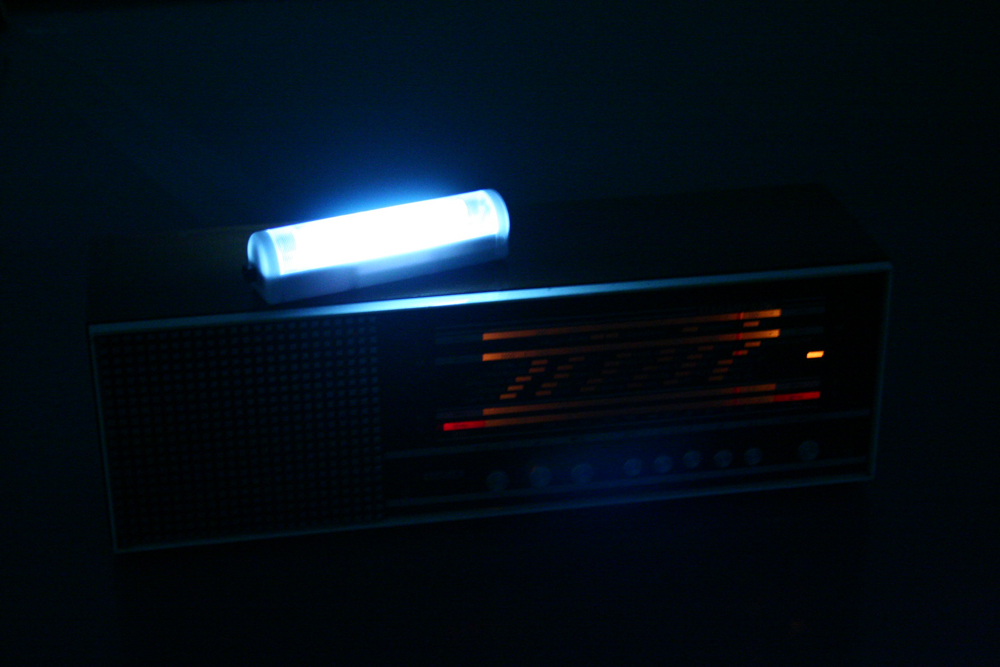
Joe Colley specialises in hotwired sound constructions full of ominous electronic disturbances and caustic, noxious drones. For KYTN, Joe created a situation of controlled chaos with 50 light sensitive oscillators placed in a field of candles.
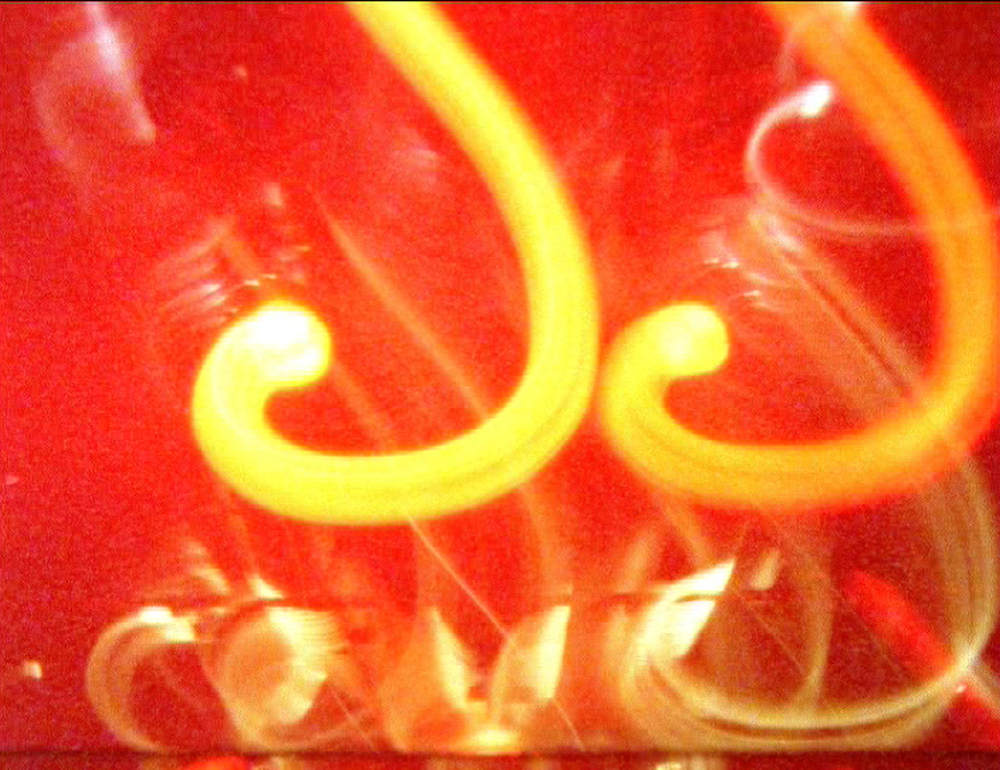
Wave Formations is a 5 screen work in which each screen runs through a series of fades and then stroboscopic flashes of colour, to create a series of visual harmonics.
Harrowing but musical confrontations with the very real, physical and aural trauma of a woman screaming.
A Feral Choir of people who’ve never improvised with their voices before, conducted by improviser yodeller, composer Phil Minton.
The second edition of the INSTAL festival broadened it’s scope to include performances from Francisco Lopez, Phil Niblock, Stefan Mathieu, Alva Noto, Ryoji Ikeda and John Wall.
An open collaborative workshop space in which games, warm-up sessions, exercises and scenes are potentially the same thing, through which to project your own concerns onto the stage.
How does this practice, that simultaneously resists and honours the distinctions between these genres, materials and senses, determine the inhabitation of another: a convergence of aesthetic and social experimentation?