Blood Stereo
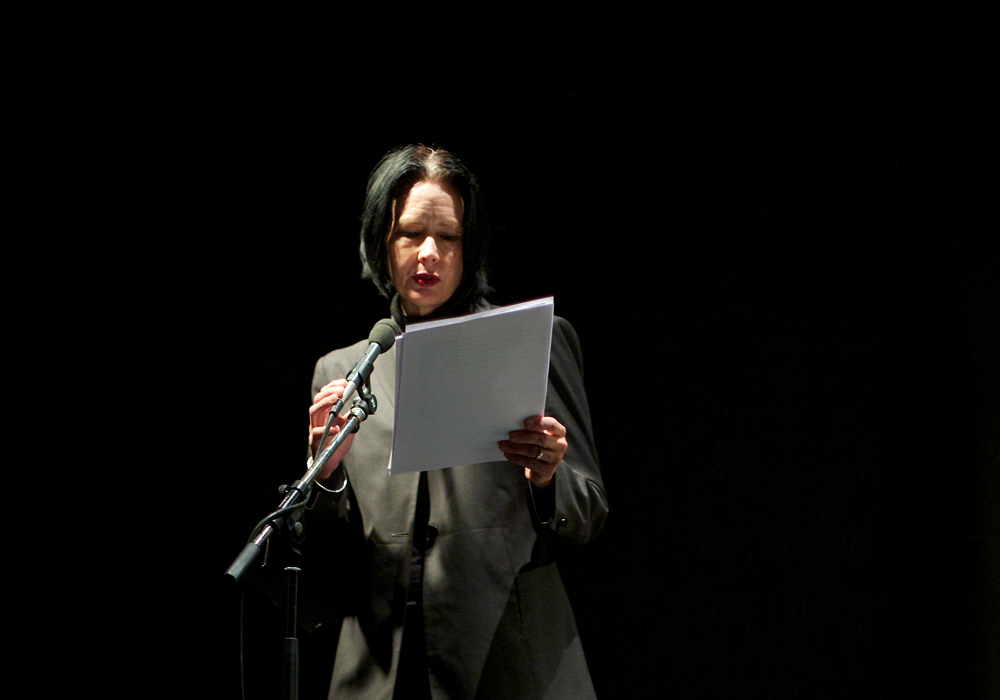
Blood Stereo Heather Leigh Murray
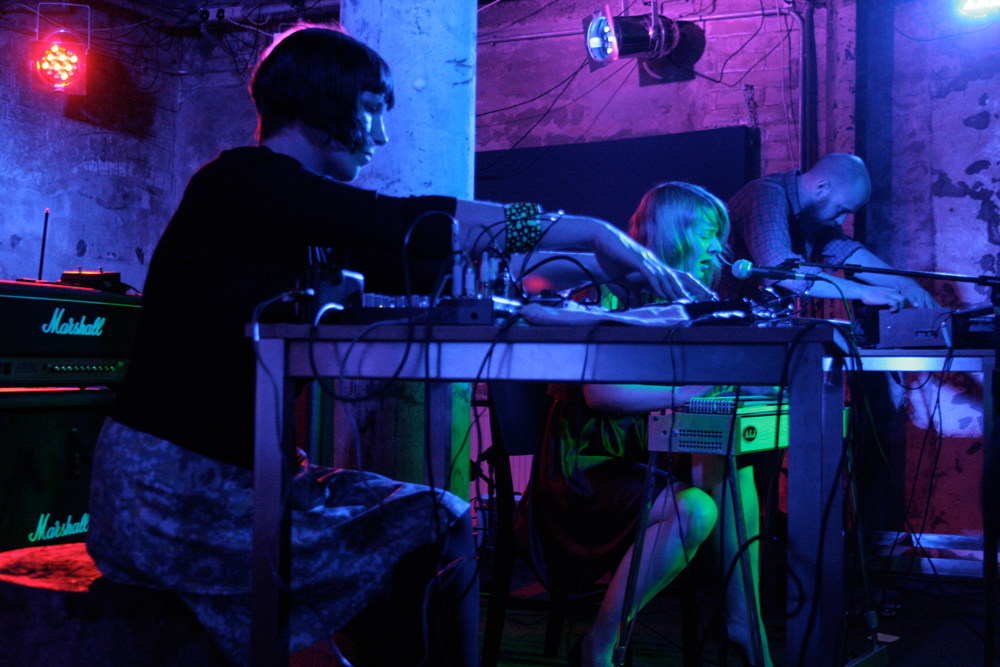
Goofily deformed, deeply thought vocal jams: like the sound of your own breath rushing through your head.
Arika have been creating events since 2001. The Archive is space to share the documentation of our work, over 600 events from the past 20 years. Browse the archive by event, artists and collections, explore using theme pairs, or use the index for a comprehensive overview.
Goofily deformed, deeply thought vocal jams: like the sound of your own breath rushing through your head.
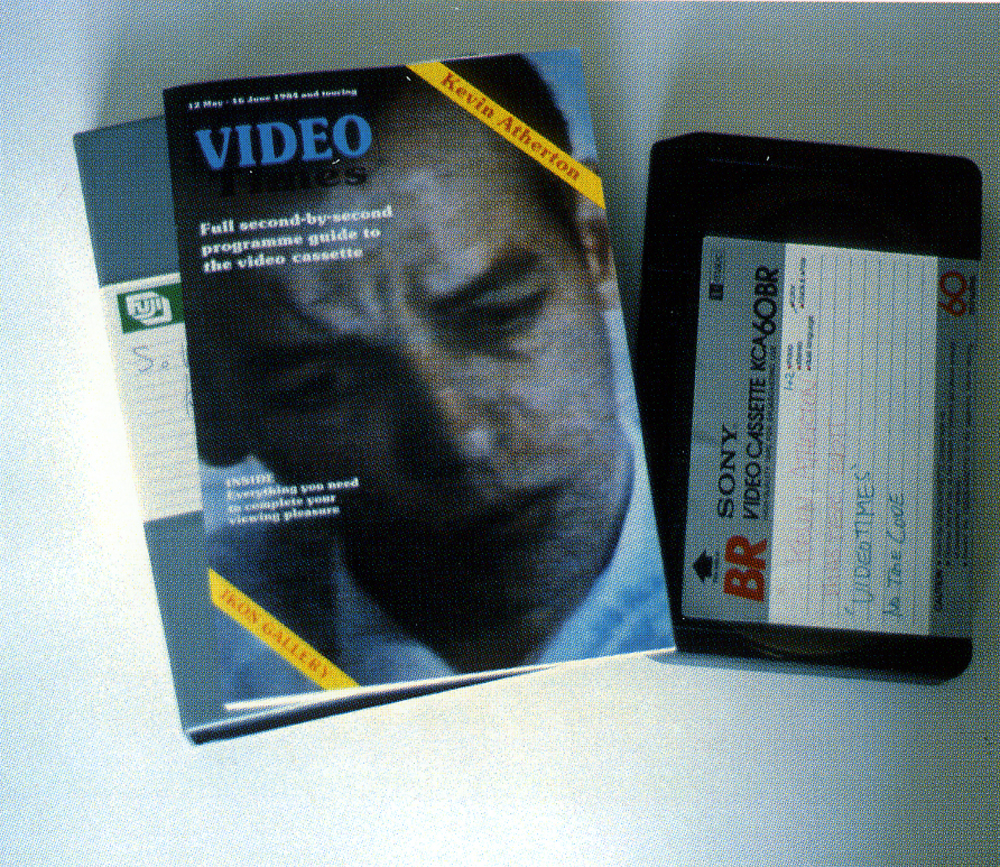
Conceived of as a dual publication, video cassette and booklet, to be presented as an installation. The content of the videotape is the artist watching television.
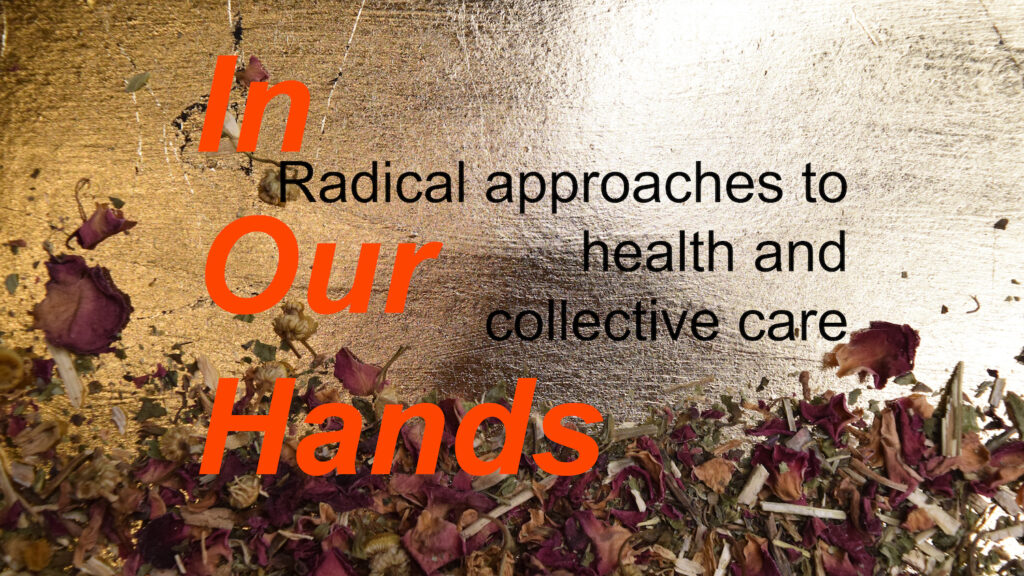
In Our Hands is a ten week programme of workshops facilitated by Lisa Fannen, Omikemi and Clay. The sessions explore radical approaches to health and collective care in the context of movement for liberation and social justice.
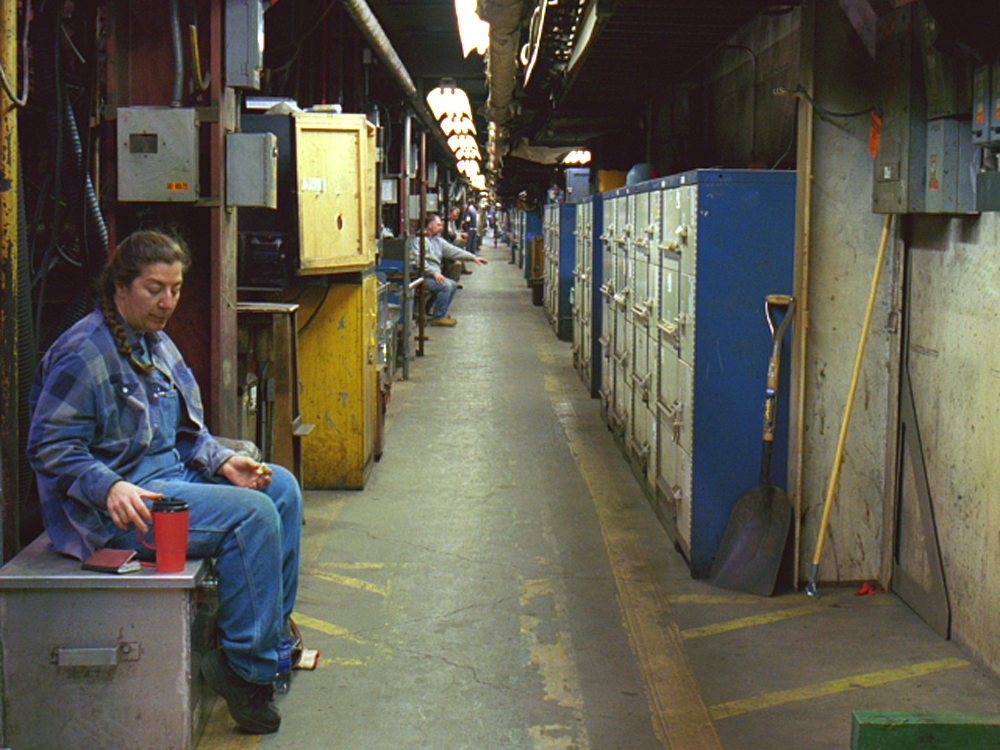
A slowed down single tracking shot along a corridor as workers at the Bath Iron Works, (Maine, USA) take their lunch break.
Sean and Taku share an interest in structure, space and time. A spartan, abstract, considered and surprisingly musical set.
The role of feelings in public life, (political) depression and creative survival.
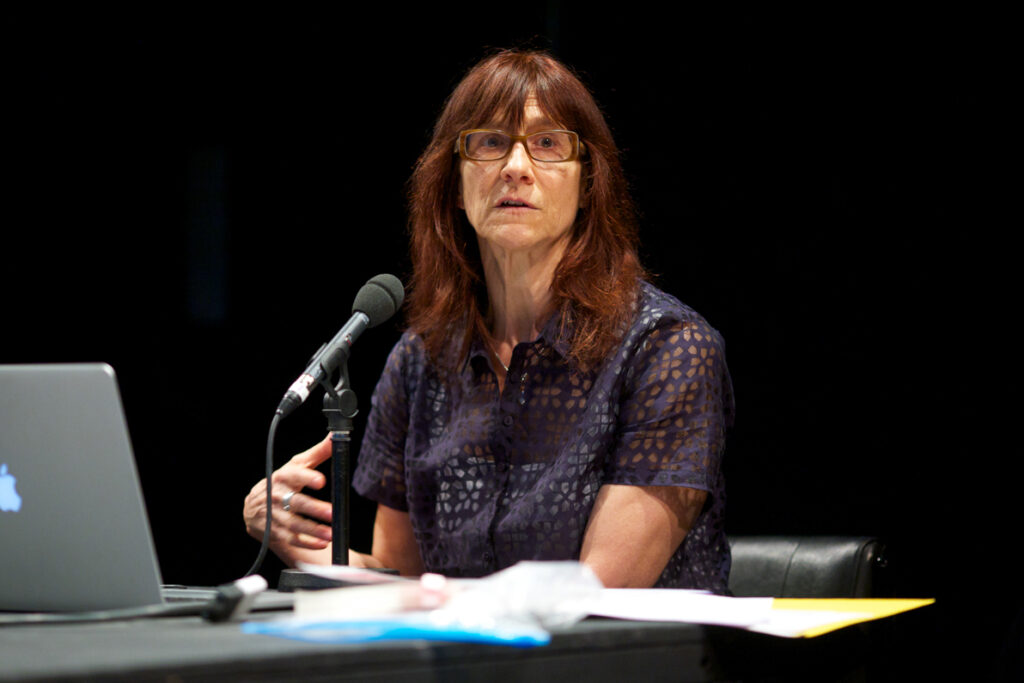
Vanessa Place talks at The Friday Event series at the Glasgow School of Art about her practice as a writer.
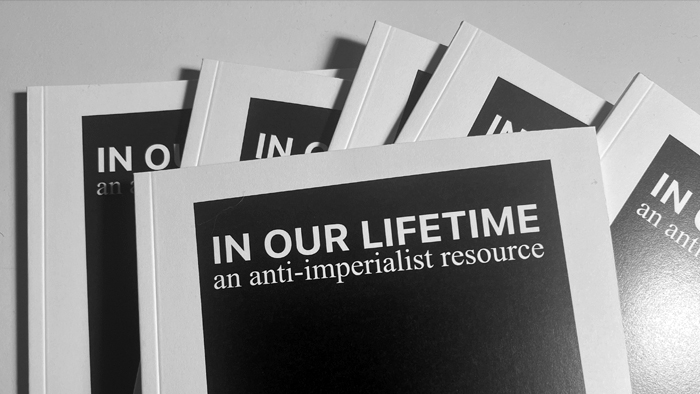
IN OUR LIFETIME, is an anti-imperialist resource, edited by Hussein Mitha, produced by Arika for Episode 11, featuring poetry, essays, questions, prompts, letters and works of anti-colonial imaginary.
Felix Hess is a unique crosser of the boundaries between science and art. He wrote his doctorial thesis on the aerodynamics of the boomerang
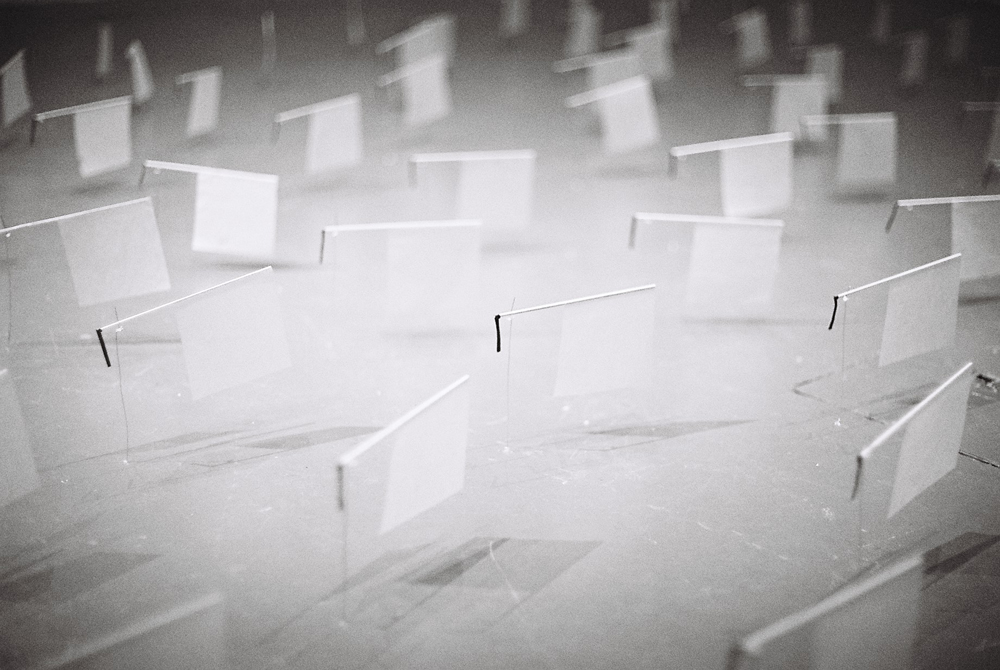
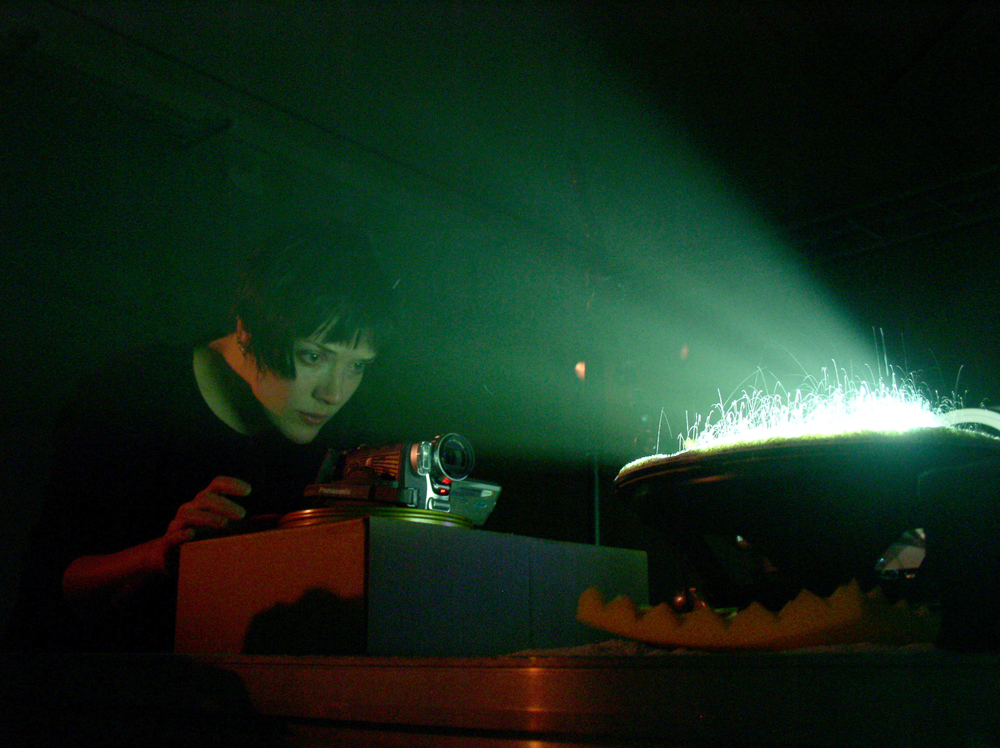
An original and beautifully simple performed installation forging a direct link between sound and image.
Dir. Nicolas Philibert
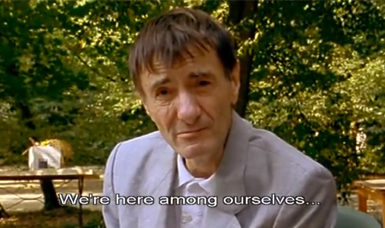
Documentary of La Borde clinic in France and its radical politics of experimentation, in which residents and staff reciprocate in a kind of entanglement, an opening up amongst themselves.
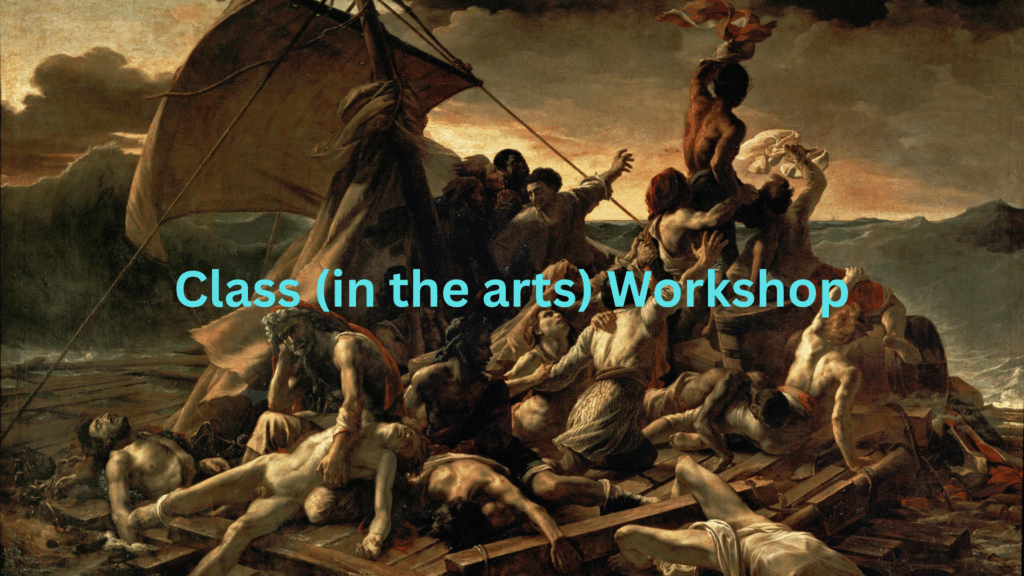
A 2-day workshop to deconstruct our classed experiences and the ways in which we reproduce the same class system we fight against, in order to create a stronger, more egalitarian Scottish art sector.