


16 May 2010
FACT
Craig Dworkin
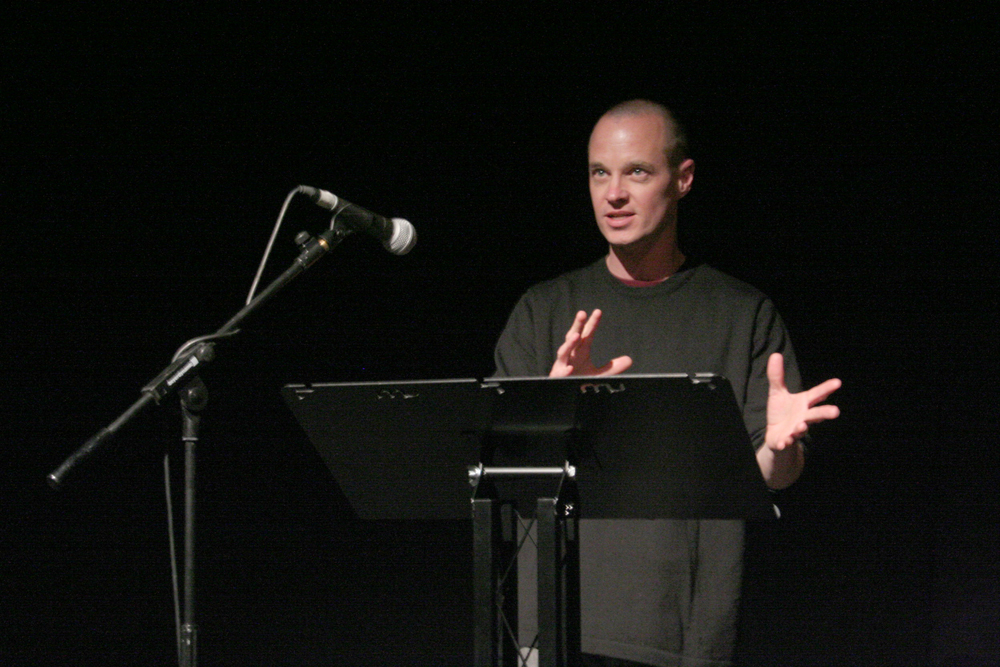
Dworkin asks: What would a non-expressive poetry look like? A poetry of intellect rather than emotion?
UNINSTAL
Arika have been creating events since 2001. The Archive is space to share the documentation of our work, over 600 events from the past 20 years. Browse the archive by event, artists and collections, explore using theme pairs, or use the index for a comprehensive overview.
Dworkin asks: What would a non-expressive poetry look like? A poetry of intellect rather than emotion?
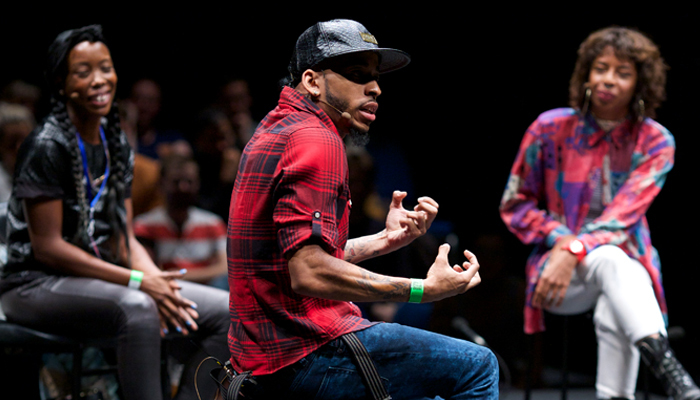
A freestyle performed conversation for bodies and voices – with the Queen of Krump, the master of Vogue Femme Dramatics and the rising star of Vogue Women’s Performance.
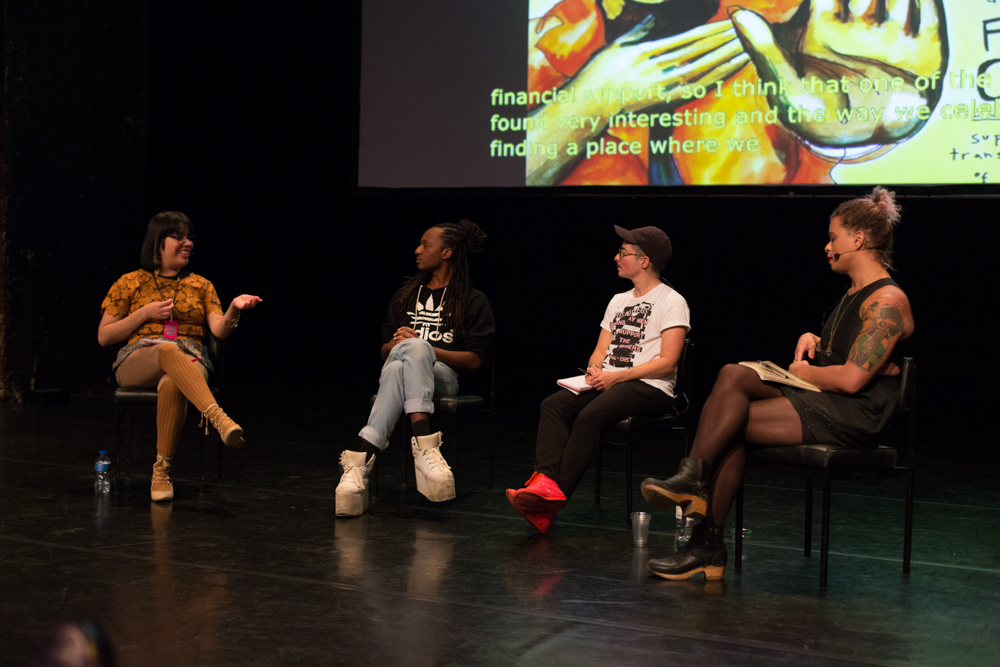
Is there a link between the ways we’re caged and exiled by the prison-industrial complex and the ways people’s bodies are violently categorised and segregated by race, class, gender or ability?
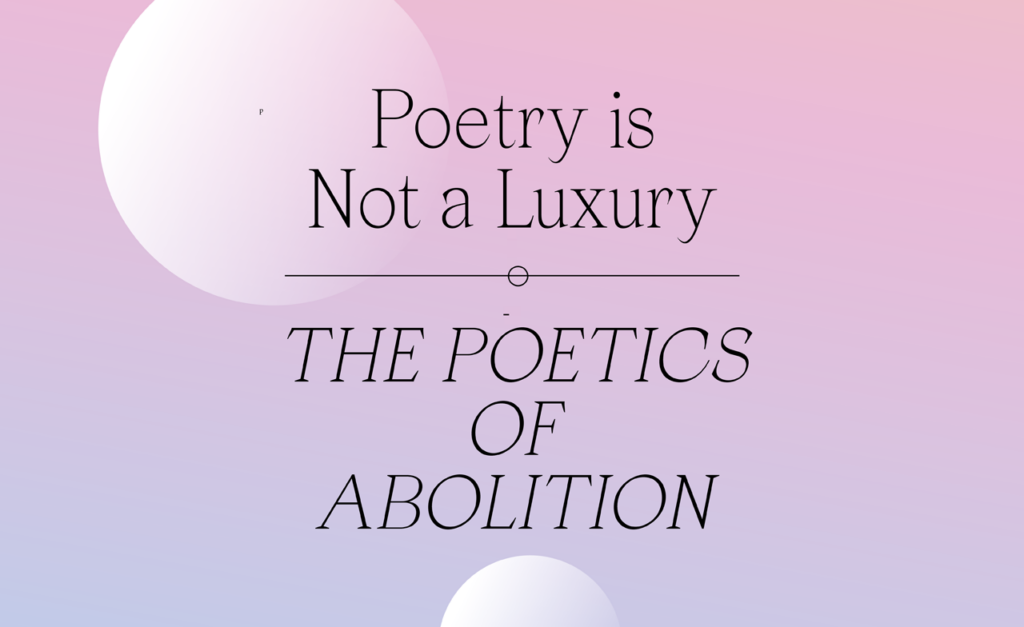
A panel exploring the poetics of abolition. “Poetry is not only dream and vision; it is the skeleton architecture of our lives. It lays the foundations for a future of change.”
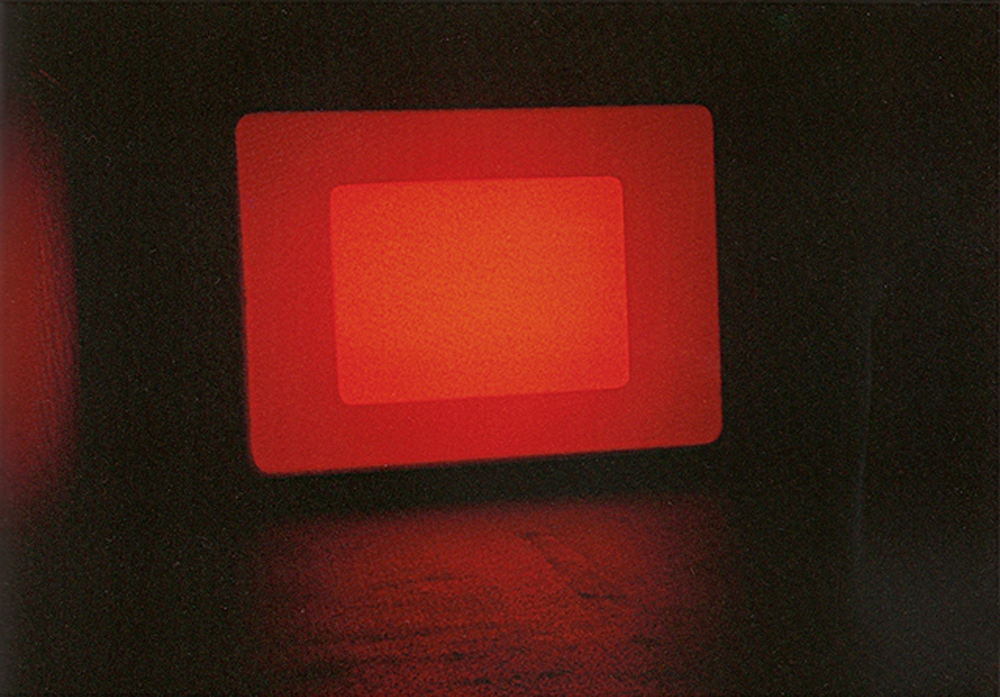
Paul Sharits is one of our all time heroes, and one of the great artist filmmakers of the 20th Century.
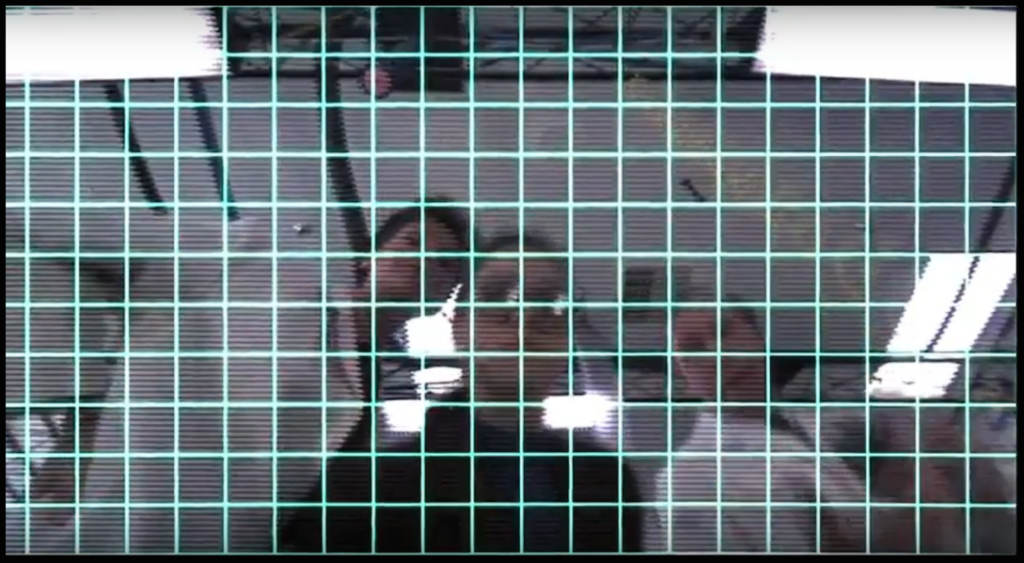
A prison abolitionist punk video-poetry-music mash up about our fucked-up dystopian society, RoboCop, kids toys and criminality.
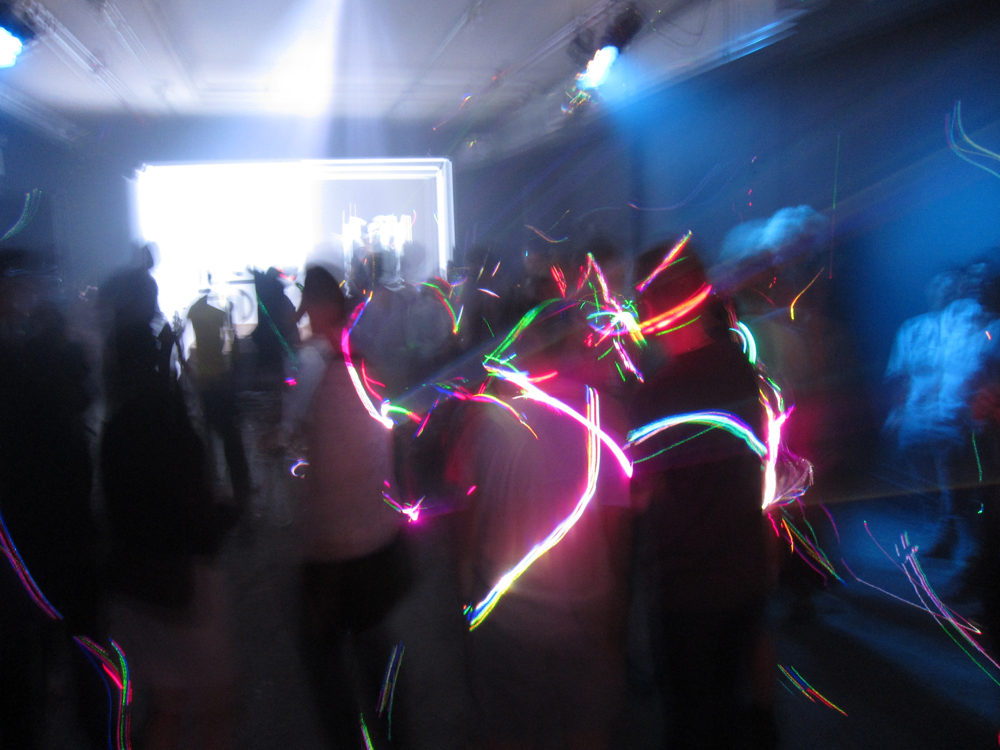
Three days of discussions, performances, actions, dancing and food – continuing No Total’s ongoing contemplation of ways of being together and the ways Arika have been entangled in those, ever since Episode 4.
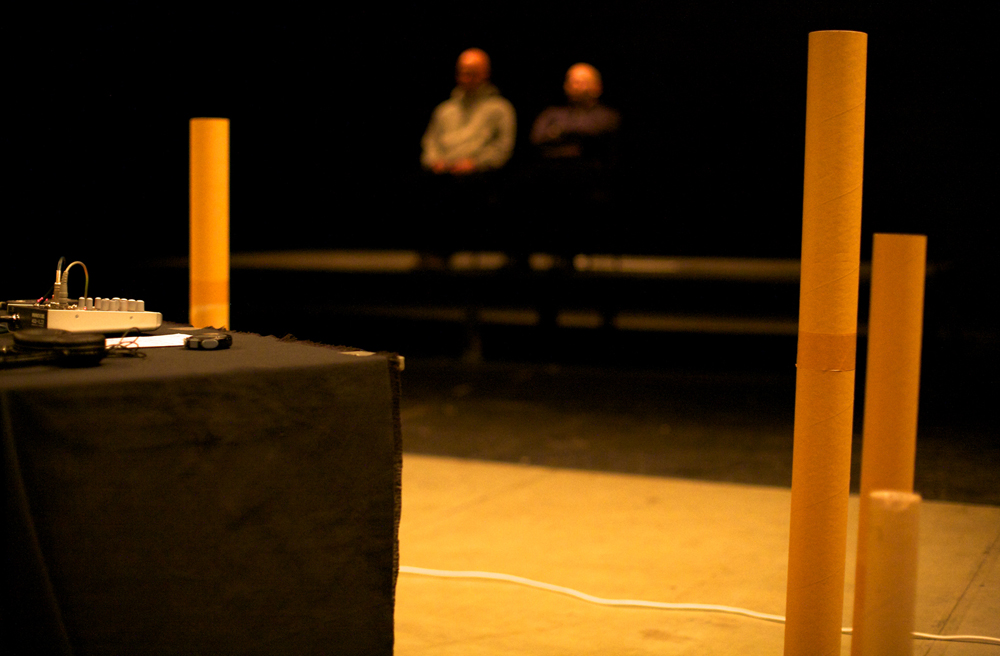
Intriguing, underground, Berlin based musicians interested in the borders between music and theatre, language, the visual arts, politics.
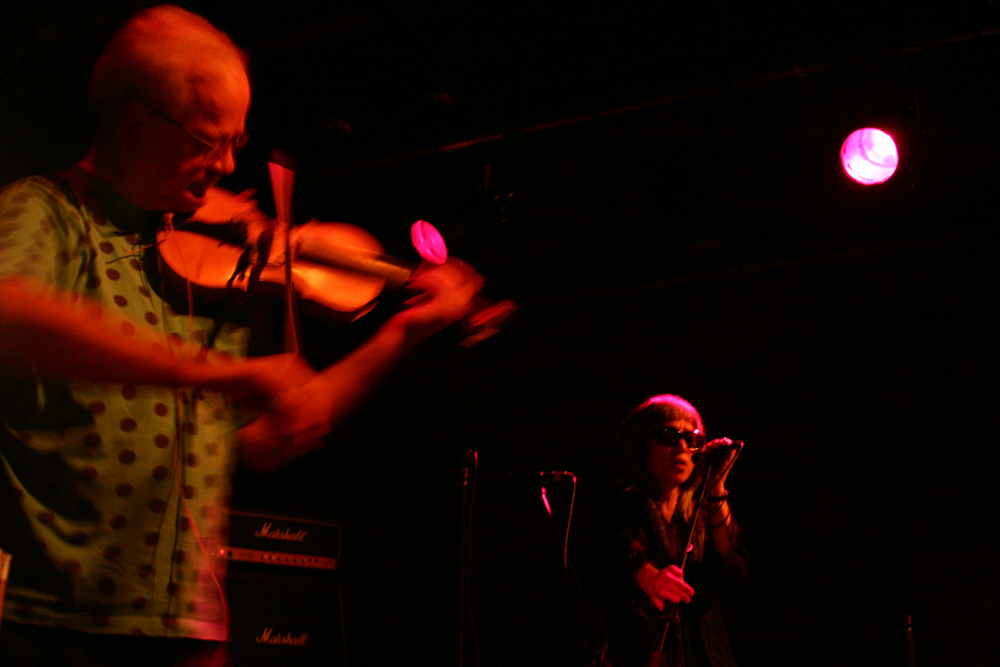
Although Tony had visited Haino in Japan, and they played together in private, this was the first time anyone other that Haino’s cat saw them perform together.
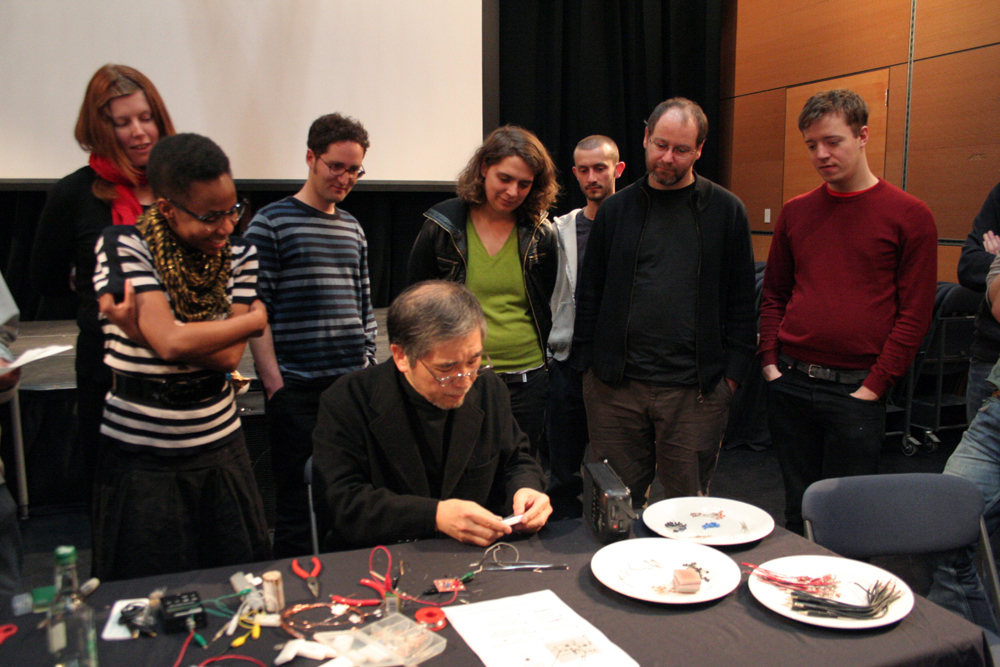
A simple hands on workshop with micro-radio theorist and pioneer Kogawa.
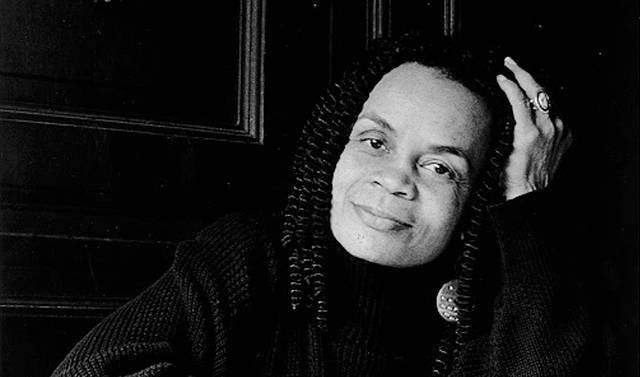
A poet, playwright and activist, Sanchez emerged as a seminal figure in the 1960s Black Arts Movement, writing in the name of black culture, civil rights and women’s liberation.
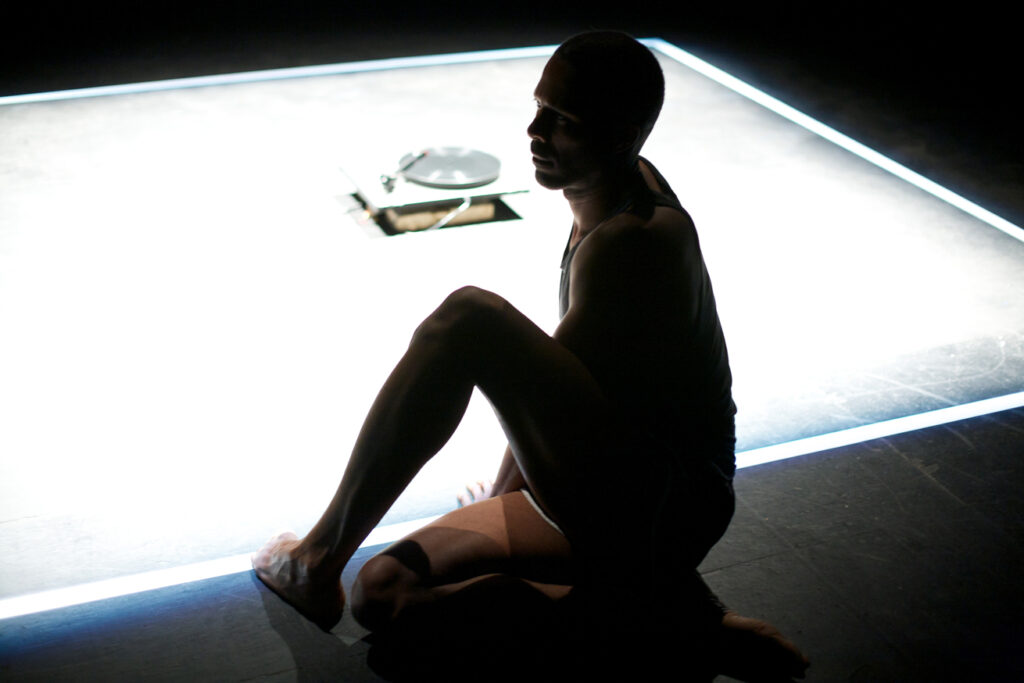
When we look, how do we objectify the body; how can we reflect on our (self) image as a construction?