Standing in the Flesh
Hortense J. Spillers
In rethinking the body, the law, the state, gender, race, violence, care and empathy, how we might give humanness a different future?
Arika have been creating events since 2001. The Archive is space to share the documentation of our work, over 600 events from the past 20 years. Browse the archive by event, artists and collections, explore using theme pairs, or use the index for a comprehensive overview.
In rethinking the body, the law, the state, gender, race, violence, care and empathy, how we might give humanness a different future?
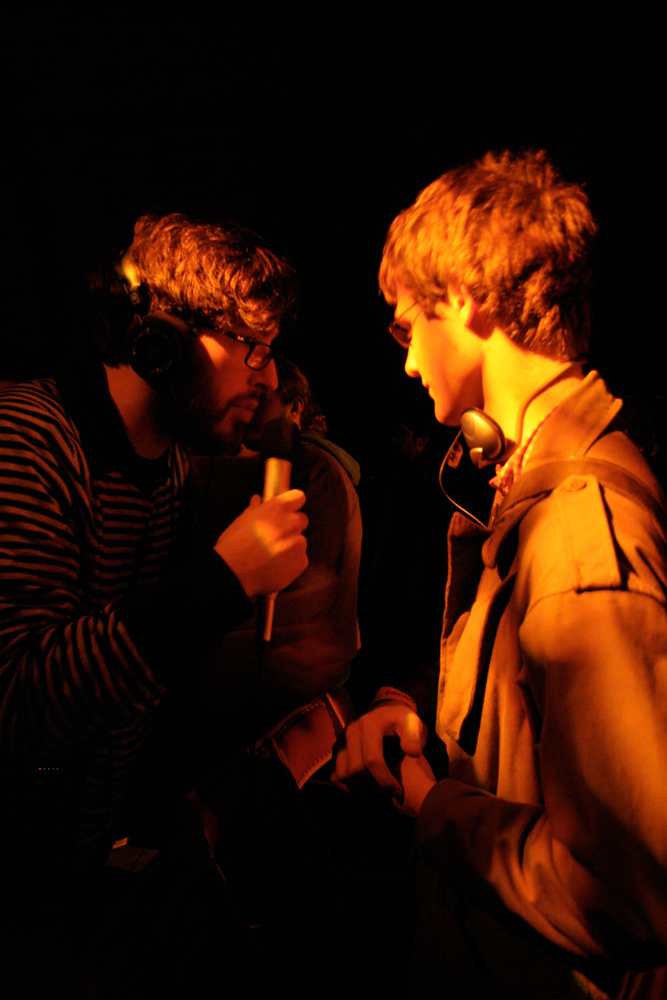
Jarrod Fowler creates a social space where layered one-to-one live encounters with the audience become sonic material.
Hartmut is going to talk a little about his work at large and the politics of how his films are constructed. And we’ll screen one of his best films: B-52.
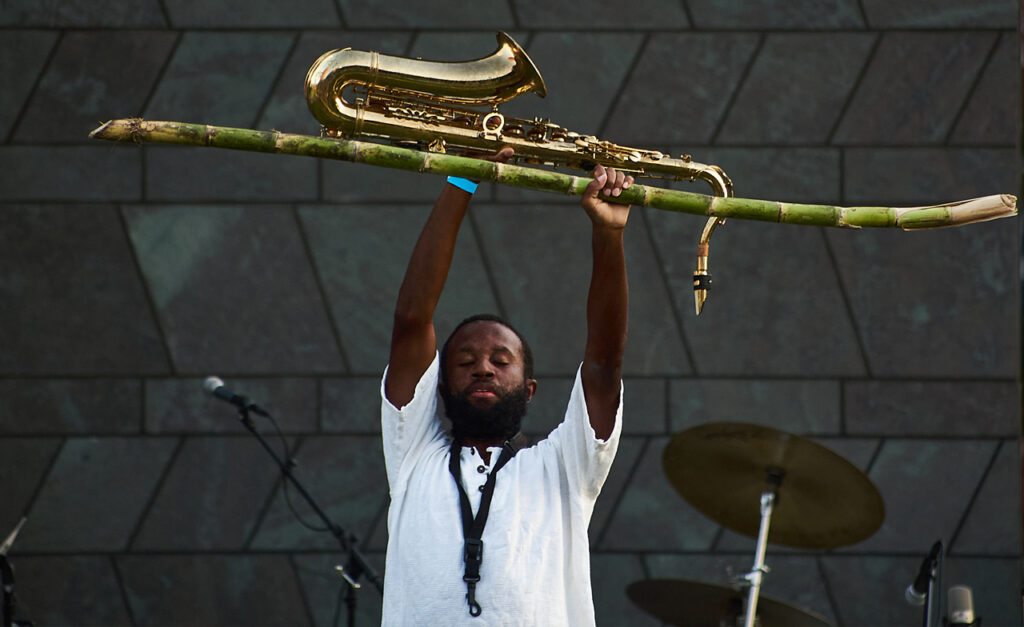
Ellis’s processional, precessional cessation and continuation of movement and music comes to us via his forthcoming release Aster of Ceremonies (Milkweed Editions, 2023)
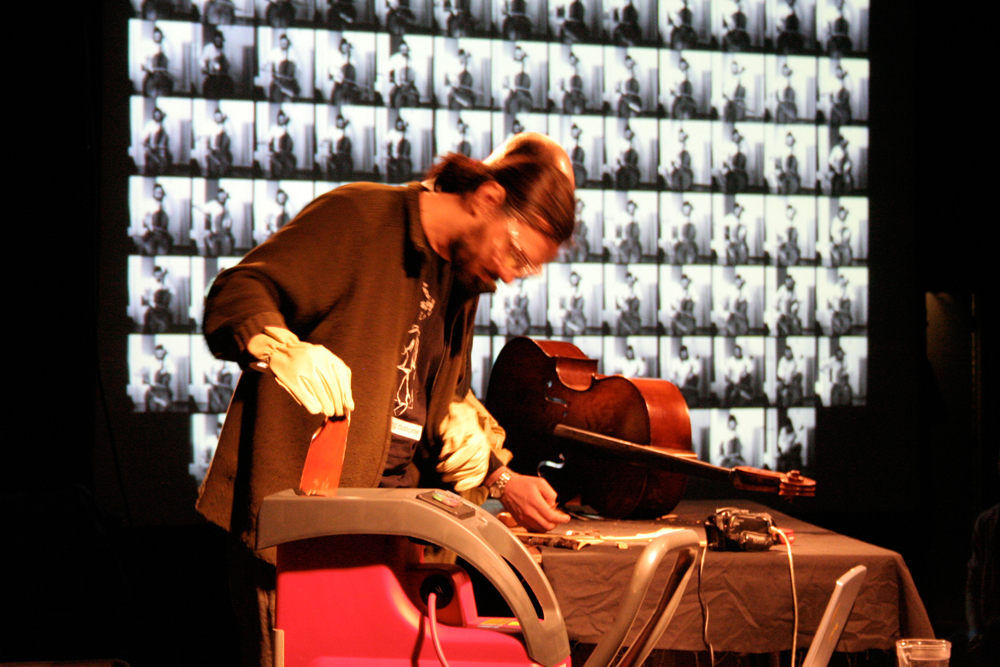
Nikos played every note that it’s possible to play on the cello, all played back as a one hour drone, while the cello was turned to powder and bottled.
As opposed to suggesting soundtrack’s to Brakhage’s works [which are almost entirely silent] Text of Light use his works to stimulate improvisation, enveloping them into the structure of the group much like an additional musician.
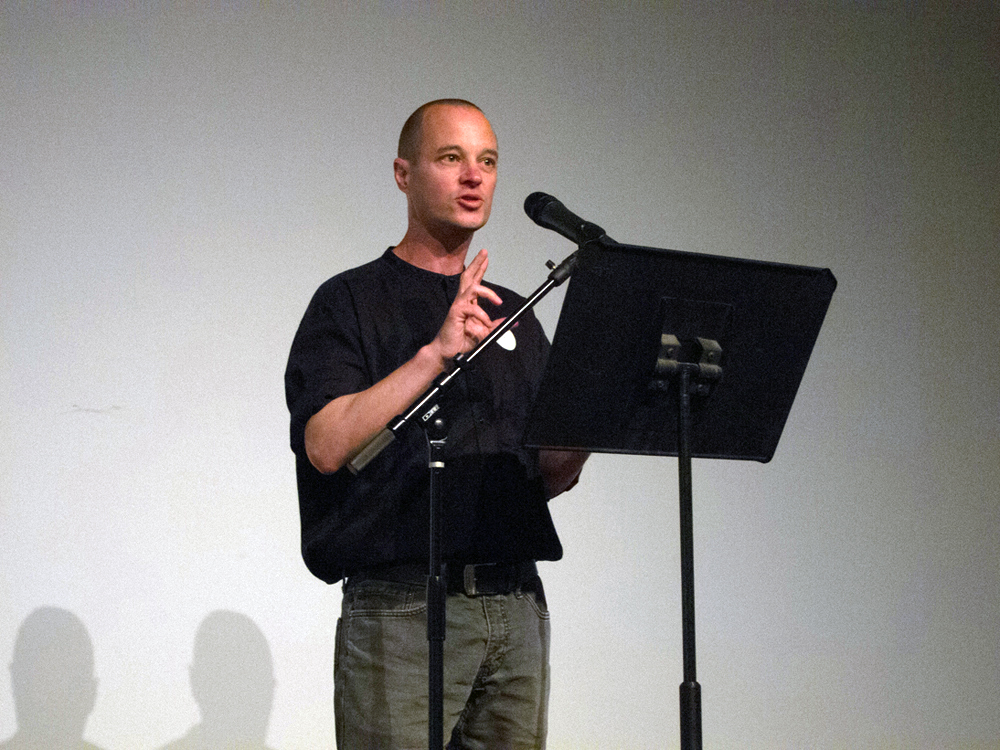
Craig will give a guided reading of his handbook of exemplary instances of literary listening and will be joined by one of the selected authors, Vanessa Place.
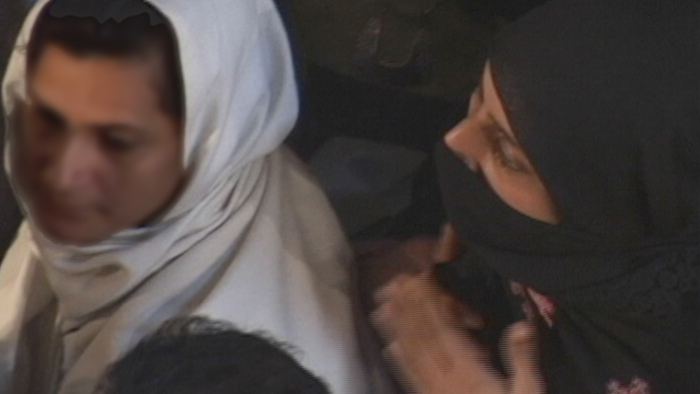
A workshop inviting participants to enact a series of scores that explore witnessing, testimony, grief and mourning, facilitated by Mezna and Sadia, and accompanied by Sakina Ali.
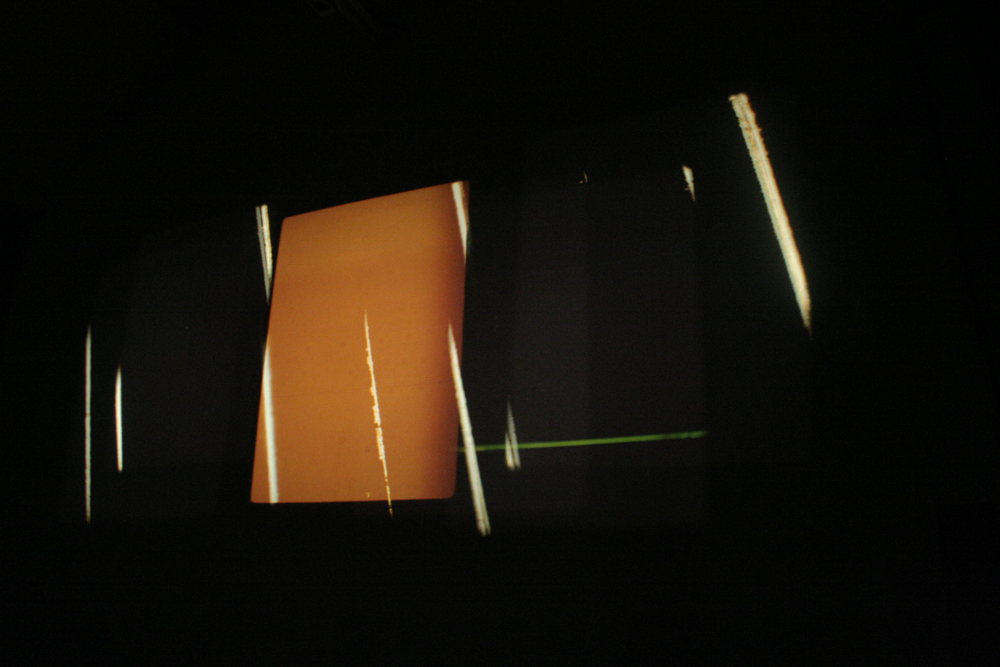
Noise music for the eyes. A 6 screen 16mm projection performance of intense audio and visual stimulus.
A Study Session focused on the thinking of Ailton Krenak – one of the great leaders of the Brazilian indigenous movement – led by curators and artists Amilcar Packer Arissana Pataxó.
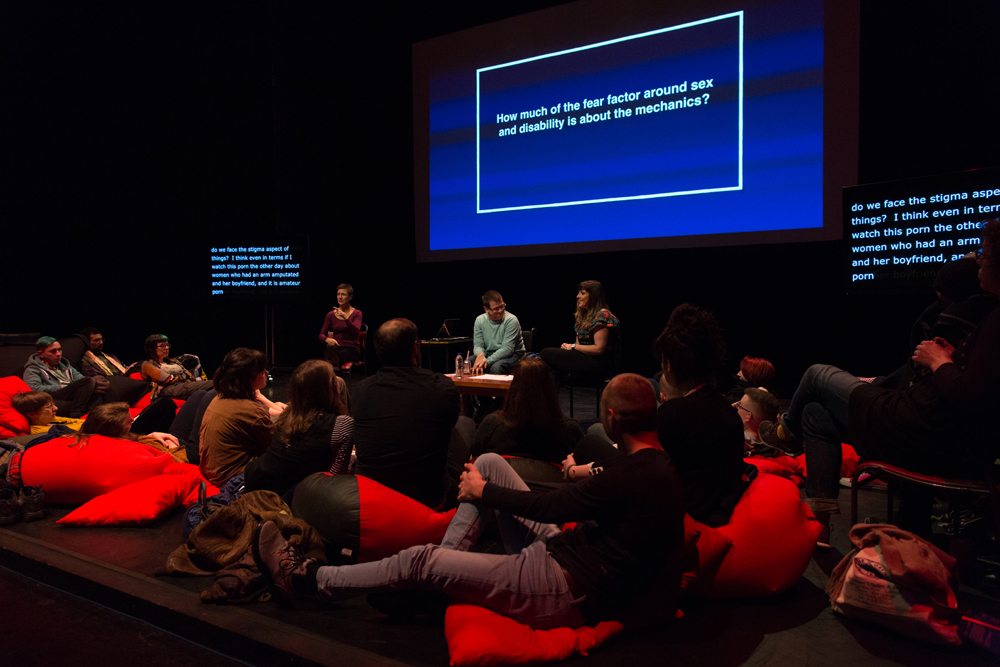
How do people living with disability see themselves in today’s sexualised culture? How do we imagine our crip sexual selves despite society wanting to reduce us to non-erotic bodies?
How can we imagine bodies not as an end in themselves, but as a medium through which we can become one another’s means?