Not Going Back to Normal
Arika is proud to be one of several arts organisations in Scotland supporting the commissioning of a radical new manifesto, by and for disabled artists working in Scotland.
Arika have been creating events since 2001. The Archive is space to share the documentation of our work, over 600 events from the past 20 years. Browse the archive by event, artists and collections, explore using theme pairs, or use the index for a comprehensive overview.
Arika is proud to be one of several arts organisations in Scotland supporting the commissioning of a radical new manifesto, by and for disabled artists working in Scotland.
The struggle for sex workers’ rights and how we can understand it in the continuum of care work and other forms of invisibilised and precarious work.
The second in a series of workshops for workers and non-workers who care. What does the sharing of vulnerability entail? Can such a sharing inform progressive social relations?
A black hole of dense heaviosity, full of slow motion riffage, tectonic pummel and massive planet destroying rock.
Our favourite Lancashire-born autodictact asks what’s political about the tension between the individual and the collective in free jazz.
Underground movement legend boychild hosts this workshop—on improvisation, cosmetics, movement and lip-sync.
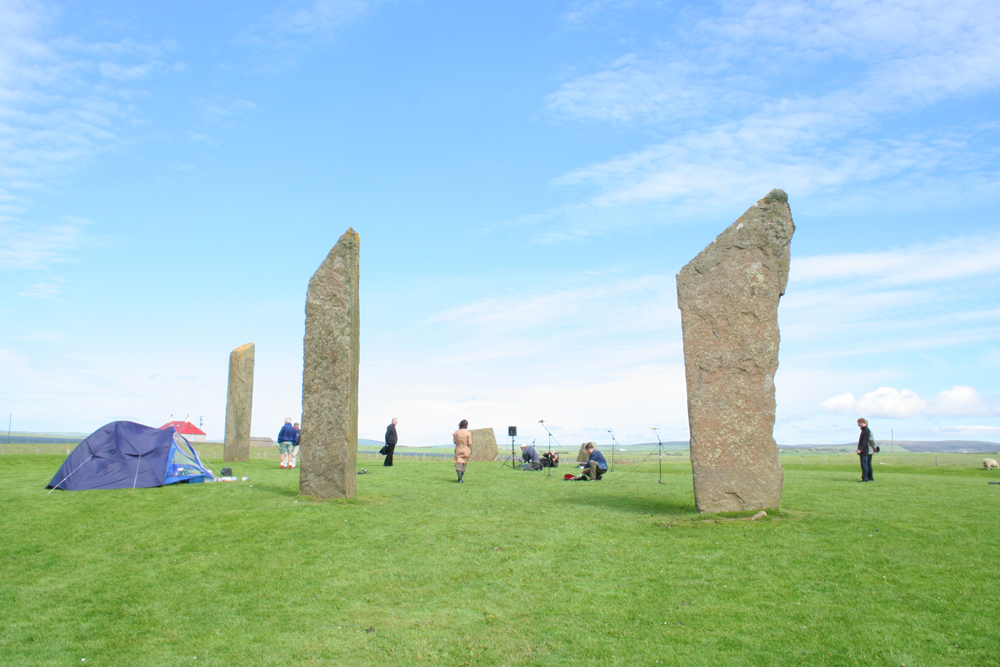
Temporary Outpost for an Auditory Gesture is a kind of performed installation that explores how sonic phenomena (like feedback, vibration, resonance, echo, rhythm) condition our experience.
How does this practice, that simultaneously resists and honours the distinctions between these genres, materials and senses, determine the inhabitation of another: a convergence of aesthetic and social experimentation?
What kind of listening and acknowledging do we offer each other? What is it to listen to an ‘elsewhere’, and do we ever do anything else when we listen to music?
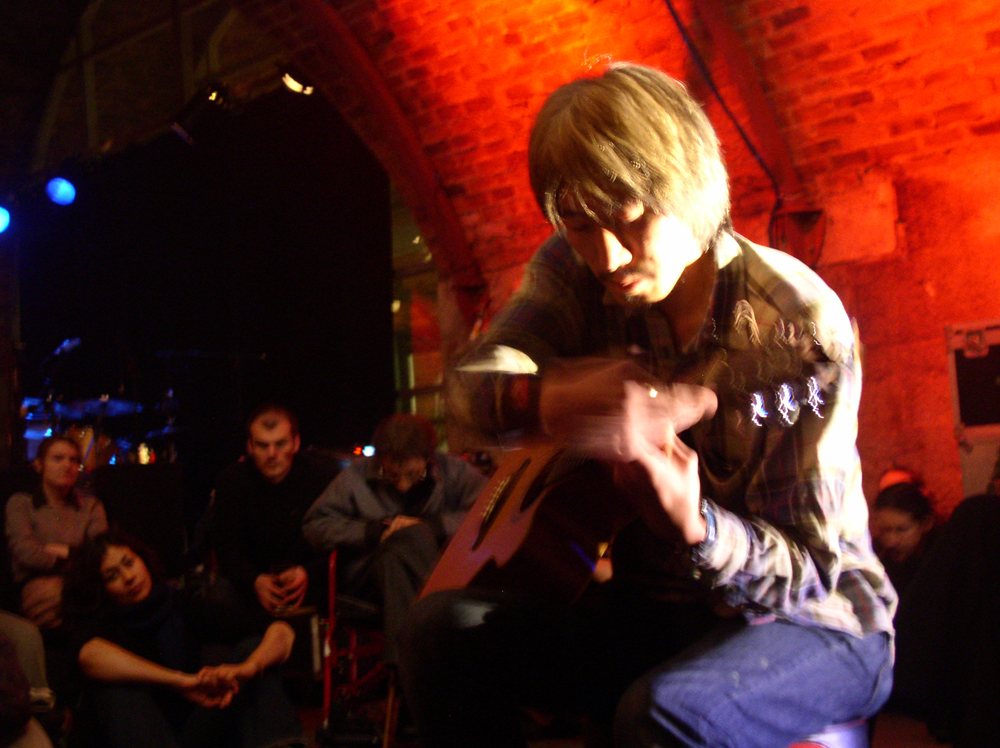
West Coast drone-age guitar grumbler/ consumer electronic reclaimer meets free-thinking clang/ chime/ drone bluesman of The East.
Individual experience separated by physical boundaries (of space, time or ability) suggested as communities of collective experience by (perhaps voyeuristic) artists.
Discussion with David Keenan: an author, critic and musician based in Glasgow, Scotland. He is best known for the reviews and features he has contributed to The Wire.