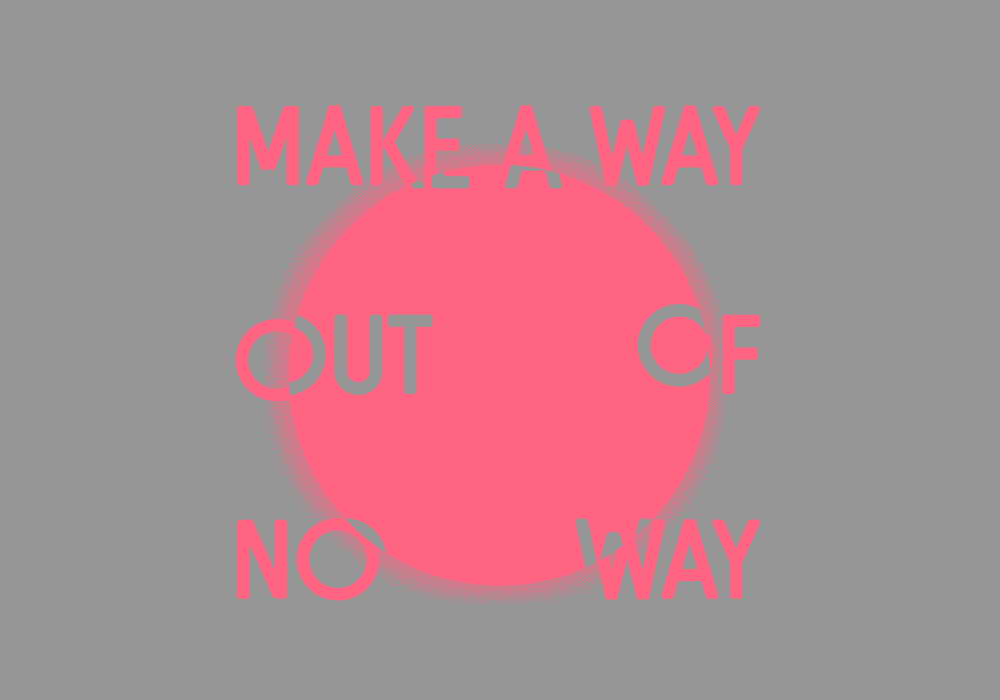
Episode 6: Make a Way Out of No Way
A 3-day exploration – through performance, screenings and discussion – of the art and politics of wayward communities who refuse to be bound by the fictions of race and sex.
Arika have been creating events since 2001. The Archive is space to share the documentation of our work, over 600 events from the past 20 years. Browse the archive by event, artists and collections, explore using theme pairs, or use the index for a comprehensive overview.
A 3-day exploration – through performance, screenings and discussion – of the art and politics of wayward communities who refuse to be bound by the fictions of race and sex.
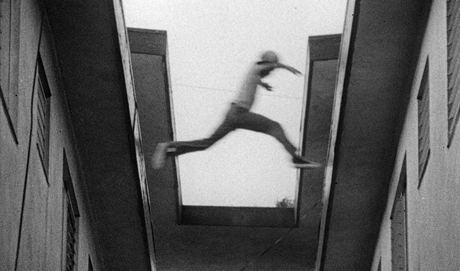
Killer of Sheep is an undisputed masterpiece of African-American filmmaking and one of the most poetic, perceptive dramas ever made about family and community.
A talk entitled ‘The Conquest of the Universe’: which delves into the connections between the underground filmmakers and musicians in New York in the early 1960s
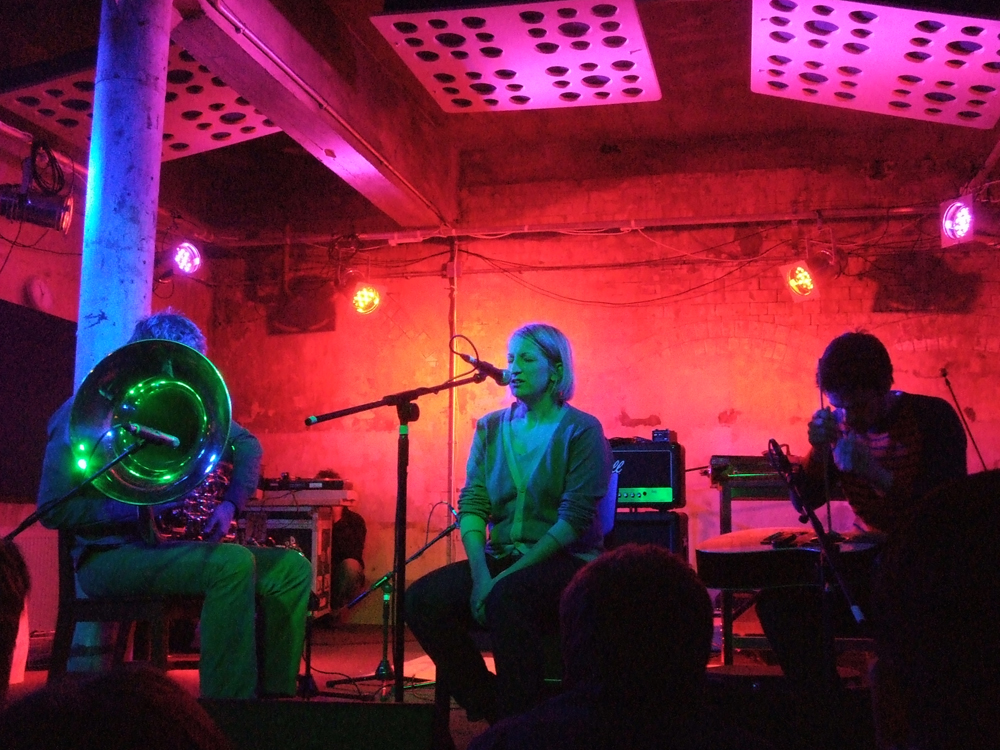
Sparse and miniature free thought workouts involving guitar, vocals and tuba.
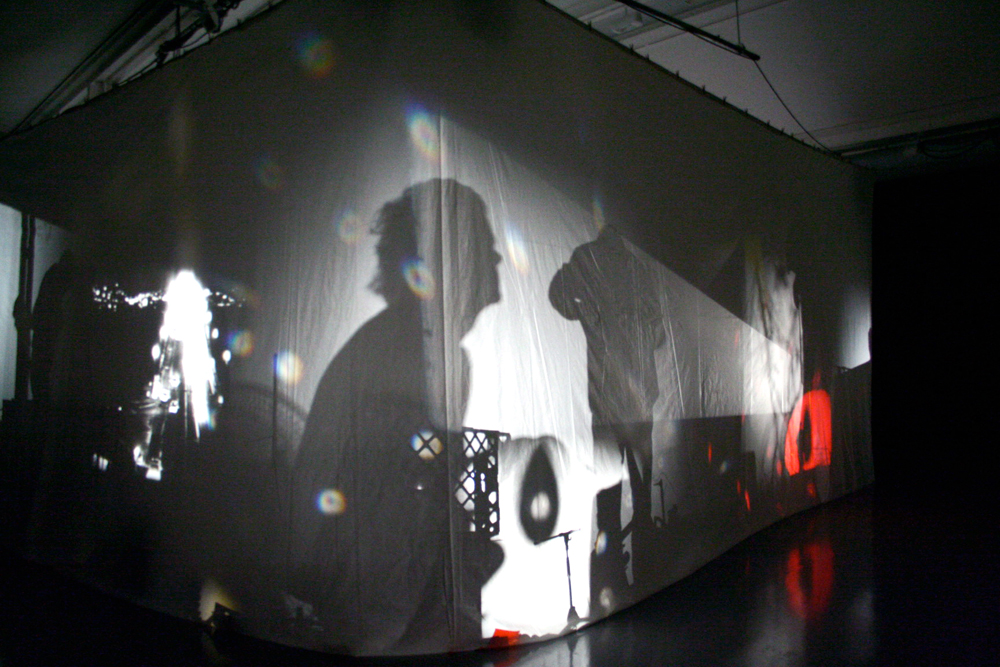
The Cube is a 6 hour performed installation in which sound and image are treated as independent but equal, where musicians and filmmakers sit alongside each other, improvise to and feed off both projected image and amplified and acoustic sound.
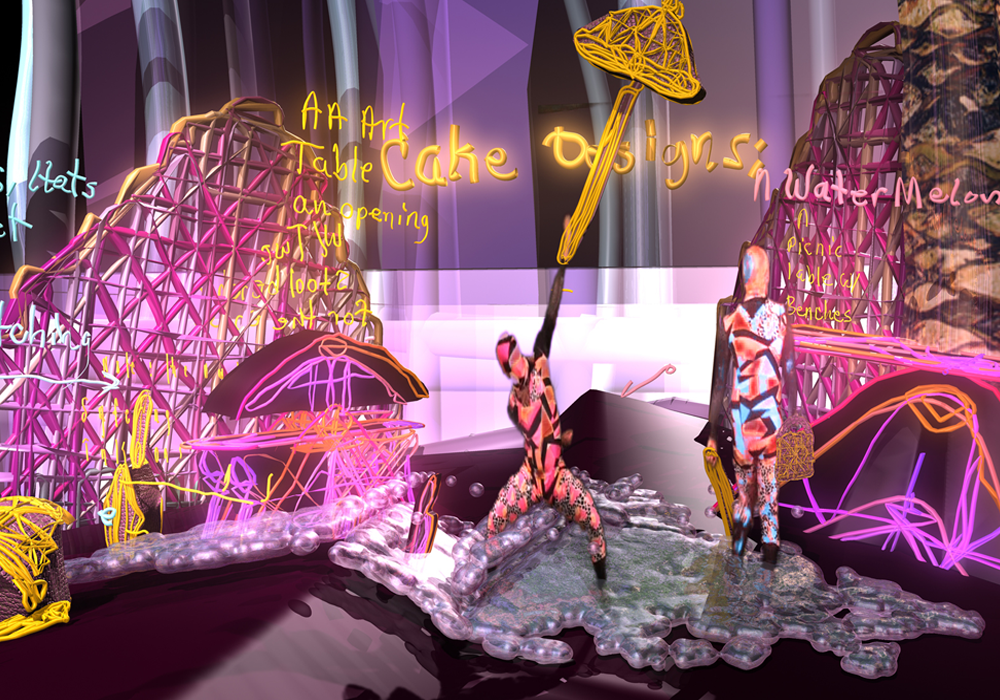
Emotional fantasies, towers of cakes, identity troubles, collapsed distance and time and Samuel R. Delany’s rarely seen 1971 film The Orchid.
A welcoming intermission between events, open to the public.
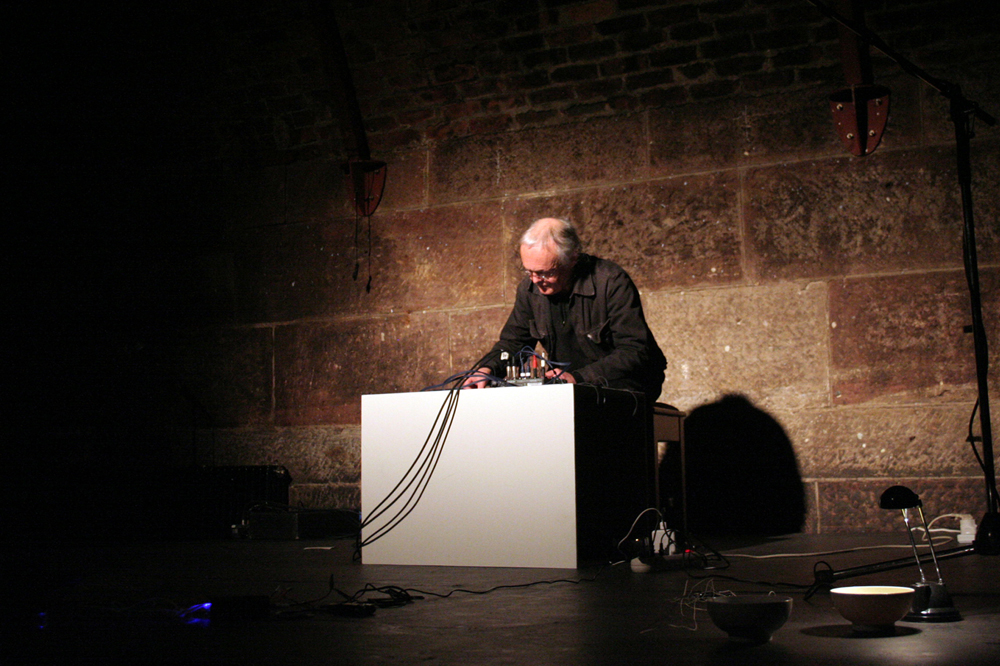
Julius’ “small music” features simple snatches of found sound, played back through small speakers, often set in bowls of pigment and dirt which shimmies in the vibrations.
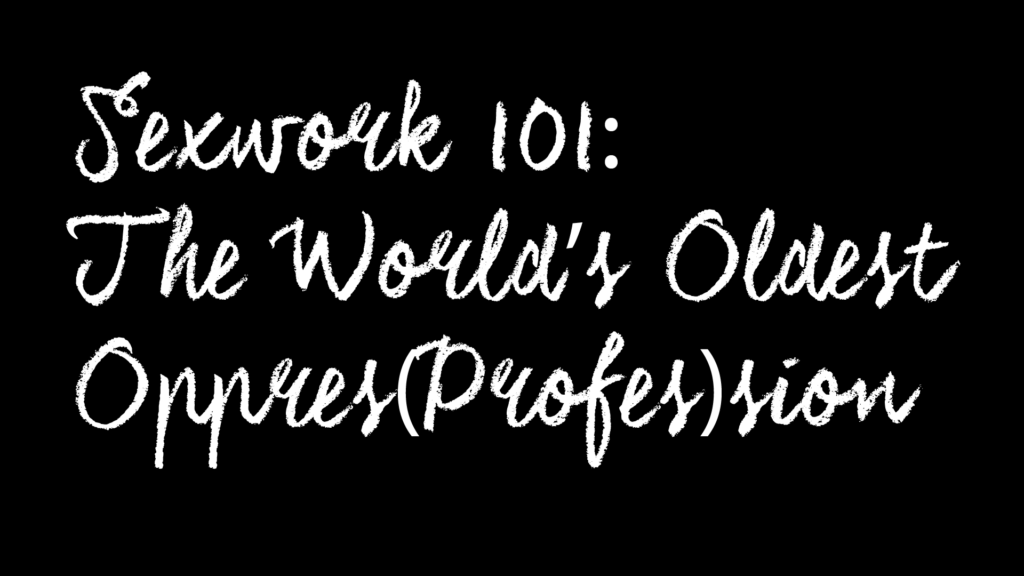
A 101 panel on sex work in Scotland, hosted by National Ugly Mugs, Sex Workers Union, Scotland for Decrim (Decrim Now) host
Greek TV company Onos Productions came to INSTAL 09 to document the festival and report on Nikos Veliotis’ Cello Powder performance.
One of the great experimental films. A 60 minute, three part riddle that maybe approximates our intellectual development by moving from imageless words to the recognition of silent images and the learning of simple tasks and finally a serenity and acceptance of death.
Nothing if not repetitive, film is founded on the incremental succession of minute difference. But how does repetition of the same play out, and is it a tool to comment on the standardising repetition of the mass media?