Ode to 1 & under
Constantina Zavitsanos Park McArthur
How can we imagine bodies not as an end in themselves, but as a medium through which we can become one another’s means?
Arika have been creating events since 2001. The Archive is space to share the documentation of our work, over 600 events from the past 20 years. Browse the archive by event, artists and collections, explore using theme pairs, or use the index for a comprehensive overview.
How can we imagine bodies not as an end in themselves, but as a medium through which we can become one another’s means?
For day four of Ultra-red’s project, the investigation will take up protocols for listening to the sound of freedom composed and facilitated by Fred Moten.
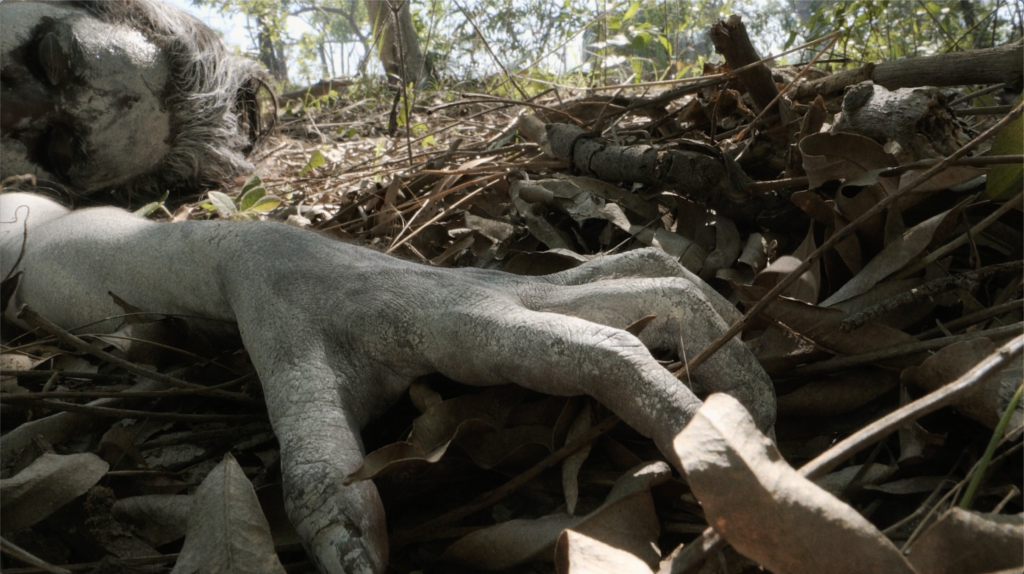
Watching films and chatting with Karrabing members about those films: as they attend to the memory and practice of the ancestral present and the ancestral catastrophe that Karrabing and their more-than-human world find themselves facing.
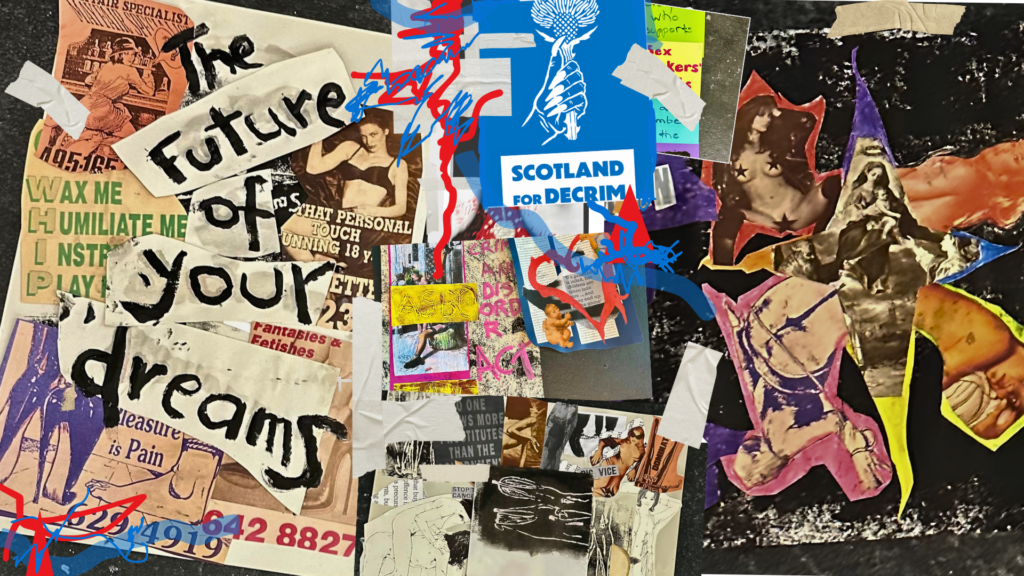
Sex worker only Collective Art Workshop led by the Hard Labour project from Scotland for Decrim.
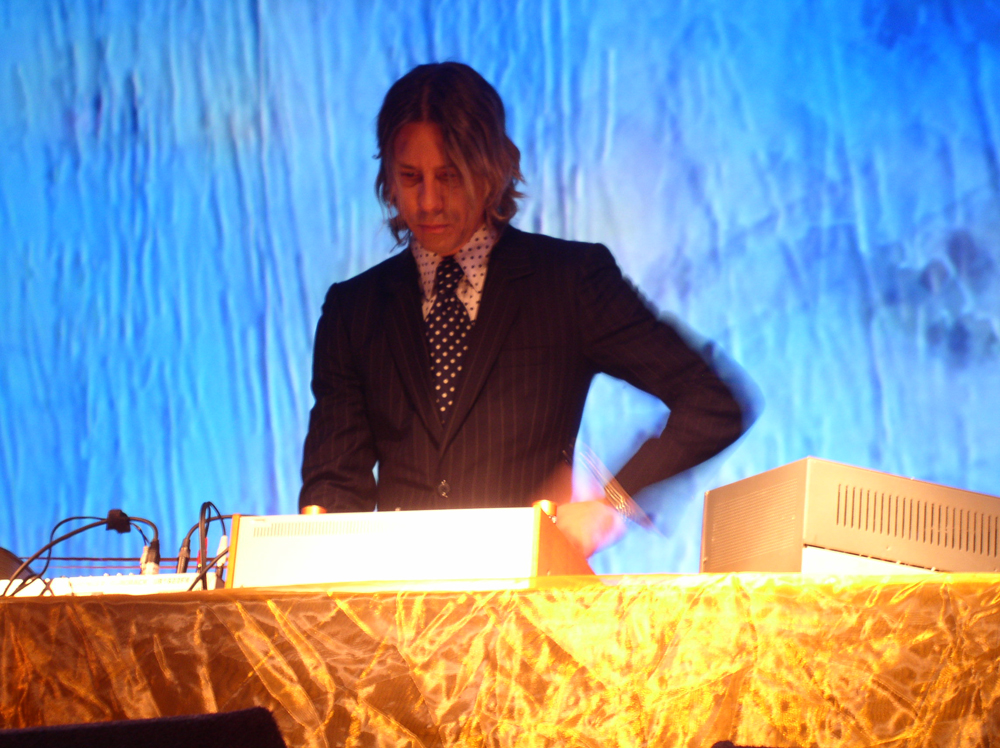
Improvising using nothing so much as the passage of time as his instrument, Basinski creates works of great melancholic depth and fragile beauty.
Avant-wrongdoers Blood Stereo performing in Garthamlock the town spawned them.
The ongoing development of [b]reach, an abolitionist black queer retelling of Marge Piercy’s incredible feminist utopian novel Woman on the Edge of Time.
Taking The Futurist Cinema’ manifesto and turning it into software to track ‘aluminium’ online, tracing relationships companies with interests in aluminum had to each other and other agencies.
Dundee. Progressive rhythmical guitar squall vs. post-highland discorporate dusk-jockey.
The final iteration of Arika’s INSTAL festivals, the 2010 edition was an experimental festival of experimental music – 3 days of events at the Tramway that explored un-average ideas about sound and music.
Criminal Queers visualises a radical trans/queer struggle against the prison industrial complex, working to abolish the multiple ways our hearts, genders, and desires are confined.
A conversation between Philip and Moten: how do we read NourbeSe’s anti-narrative poetic lament in Glasgow today, given the city’s role in the history of slavery?