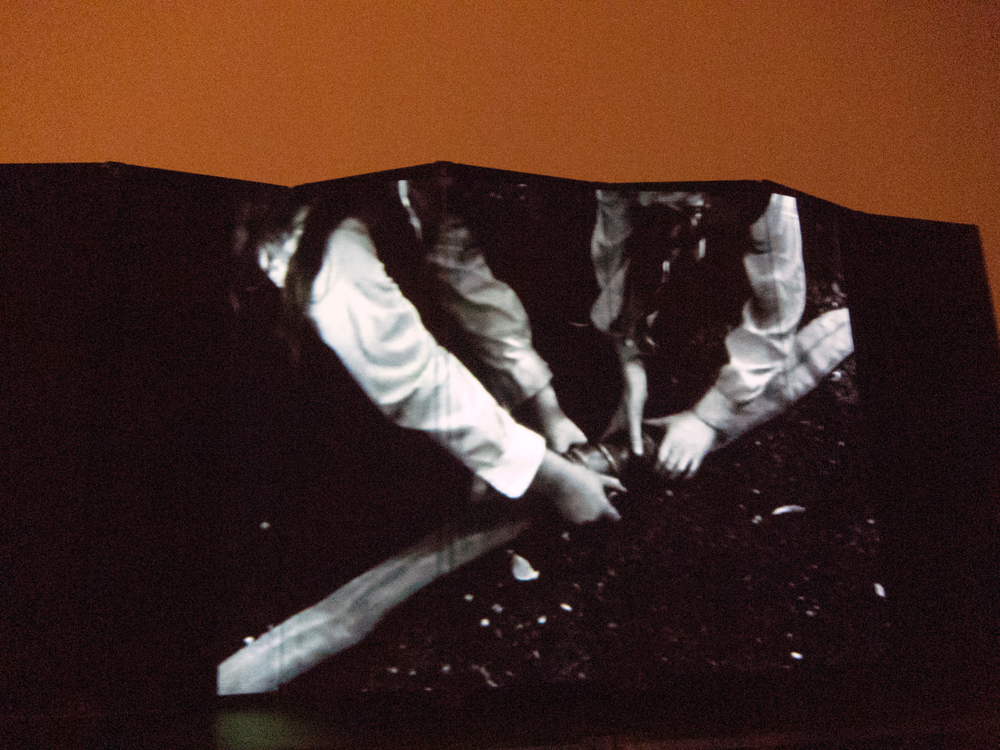
Shutter Interface
Paul Sharits
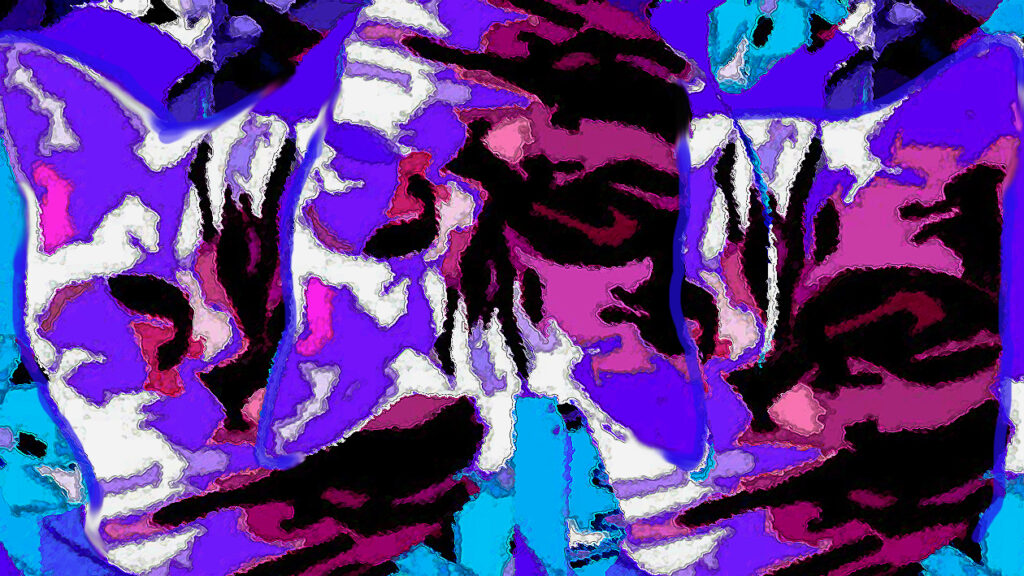
Paul Sharits’ Shutter Interface is a multi screen installation born of an intent to reveal the material substance of cinema in its purest form: spatially.
Arika have been creating events since 2001. The Archive is space to share the documentation of our work, over 600 events from the past 20 years. Browse the archive by event, artists and collections, explore using theme pairs, or use the index for a comprehensive overview.
Paul Sharits’ Shutter Interface is a multi screen installation born of an intent to reveal the material substance of cinema in its purest form: spatially.
What is the radical concept at the core of ‘rhythm’, expanded from simply musical or mathematical notions to encompass personal, social, collective rhythms?
Sachiko’s very simple, pure sine tones and structures. Otomo on double pianos. Filament’s music isn’t composed and it isn’t improvised: it’s a hybrid of the two.
A landmark film on black life – a poetic filmic constellation of meditations, fragments and interviews on what it means to be black in America in the 21st century, from one of its great cinematographers.
Dead Labour Process drool-tape farmer, squeaking/creaking Usurper brother and Peeesseye’s yodelling traps-man hold a real OUT splutter party.
In the Foyer at the Tramway we will screen a documentary from the Sex Workers’ Festival of Resistance 2017 and La Llamada by Eduardo Restrepo Castaño.
To Rococo Rot member Robert Lippok performing for the first time in the UK with his solo project.
A silent performance of (musical) reverberation.
Joan La Barbara presents works exploring the colour spectrum of a single pitch resonating in her skull, an evocation of bird song and circular singing.
Perhaps the paradigm of America’s covert musical subculture, Sun City Girls operate just over the border of raucous delirium.
4 days of workshops, discussions and artists presentations exploring the radical act of caring for each other while working to change the world.
Final workshop exploring work, care and class. Does the ‘care industry’ summon forth its own class? Can this ‘affective class’, in their ability to care for others, militate against the carelessness of self-interest?