Music for a Long Time
Rolf Julius
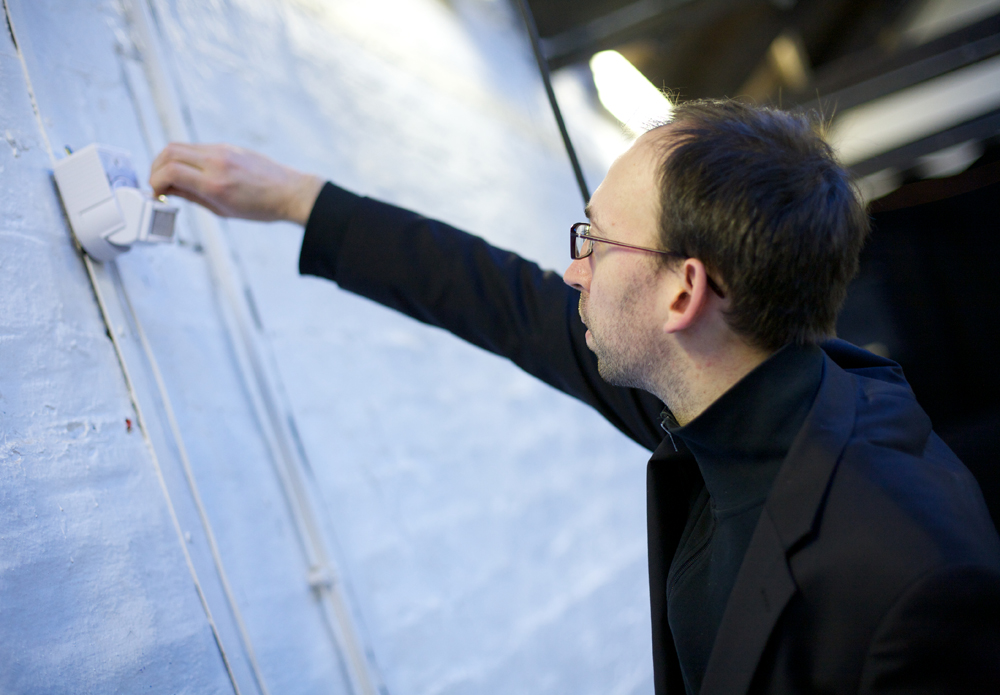
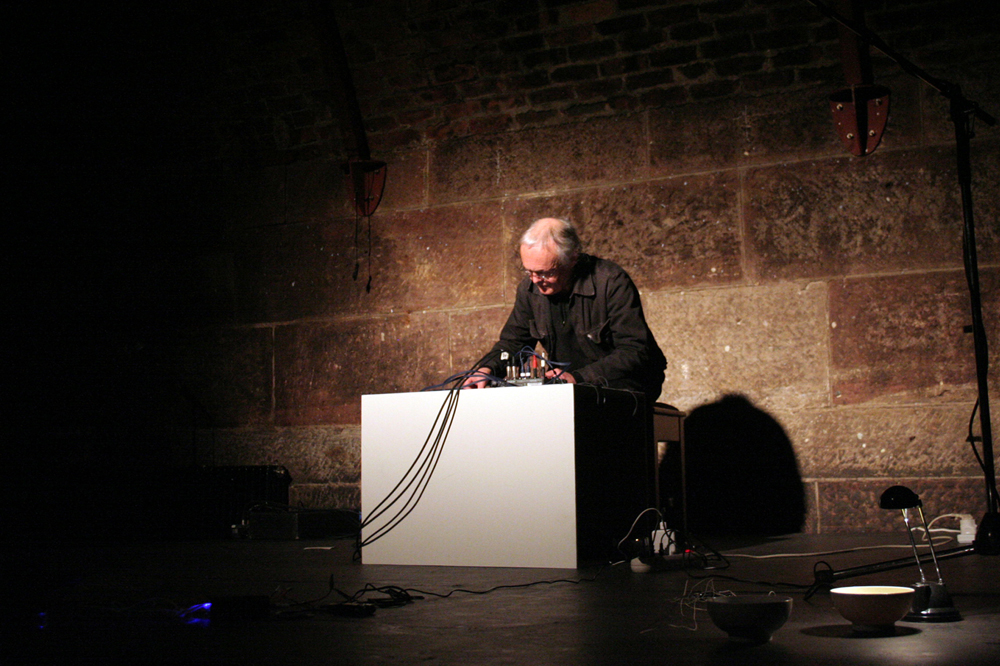
Julius’ “small music” features simple snatches of found sound, played back through small speakers, often set in bowls of pigment and dirt which shimmies in the vibrations.
Arika have been creating events since 2001. The Archive is space to share the documentation of our work, over 600 events from the past 20 years. Browse the archive by event, artists and collections, explore using theme pairs, or use the index for a comprehensive overview.
Julius’ “small music” features simple snatches of found sound, played back through small speakers, often set in bowls of pigment and dirt which shimmies in the vibrations.
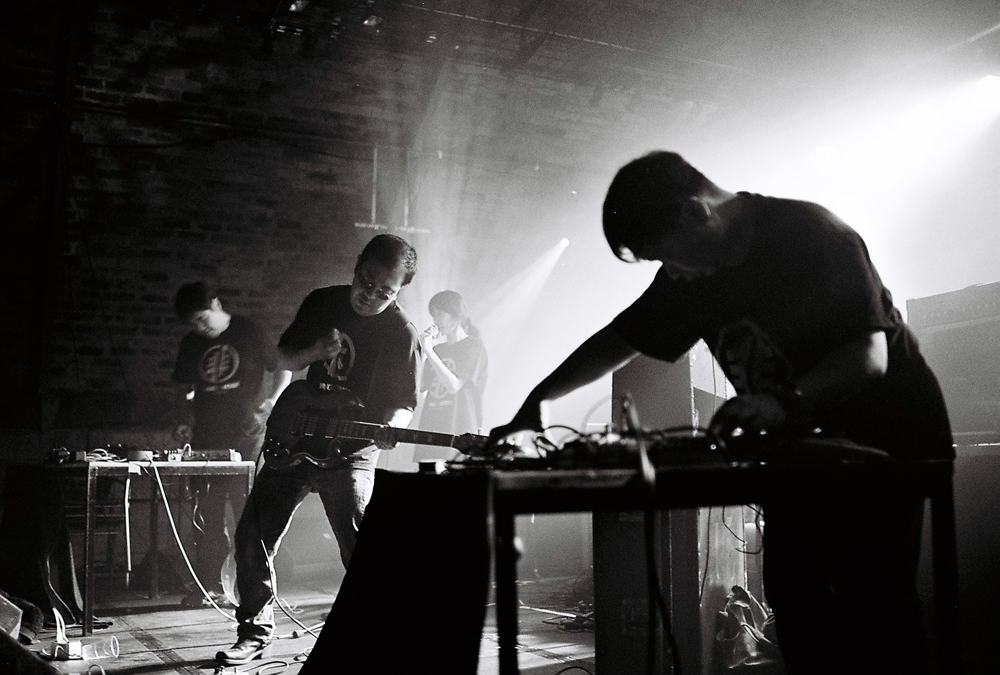
Hijokaidan rapidly built a following due to the overwhelmingly physical intensity of their live performances, often involving destructive onstage rituals of vomit, urine, mangled guitars and ear shredding volume.
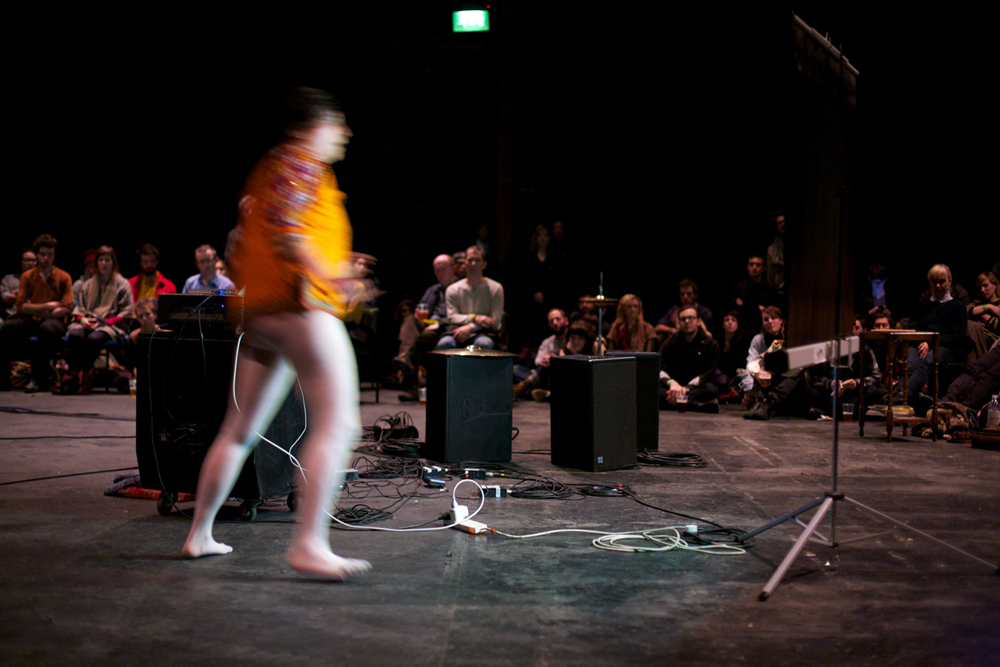
A kind of performed installation of searing noise and silence, where we’re not sure who the performer is, when it starts or ends or even who it’s for.
Music is full of refracted brass and wind tones, distorted tape loops, dead silent air and the occasional piercing shard of sound.
All ticket income goes directly to We Will Rise – a group of migrants, refugees, asylum seekers and their allies who have come together to End Immigration Detention in the UK.
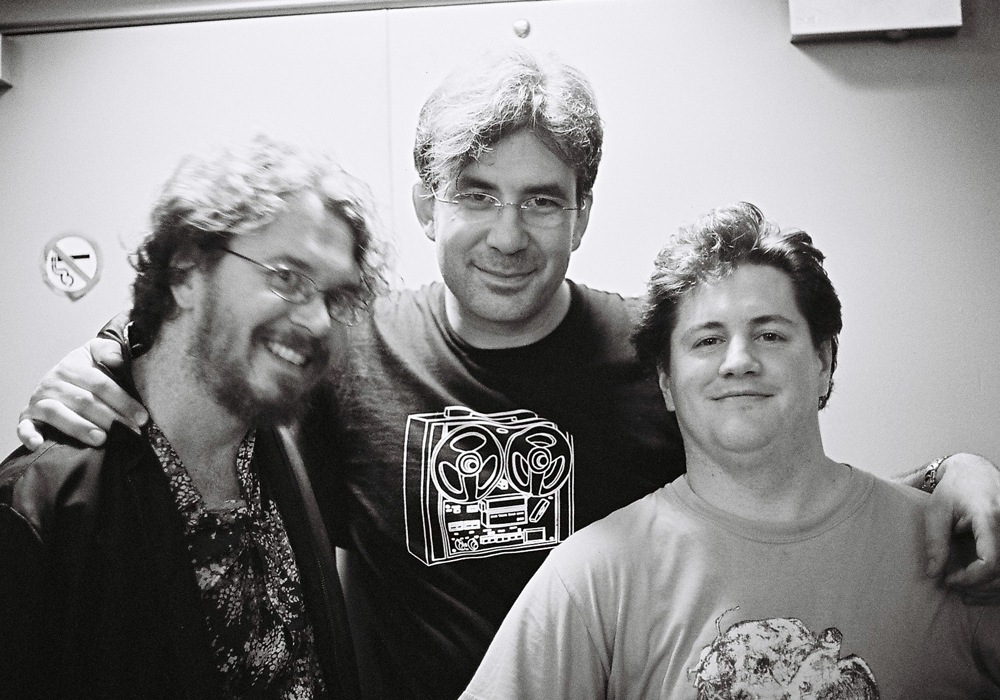
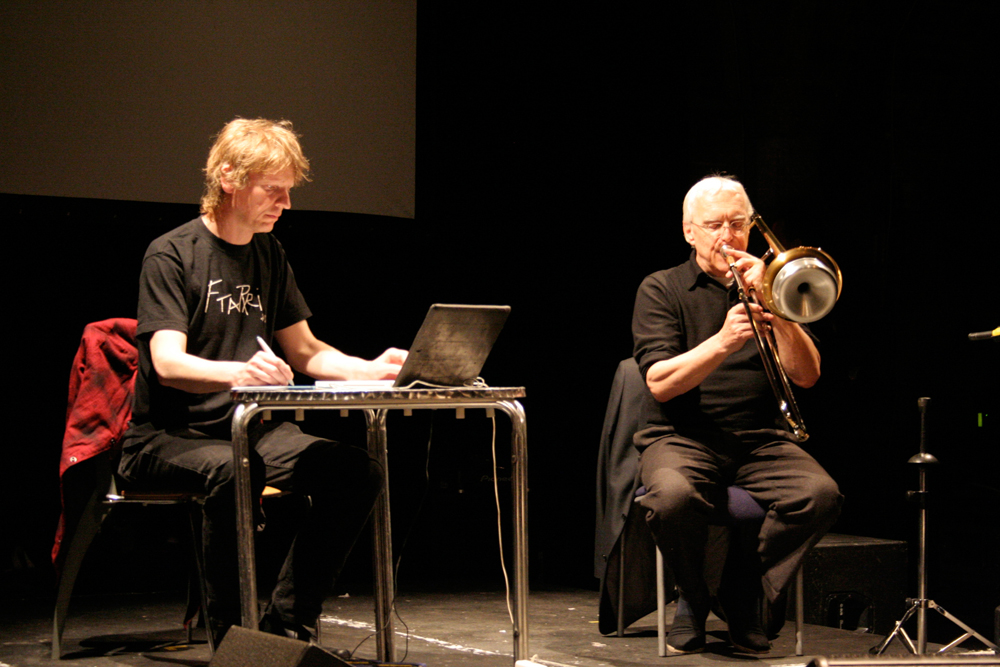
Radu plays a trombone, Klaus creates pure sine waves: they sound on their own, or sometimes together and often with considerable space and silence.
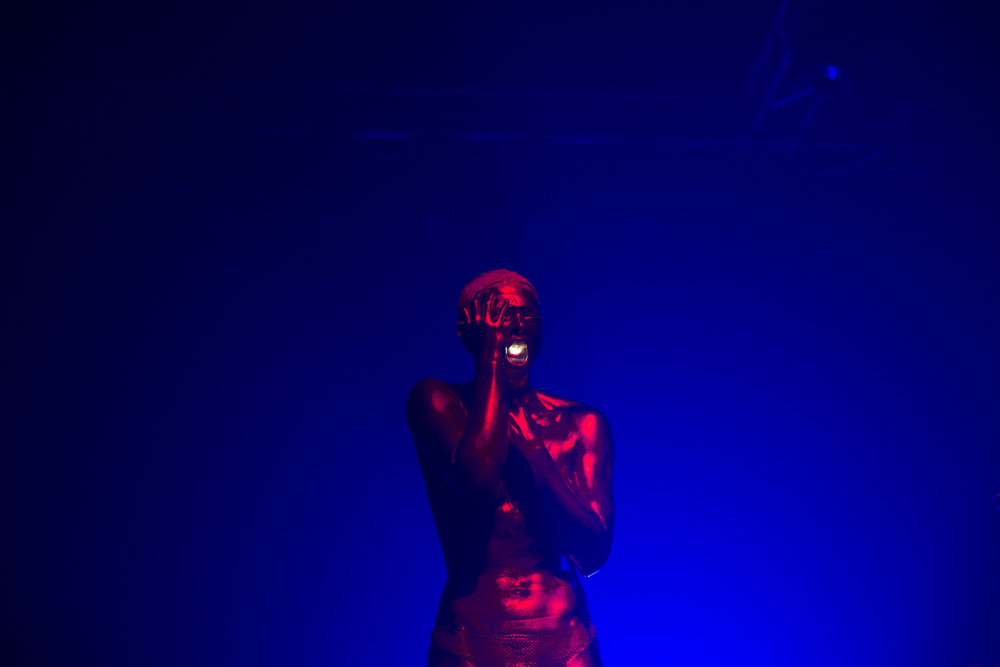
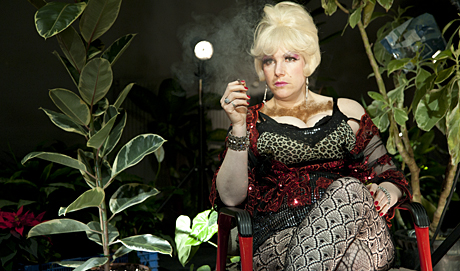
Trans-temporal drag, sexuality and the re-staging of illegible moments in history.
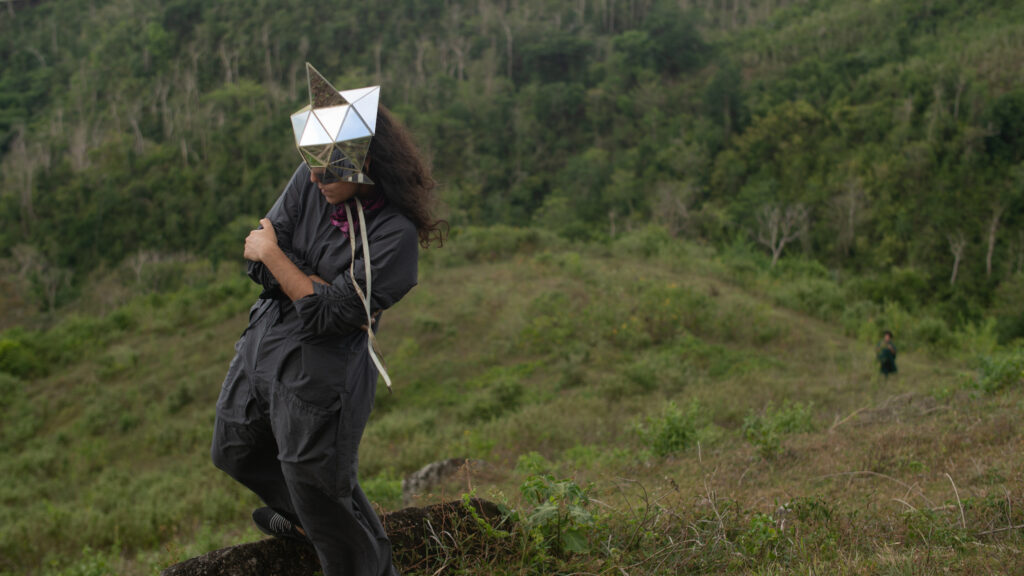
Beatriz will explore her thinking, on film as translation, plural subjectivity or land-based militancy. Discussion will centre around her work Oriana and its companion piece Oenanthe, which will be screened in full.
Slapstick comedy, monologue, and a kind of live sculpture transformed through video, props, musical instruments and make-up.
Thinking against the monoculturalism of Western thought—of faith, affection, sexuality and gender—which completely lacks any utility to, or descriptive value of Indigenous worldviews.
How can we imagine bodies not as an end in themselves, but as a medium through which we can become one another’s means?
Criminal Queers visualises a radical trans/queer struggle against the prison industrial complex, working to abolish the multiple ways our hearts, genders, and desires are confined.