Sex, Work, Justice
SWARM
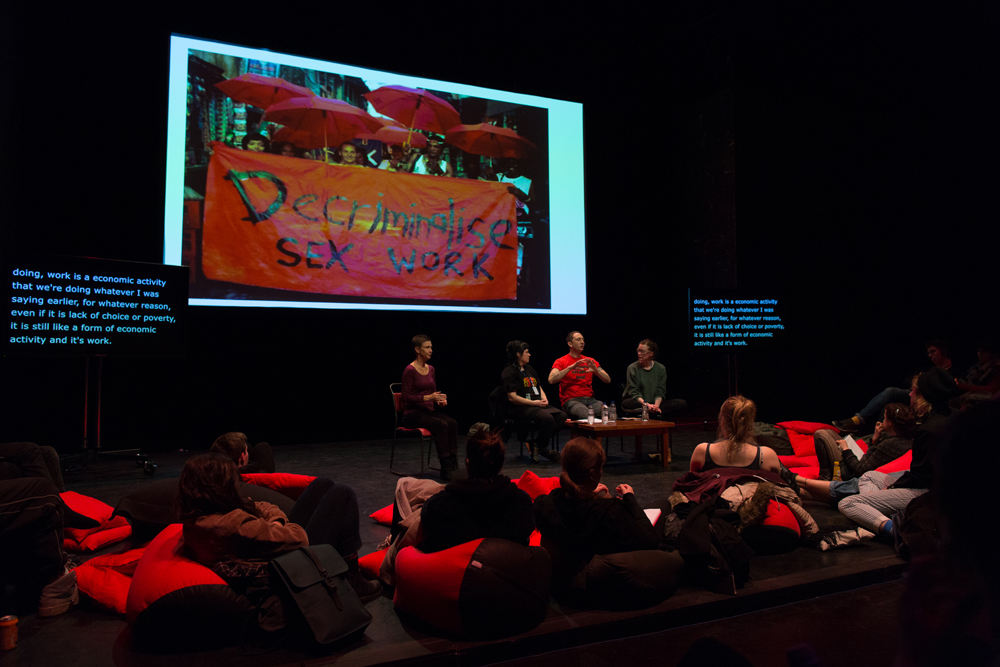
The struggle for sex workers’ rights and how we can understand it in the continuum of care work and other forms of invisibilised and precarious work.
Arika have been creating events since 2001. The Archive is space to share the documentation of our work, over 600 events from the past 20 years. Browse the archive by event, artists and collections, explore using theme pairs, or use the index for a comprehensive overview.
The struggle for sex workers’ rights and how we can understand it in the continuum of care work and other forms of invisibilised and precarious work.
Our Zooms are unmuted, our mics are open, and our hearts and bodyminds are receptive. We give the floor online and in person to you…
The worlds leading radio art station brings you: a performance, a radio show, an installation, an endurance test.
A conversation between Philip and Moten: how do we read NourbeSe’s anti-narrative poetic lament in Glasgow today, given the city’s role in the history of slavery?
What would have happened in 1963 if someone from the voguing ball scene going on in Harlem had travelled downtown to perform alongside the early postmoderns at Judson Church?
A film as a translation of Monique Wittig’s landmark feminist novel Les Guérillères, in which a plural protagonist of militant feminists inhabit a fantastical, enigmatic and hallucinatory miasmatic space-time of post Hurricane Maria Puerto Rico.
How do grassroots feminist organisations strategise relationships between mothers, parents, carers and their children based on respect and empowerment, in resistance to the practice of putting children in often the most uncaring of places – care.
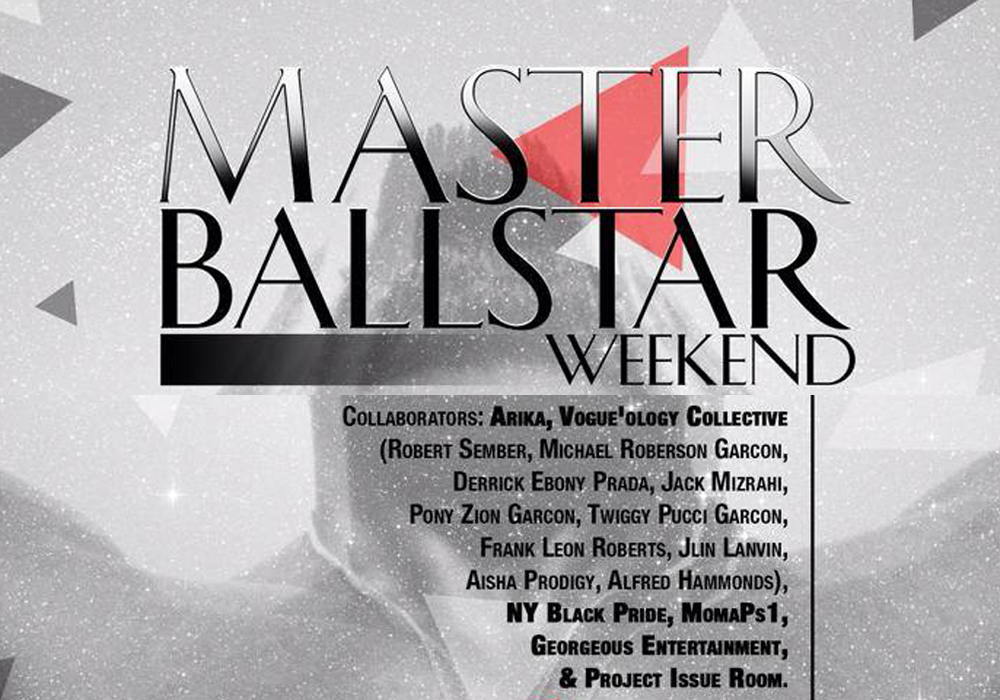
A series of events organised by the Vogue’ology collective from the House Ballroom community in New York grounded in the scenes history of autonomous, self-organised struggle and a shared investment in collective art practices and how those intersect with the multiple and often divergent struggles for freedom.
A beautifully crisp, slowly evolving duo for cello and projected images. Abstract but still figurative; change only noticeable after the fact.
The Songspiels take on a mode of musical theatre developed by playwright Bertolt Brecht and composer Kurt Weill in the early twentieth century, presenting political and social concerns through the accessible and (often funny) form of song.
Music is full of refracted brass and wind tones, distorted tape loops, dead silent air and the occasional piercing shard of sound.
Do ideas emerging from particle physics help to re-think of blackness as a mode of life in which it’s possible to practice difference without separation?