


16 February 2008
Usurper
Usurper
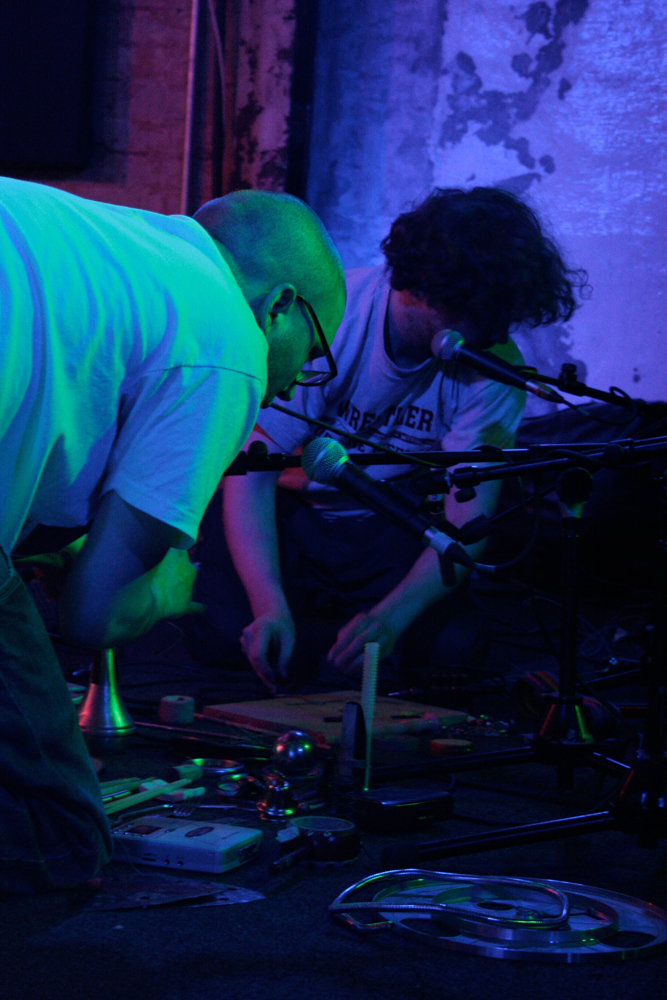
This set continues on from the Bud Neill inspired clatter using the contents of the Usurper twin’s pockets.
INSTAL 08
Arika have been creating events since 2001. The Archive is space to share the documentation of our work, over 600 events from the past 20 years. Browse the archive by event, artists and collections, explore using theme pairs, or use the index for a comprehensive overview.
This set continues on from the Bud Neill inspired clatter using the contents of the Usurper twin’s pockets.
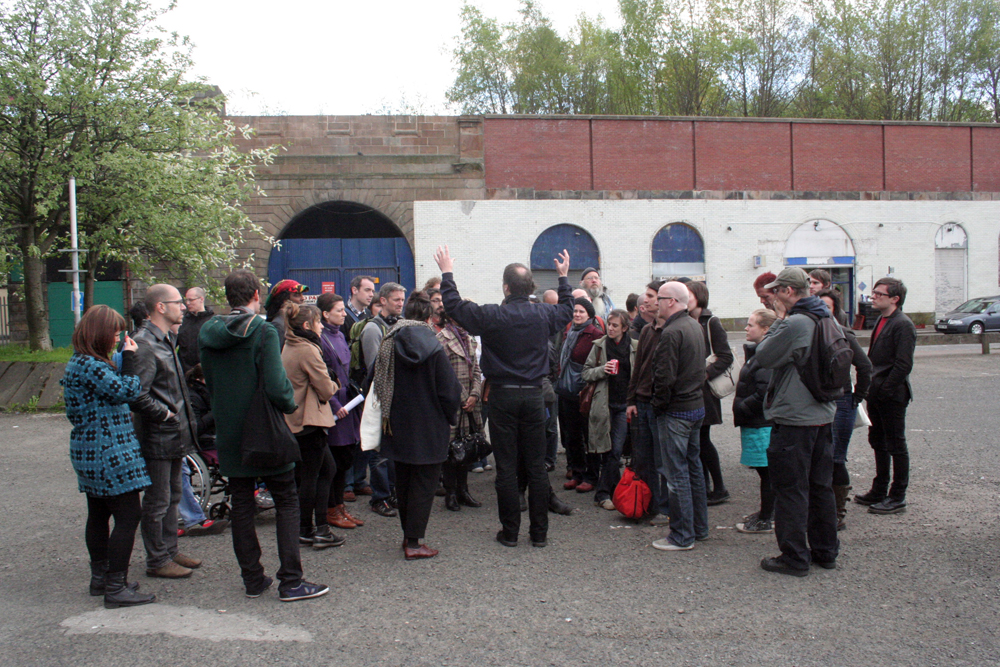
A public walk from George Square to the Barras market bringing contributions from researchers, activists and artists in a form of live critical praxis
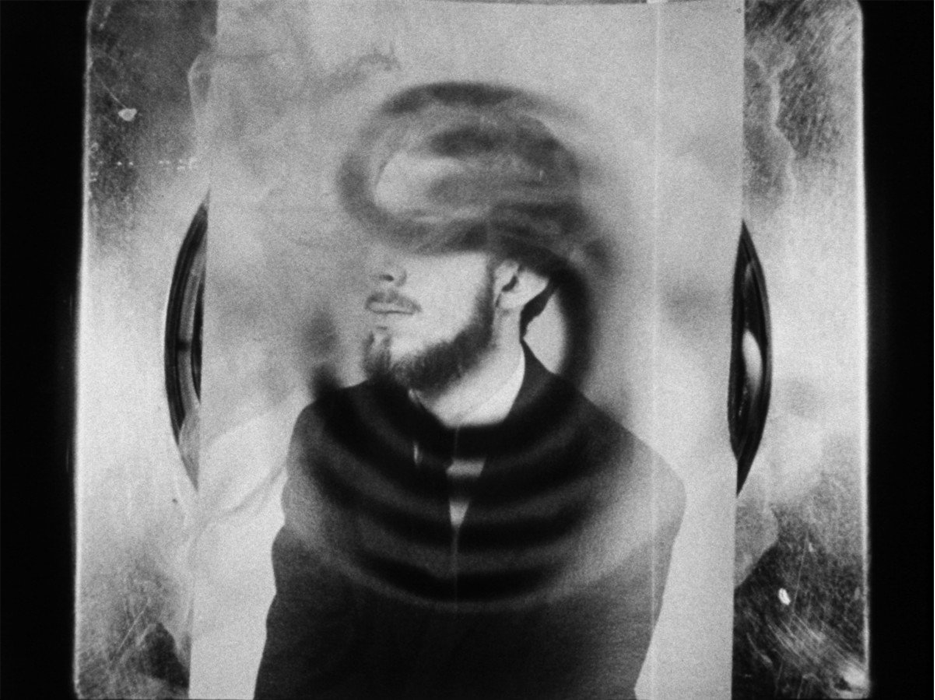
A programme that looks at how sound and image can be treated as variants in a collection of ordered objects; at how to create meaning from the similar, and to notice difference.
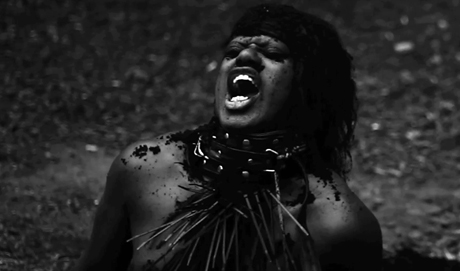
A queer black operatic requiem for piano and voice that asks us to stay in the hold of the slave ship, that tries to understand the connection from the slave ship to the prison.
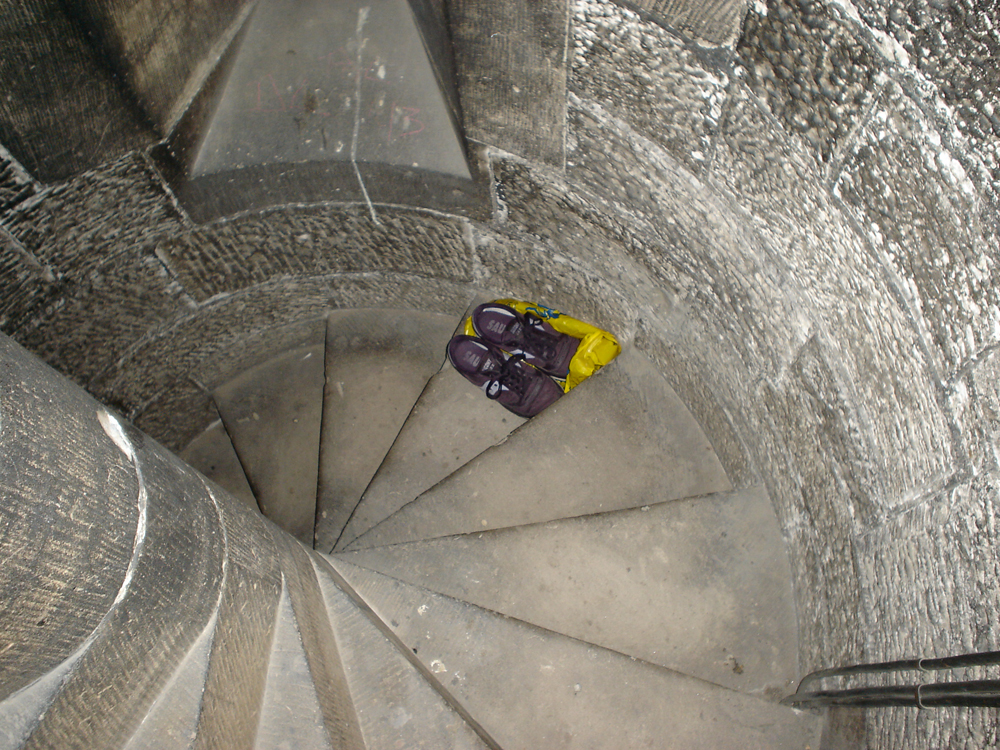
Personal Spaces: inversion of a territorial bell, confusing the realms between rehearsal and performance, public and private space.
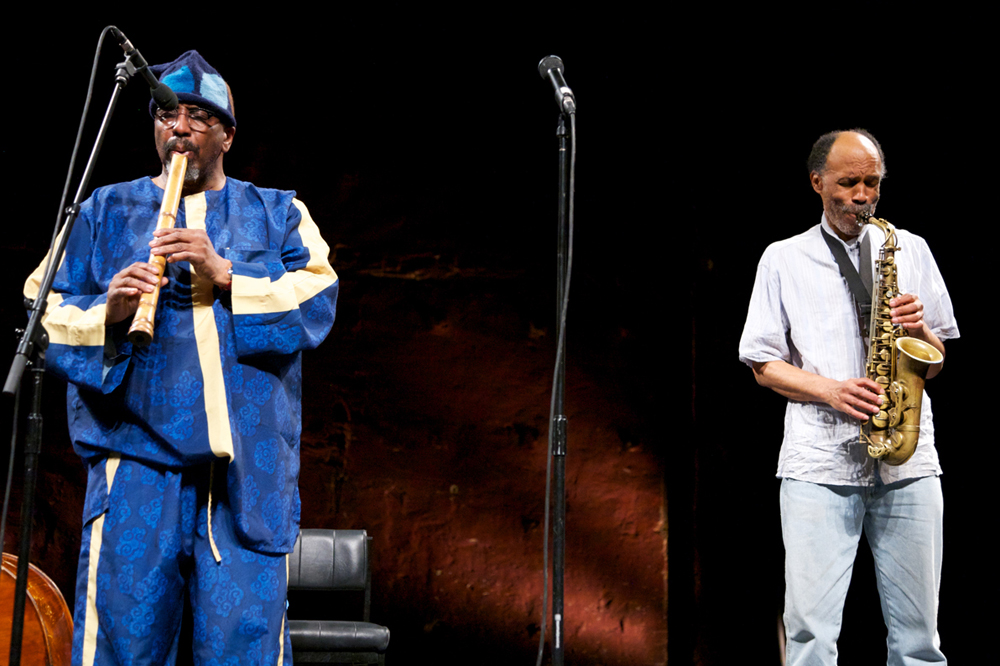
What might Carter and Parker’s collaboration tell us about our own performances of responsibility and liberty, whether individual, social or musical?
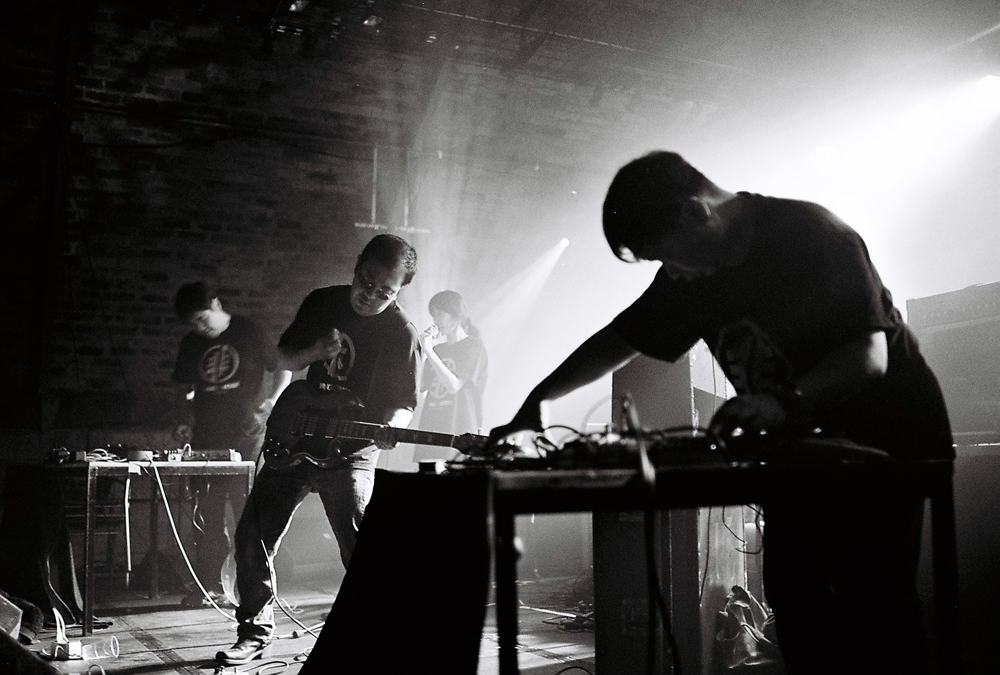
Hijokaidan rapidly built a following due to the overwhelmingly physical intensity of their live performances, often involving destructive onstage rituals of vomit, urine, mangled guitars and ear shredding volume.
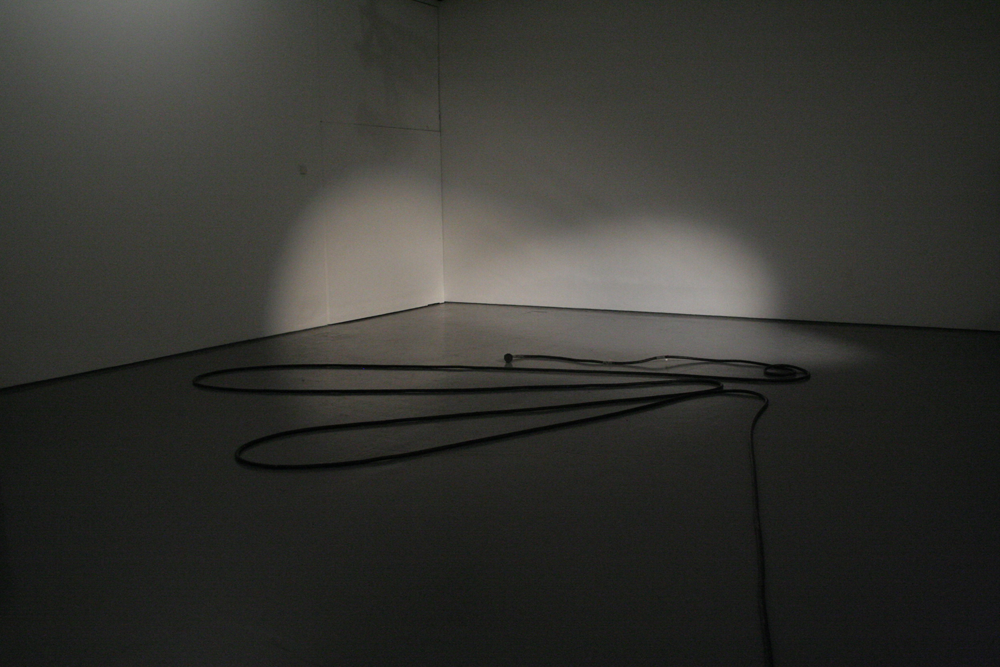
Instead of the one-way monologue of normal performance, what would be the result of an actual collective dialogue? Where would it go?
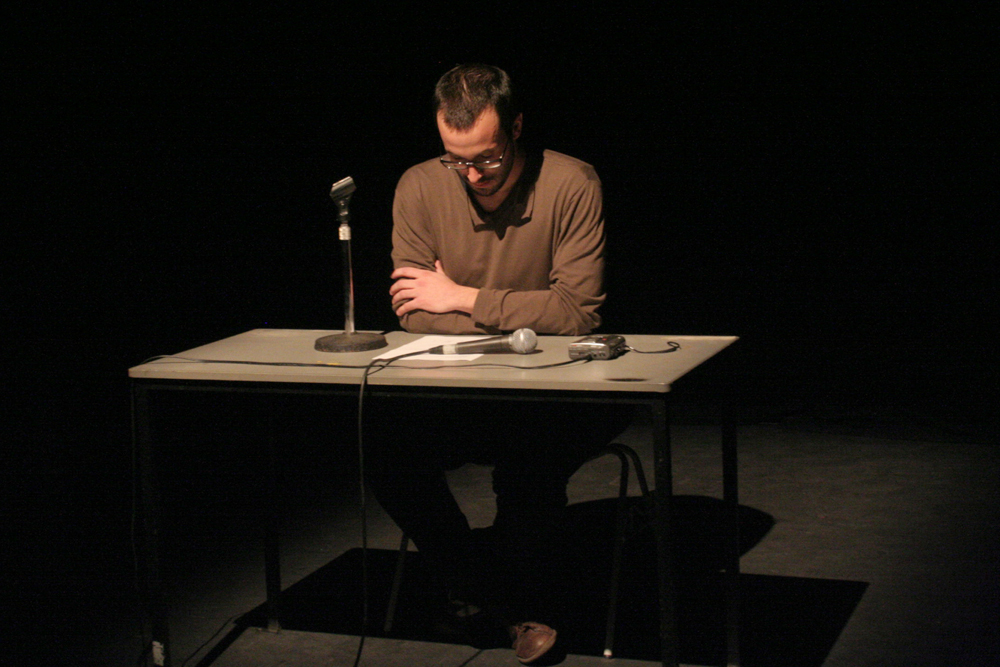
Open-ended, paradoxical and performed investigations into: misunderstanding, language games, form saturated with sense, and consecutive matters…
Low-end drone guitarage army since 1997: nobody has done more on this occasion by a gaggle of sludge-lovers from the Scottish underground.
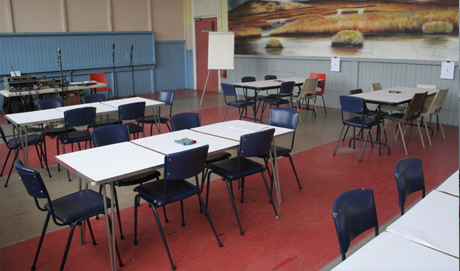
For day four of Ultra-red’s project, the investigation will take up protocols for listening to the sound of freedom composed and facilitated by Fred Moten.
There are core ways in which our listening to the radio differs from other kinds of listening. What happens when we pay attention to how we pay attention?