


9 – 13 March 2022
Online
Mutual Aid
4 days of workshops, discussions and artists presentations exploring the radical act of caring for each other while working to change the world.
Arika have been creating events since 2001. The Archive is space to share the documentation of our work, over 600 events from the past 20 years. Browse the archive by event, artists and collections, explore using theme pairs, or use the index for a comprehensive overview.
4 days of workshops, discussions and artists presentations exploring the radical act of caring for each other while working to change the world.
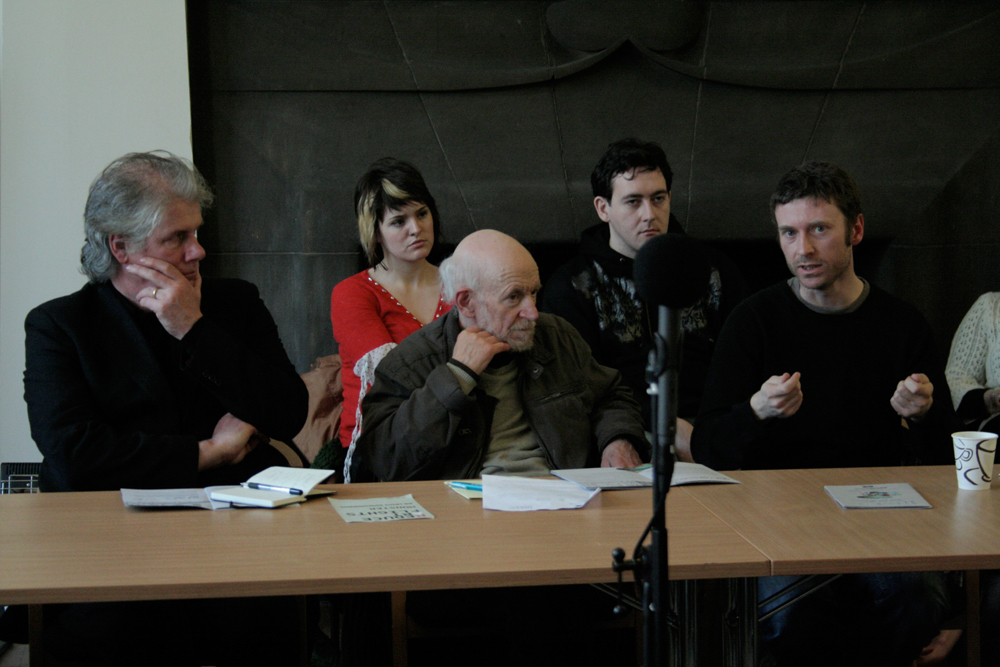
A performed self-cancelling discussion, with artists from the festival, invited speakers and local artists talking at once, over each other, or straining to be heard over the din.
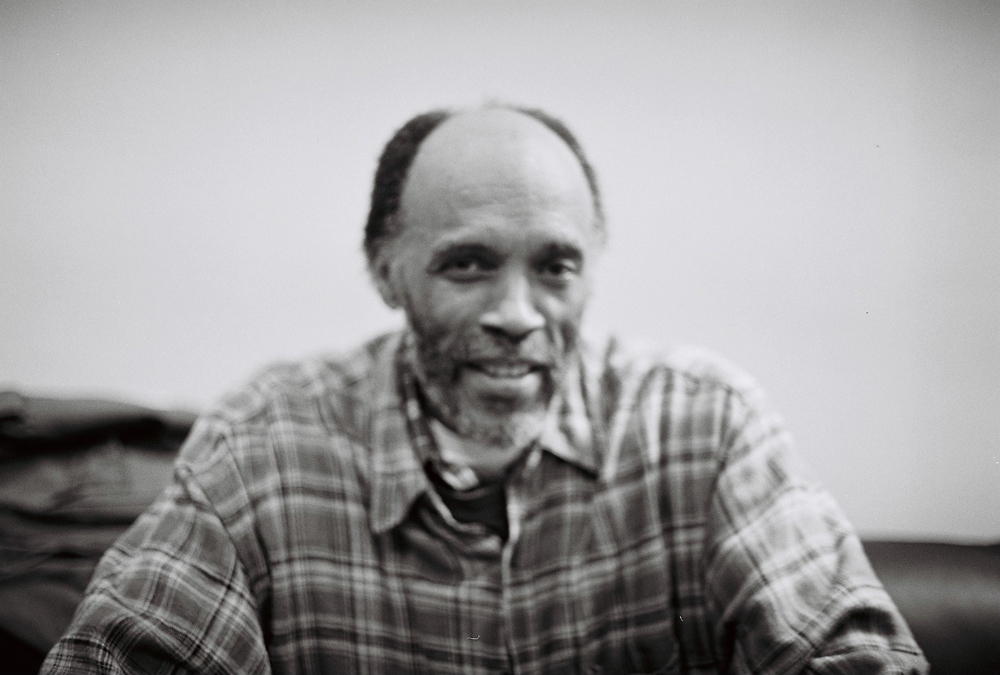
Free-jazz chat with Sabir Mateen, Daniel Cater, Andrew Barker – hosted by Byron Coley.
The final iteration of Arika’s INSTAL festivals, the 2010 edition was an experimental festival of experimental music – 3 days of events at the Tramway that explored un-average ideas about sound and music.
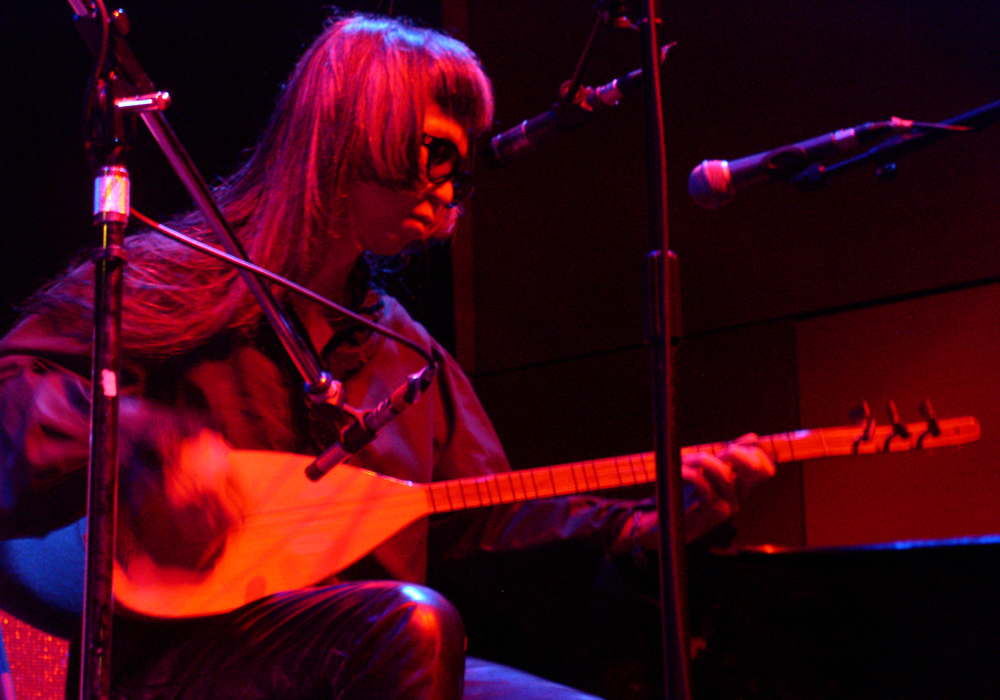
Performances at CCA Glasgow by Keiji Haino, My Cat Is An Alien, Taurpis Tula, Jandek with Richard Youngs and Alex Neilson.
Goodwin’s writing emanates from the social life of poetry, from a condition of entanglement before historically racially-specific forms of representation. Another word for this emanation is breath.
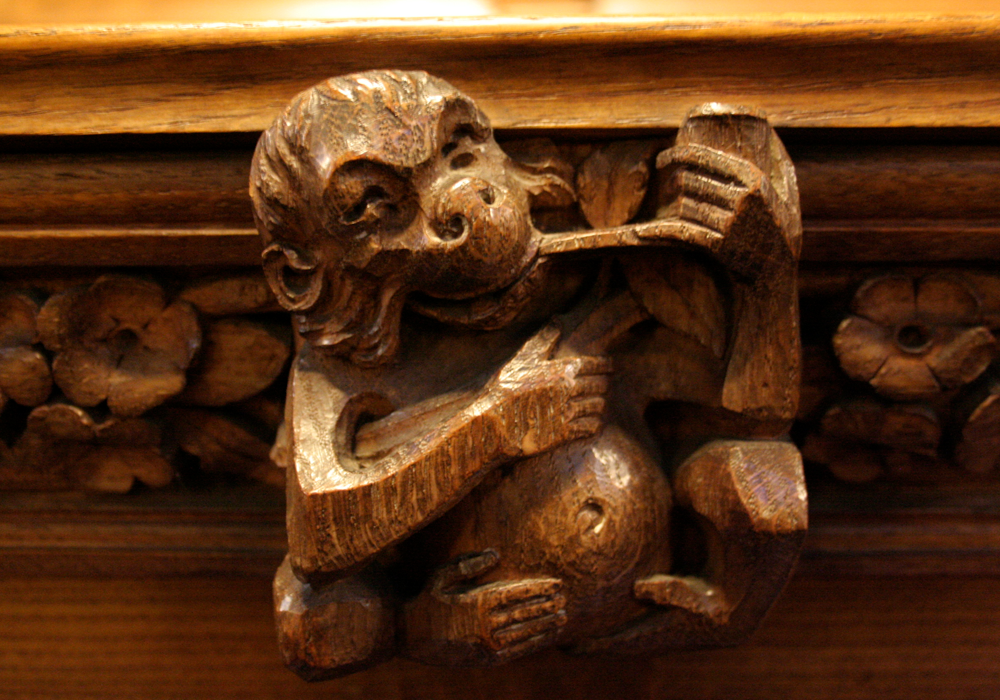
Quartet improvisation by Klaus Filip – laptop, Radu Malfatti – trombone, Sean Meehan – snare & cymbals, Taku Unami – rice and dish.
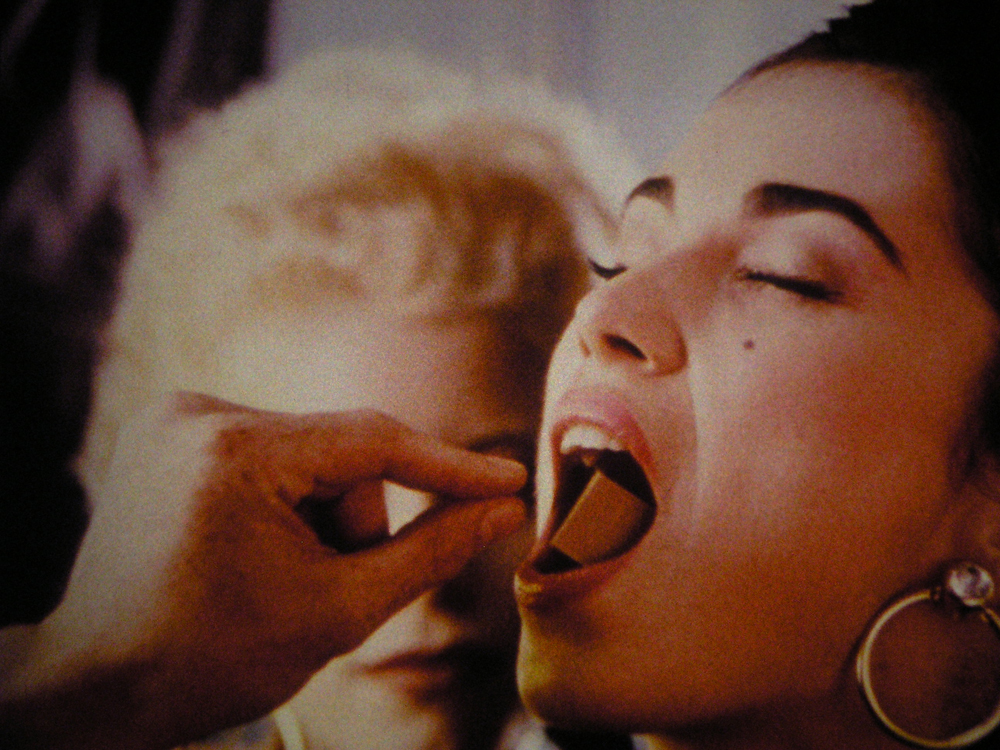
Nothing if not repetitive, film is founded on the incremental succession of minute difference. But how does repetition of the same play out, and is it a tool to comment on the standardising repetition of the mass media?
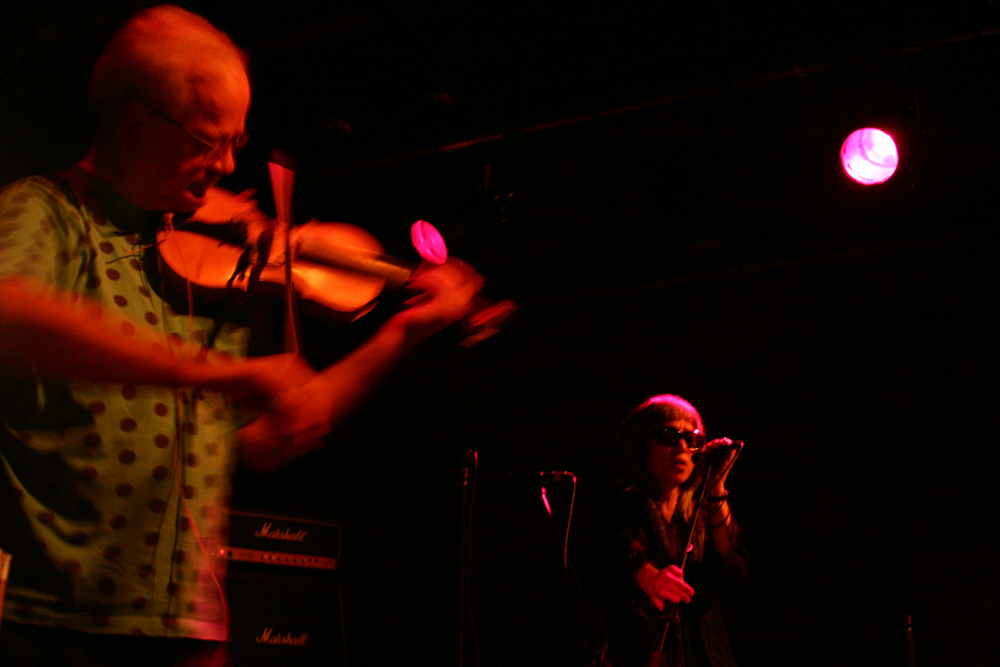
Although Tony had visited Haino in Japan, and they played together in private, this was the first time anyone other that Haino’s cat saw them perform together.
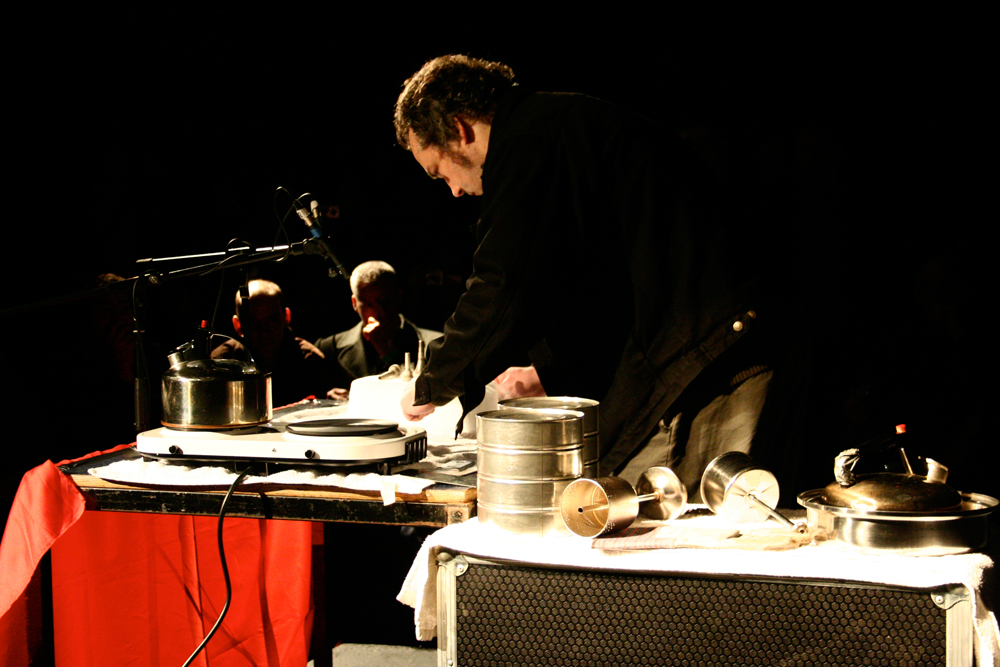
Michael Colligan pressing white hot metal into dry ice, causing the metal to sing and scream.
Bleu Shut reveals, and allows us to enjoy, our gullibility within the pervasive absurdity of modern life.
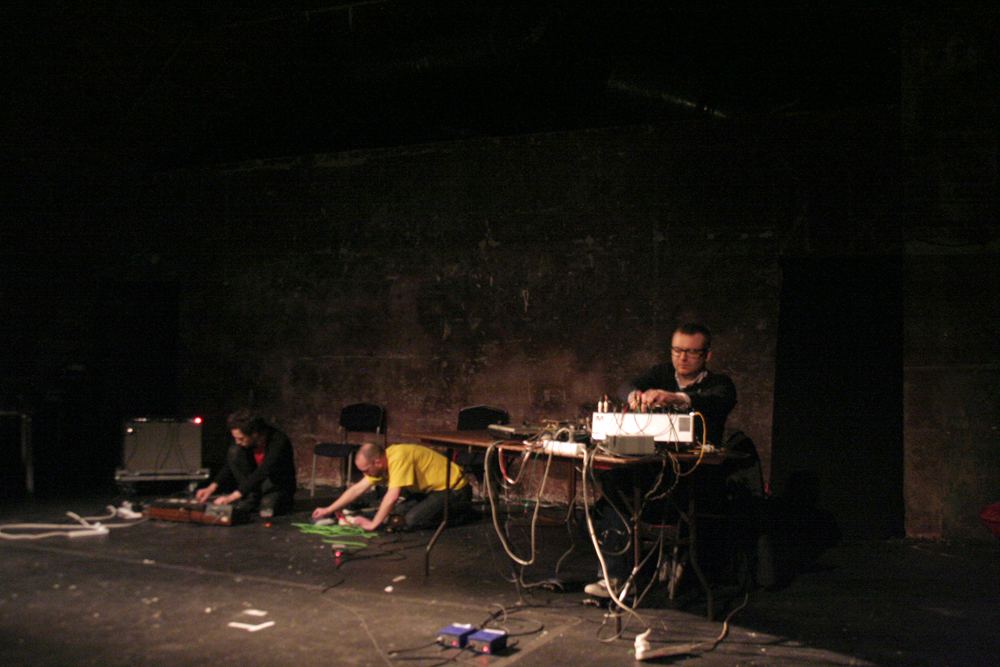
Droner responsible for Fordell Research Unit, Muscletusk’s murk manipulator and Metzian concrete-mixer cement international relations and yr heids.