Shuji Inaba
Shuji Inaba
A confrontational and somehow shamanic stance; introspective silences shattered by savage jabs at the strings, whirlwind strums dying into spartan chords
Arika have been creating events since 2001. The Archive is space to share the documentation of our work, over 600 events from the past 20 years. Browse the archive by event, artists and collections, explore using theme pairs, or use the index for a comprehensive overview.
A confrontational and somehow shamanic stance; introspective silences shattered by savage jabs at the strings, whirlwind strums dying into spartan chords
Can our favourite Vegas-born poet of prophetic blackness and a South Central transmuter of social rage into beauty feel through each other?
In which Storyboard P and members of Project X pick a song, freestyle to it, chat with us about what dancing means to them, then pick another song, freestyle, chat, repeat…
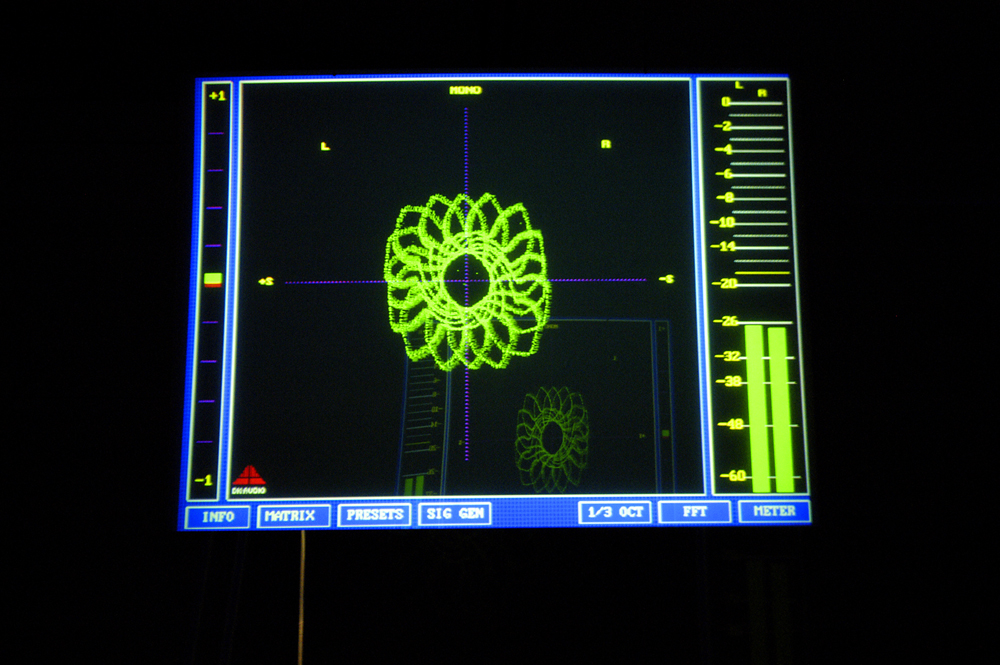
A trance inducing, flickering investigation of structural and minimalist droning from one of the key thinkers in sound and image over the last 50 years
In Ramayya’s visionary poetry, the body assumes as many forms as love produces states: attraction and repulsion, excitement and exhaustion, selfishness and the dissolution of self.
A silent performance of (musical) reverberation.
Voguing, drag, clubbing, and the politics of communities making different performances of gender and sexuality visible.
When we look, how do we objectify the body; how can we reflect on our (self) image as a construction?
A discussion about what is at stake in the performance of realness and the practice of passing, and how they are both acts of survival and resistance.
This programme is a celebration of Charlemagne Palestine; passionate, extravagant, visceral. Including two sections from Ritual dans le Vide, an extension of his ‘running camera’ works of the 70’s and Pip Chodorov’s vibrant workout of a live version of Strumming Music.
Performances at Anthology Film Archives by by Loren Mazzacane Connors, Alan Licht & Jandek.
How can we imagine bodies not as an end in themselves, but as a medium through which we can become one another’s means?