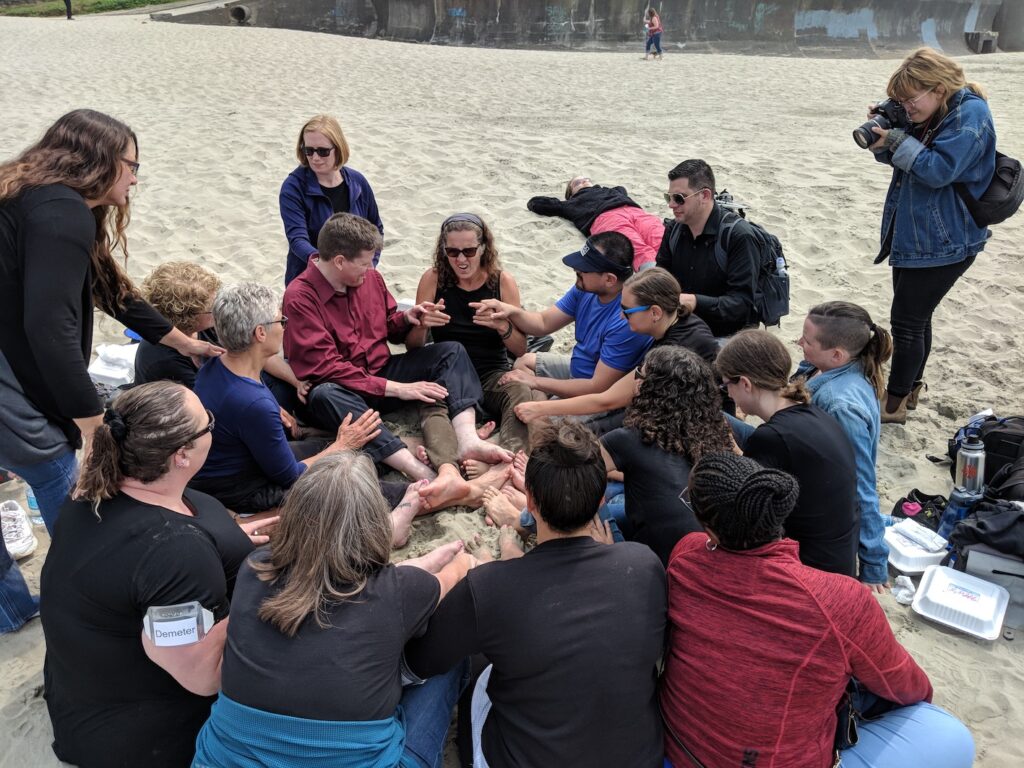
Introduction to Protactile Theory with John Lee Clark
John Lee Clark
“Introduction to Protactile Theory” is a legendary seminar that facilitator John Lee Clark has designed to bring diverse communities into conversation with the Protactile movement.
Arika have been creating events since 2001. The Archive is space to share the documentation of our work, over 600 events from the past 20 years. Browse the archive by event, artists and collections, explore using theme pairs, or use the index for a comprehensive overview.
“Introduction to Protactile Theory” is a legendary seminar that facilitator John Lee Clark has designed to bring diverse communities into conversation with the Protactile movement.
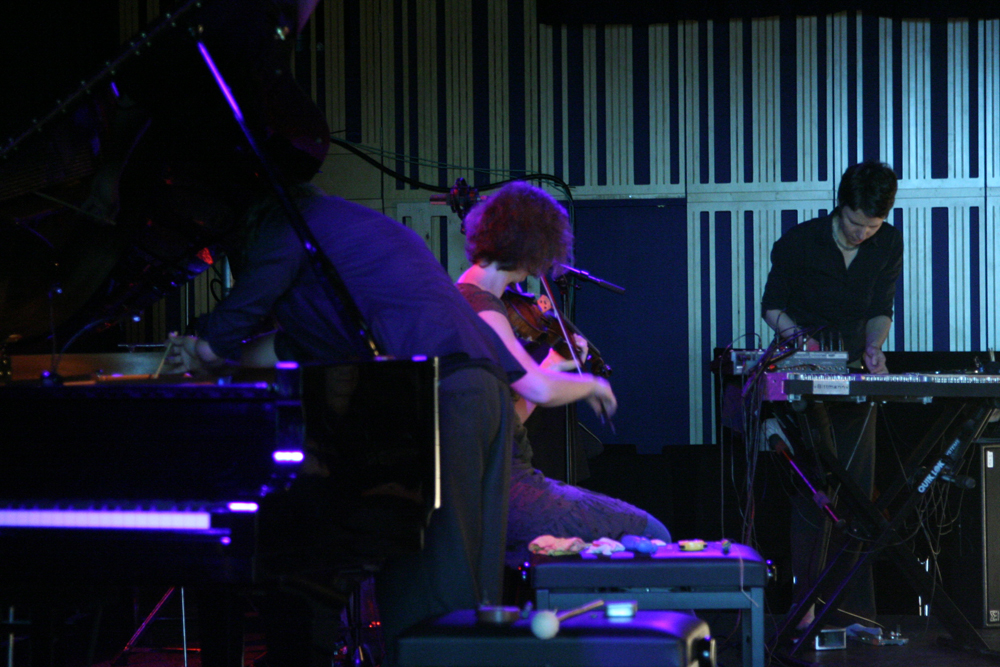
Improvising violinist Angharad Davies performing with pianists Tisha Mukarji and Andrea Neumann.
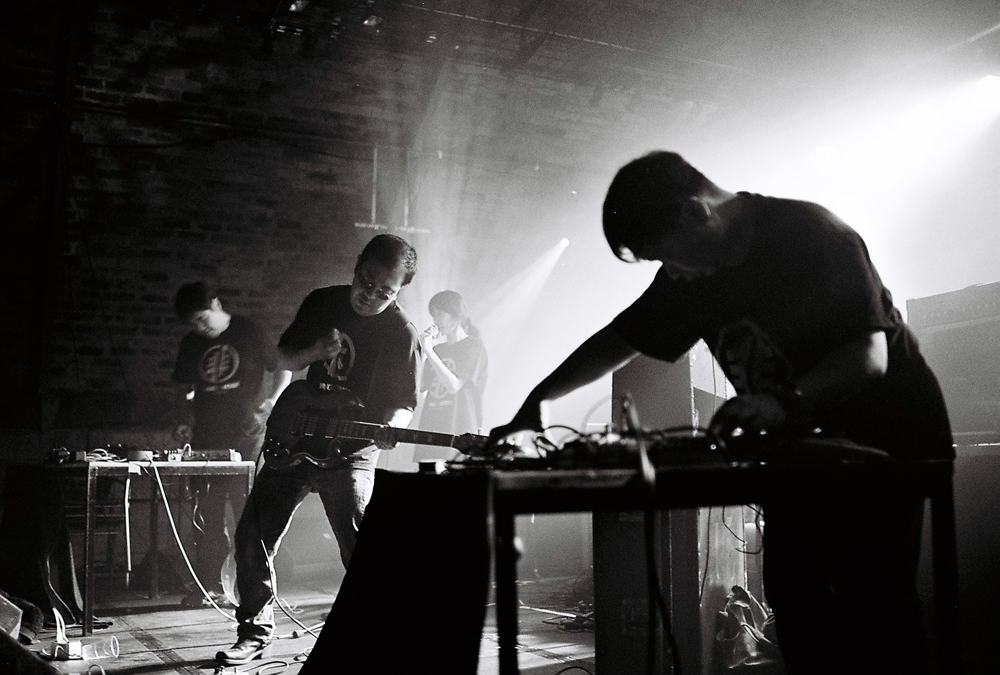
Hijokaidan rapidly built a following due to the overwhelmingly physical intensity of their live performances, often involving destructive onstage rituals of vomit, urine, mangled guitars and ear shredding volume.
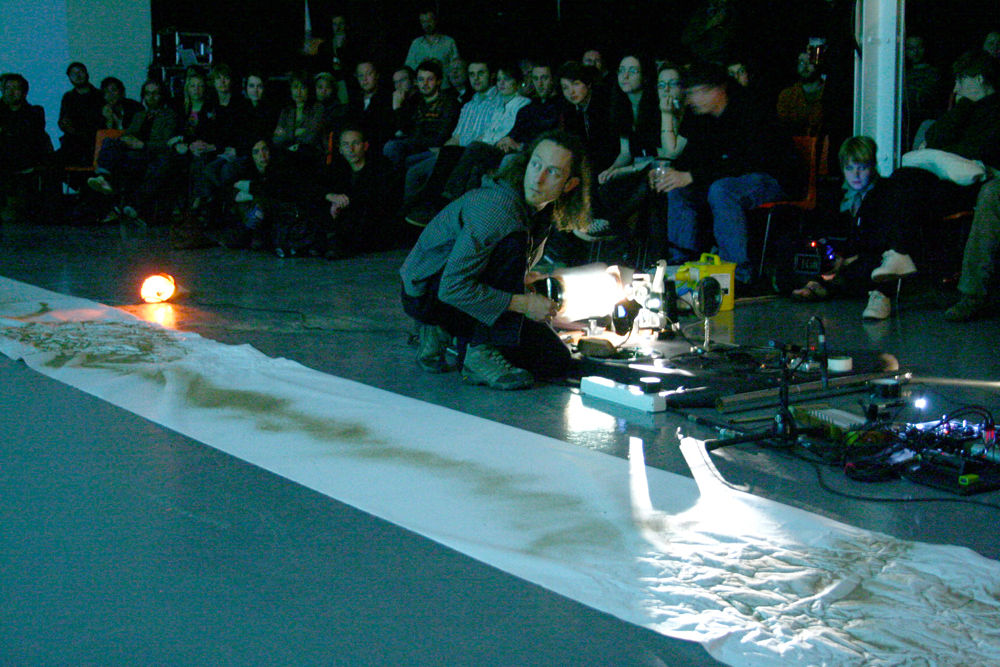
A system in which film is projected onto copper strips, captured again and then re-projected as video, somehow transforming the original imagery into molasses-slow, molten and incredibly tactile flickers of colour and light.
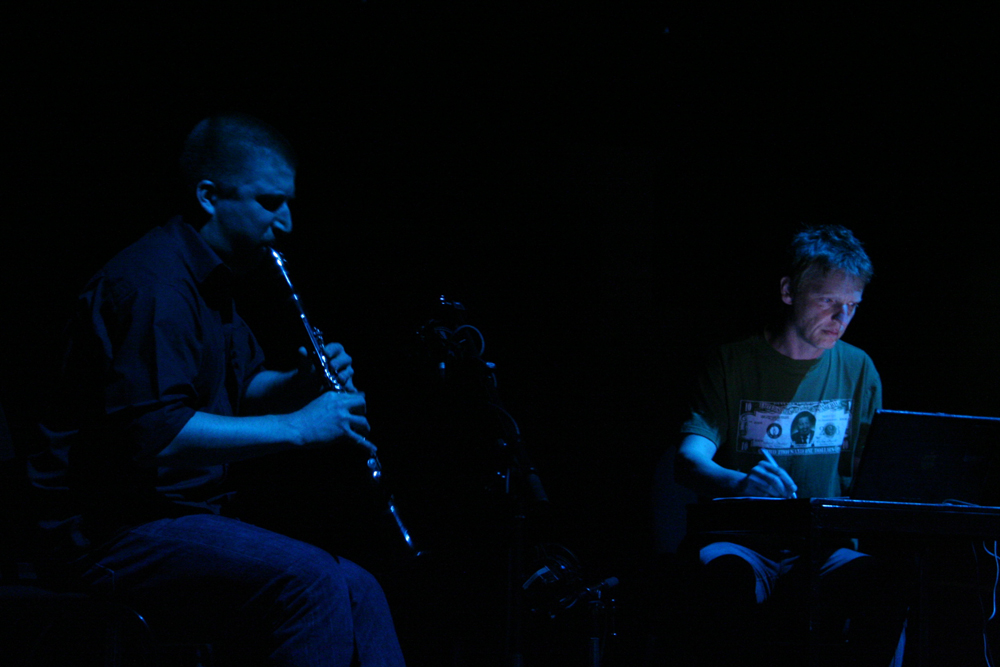
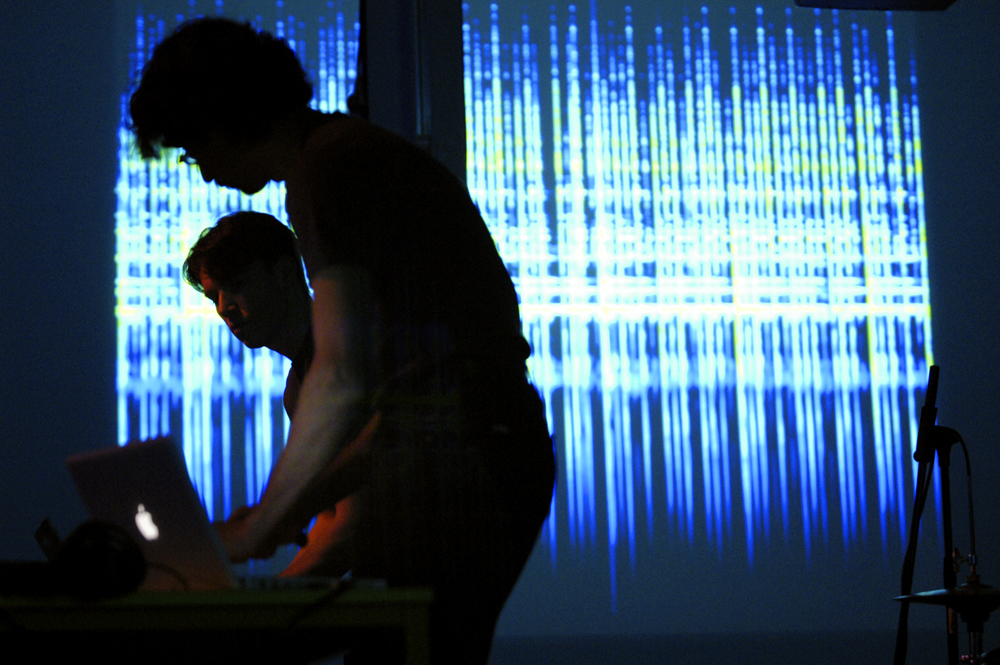
Los Glissandinos work with clarinet and sine tones beating and thrumming in your middle ear, all beautifully paced and serene, but with just enough steely menace broiling under the surface to keep you on edge.
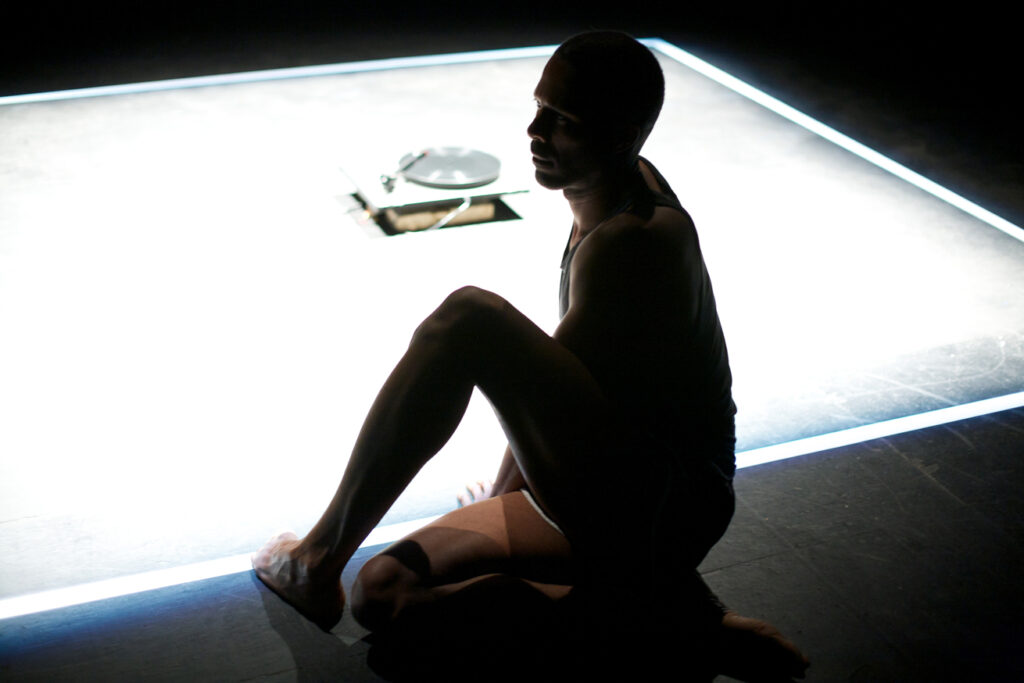
When we look, how do we objectify the body; how can we reflect on our (self) image as a construction?
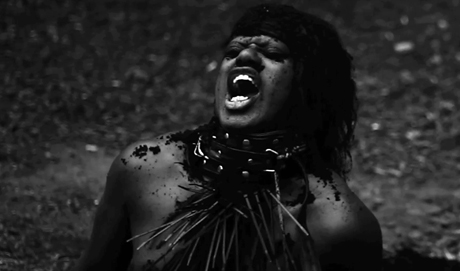
A queer black operatic requiem for piano and voice that asks us to stay in the hold of the slave ship, that tries to understand the connection from the slave ship to the prison.
Live ISDN drone performance resonating between Dundee and an empty Montreal Grain Silo.
On the birthday of Marsha P. Johnson, this event brings together several elements that celebrate the radical care and kinship characteristic of the Trans revolutionary.
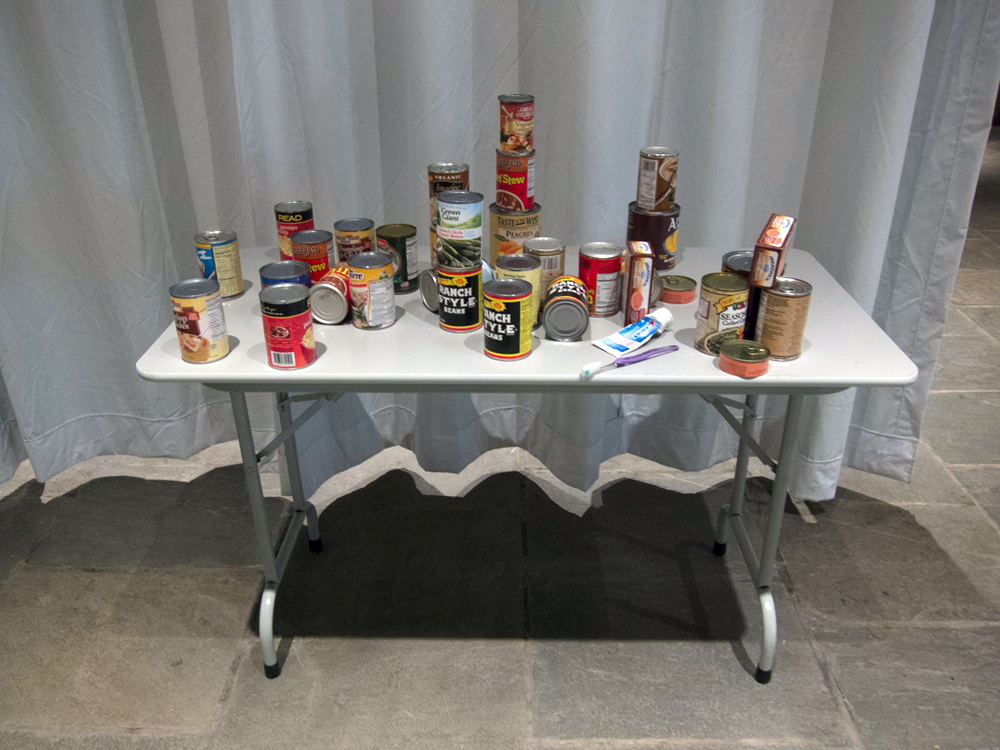
A testimony to poverty from Chris’s own experiences, and an invitation to engage with an all too typical situation and context through a kind of imaginary listening.
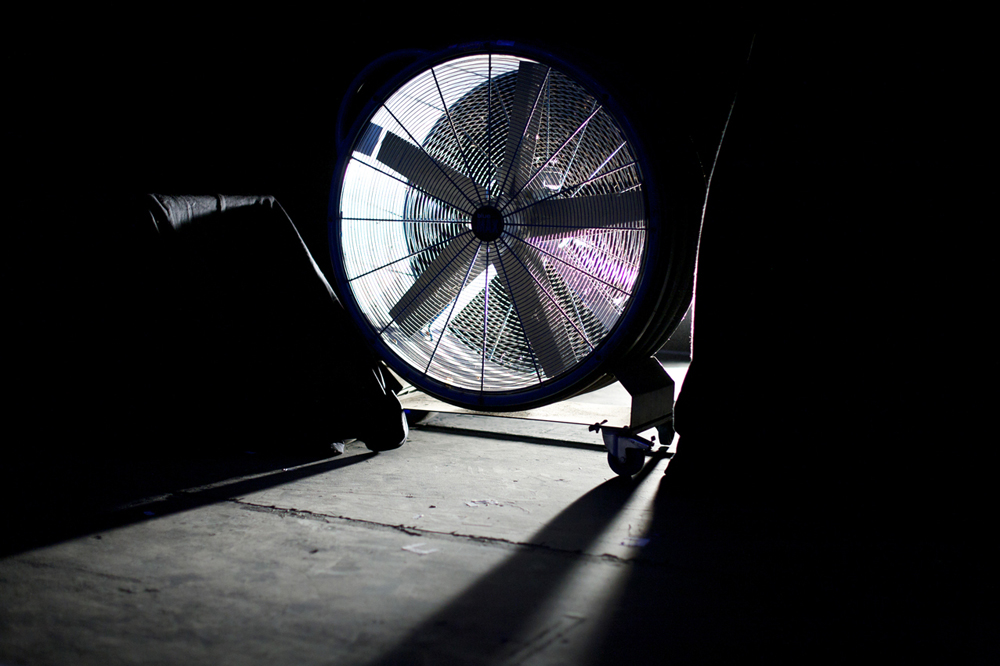
Temporary Outpost for an Auditory Gesture is a kind of performed installation that explores how sonic phenomena (like feedback, vibration, resonance, echo, rhythm) condition our experience.
How do you know what you want? Should freedom be doing what you ought, not doing what you want? How might a philosopher and artist turn this thinking into an enabling condition in the context of noise and improvisation?