KYTN Salon: Post Consideration
Andrew Lampert Edwin Carels Eric La Casa John Harris Prof. Heike Sperling Zoe Irvine
Post consideration and post rationalisation… How do we think about experimental music and film after the performance?
Arika have been creating events since 2001. The Archive is space to share the documentation of our work, over 600 events from the past 20 years. Browse the archive by event, artists and collections, explore using theme pairs, or use the index for a comprehensive overview.
Post consideration and post rationalisation… How do we think about experimental music and film after the performance?
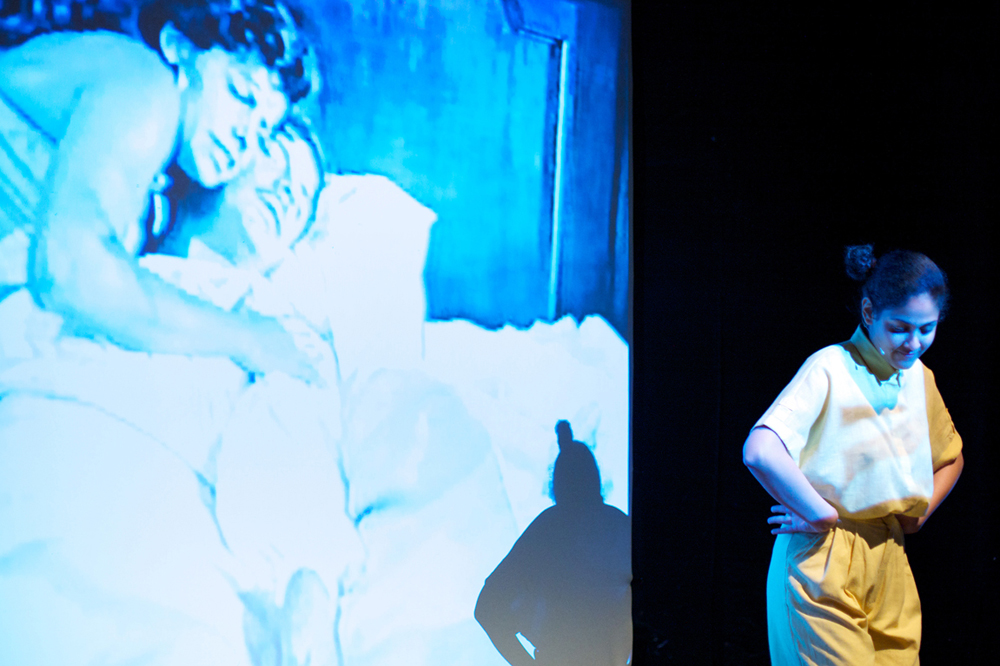
A performed film lecture exploring how the ‘Rumberas’ of Caribbean cinema of the 40’s and 50’s subverted demeaning images of themselves through dance, sound and a sociality that insisted on blackness as being a cultural performance, not simply due to skin colour.
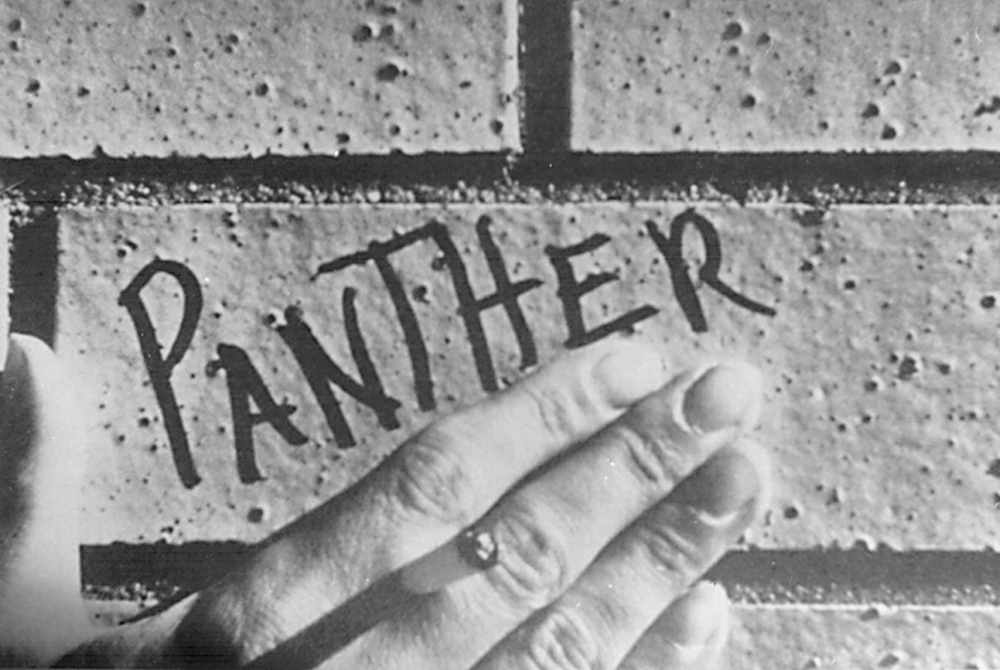
One of the great experimental films. A 60 minute, three part riddle that maybe approximates our intellectual development by moving from imageless words to the recognition of silent images and the learning of simple tasks and finally a serenity and acceptance of death.
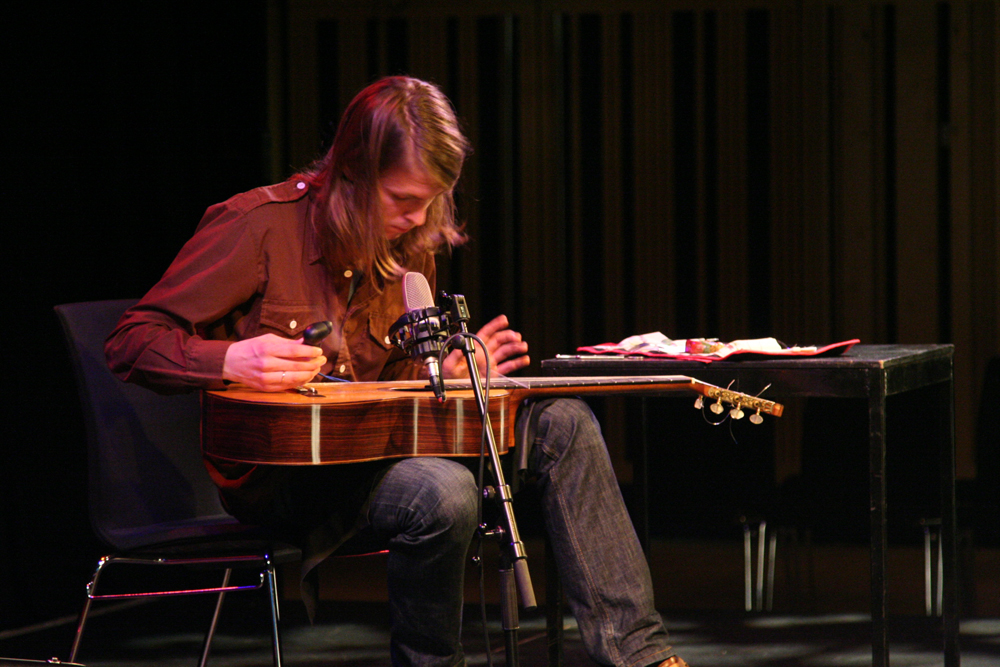
A guitar solo of frugal wringing, of notes in the dark, an attitude of making everything count.
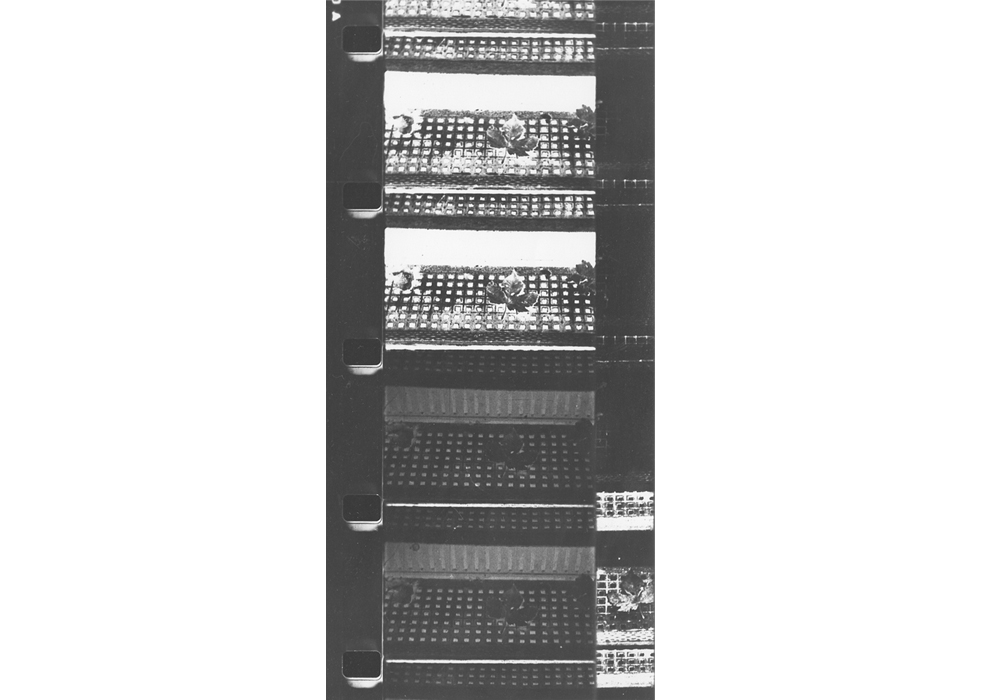
A programme looking at landscape, filmic or architectural spaces and at how the fixed stare of a camera frame only captures so much reality; here we focus on how filmmakers structure our relationship with that reality and at how they relate it to or interpret it through sound.
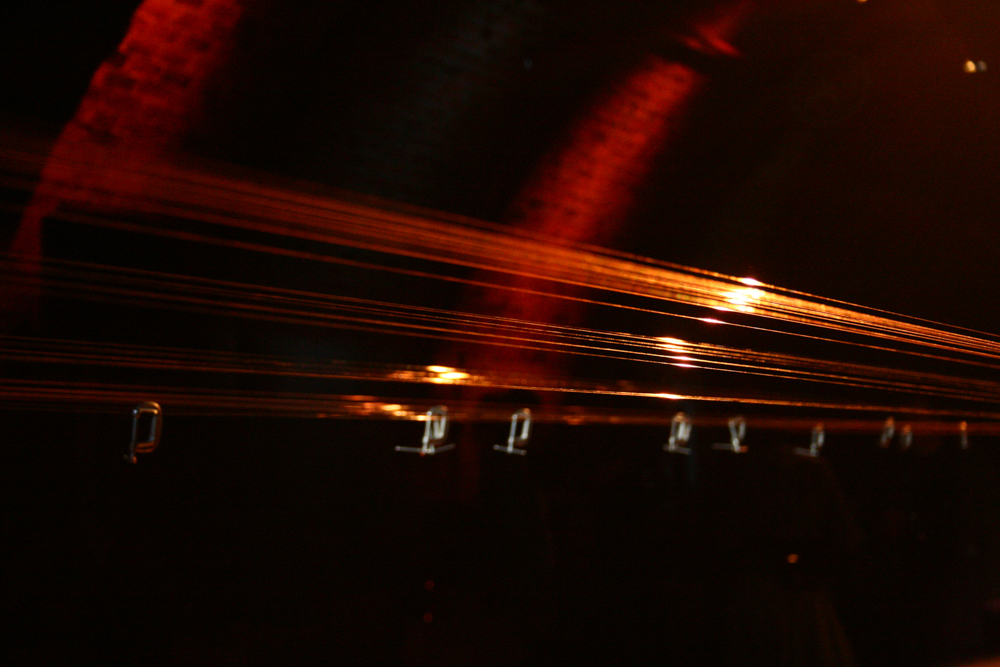
Long Stringed Instrument performance involving up to 100 wires strung in tension over a 40m arch.
Autobiographical detail becomes a lens to reflect and refract the deepest aspects of personal and social life in Delany’s ground-breaking non-fiction writing.
A panel exploring the poetics of abolition. “Poetry is not only dream and vision; it is the skeleton architecture of our lives. It lays the foundations for a future of change.”
5 days of film, music, discussion and study of our collective incompleteness—arrayed against the colonial ordering of how we come to know the world—practicing how we might exist otherwise, right here and now. Can we start to know and practice the world to come?
Thinking against the monoculturalism of Western thought—of faith, affection, sexuality and gender—which completely lacks any utility to, or descriptive value of Indigenous worldviews.
First in a series of workshops for workers and non-workers who care. Does work that asks us to be attentive to the needs of others force us to sell our capacity for kindness?