Wandelweiser
Antoine Beuger Manfred Werder Radu Malfatti
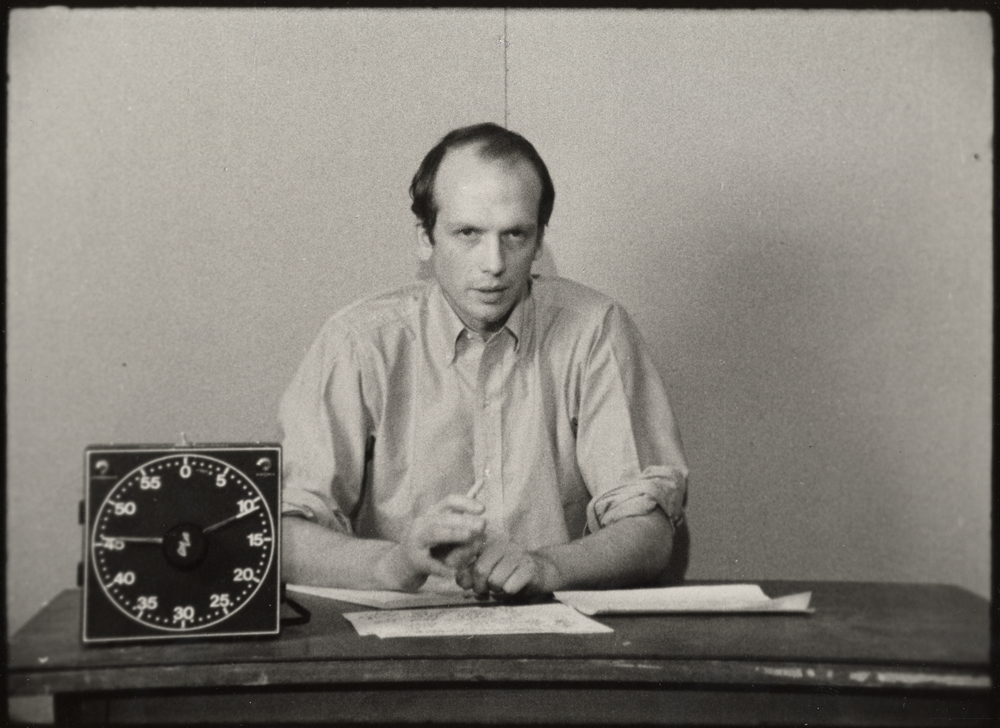
Expansive and considered, inclusive and deeply human minimalism: Antoine Beuger, Radu Malfatti, Manfred Werder.
Arika have been creating events since 2001. The Archive is space to share the documentation of our work, over 600 events from the past 20 years. Browse the archive by event, artists and collections, explore using theme pairs, or use the index for a comprehensive overview.
Expansive and considered, inclusive and deeply human minimalism: Antoine Beuger, Radu Malfatti, Manfred Werder.
A sort of prayer and conference, a sort of scream and dialogue – a monologue and declaration at the time, addressing how we can build complicity with one another.
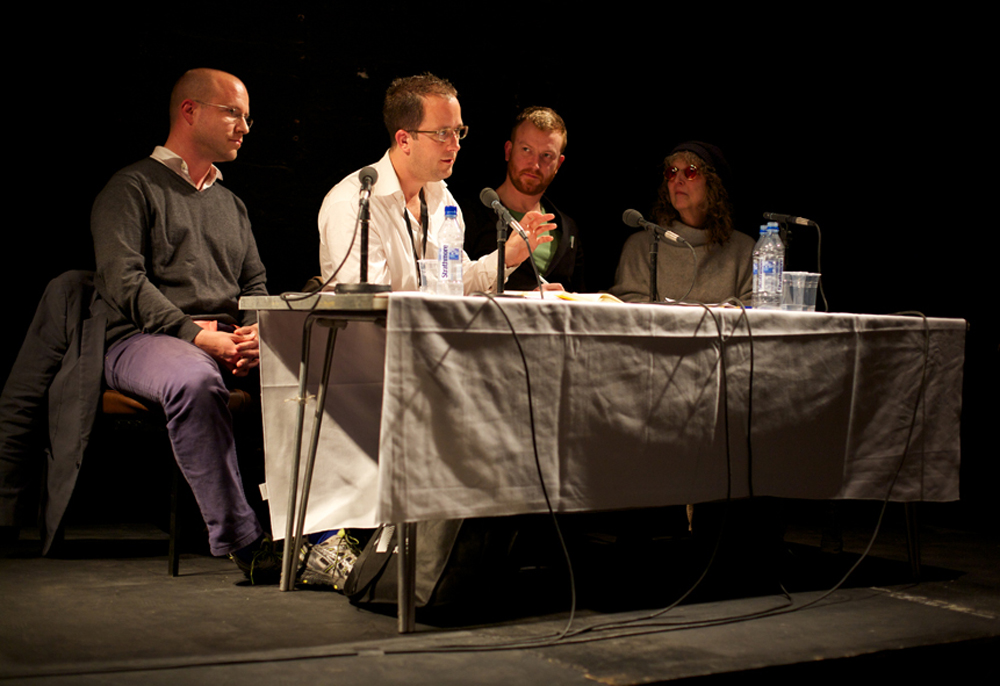
Somewhere between performance, stripped down theatre and an intense kind of public learning or maybe even a public hearing.
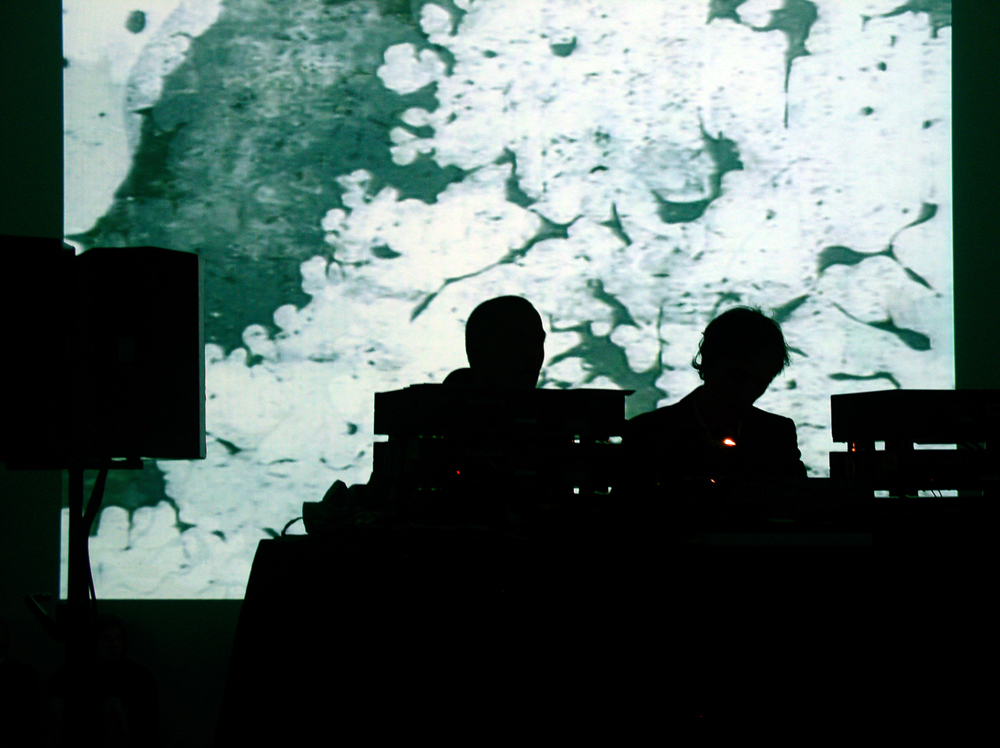
The second edition of the INSTAL festival broadened it’s scope to include performances from Francisco Lopez, Phil Niblock, Stefan Mathieu, Alva Noto, Ryoji Ikeda and John Wall.
Complexly interacting colossal drones by the creator of some of the most legendary yet least heard music of the 70’s.
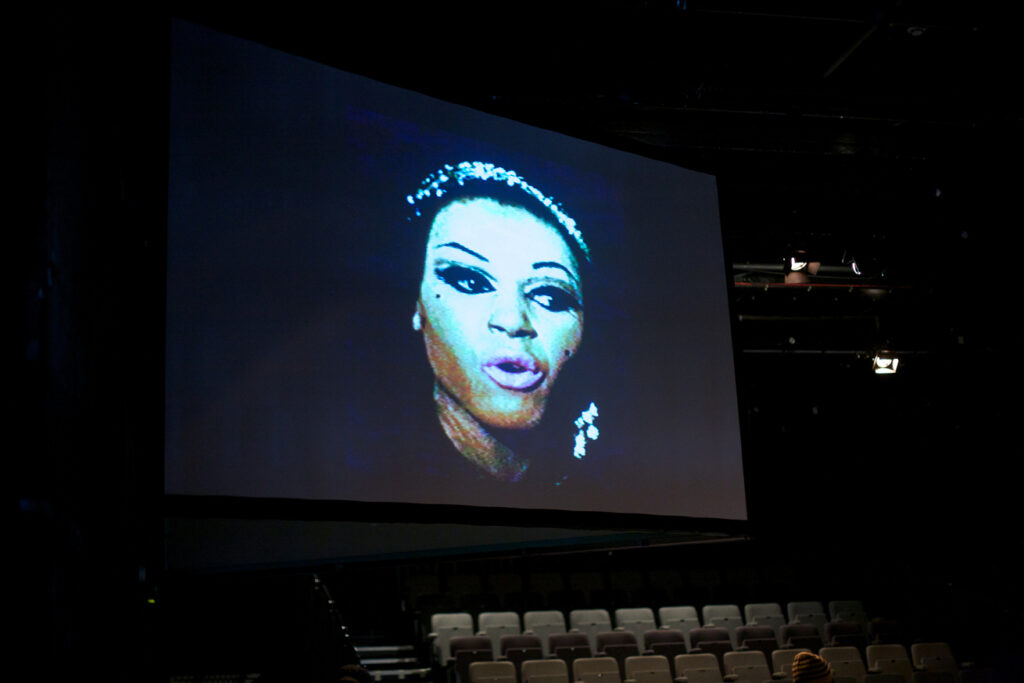
What would have happened in 1963 if someone from the voguing ball scene going on in Harlem had travelled downtown to perform alongside the early postmoderns at Judson Church?
Complex ways of understanding our complex times. Maths & Poetics. Gesture & Physics. Collectivist Struggle & Desire. 5 days of performances, discussions, screenings and study sessions.
Underlying radical transfeminism, as an urgent critique of binary essentialism and fixed identities, is the call for a new kind of thinking that can move between and integrate the truths of all lives in their transformations.
For day three of Ultra-red’s project, the investigation will take up protocols for listening to the sound of freedom composed and facilitated by Nancy Nevárez.
The queer archiving of traumatic cultural memory from one of the leading voices working with queer archives.
In a moment of social exhaustion, we want to ask how we might care for each other differently. We Can’t Live Without Our Lives is a 5-day exploration of care as a form of struggle and resistance, with communities who embody it.
Hijokaidan rapidly built a following due to the overwhelmingly physical intensity of their live performances, often involving destructive onstage rituals of vomit, urine, mangled guitars and ear shredding volume.