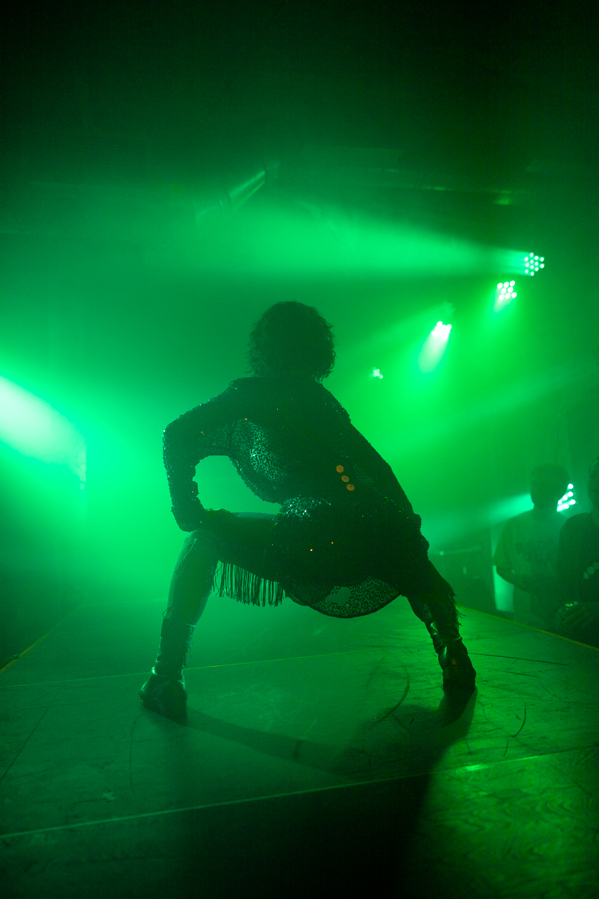
Make a Way Out of No Way: Club
Kia Labeija MikeQ Miss Prissy Pony Zion
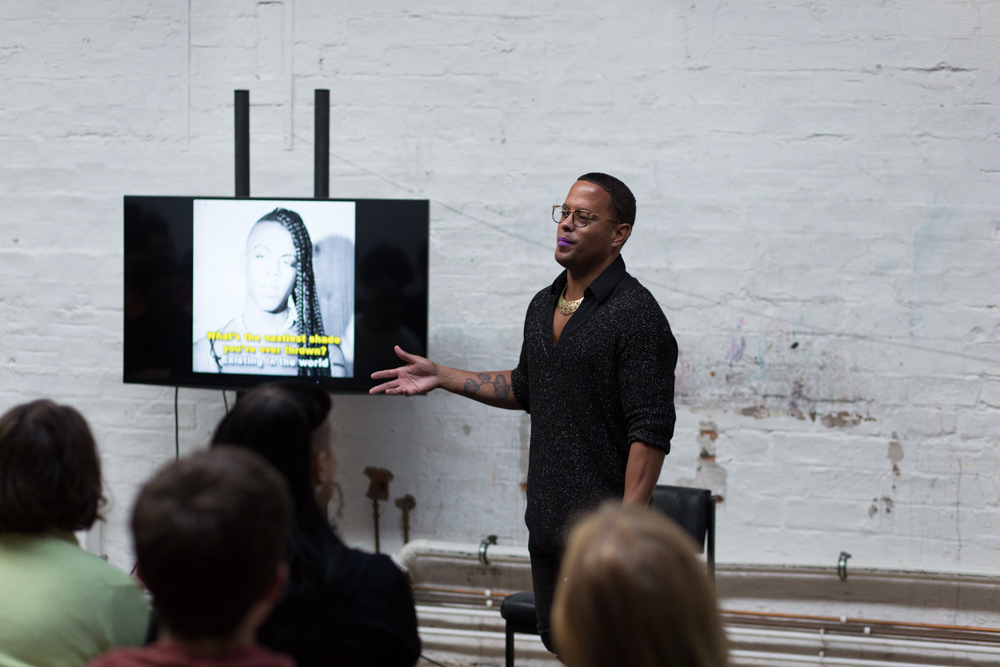
Is it possible to dance our way out of the hardened stances and identity prisons we are locked in?
Arika have been creating events since 2001. The Archive is space to share the documentation of our work, over 600 events from the past 20 years. Browse the archive by event, artists and collections, explore using theme pairs, or use the index for a comprehensive overview.
Is it possible to dance our way out of the hardened stances and identity prisons we are locked in?
How black radical practices of abolition imagine a way out of the caging and mass killing of life.
Hartmut led “a workshop in the old-fashioned way of discussion, mutual exploration of ideas and samples; trying out what can be shared and where the fault lines show.”
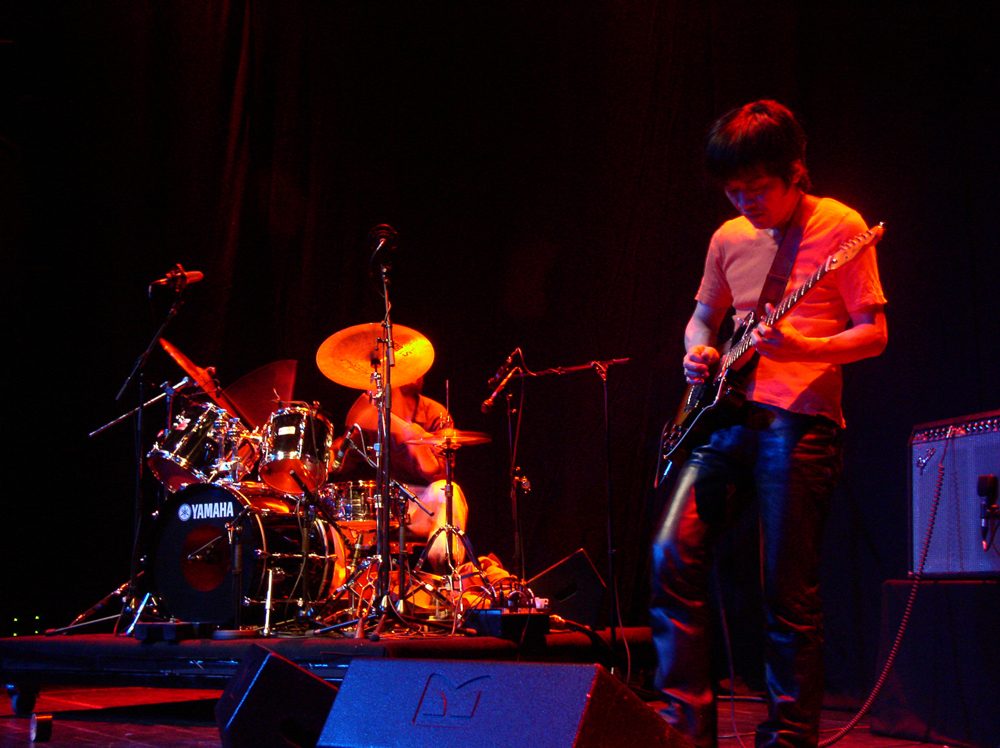
Munehiro Narita’s Kyoaku No Intention (Worst Intentions) fired out some of the most compelling no-wave improvised rock of the 80s.
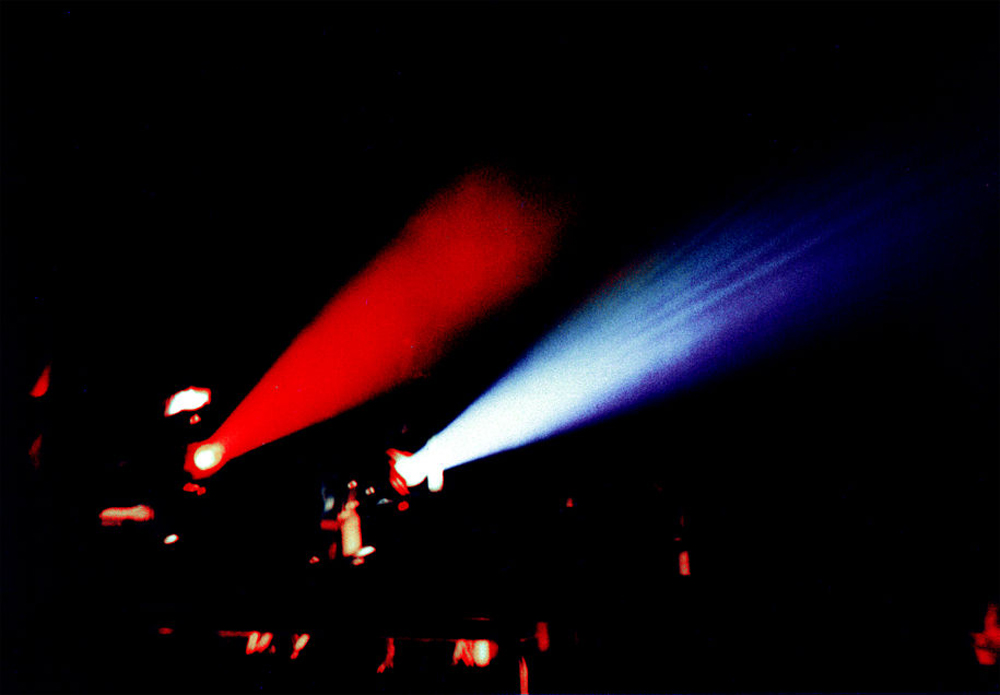
Dual projections of pulsating shards of film, treated in crystallized salts and dyes merge with the whirring of projectors, distilled into particles of sound.
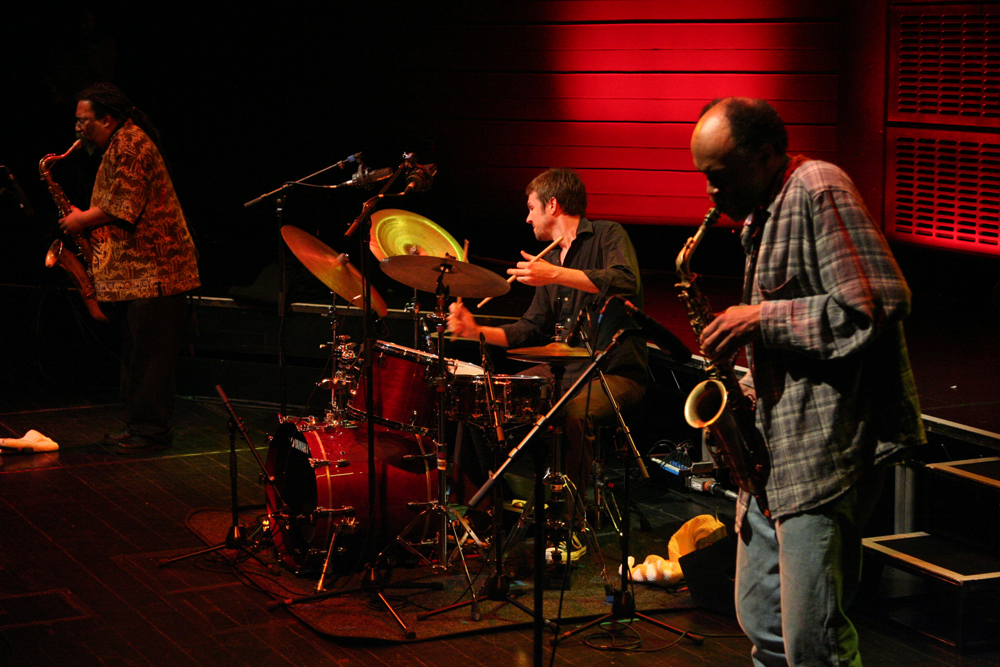
Daniel Carter & Sabir Mateen’s trio with percussionist Andrew Barker; incessantly driving forward through sweat-drenched bursts of pure ecstatic freedom.
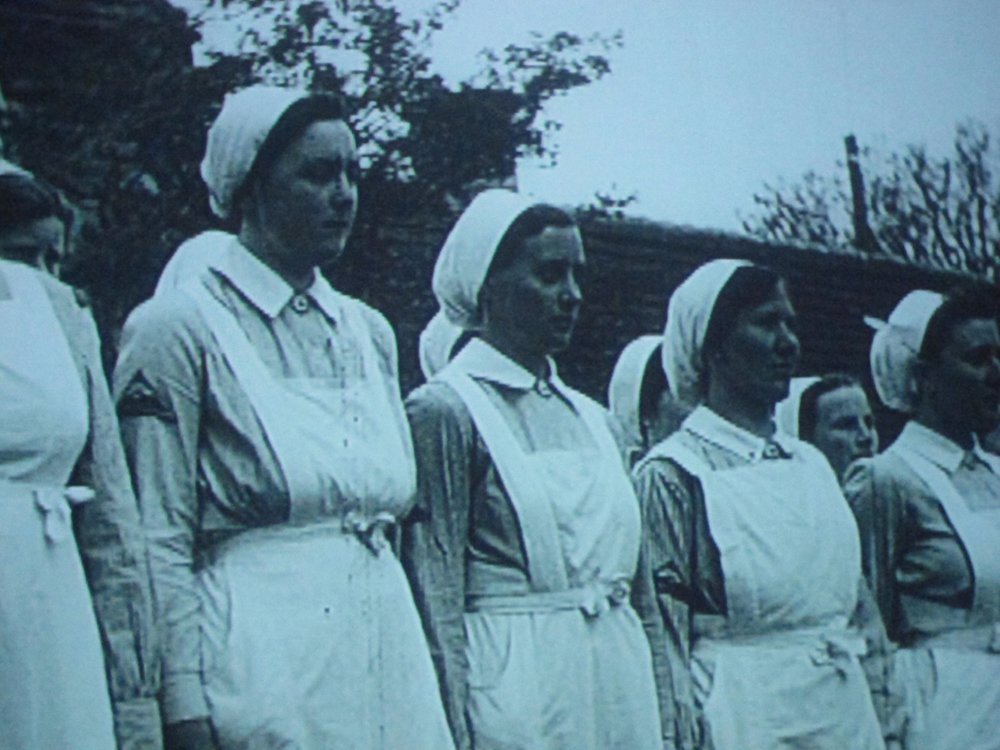
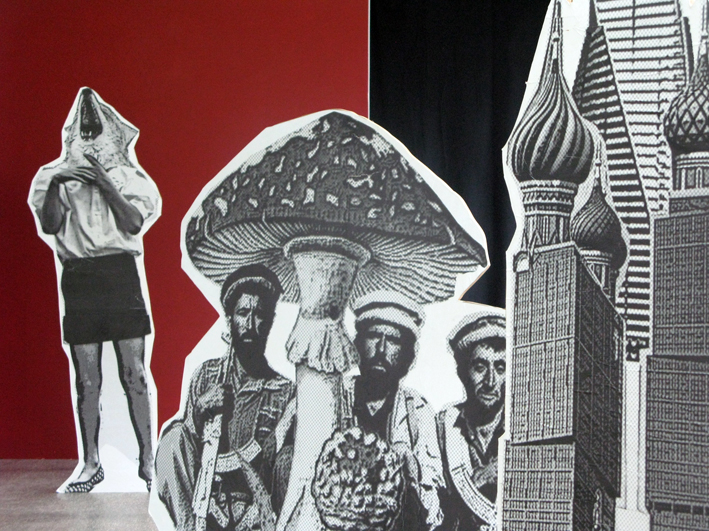
A spectacular musical show which discusses the representation of a nation state, its characters and history. A learning play on myth construction and its reproduction.
Tiny fragments of sound recombined and woven into spare and precise, violent yet beautiful pieces
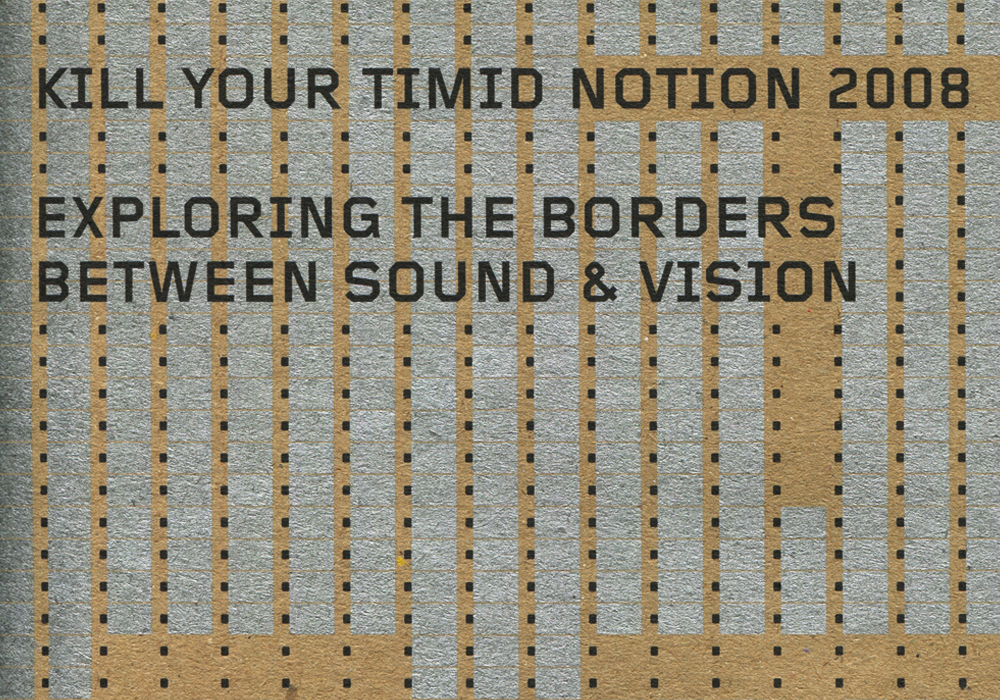
Bringing together artists working with music, sound, film and the moving image, KYTN 2008 saw performances, improvisations, screenings and installations over three days at DCA.
Join activists, academics and artists as they reflect on abolitionist praxis and thought, exploring covergences with gender, poetry, technology, performance, speculation, aesthetics, film and culture. This series of events commemorates Black August and is for anyone who wishes to answer the abolitionist call to action and thought.
A panel exploring the poetics of abolition. “Poetry is not only dream and vision; it is the skeleton architecture of our lives. It lays the foundations for a future of change.”
How can we imagine bodies not as an end in themselves, but as a medium through which we can become one another’s means?