Marc Baron
Marc Baron
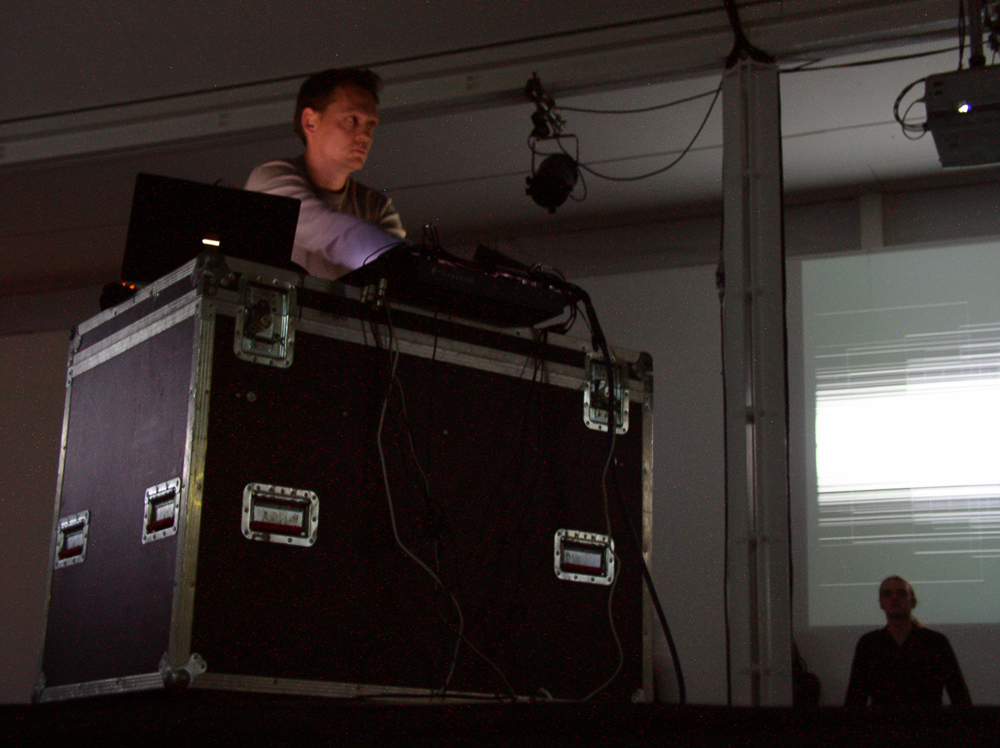
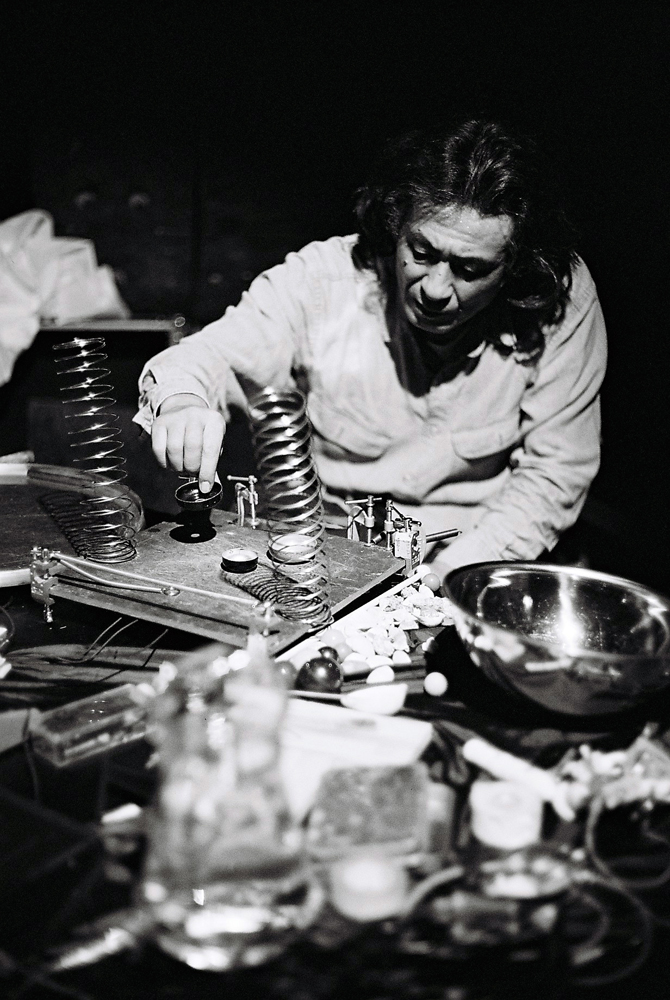
Three speakers play back pre-recorded sounds, Marc listens and responds: “What is played is the imperfect witness of what I listen to (or maybe better, how I listen).”
Arika have been creating events since 2001. The Archive is space to share the documentation of our work, over 600 events from the past 20 years. Browse the archive by event, artists and collections, explore using theme pairs, or use the index for a comprehensive overview.
Three speakers play back pre-recorded sounds, Marc listens and responds: “What is played is the imperfect witness of what I listen to (or maybe better, how I listen).”
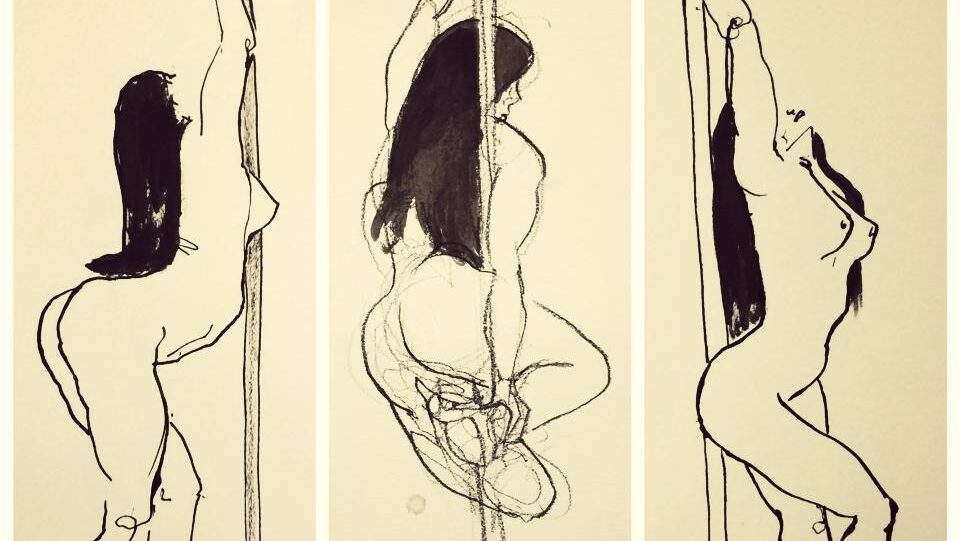
Life drawing class for artists of all genders, backgrounds and levels of ability, 18+. Draw strippers and sex workers as they perform their usual club routines, in a different context; from the strip club to the art gallery.
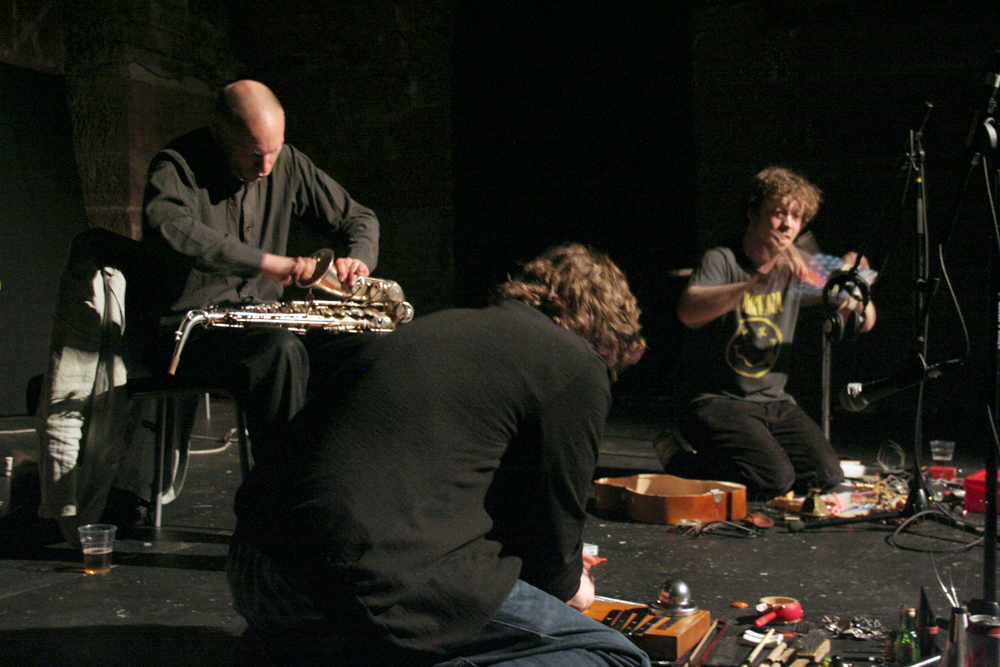
Usurper luddite twins’ disabled instruments play a game of pick-up-sticks with the deconstructed horn of a young Derby opponent.
Akio Suzuki and John Butcher performing in an abandoned oil tanker on Hoy.
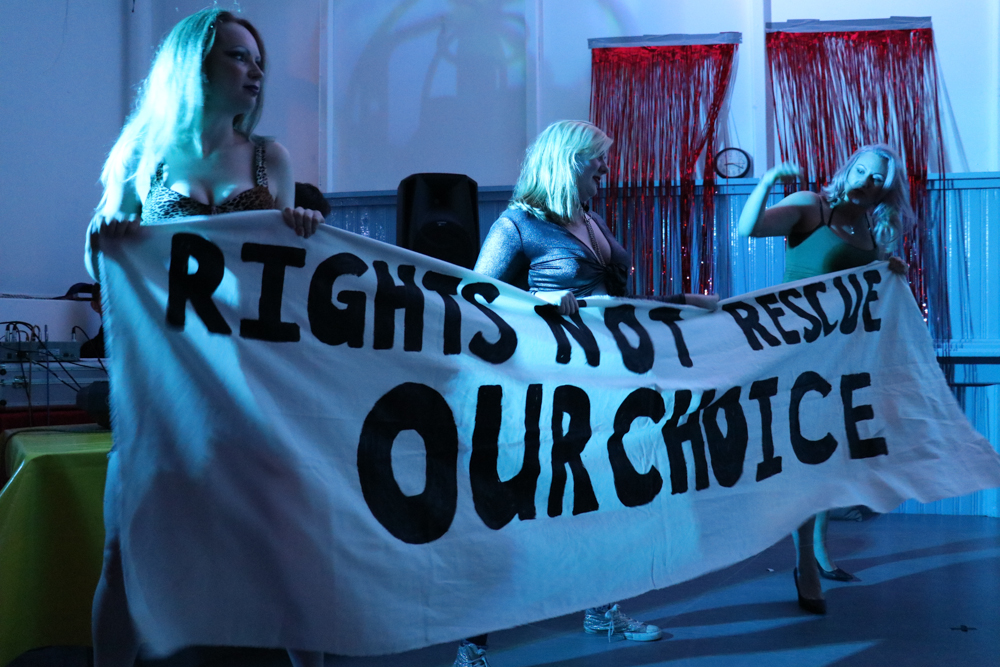
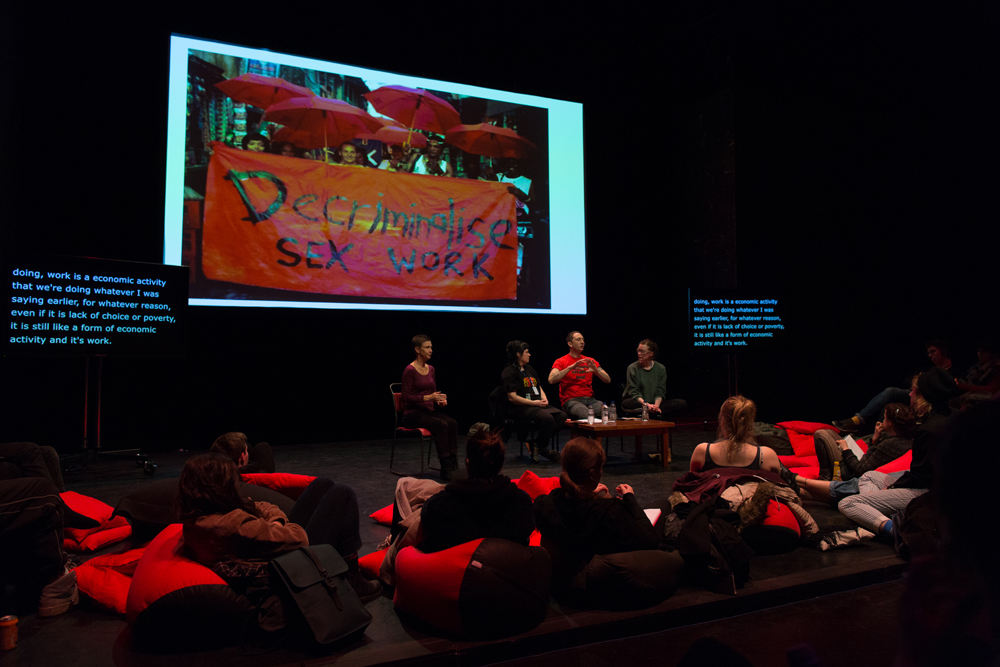
A party and fundraiser to support Sex Workers’ struggles and LGBT Unity with music and performances from the sex workers’ community and allies, plus DJ’s and dancing.
60 cycle hums, jagged static cracklings, and clipped electron pinpricks, mutating them into sublime, post-techno grooves
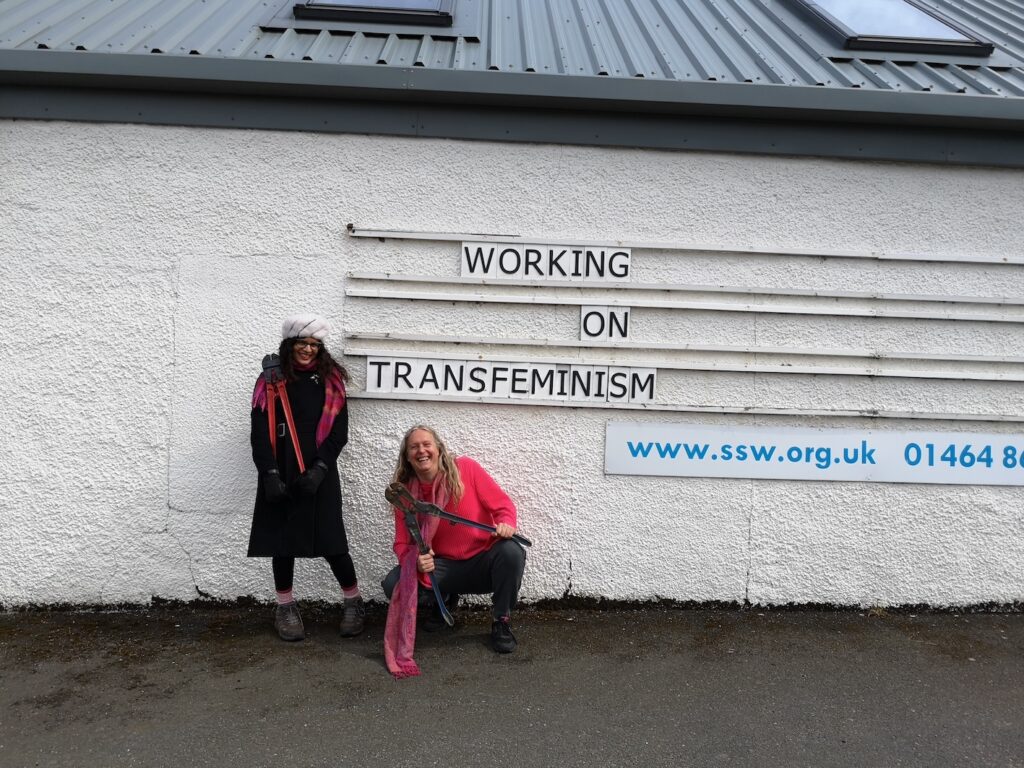
Nat Raha and Mijke van der Drift undertake two intensive writing residencies at Scottish Sculpture Workshop in Lumsden and Hospitalfield in Arbroath.
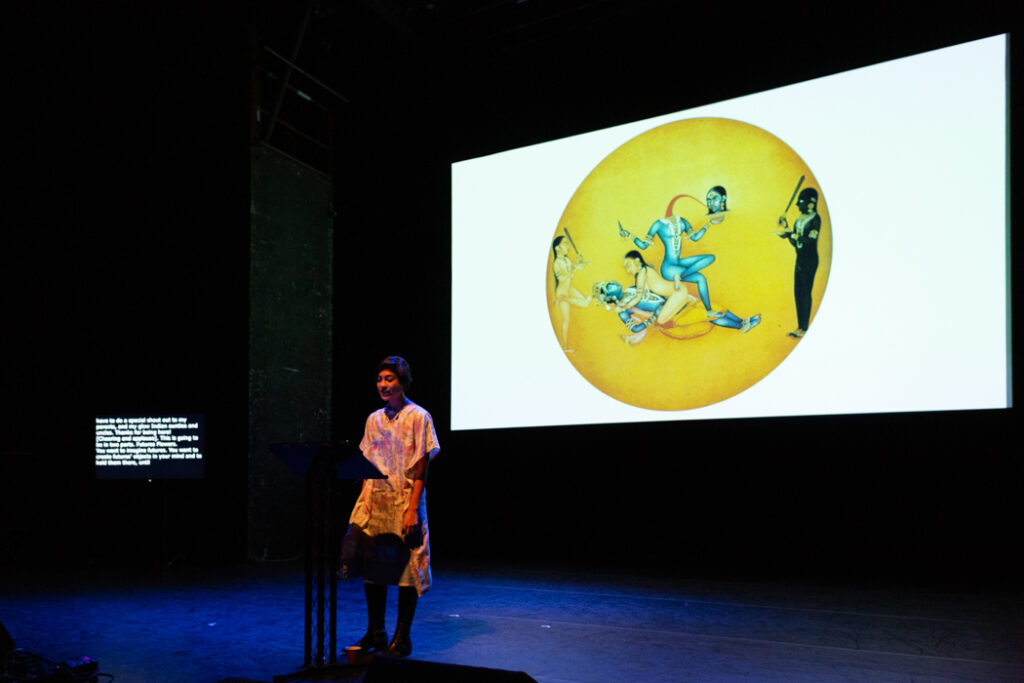
In Ramayya’s visionary poetry, the body assumes as many forms as love produces states: attraction and repulsion, excitement and exhaustion, selfishness and the dissolution of self.
A short chat about what we (Arika) might be trying to do with our program for the Biennial.
Durational group-mind drone and clatter: bamboo, electronics, the contents of your local ironmongers bin. A 3-hour set from this legendary Japanese improvisation group.
The struggle for sex workers’ rights and how we can understand it in the continuum of care work and other forms of invisibilised and precarious work.
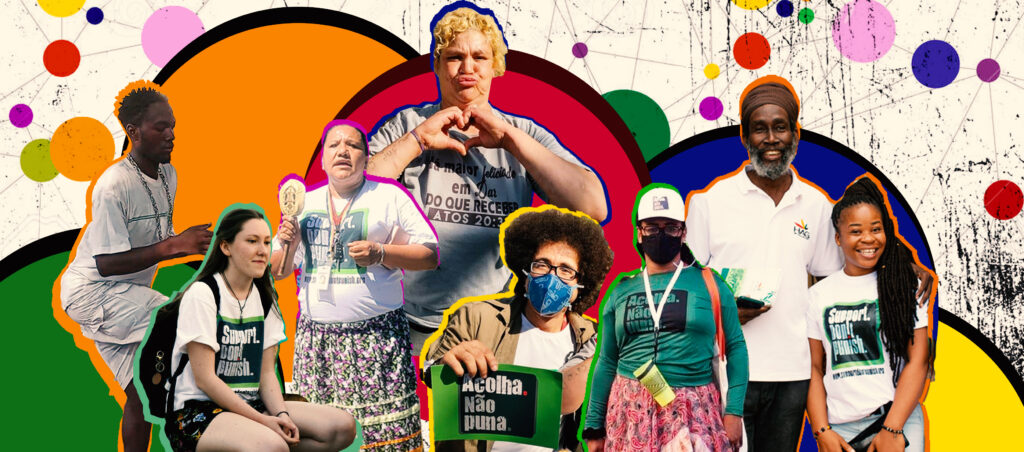
Rather than asking the state for services, what kinds of change are made possible when we prioritise people supporting each other?