Bleu Shut
Bleu Shut reveals, and allows us to enjoy, our gullibility within the pervasive absurdity of modern life.
Arika have been creating events since 2001. The Archive is space to share the documentation of our work, over 600 events from the past 20 years. Browse the archive by event, artists and collections, explore using theme pairs, or use the index for a comprehensive overview.
Bleu Shut reveals, and allows us to enjoy, our gullibility within the pervasive absurdity of modern life.
A specially commissioned performance for organ. “The course of the stars were to be put to sound.”
Noise music for the eyes: projectors turned into instruments, B&W film loops into a thrumming riot of colour, motion and sound.
Sachiko’s very simple, pure sine tones and structures. Otomo on double pianos. Filament’s music isn’t composed and it isn’t improvised: it’s a hybrid of the two.
Rhodri Davies plays two deconstructed harps. Lee Patterson examines the sonic properties of burning nuts.
Out of a dark haze, shafts of light emerge, as the emulsion is scratched from the surface of the film. Simultaneously, out of the black silence, noise and audible scratches bloom into a bright drone.
In the Foyer at the Tramway we will screen a documentary from the Sex Workers’ Festival of Resistance 2017 and La Llamada by Eduardo Restrepo Castaño.
Power-electronic klutz behaviour indecipherable blasphemies, cuts, bruises and broken microphones by Kovorox Sound head-honcho Lea Cummings.
For day three of Ultra-red’s project, the investigation will take up protocols for listening to the sound of freedom composed and facilitated by Nancy Nevárez.
A celebration of risk taking and adventure from some of the boldest pioneers of the past 40 years, melding avant garde and underground forms of music and moving image to create new experiments and experiences in sight and sound.
The worlds leading radio art station brings you: a performance, a radio show, an installation, an endurance test.
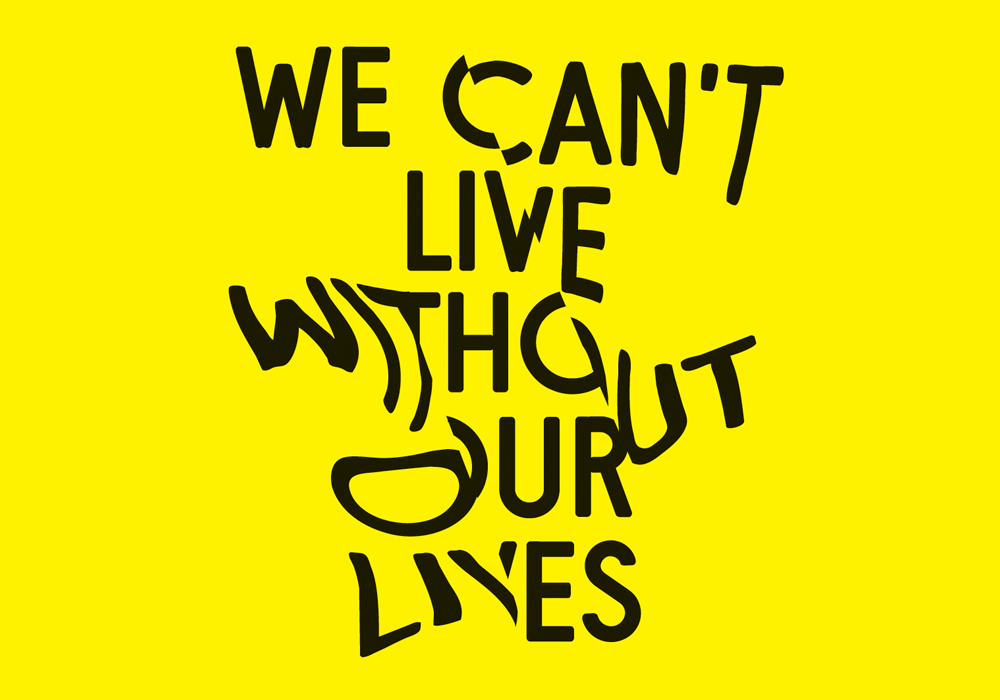
If life is assaulted by power, where do we find spaces for living? A conversation with Peter Pál Pelbart.