Anoyonodekigoto
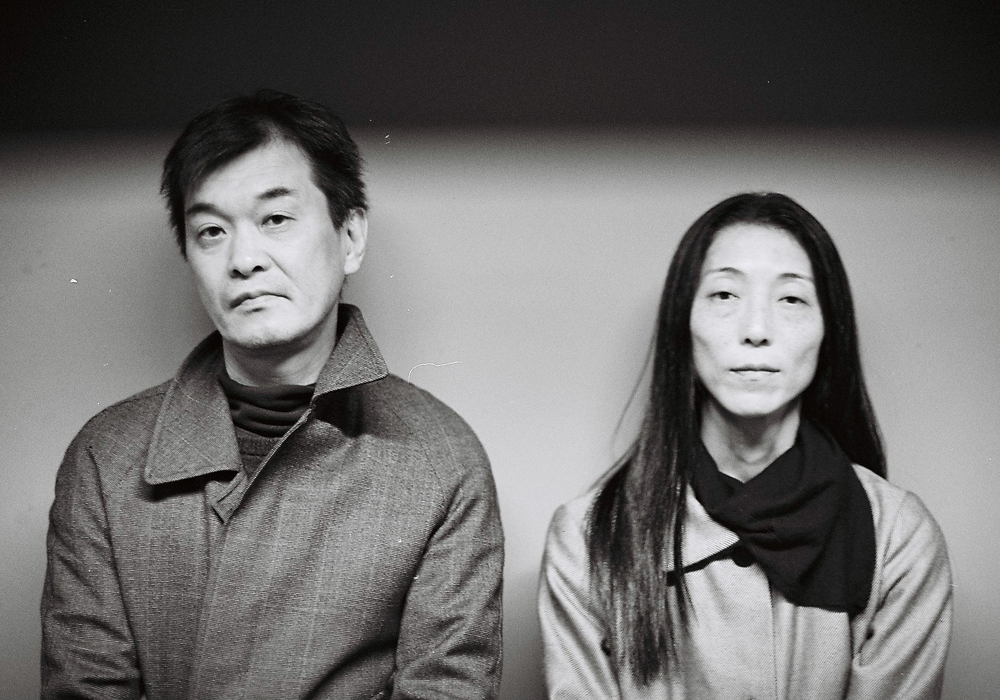
Ikuro Takahashi Yoko Muronoi
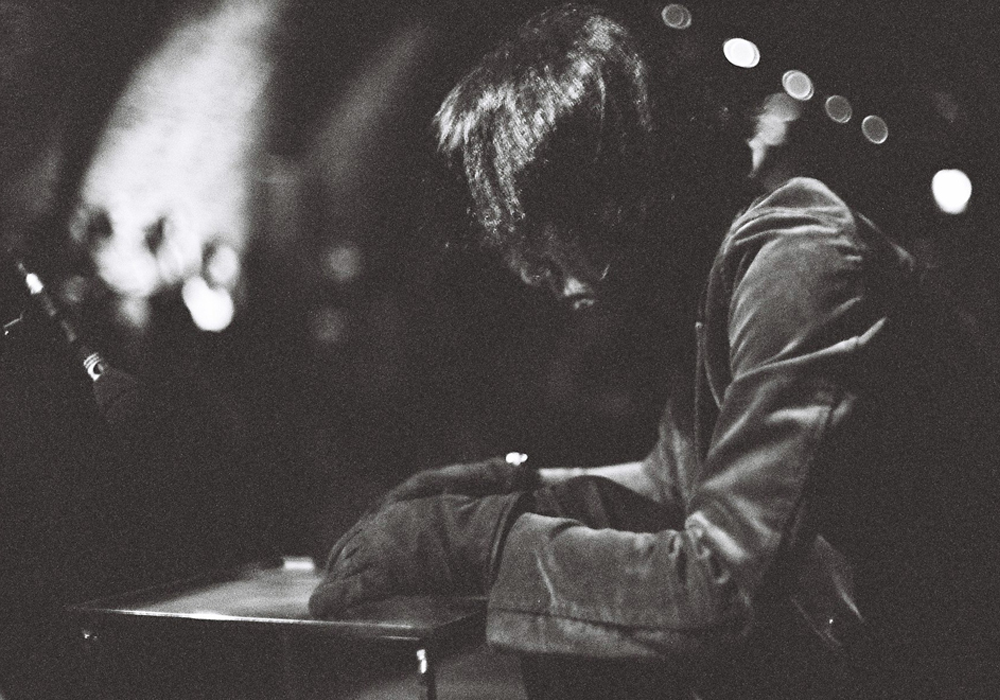
A collaborative duo performance, Anoyonodekigoto sets up a sort of negotiation between a musician, a dancer, the audience and the space we’re all sharing.
Arika have been creating events since 2001. The Archive is space to share the documentation of our work, over 600 events from the past 20 years. Browse the archive by event, artists and collections, explore using theme pairs, or use the index for a comprehensive overview.
A collaborative duo performance, Anoyonodekigoto sets up a sort of negotiation between a musician, a dancer, the audience and the space we’re all sharing.
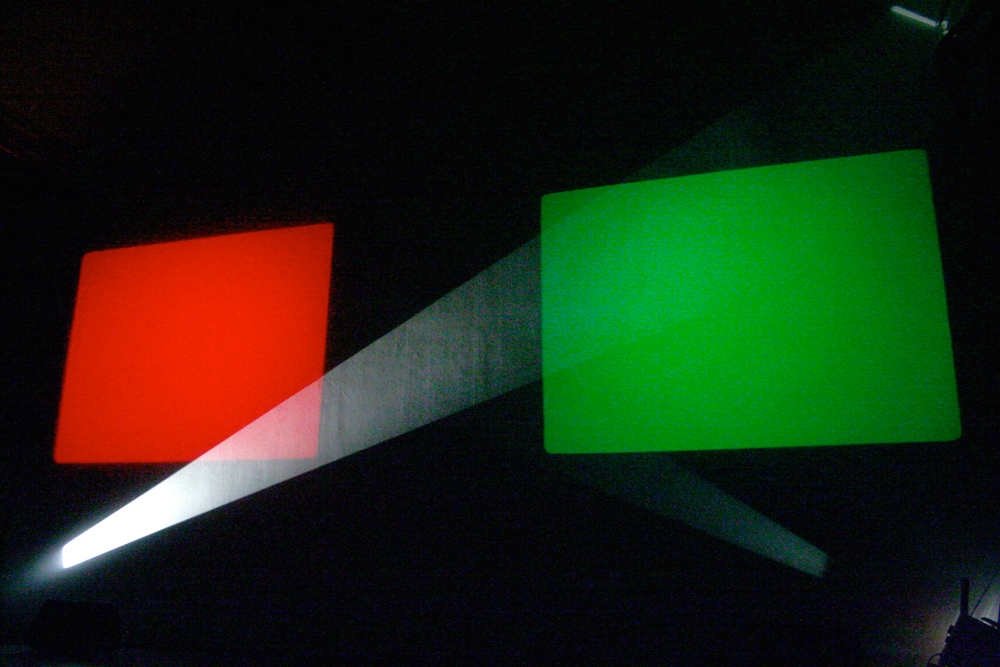
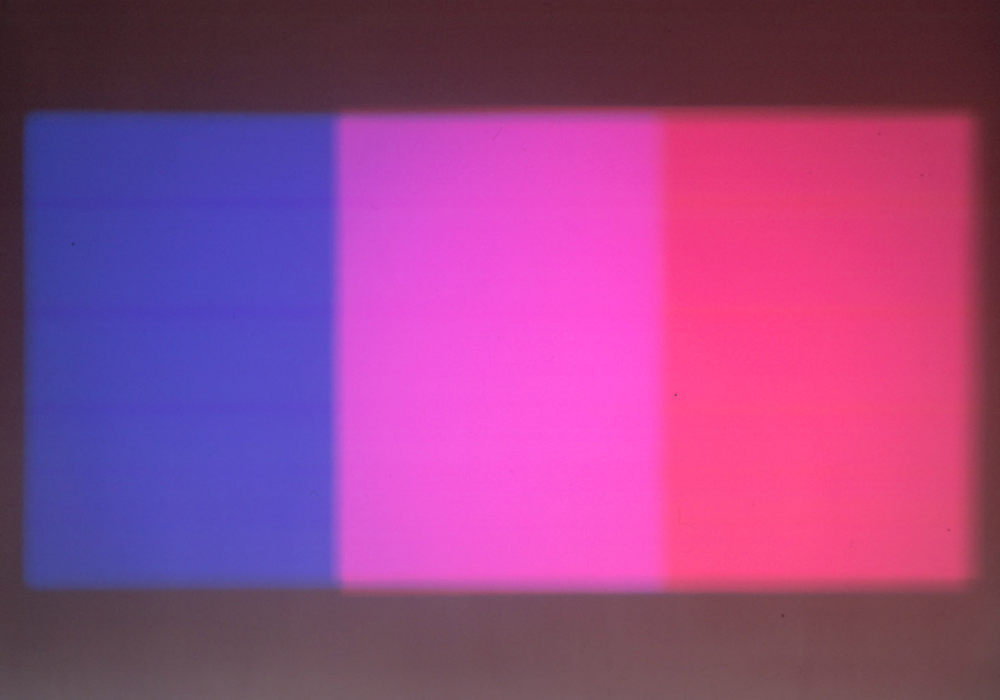
Wave Formations is a 5 screen work in which each screen runs through a series of fades and then stroboscopic flashes of colour, to create a series of visual harmonics.
A performance for dry ice and four specially constructed steel tables, each one heated by a single candle until searingly hot.
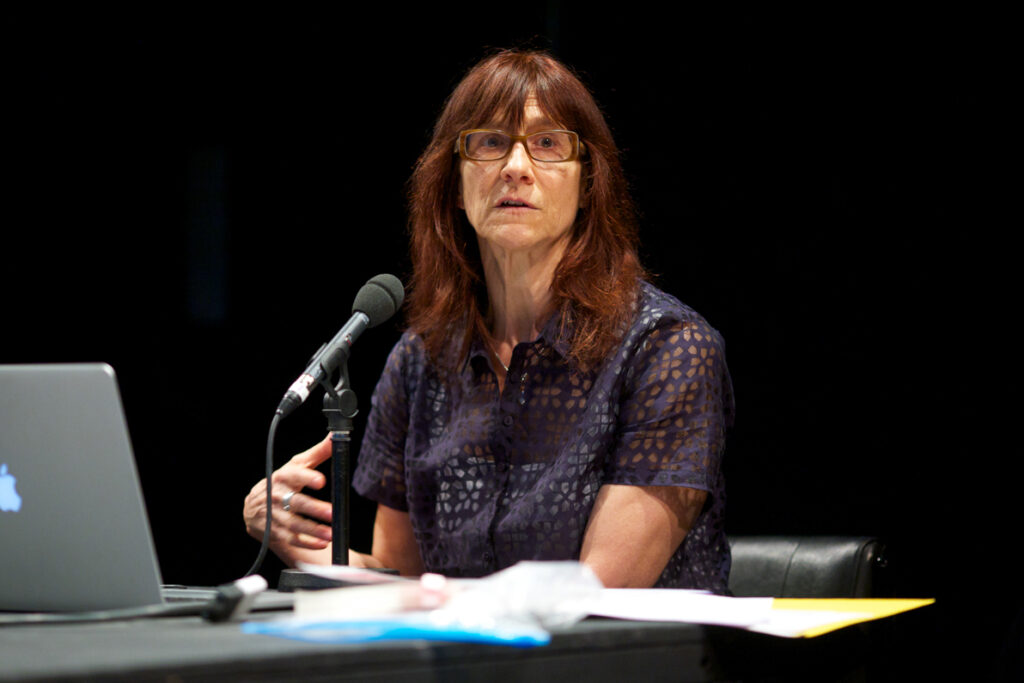
Vanessa Place talks at The Friday Event series at the Glasgow School of Art about her practice as a writer.
Inspired by the supernatural horror of H. P. Lovecraft, black metal and a sense of worry as to what constitutes an object, or a world.
Jumping off from Sun Ra’s thoughts on evil, and the Alien films, this performance will explore how the sociality Sondra wants to visualise and participate in has no interest in respectability.
The role of feelings in public life, (political) depression and creative survival.
Shutter Interface is an expanded cinema piece: a series of machinegun bursts of chromatic relationships and visual harmonics in an overwhelming montage
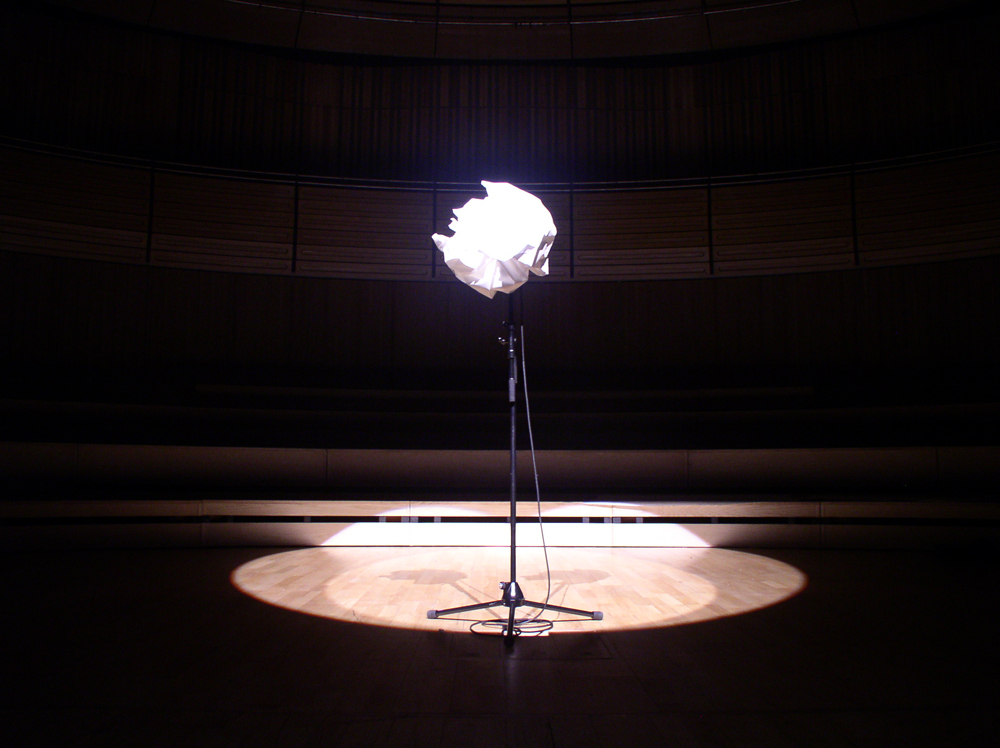
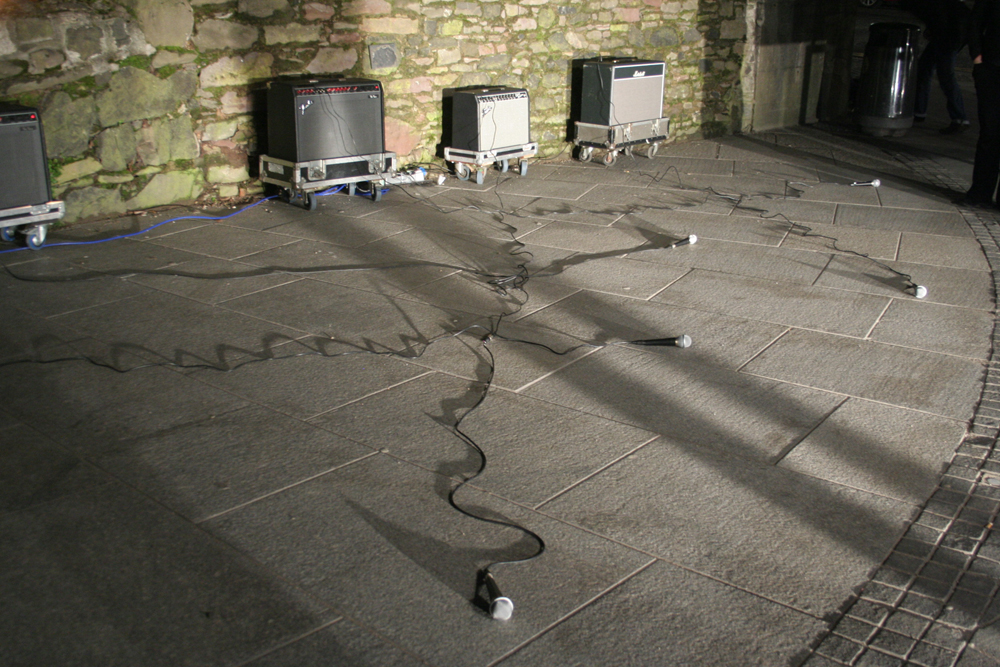
MICRO 1 – Wrap a live microphone with a very large sheet of paper. Make a light bundle. Keep the microphone live for another 5 minutes. T. Kosugi – (1961)
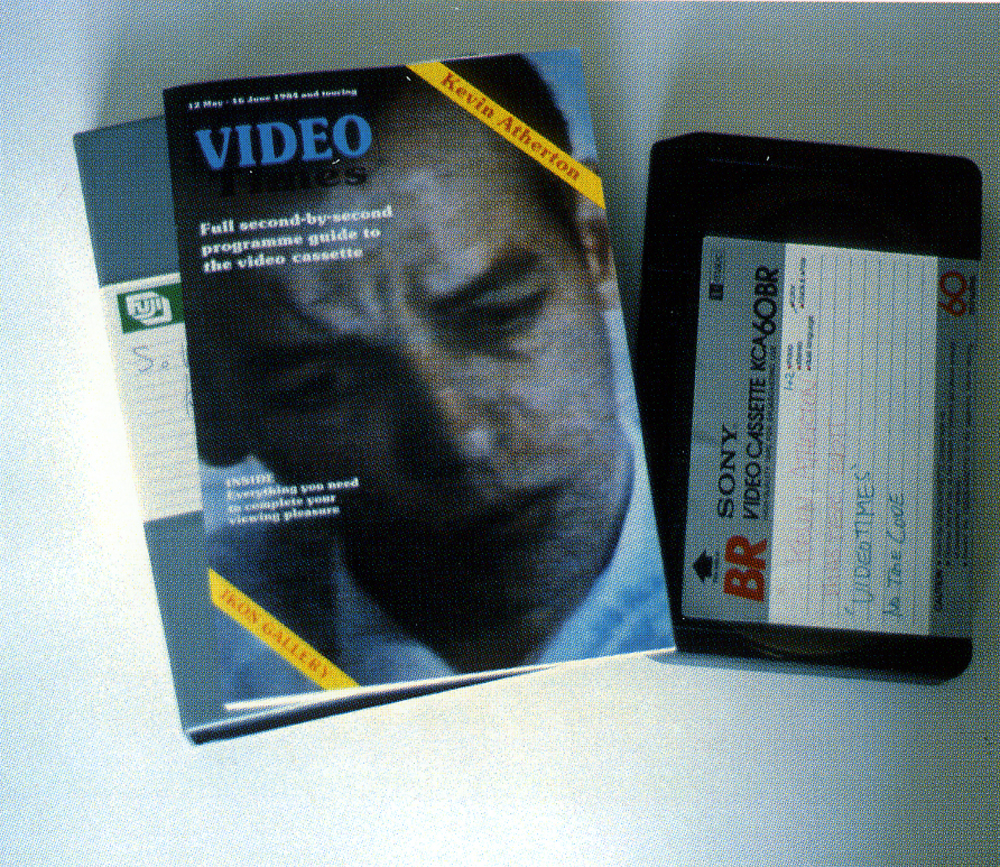
Conceived of as a dual publication, video cassette and booklet, to be presented as an installation. The content of the videotape is the artist watching television.
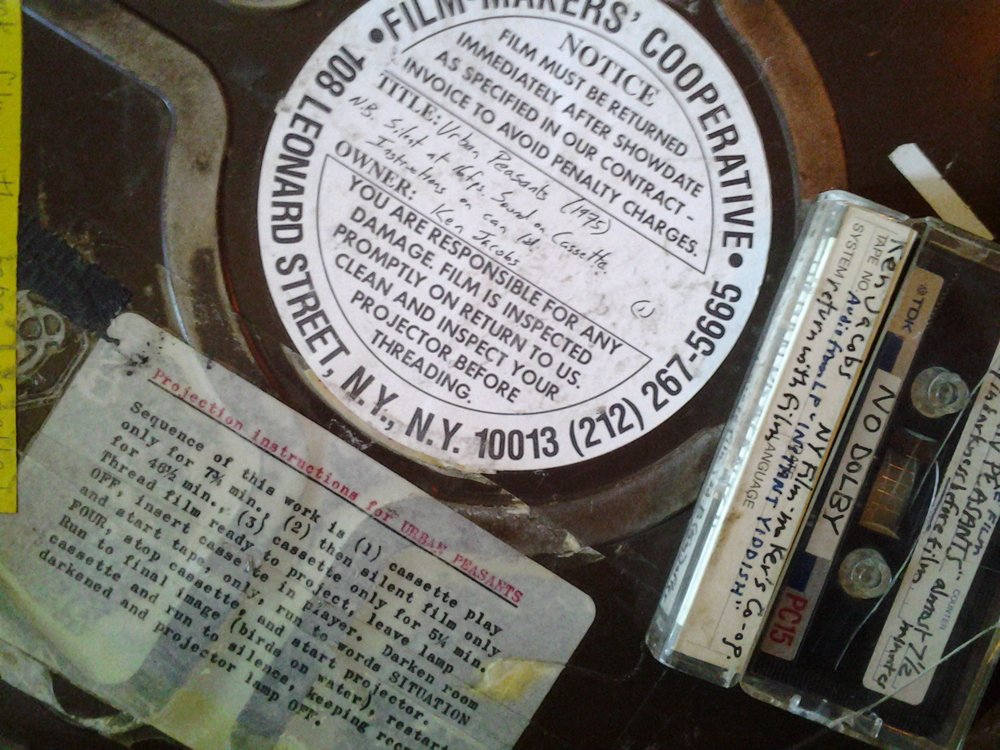
Do almost nothing: re-present (unaltered and arranged by chance) silent family home movies handed down to Flo, (Ken’s wife) and follow them with a “teach yourself Yiddish” cassette tape.
Can we use sound, repetition and difference to personally and collectively engage with space, time and labour?