


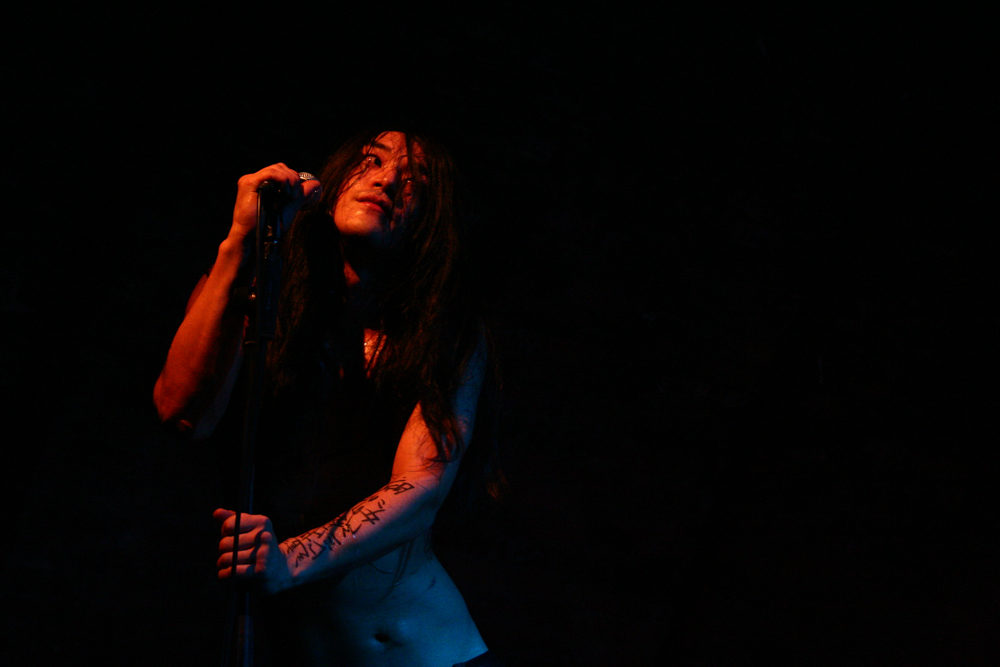
13 October 2006
The Arches
Oshiri Penpenz
Oshiri Penpenz
No Wave, damaged garage jams and crazed instant vocal shrieks.
INSTAL 06
Arika have been creating events since 2001. The Archive is space to share the documentation of our work, over 600 events from the past 20 years. Browse the archive by event, artists and collections, explore using theme pairs, or use the index for a comprehensive overview.
No Wave, damaged garage jams and crazed instant vocal shrieks.
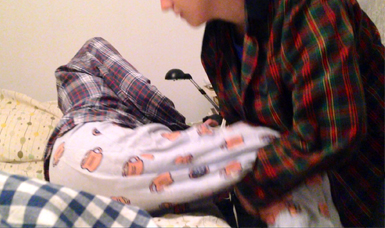
How can we imagine bodies not as an end in themselves, but as a medium through which we can become one another’s means?
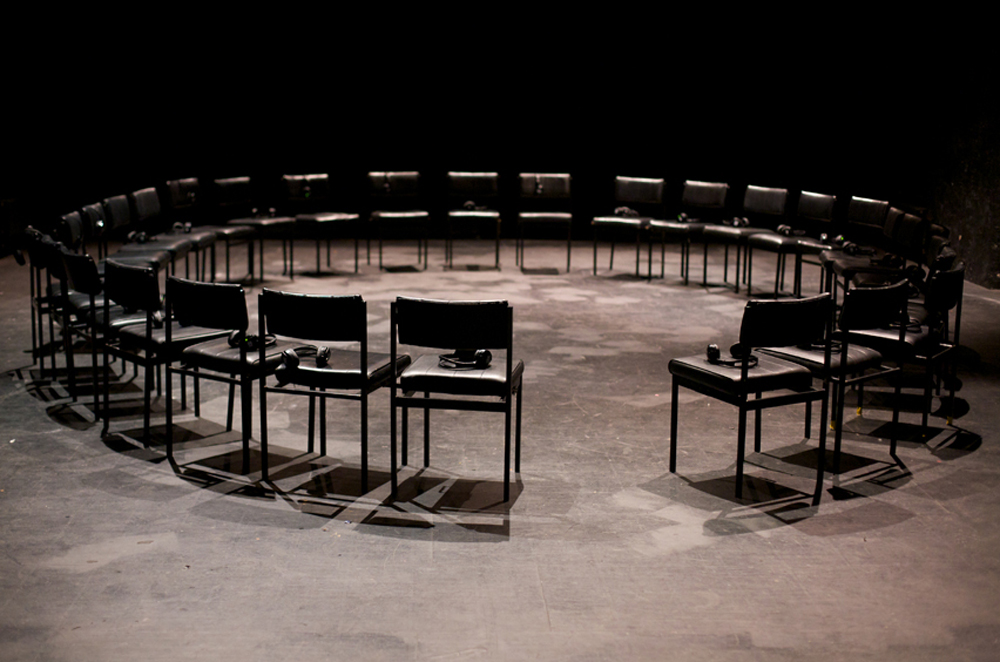
The Echo project is an installation as audio guide for a crowd. And at the same time it’s a private conversation: with you, as one of 20 people in a room, a sort of public intimacy.
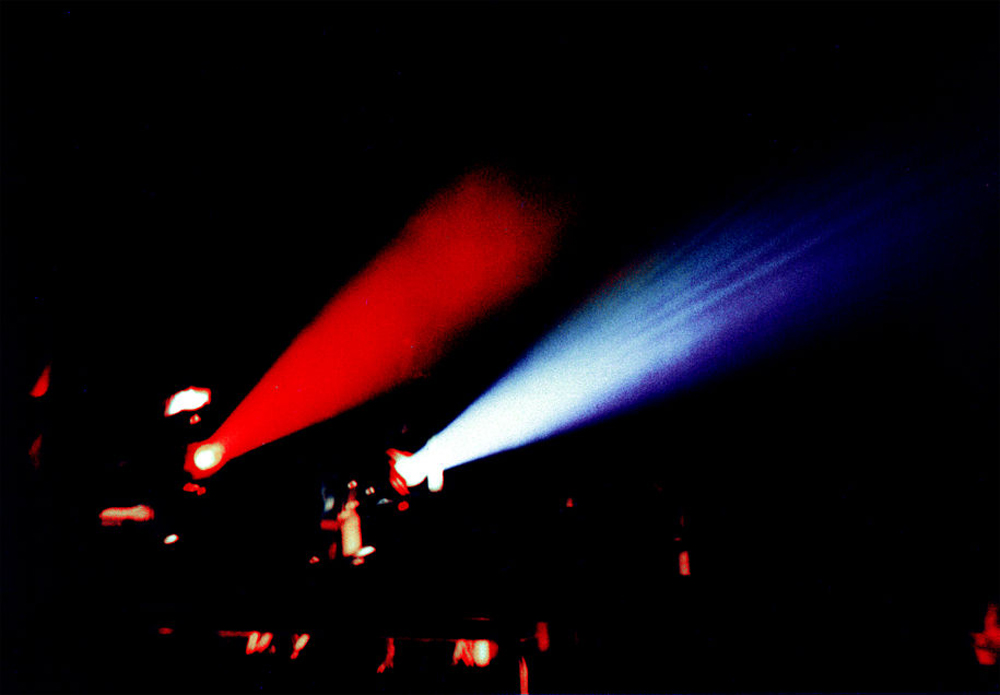
Dual projections of pulsating shards of film, treated in crystallized salts and dyes merge with the whirring of projectors, distilled into particles of sound.
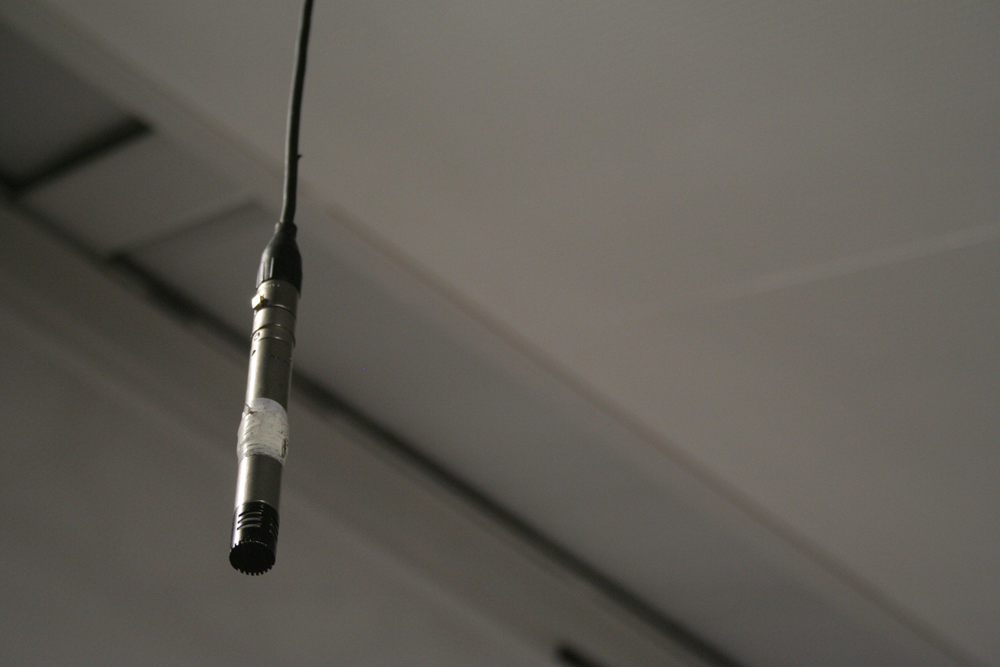
Taking a scalpel to the relationship between performer and audience: cutting something out to see what’s left, a drastic subtraction and shift of emphasis.
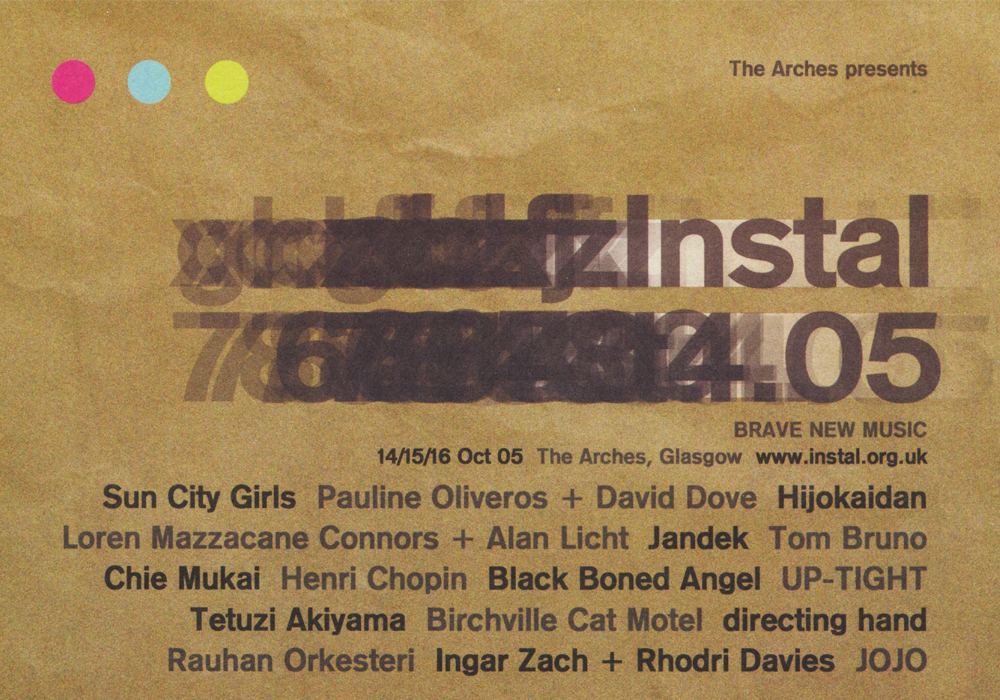
A cast of pioneering spirits over an expanded three day festival including Jandek (one year on from his first ever show at INSTAL 04), JO-JO, Tetuzi Akiyama,Tom Bruno, Pauline Oliveros, a legendary Hijokaiden performance and Henri Chopin.
Edinburgh. Beer and smoke befuddled drone/ deadly efforts by Pjorn72 kingpin.
Voguing, drag, clubbing, and the politics of communities making different performances of gender and sexuality visible.
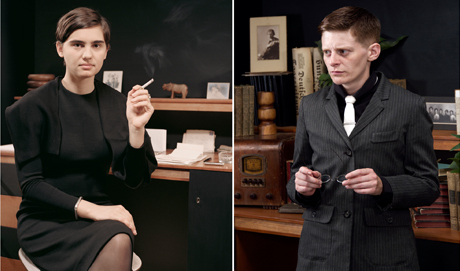
Seven women recite monologues composed from texts from the vibrant years of the Weimar Republic. A kind of cultural echo: an experience of histories brought to the present.
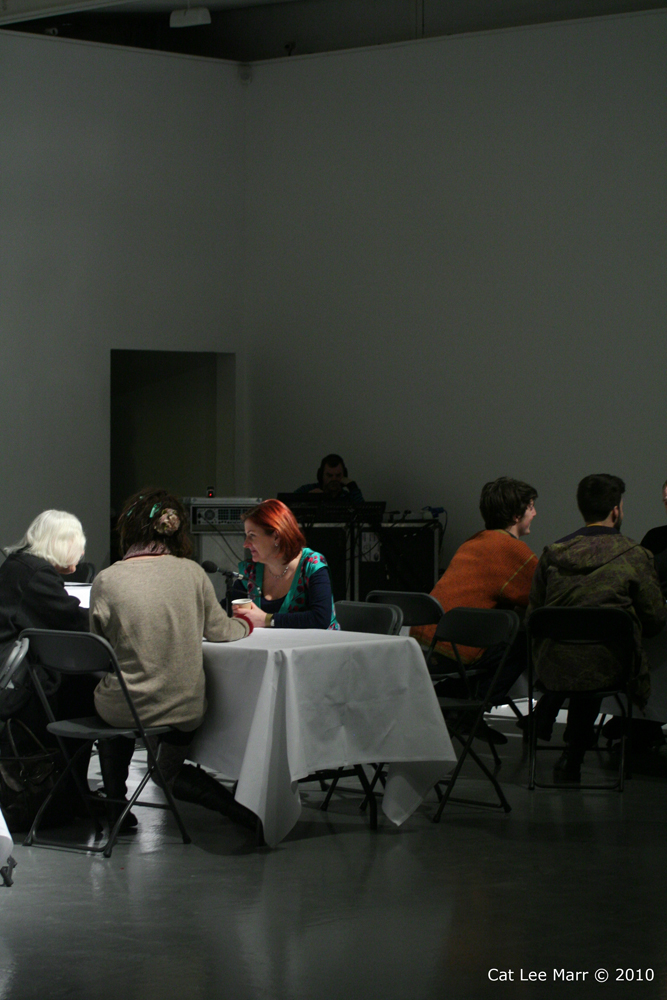
A changing pool of people (40 or so at a time – artists, audiences, etc) talk for 90 minutes in a simultaneous series of open-ended round-table discussions, structured like speed dating, and mixed live as both a concert and for radio broadcast.
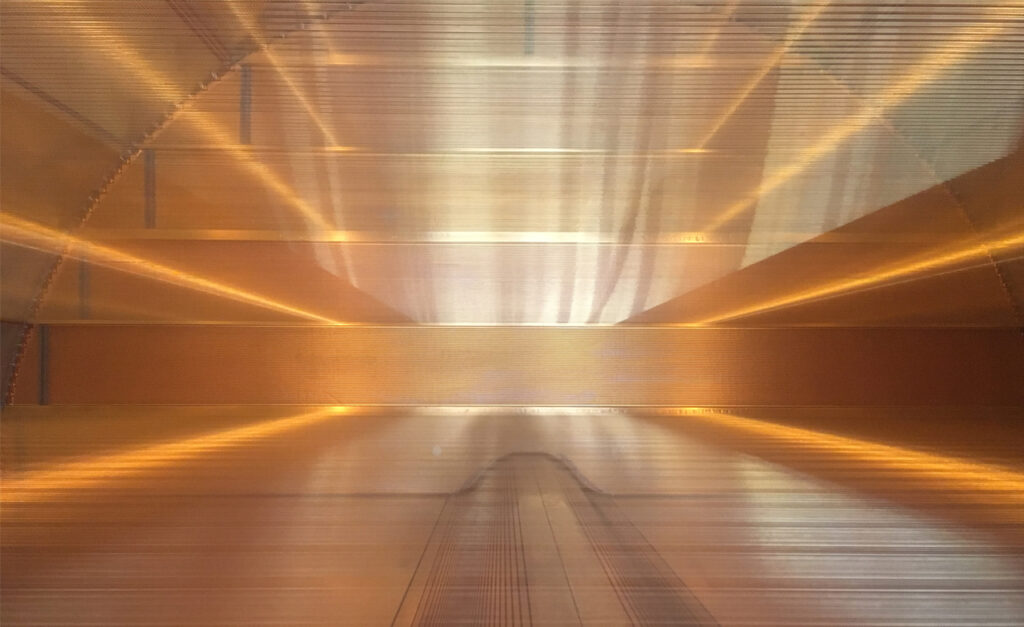
Do ideas emerging from particle physics help to re-think of blackness as a mode of life in which it’s possible to practice difference without separation?
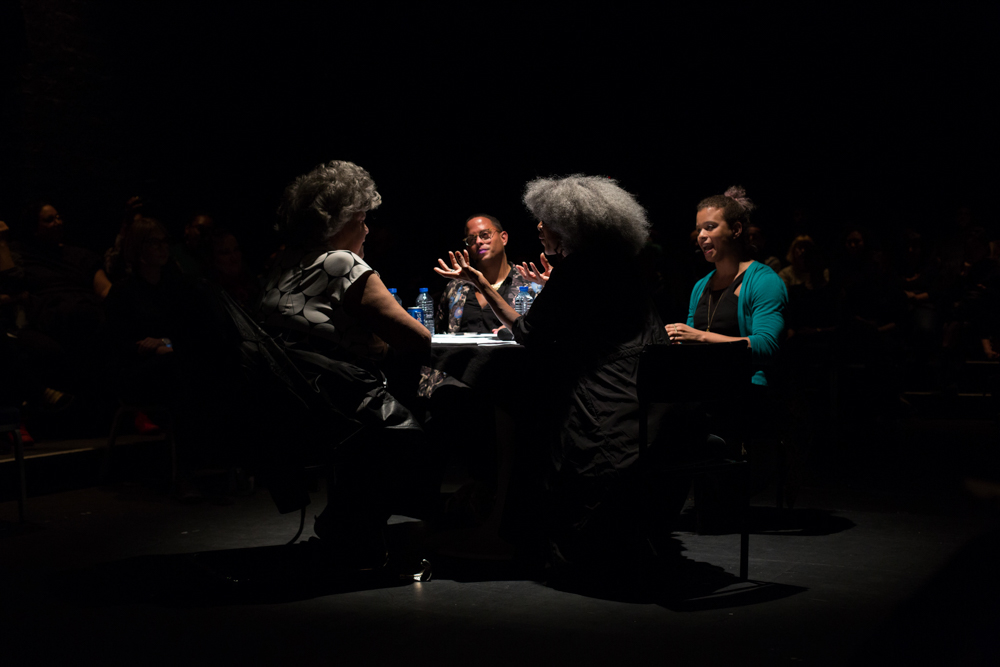
How do communities practice being one another’s means, addressing their material problems facing them replicating the state’s violent logic of who is disposable.