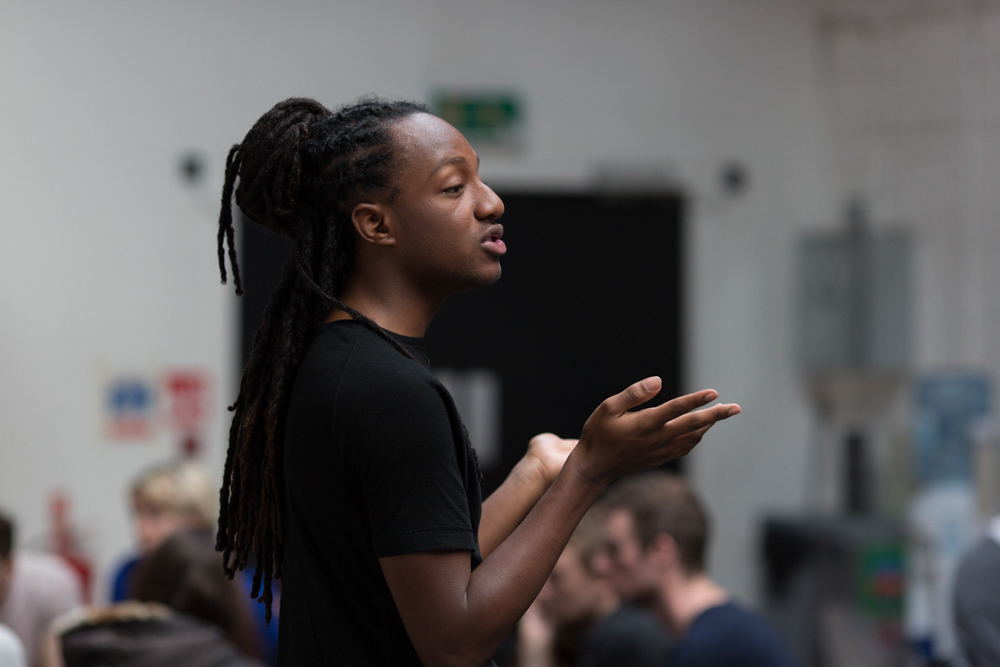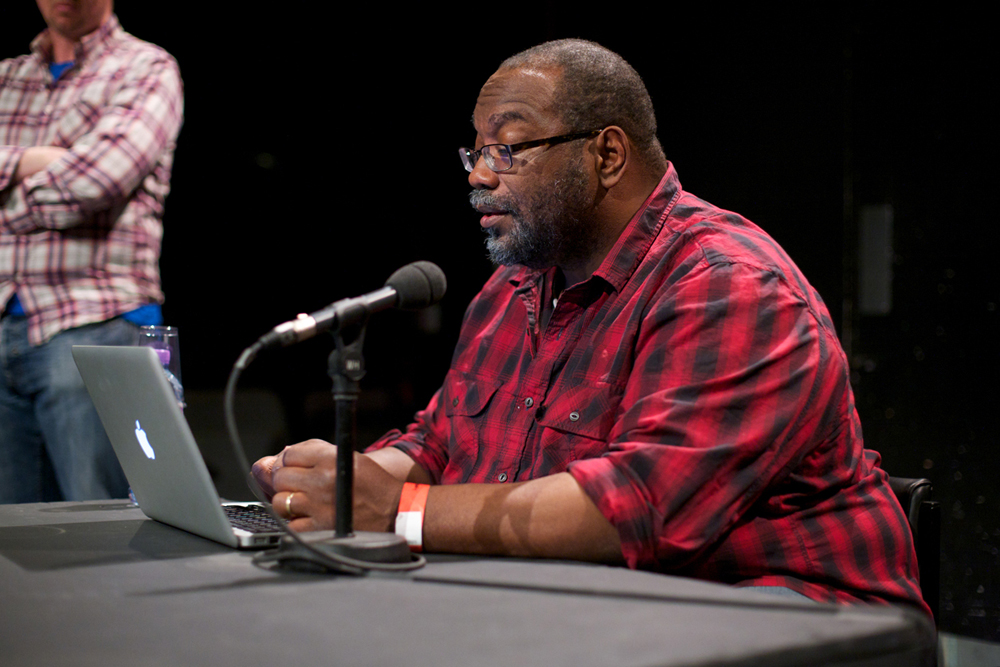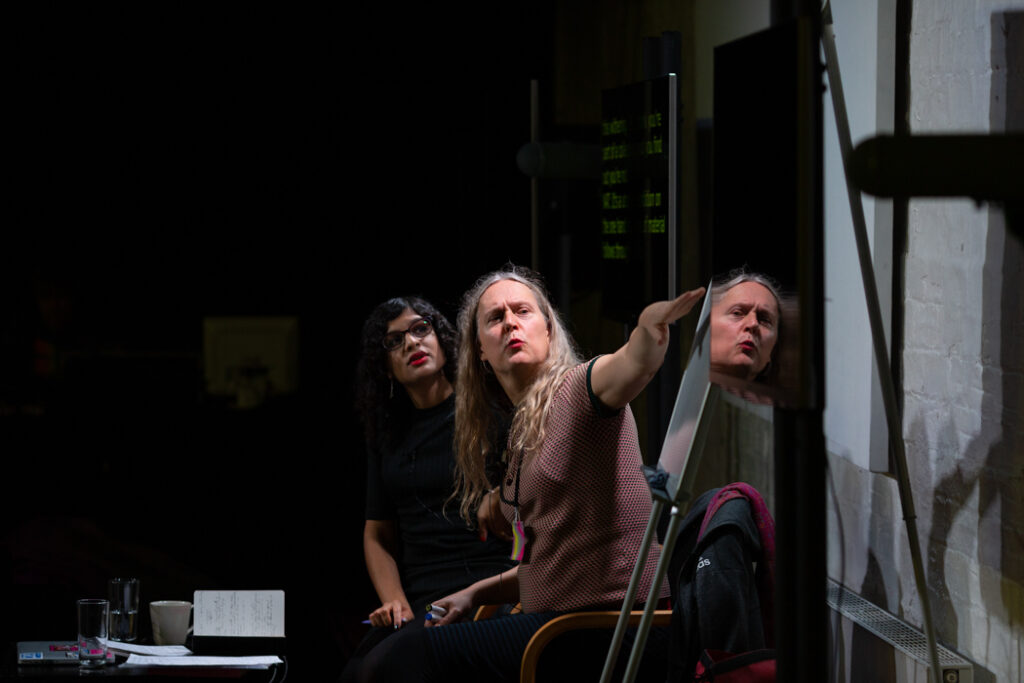
Sex Workers’ Festival of Resistance
A Festival supporting the struggle for Sex Workers’ Rights: share knowledge, discuss, dance and strategise!
Arika have been creating events since 2001. The Archive is space to share the documentation of our work, over 600 events from the past 20 years. Browse the archive by event, artists and collections, explore using theme pairs, or use the index for a comprehensive overview.
A Festival supporting the struggle for Sex Workers’ Rights: share knowledge, discuss, dance and strategise!
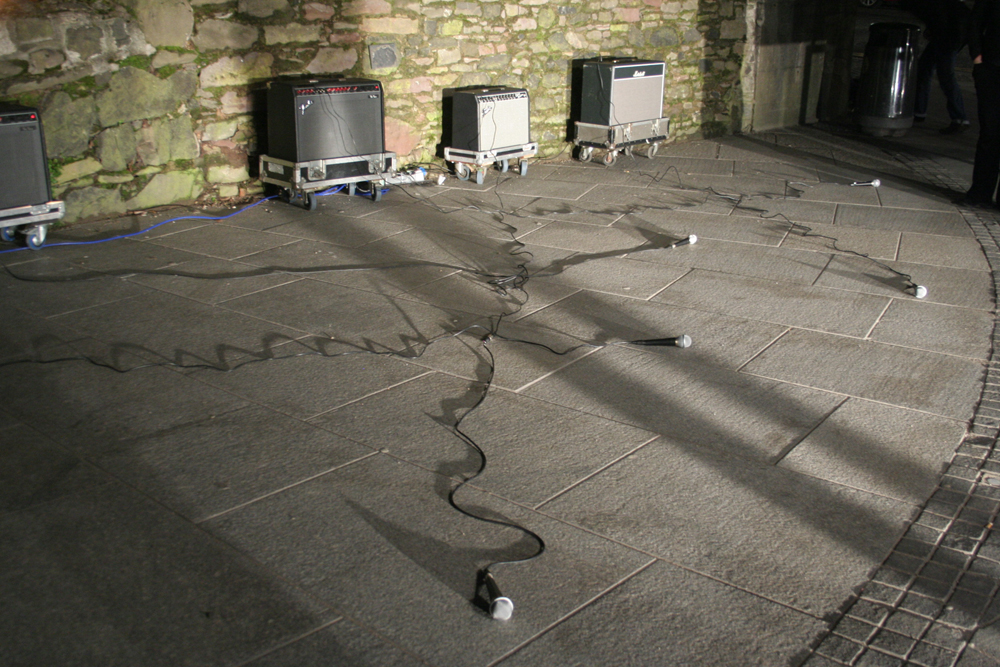
Can we use sound, repetition and difference to personally and collectively engage with space, time and labour?
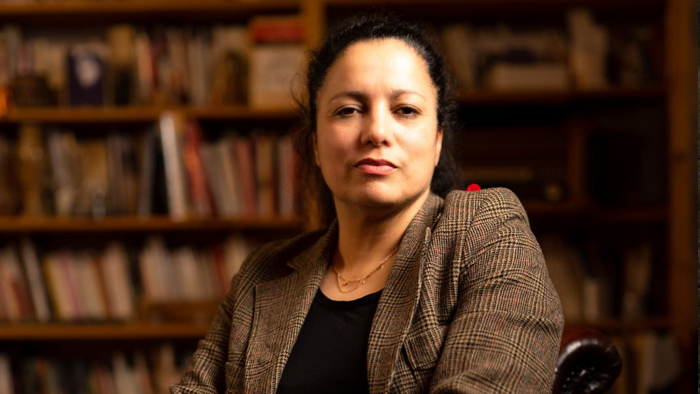
The practice of North African Indigenous revolutionary love, in the face of European capitalist violence and settler colonialism, with one of the most vital anti-colonial thinkers in Europe.
A collaborative social justice project that uses art, activism and awareness to combat the systemic oppression facing young, trans, queer & gender nonconforming people of colour.
A queer black operatic requiem for piano and voice that asks us to stay in the hold of the slave ship, that tries to understand the connection from the slave ship to the prison.
In many ways, this Episode is our attempt to engage with Fred’s incredible writing: with his proposal that all black performance (culture, politics, sexuality, identity, and blackness itself) is improvisation.
Deliberately blurred drones, absent of definite structure or rhythm, framed in silence and devoid of any distraction from the pure matter of sound.
When we look, how do we objectify the body; how can we reflect on our (self) image as a construction?
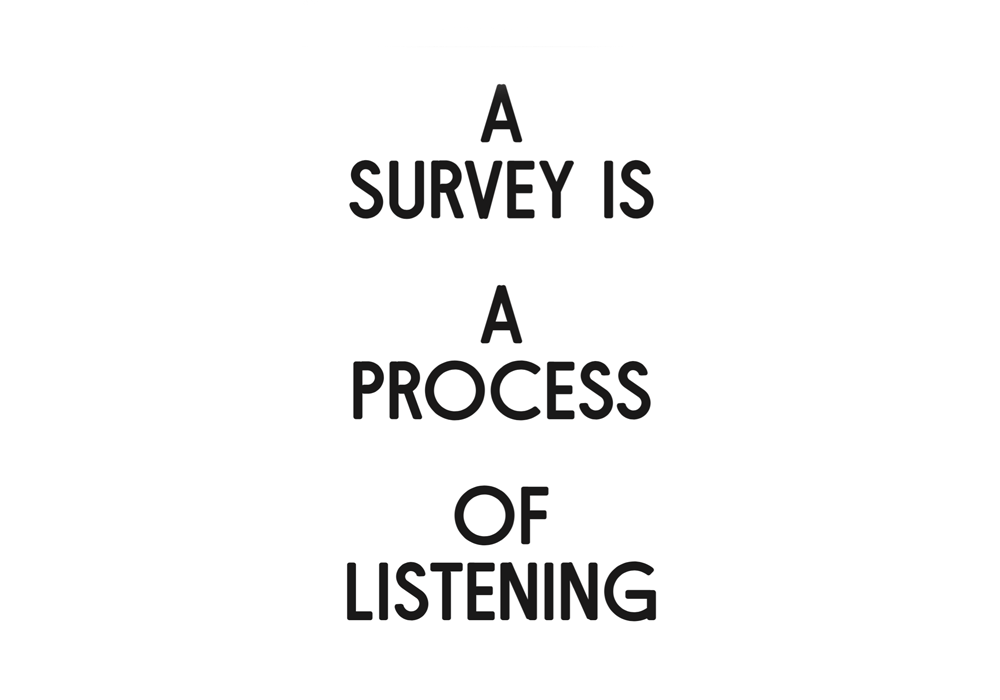
A performative survey of listening, as we managed to find it being used as a tool in different practices, disciplines and communities in North America (music, poetry, film, philosophy, activism…).
For musical chameleon Richard Youngs both his creative and family life are focused in the room that many of us consider the centre piece of our lives.
Underlying radical transfeminism, as an urgent critique of binary essentialism and fixed identities, is the call for a new kind of thinking that can move between and integrate the truths of all lives in their transformations.
The second in a series of workshops for workers and non-workers who care. What does the sharing of vulnerability entail? Can such a sharing inform progressive social relations?