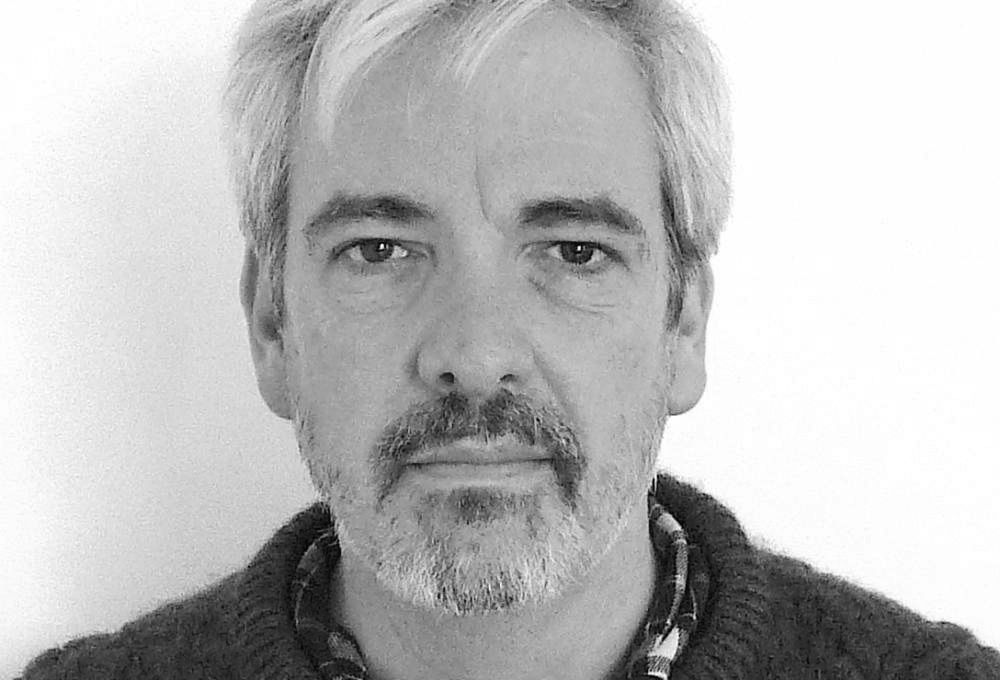
John Mullarkey
John Mullarkey
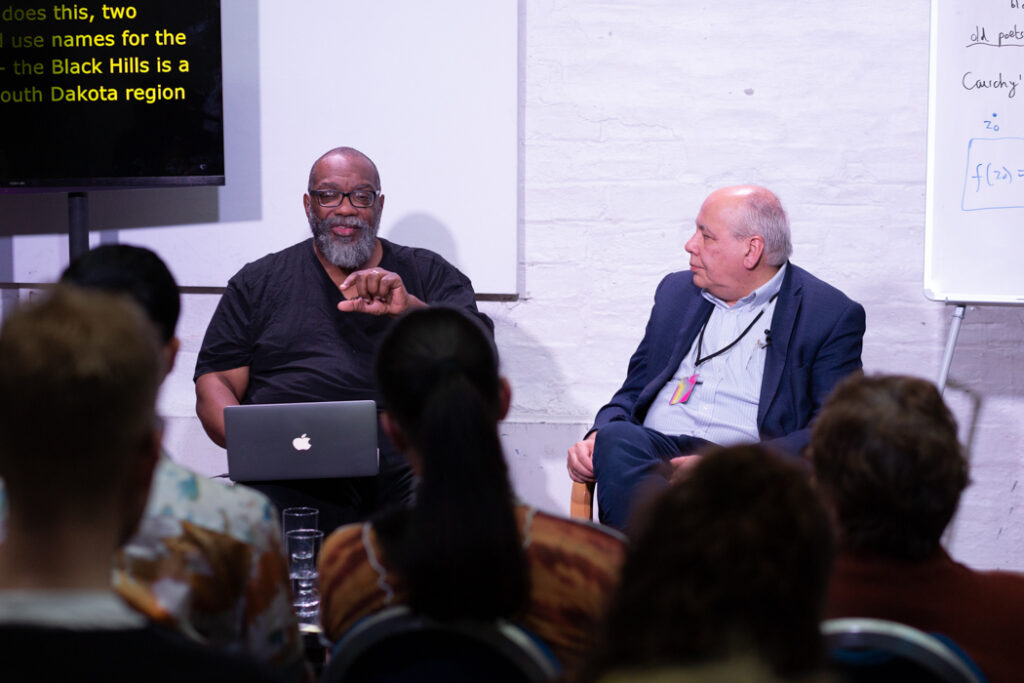
John Mullarkey sets in a wider context our understanding of Alain Badiou and Francois Laruelle, two of the most radical philosophers in Europe today.
Arika have been creating events since 2001. The Archive is space to share the documentation of our work, over 600 events from the past 20 years. Browse the archive by event, artists and collections, explore using theme pairs, or use the index for a comprehensive overview.
John Mullarkey sets in a wider context our understanding of Alain Badiou and Francois Laruelle, two of the most radical philosophers in Europe today.
Tormented and drawn-out high-pitched yelps and drones, all interleaved with periods of torpid silence.
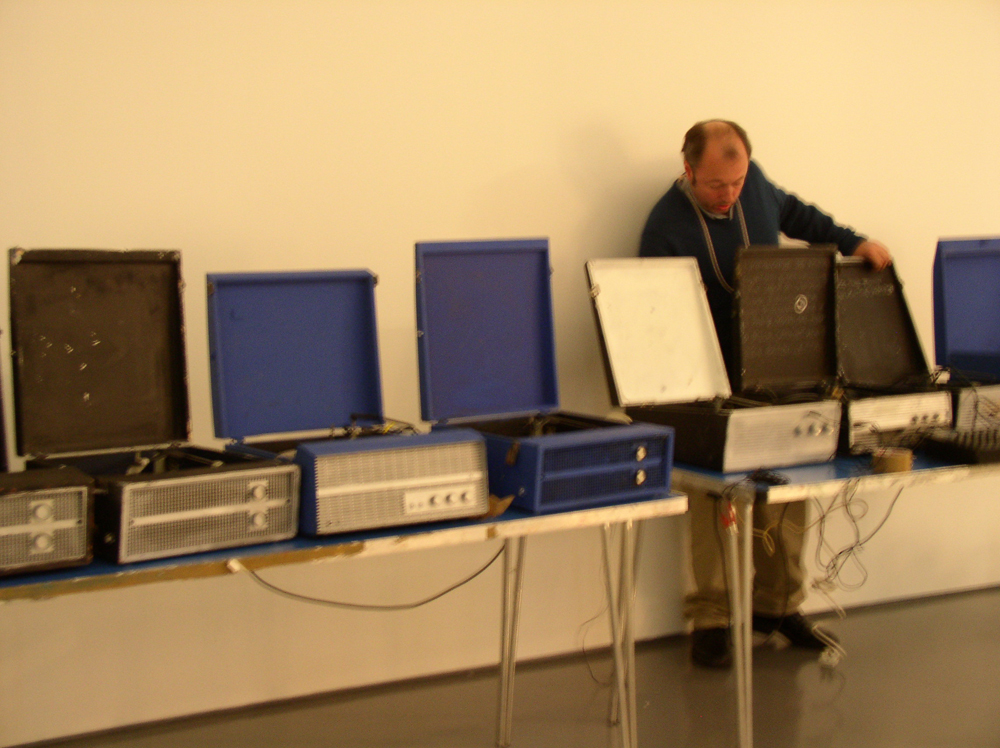
Equal parts spectacle, installation and performance, his set for us is a specially developed work, ‘turning’, which features an orchestra of multiple turntables, 4 projections and a collection of old, and, quite probably, misfiring analogue kit.
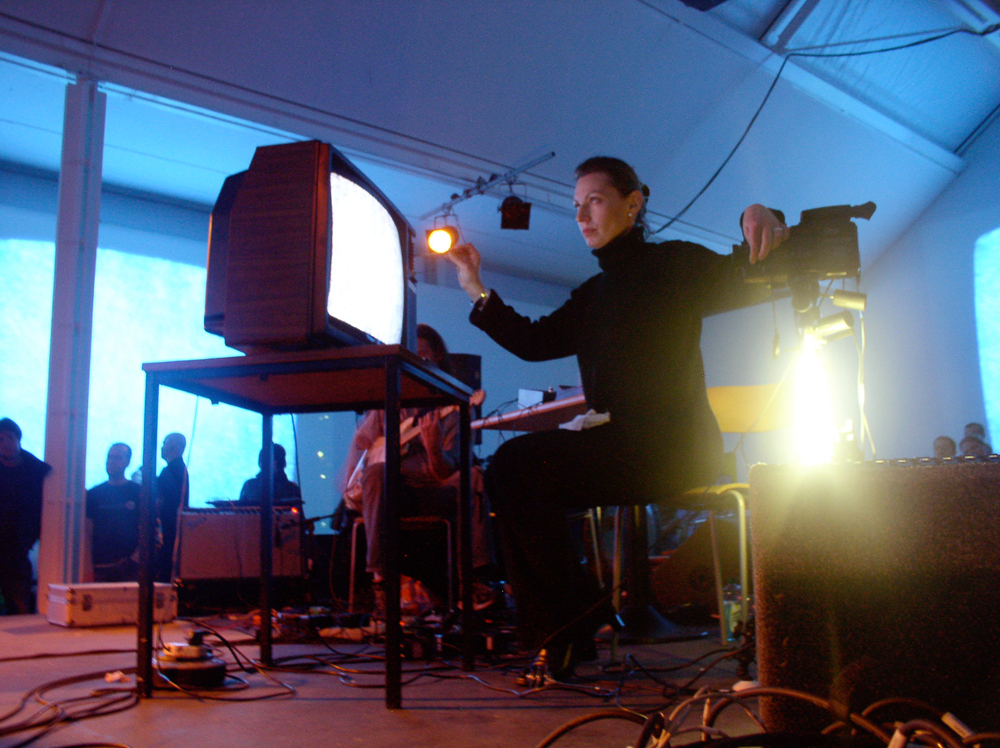
Real-time video feedback loops submerged in laminal sheets of sound soaked in gauzy timbral detail and multi-valenced, buzzing overtones.
Taking our festivals south of the border to The Sage Gateshead we set out to offer a few cardinal pointers in the vast array of experimental music practices.
African American history, avant-garde jazz riffs and activism intertwine in experimental verse of extraordinary and affecting beauty that has to be heard.
Beatriz will explore her thinking, on film as translation, plural subjectivity or land-based militancy. Discussion will centre around her work Oriana and its companion piece Oenanthe, which will be screened in full.
A back and forth between Fred and Fernando on the transits and obstructions between mathematics and poetics, and how both help us to think from the other side.
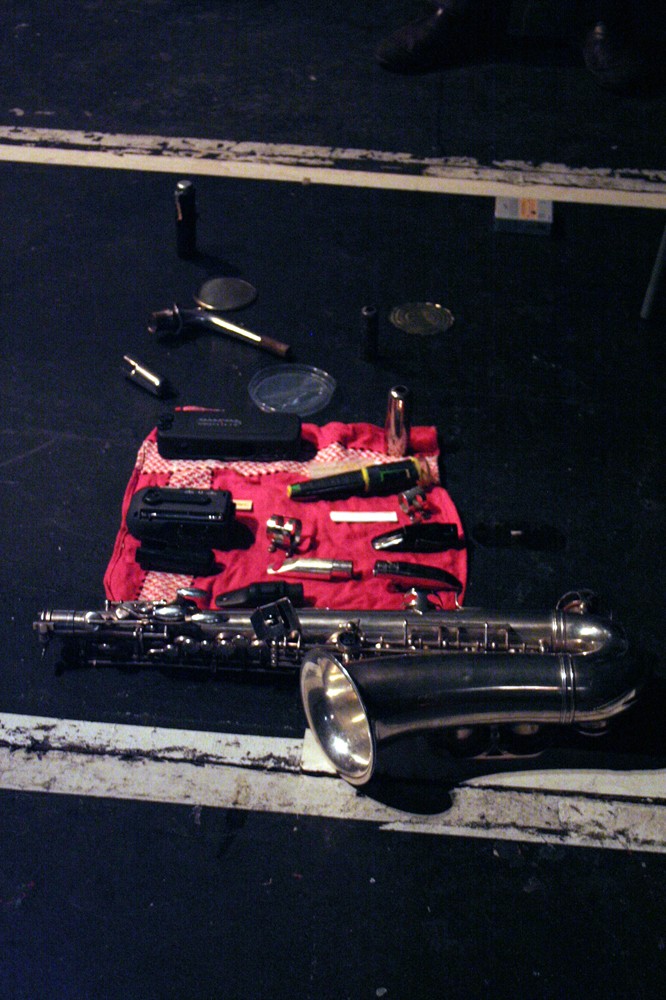
A saxophone. Handheld fans. Shrill squeaks. Splutters, gargling. An incredible diversity of sounds, intensely focused by an inventive musician.
Three (thankfully short) chats wherein we try and get at what’s eating us with regards to experimental music, and what we think might be worth salvaging.
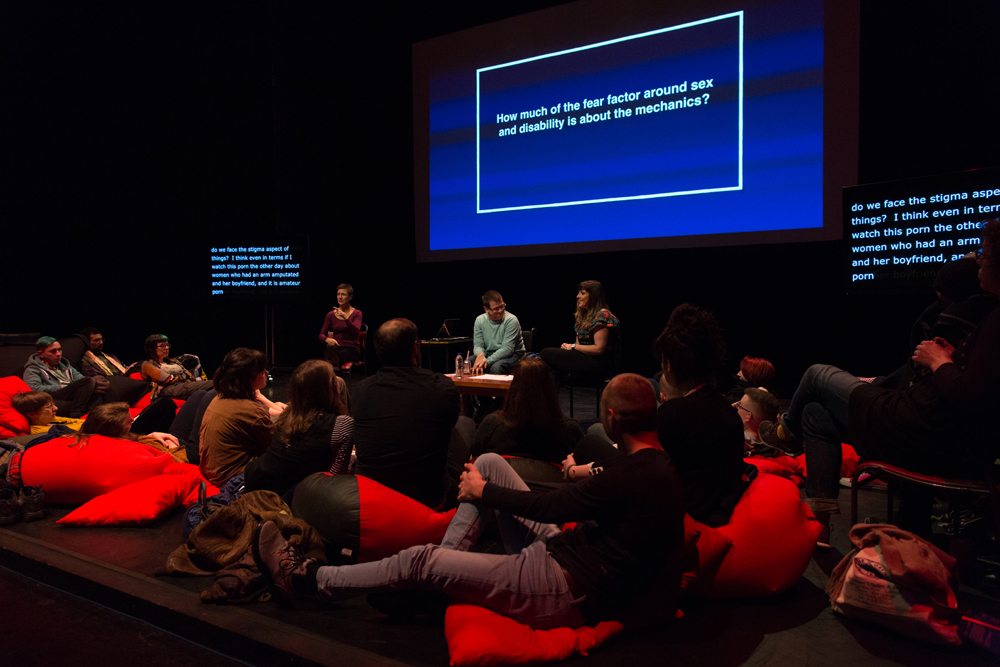
How do people living with disability see themselves in today’s sexualised culture? How do we imagine our crip sexual selves despite society wanting to reduce us to non-erotic bodies?
What might Carter and Parker’s collaboration tell us about our own performances of responsibility and liberty, whether individual, social or musical?