MICRO 1
Takehisa Kosugi
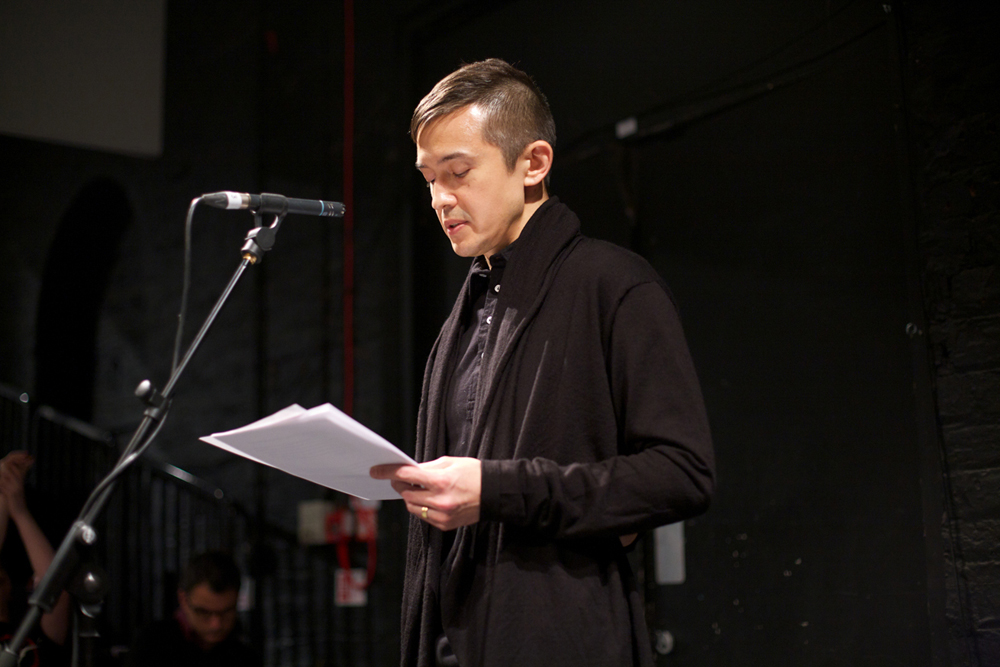
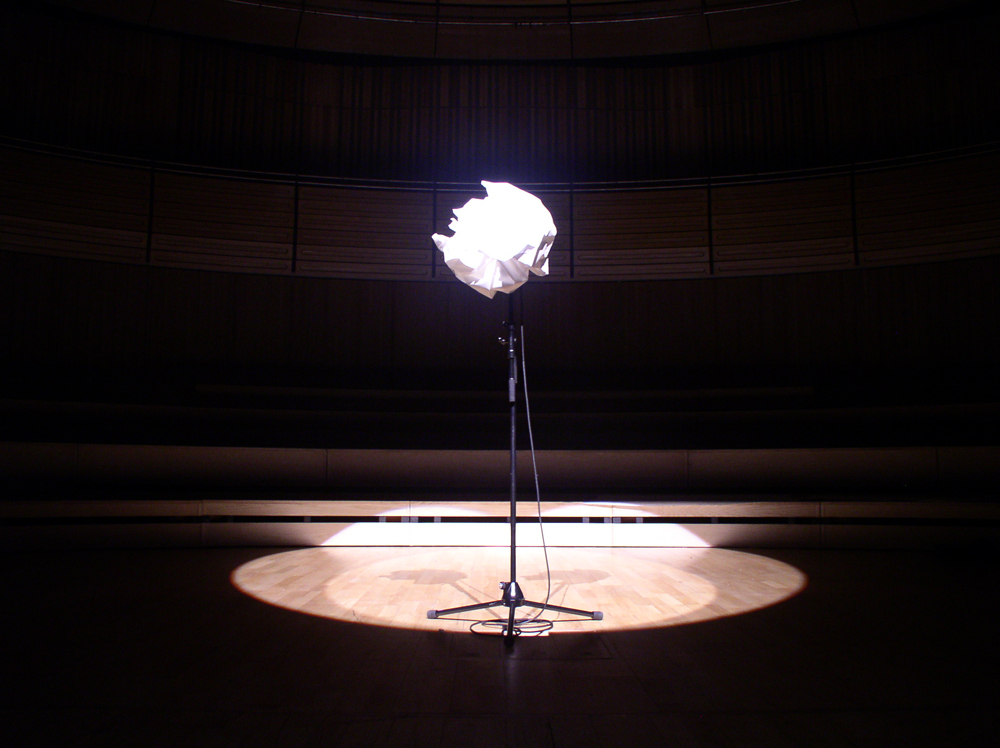
MICRO 1 – Wrap a live microphone with a very large sheet of paper. Make a light bundle. Keep the microphone live for another 5 minutes. T. Kosugi – (1961)
Arika have been creating events since 2001. The Archive is space to share the documentation of our work, over 600 events from the past 20 years. Browse the archive by event, artists and collections, explore using theme pairs, or use the index for a comprehensive overview.
MICRO 1 – Wrap a live microphone with a very large sheet of paper. Make a light bundle. Keep the microphone live for another 5 minutes. T. Kosugi – (1961)
A chat with Eugene Thacker. Can we rethink the world as unthinkable, and without us?
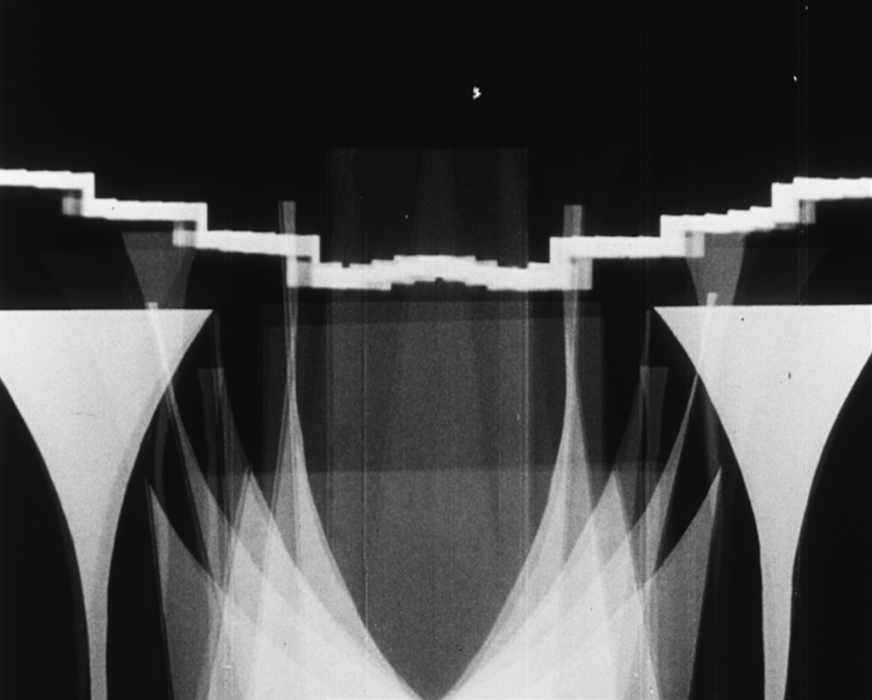
Includes: tamed TV snow, video feedback of racing particles, a remake of a polish photogram film destroyed in WWII, a visual and aural representation of Gestalt theory, hole-punched film and Guy Sherwin’s Cycles 3 double-projection.
A celebration of the release of four books written by members of, and focused on about the House and Ballroom scene.
Edinburgh. Cask-strength electrohypnol and shroom damaged folk croonings by Lapsed Electronics empire builder.
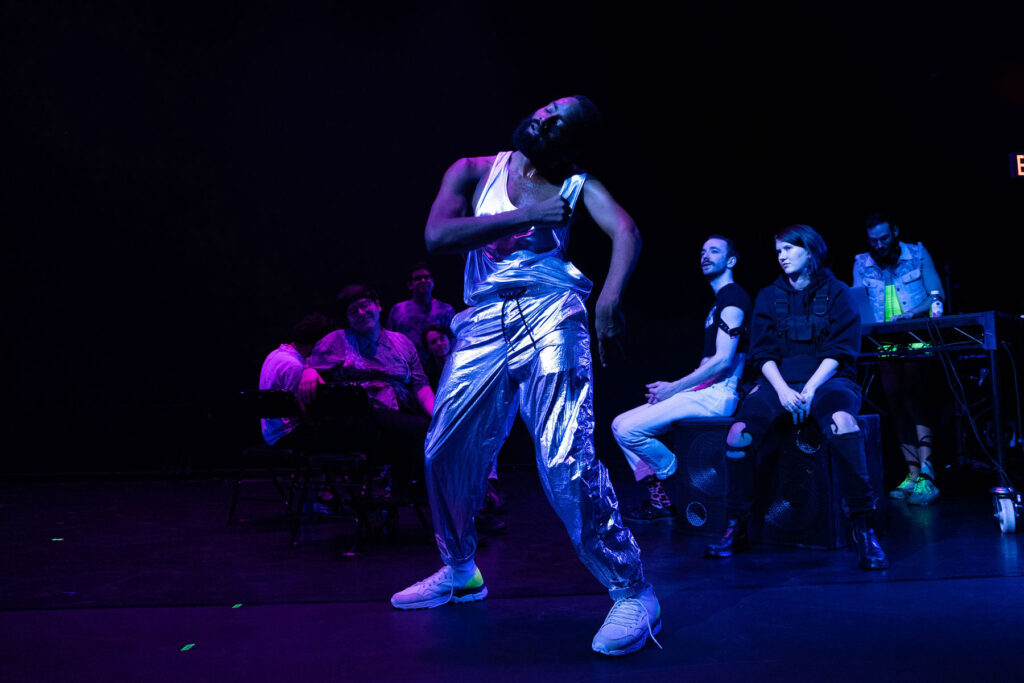
A dance party love letter to our community, expressing the joy of relation in the abstract and through actual physical proximity.
Includes: street portraits of kids in 1930’s Dakota, a mysterious foggy pilgrimage, a swarm of time-lapsed consumers, a stereoscopic analysis of mill life, up close and personal in a Lighting Bolt mosh pit.
A film performance about Guy then, and Guy now, as a metaphor for the passing of time, which of course all film is inherently about.
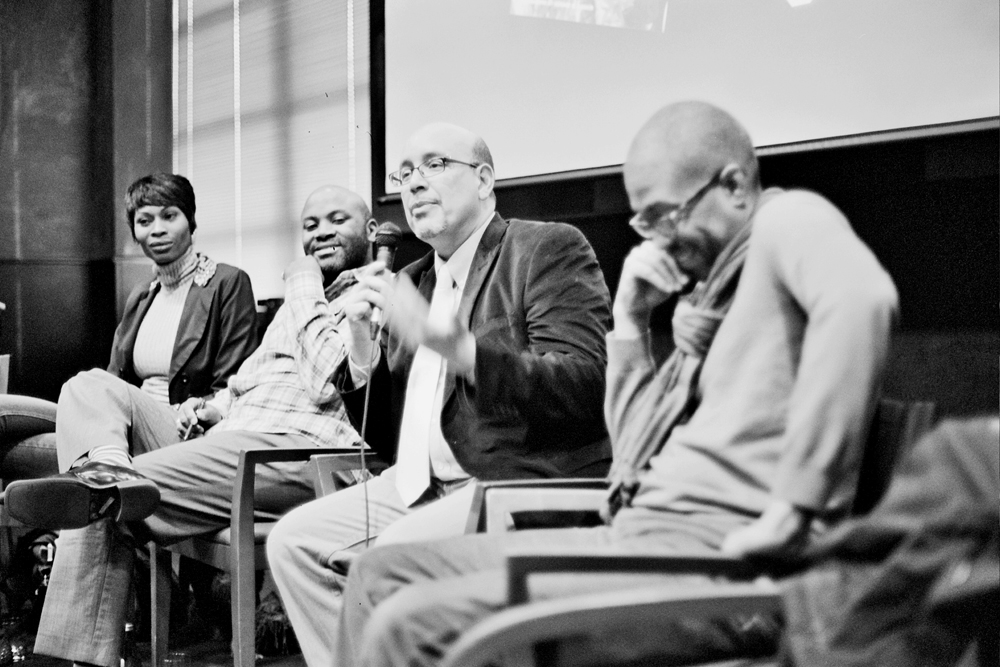
Could cruising and random public sex be the basis of an ethically organised society? A discussion with Jackie Wang, Samuel R. Delany and Huw Lemmey.
How do grassroots feminist organisations strategise relationships between mothers, parents, carers and their children based on respect and empowerment, in resistance to the practice of putting children in often the most uncaring of places – care.
Jandek’s second ever live performance, and the first to be advertised in advance.
How can we imagine bodies not as an end in themselves, but as a medium through which we can become one another’s means?