


21 June 2023
Break/Open Meetup time*
Take a break and/ or hang in an Open Meet Up in IRL and URL
I wanna be with you everywhere 2023
Arika have been creating events since 2001. The Archive is space to share the documentation of our work, over 600 events from the past 20 years. Browse the archive by event, artists and collections, explore using theme pairs, or use the index for a comprehensive overview.
Take a break and/ or hang in an Open Meet Up in IRL and URL
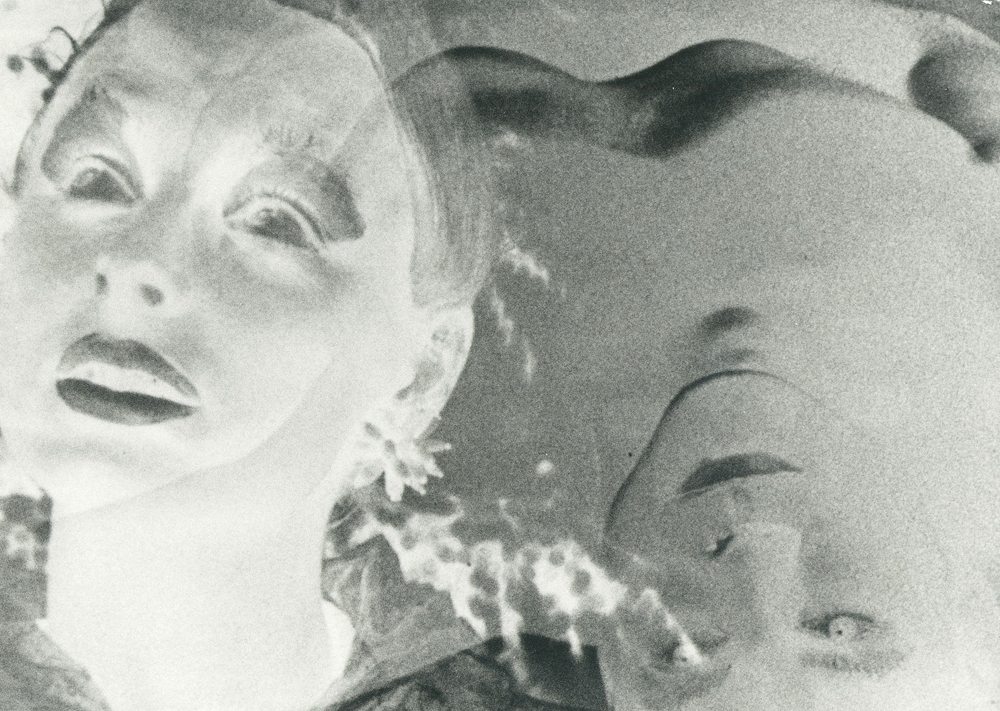
Inspired by Delany’s Aye, and Gomorra. A spookily filmic world where asexual bodies live in the contradiction of their unarousable loneliness and desire for intimacy and contact.
Amid the blur of erotics, the jangle of poetics, and the fetishizing of sickness and disability, the heat of Panteha’s performance and sculpture freezes all.
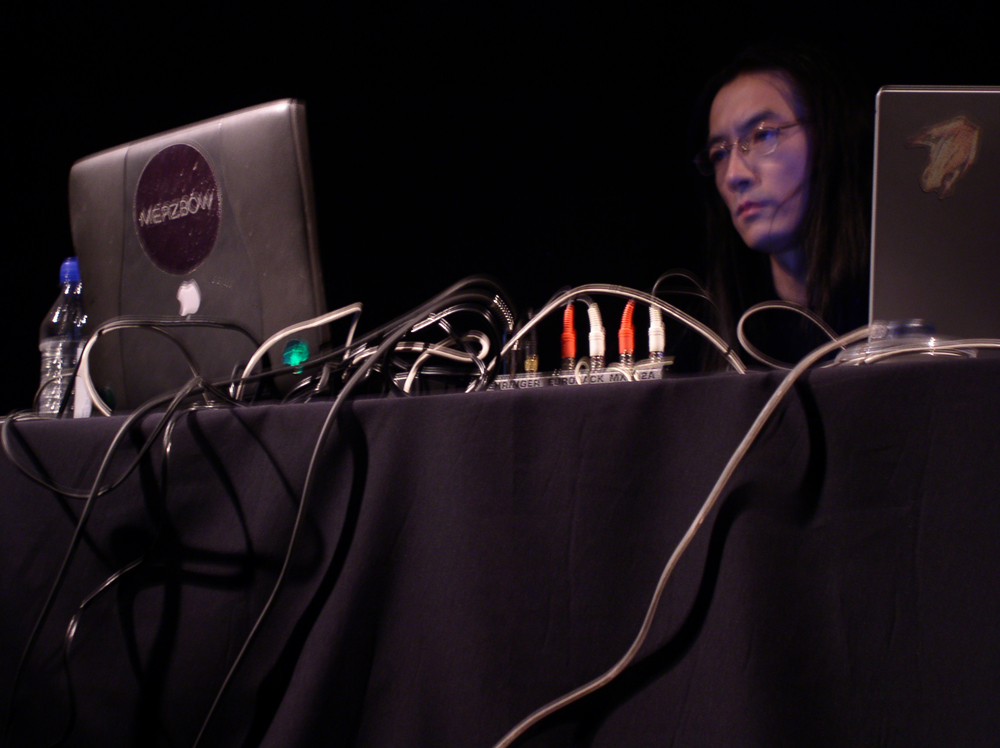
Merzbow takes the junk of sound and transforms it into blistering noise assaults with an incredible spectrum and impact.
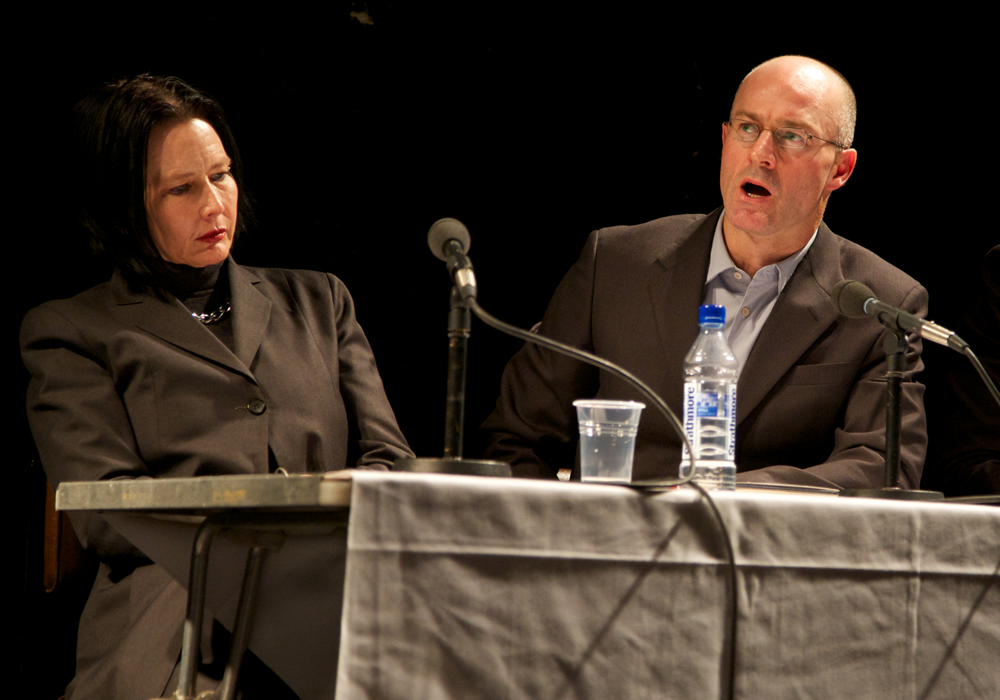
Conceptual writer and practicing lawyer Vanessa Place performs and talks with Mark Sanders, author of the brilliant “Complicities: The Intellectual and Apartheid”
Sean and Taku share an interest in structure, space and time. A spartan, abstract, considered and surprisingly musical set.
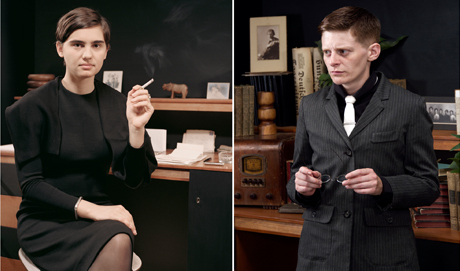
Seven women recite monologues composed from texts from the vibrant years of the Weimar Republic. A kind of cultural echo: an experience of histories brought to the present.
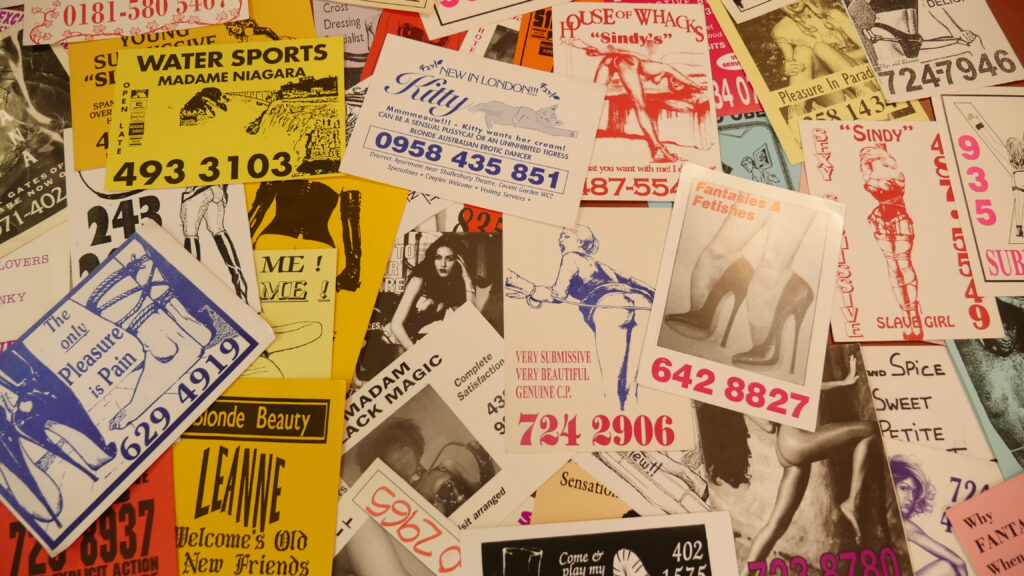
Sex worker only Collective Art Workshop led by the Hard Labour project from Scotland for Decrim.
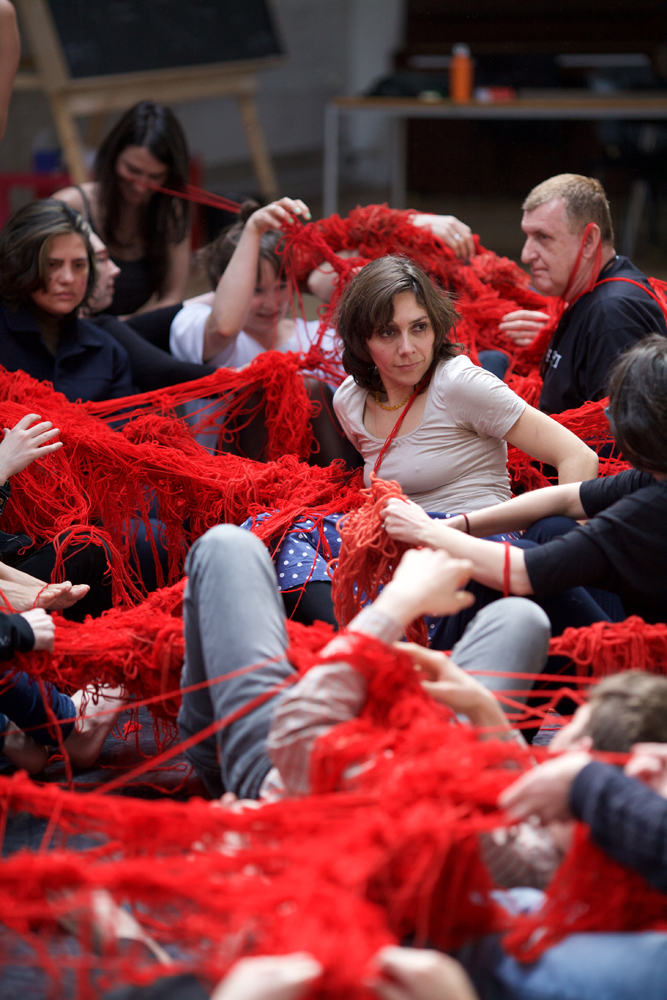
An open collaborative workshop space in which games, warm-up sessions, exercises and scenes are potentially the same thing, through which to project your own concerns onto the stage.
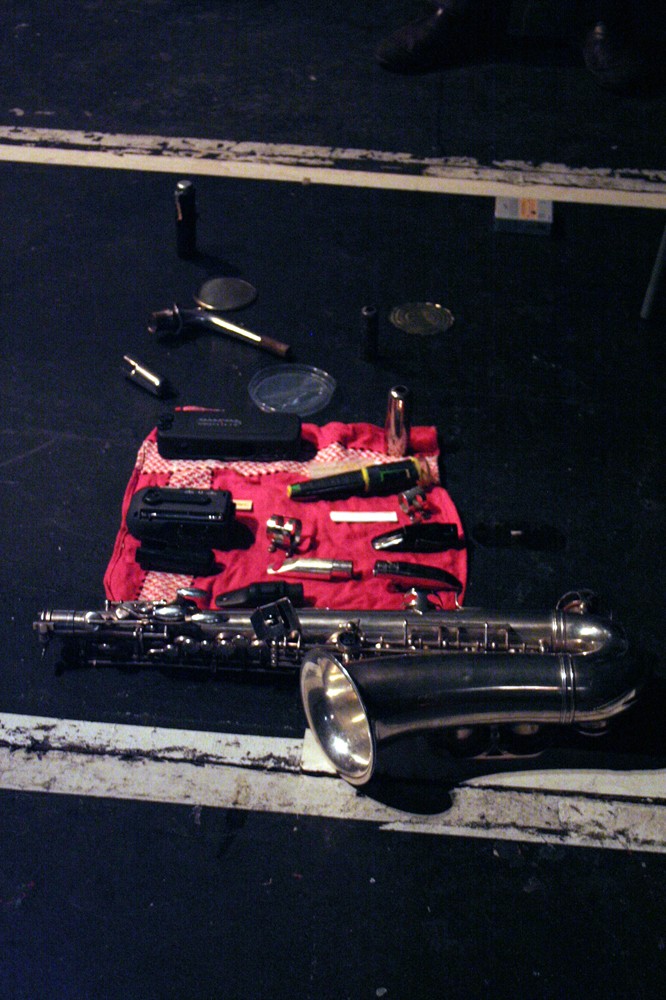
A saxophone. Handheld fans. Shrill squeaks. Splutters, gargling. An incredible diversity of sounds, intensely focused by an inventive musician.
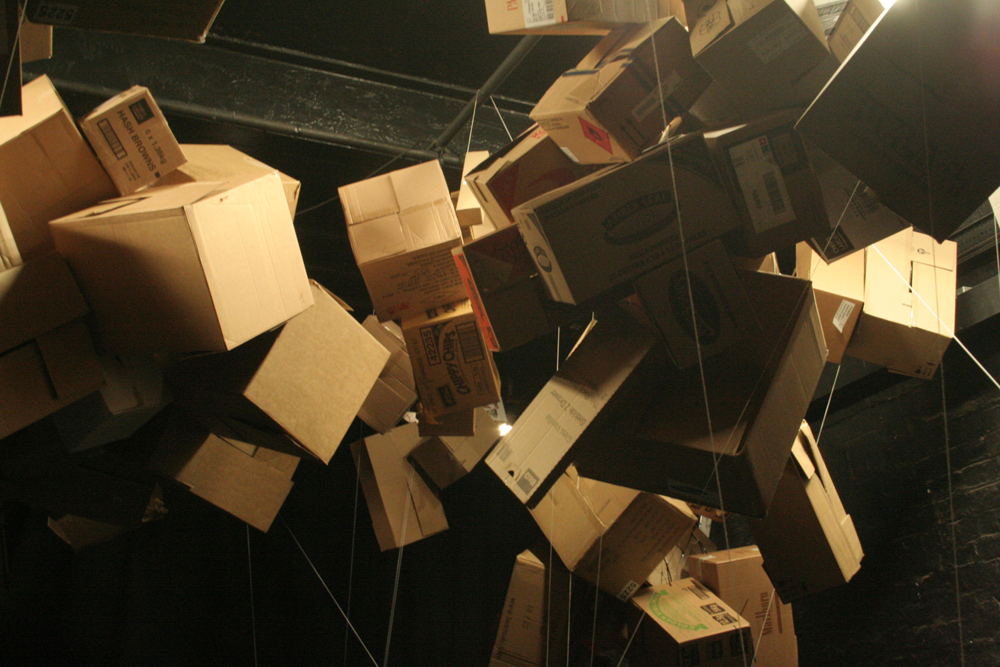
Cardboard boxes, metal guitar, critical homage, attempts to describe things you can’t describe. A one-man Grand Guignol school play.
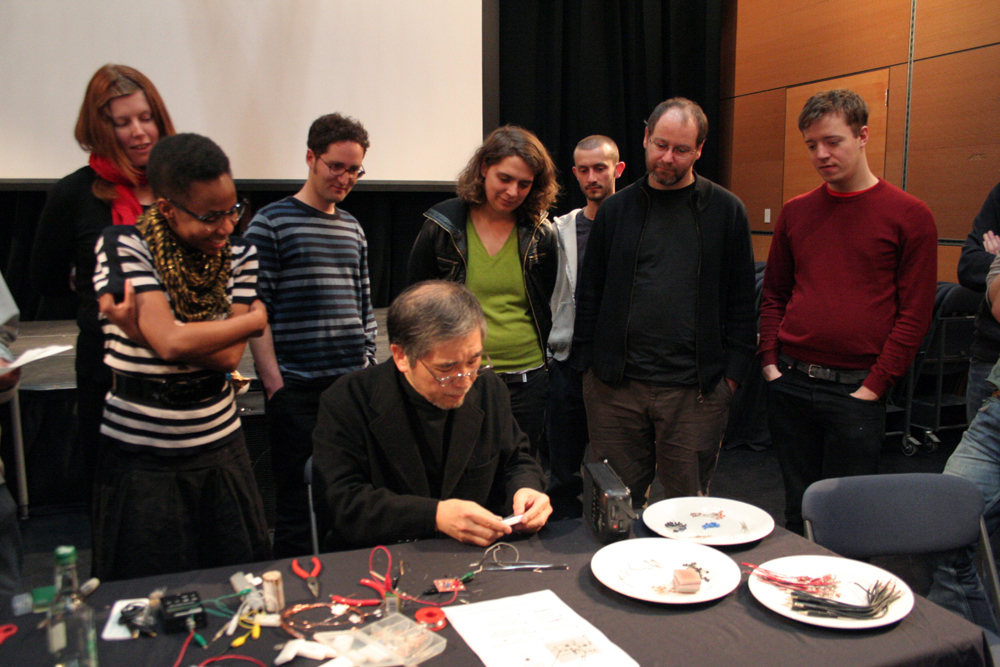
A simple hands on workshop with micro-radio theorist and pioneer Kogawa.