Baby Dee
Baby Dee
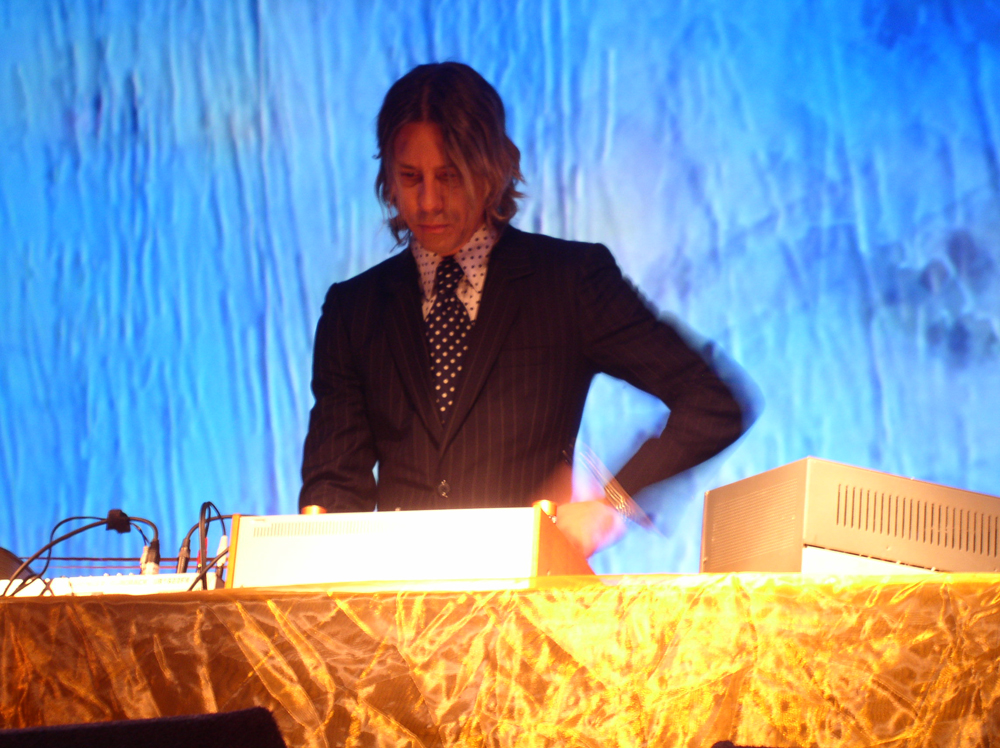
Former street performer, organist, performance artist, circus performer, harpist, accordion player, tree surgeon and tricyclist performing solo.
Arika have been creating events since 2001. The Archive is space to share the documentation of our work, over 600 events from the past 20 years. Browse the archive by event, artists and collections, explore using theme pairs, or use the index for a comprehensive overview.
Former street performer, organist, performance artist, circus performer, harpist, accordion player, tree surgeon and tricyclist performing solo.
In rethinking the body, the law, the state, gender, race, violence, care and empathy, how we might give humanness a different future?
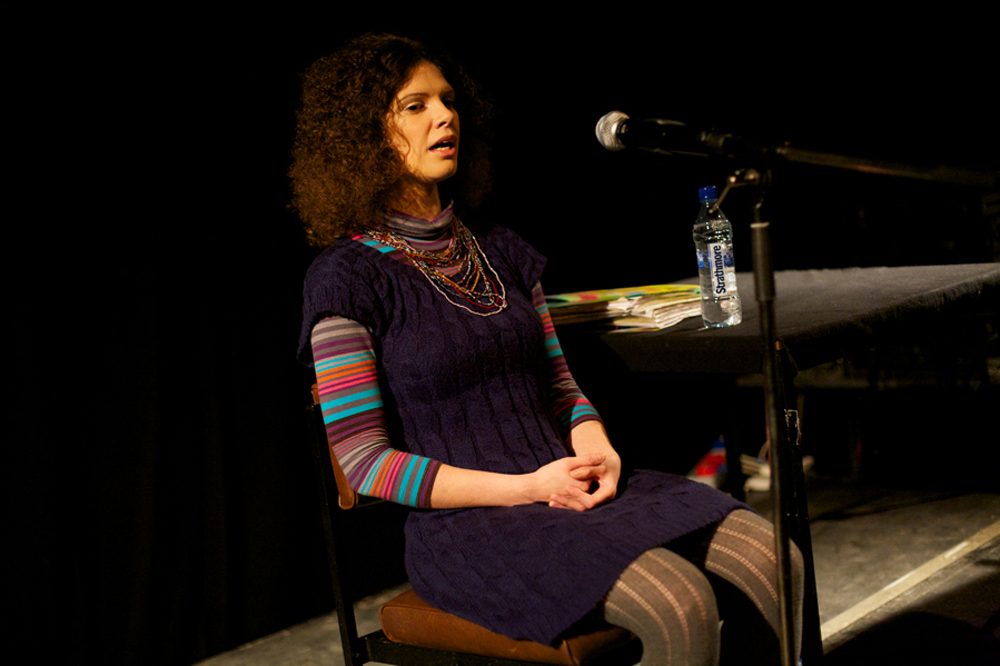
Three short performances involving social exchange (jumpers, hats, glasses…) and singing (ballads)
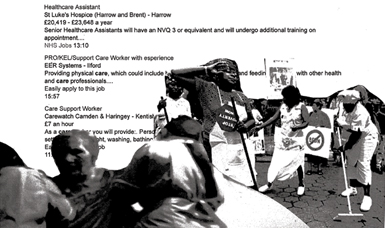
First in a series of workshops for workers and non-workers who care. Does work that asks us to be attentive to the needs of others force us to sell our capacity for kindness?
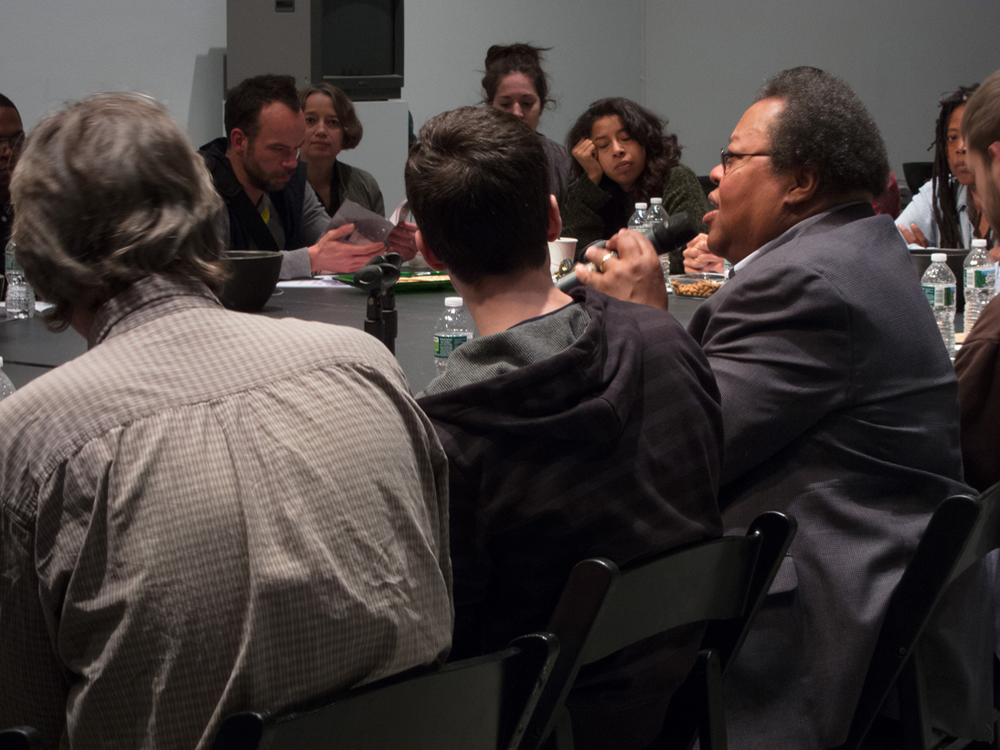
For day one of Ultra-red’s project, the investigation will take up protocols for listening to the sound of freedom composed and facilitated by George E. Lewis.
An audio report for the NATOarts board of directors that seeks to promote global security and stability through the exhibition of works of conceptual art.
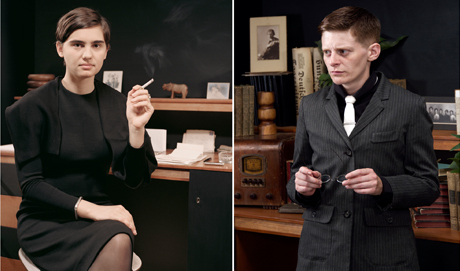
Seven women recite monologues composed from texts from the vibrant years of the Weimar Republic. A kind of cultural echo: an experience of histories brought to the present.
Inspired by the supernatural horror of H. P. Lovecraft, black metal and a sense of worry as to what constitutes an object, or a world.
Tormented and drawn-out high-pitched yelps and drones, all interleaved with periods of torpid silence.
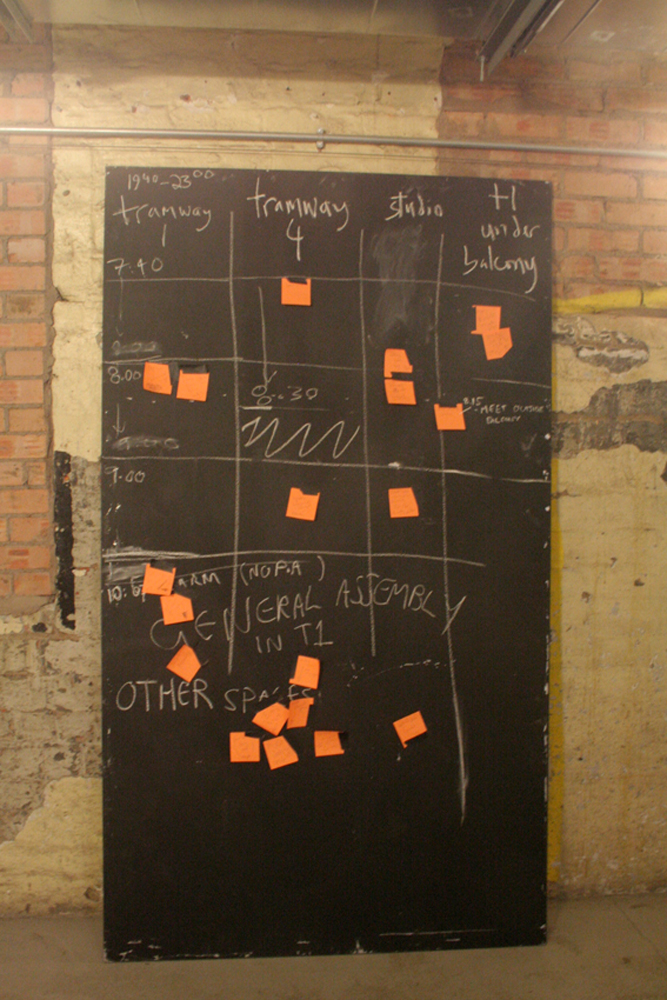
Three workshops lead up to an open invitation to improvise with the festival as concert. The last four hours of the Sunday 14 at Instal 10 were devoted to presentations devised during the three workshops. The material conditions (time, space, facilities…) were the instruments. From there anything could happen.
Improvising using nothing so much as the passage of time as his instrument, Basinski creates works of great melancholic depth and fragile beauty.
How do you know what you want? Should freedom be doing what you ought, not doing what you want? How might a philosopher and artist turn this thinking into an enabling condition in the context of noise and improvisation?