John Lee Clark
John Lee Clark
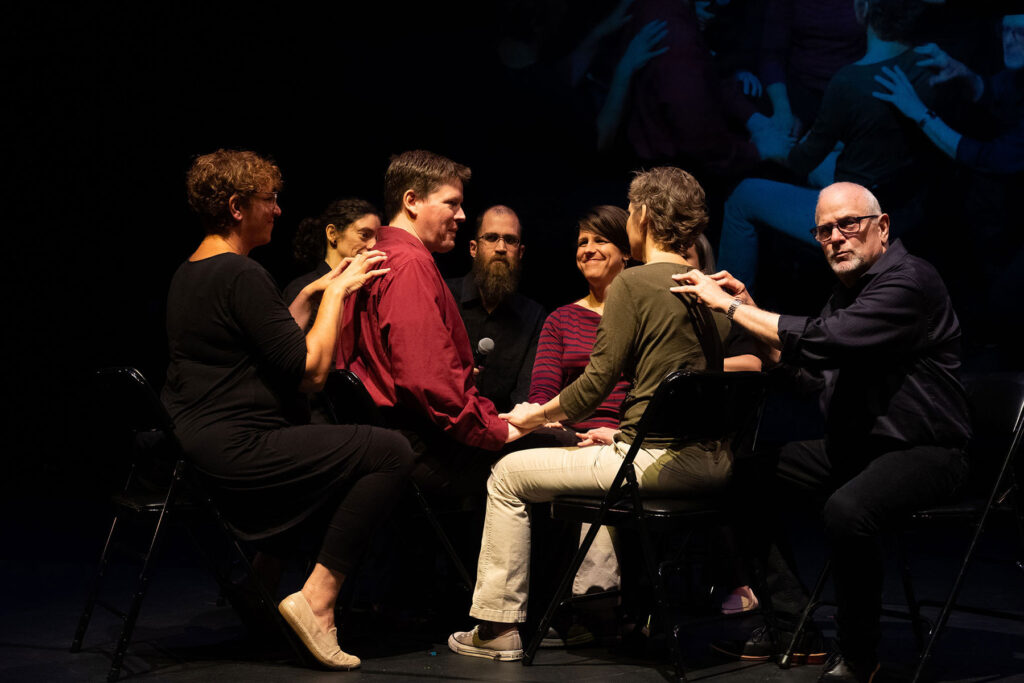
An invitation into languages field of touch; to speak in feeling together.
Arika have been creating events since 2001. The Archive is space to share the documentation of our work, over 600 events from the past 20 years. Browse the archive by event, artists and collections, explore using theme pairs, or use the index for a comprehensive overview.
An invitation into languages field of touch; to speak in feeling together.
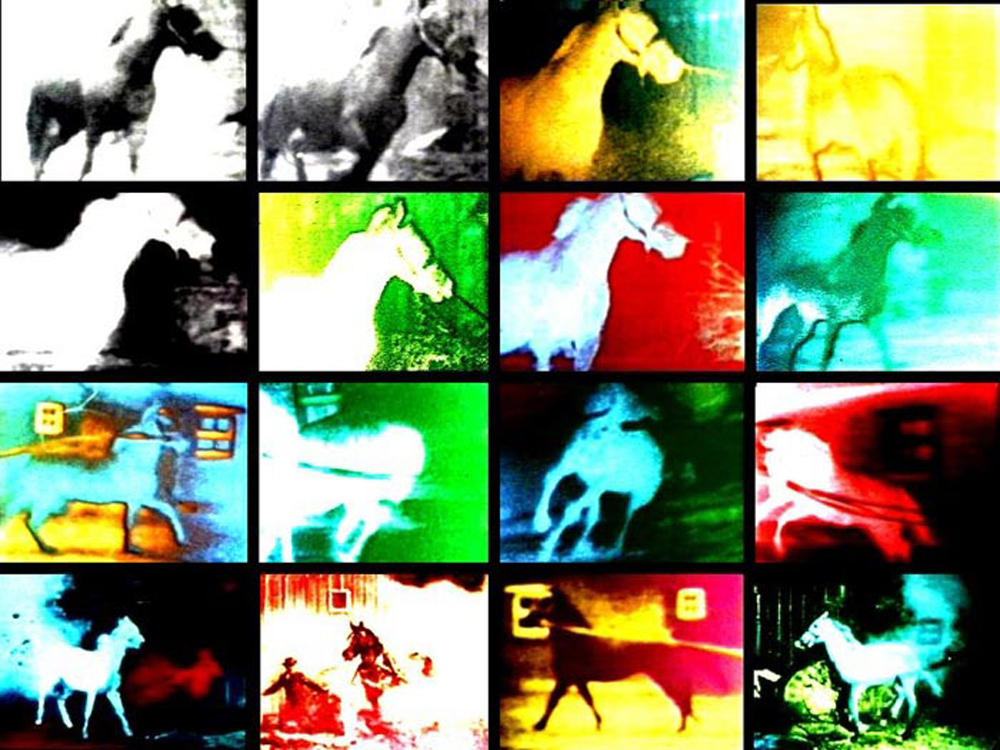
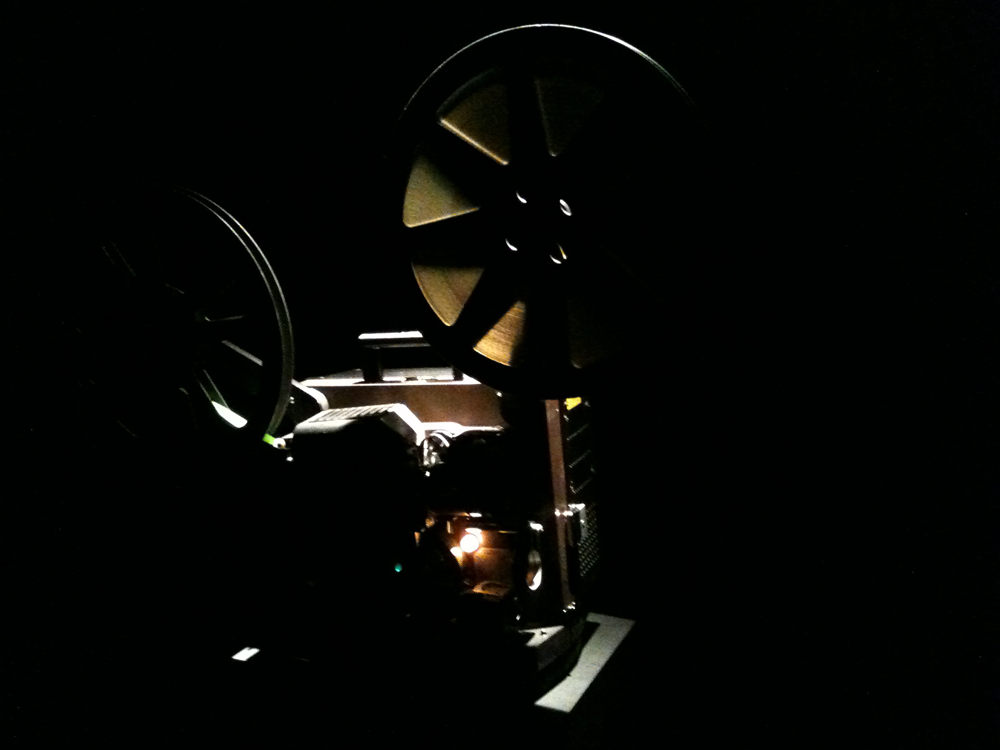
Psychedelic and intense, and featuring some of the most visually stunning, mesmerizing and transcendent experiences you can imagine, batten down the hatches for some of the boldest, most immersive and abrasive works in experimental cinema.
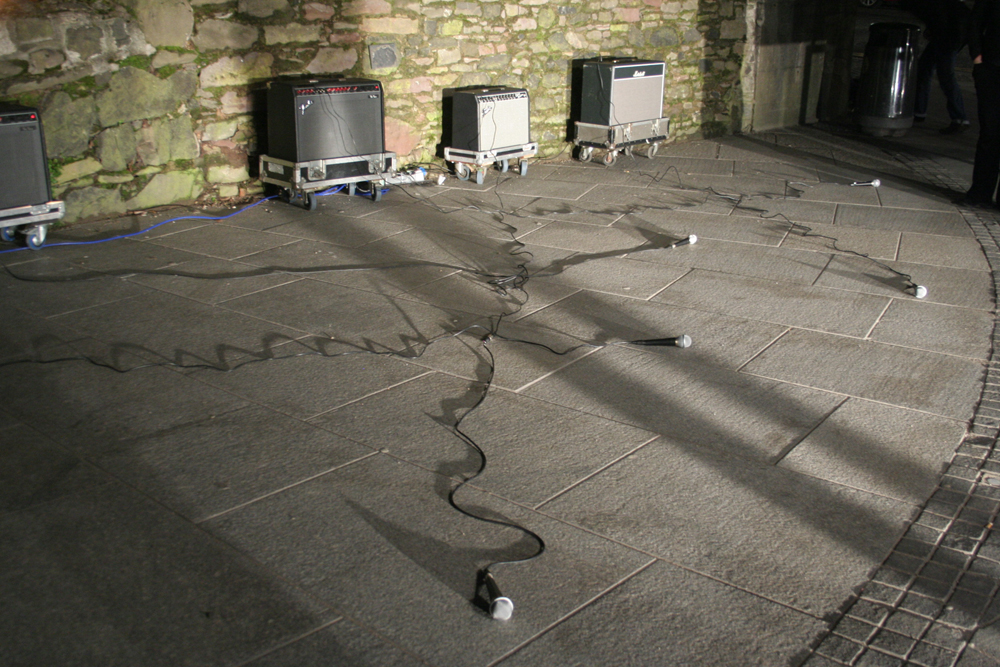
Can we use sound, repetition and difference to personally and collectively engage with space, time and labour?
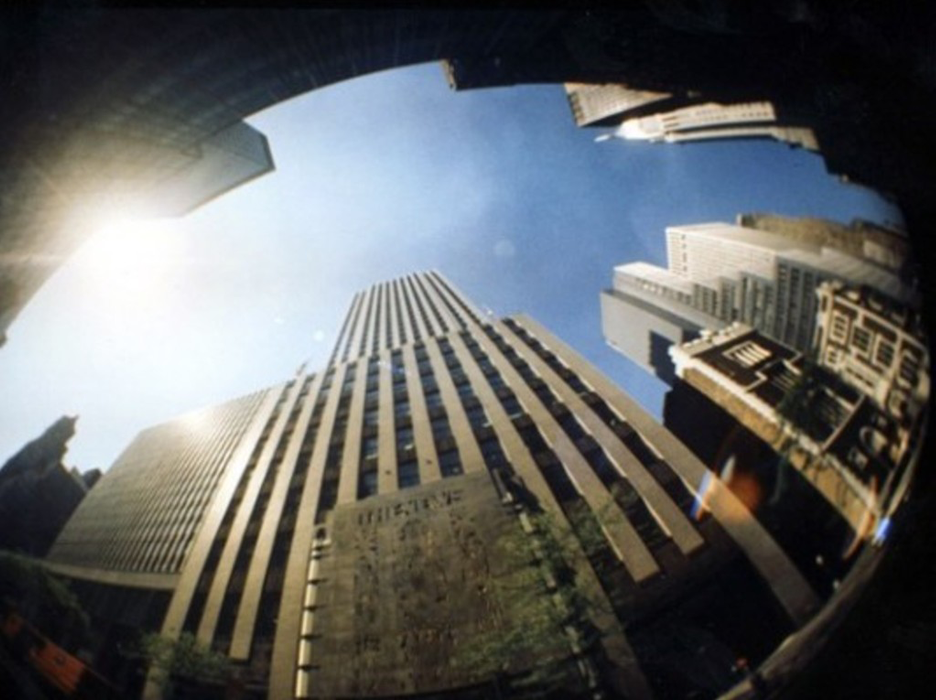
Includes: a polish counting lesson, around NYC with D A Pennebaker, a portrait of a tower block, a man with a spade, at home with KYTN regular Guy Sherwin, a cinematic Blair Witchish cut-up and a song for some swings.
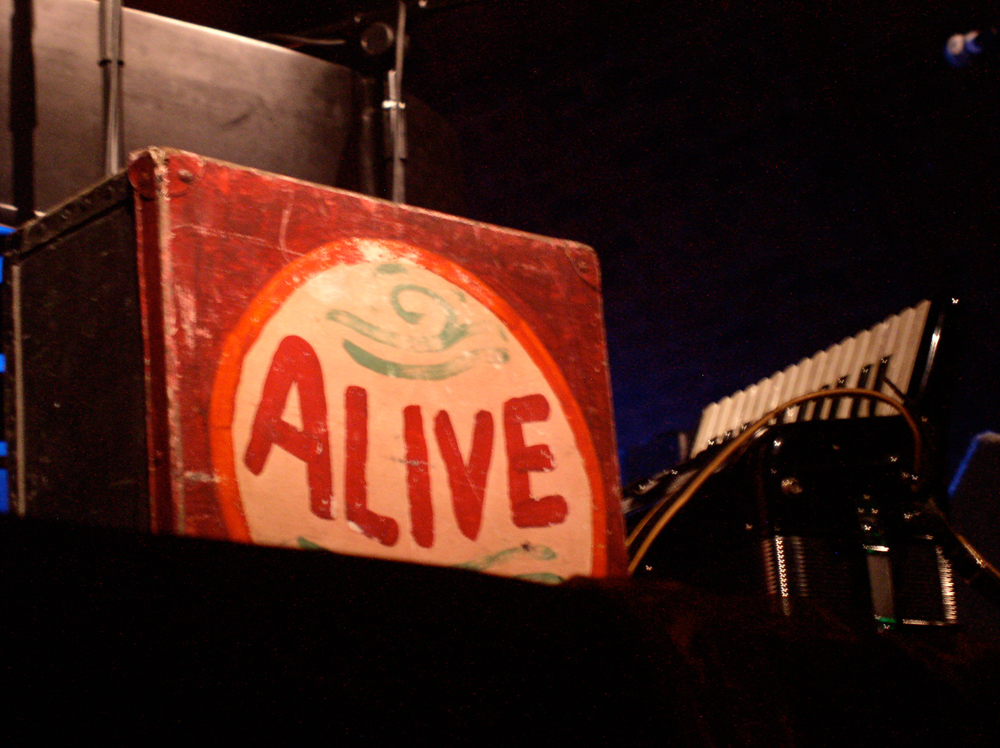
Former street performer, organist, performance artist, circus performer, harpist, accordion player, tree surgeon and tricyclist performing solo.
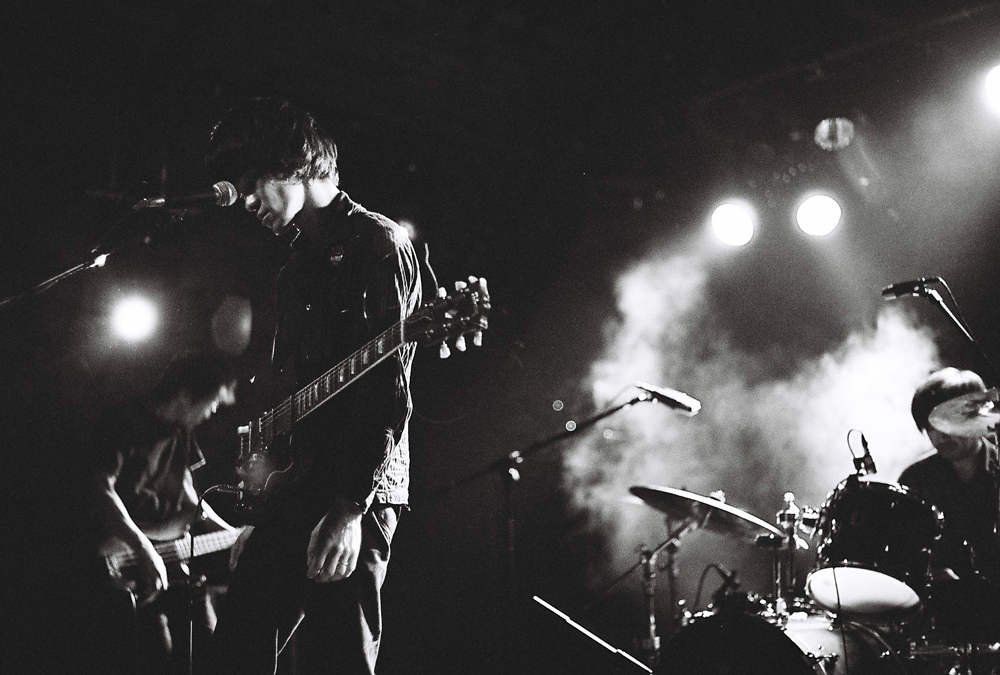
Black-clad with an ominous aura created by their distorted guitar epics, burnt-out ballads and raucous mantric jams.
The production of moving image (film) by the mechanically, unfalteringly repetitive manipulation of mass-produced materials (film), in order to explore three different allegorical representations (films) of repetitive human actions and labour under capital.
The queer archiving of traumatic cultural memory from one of the leading voices working with queer archives.
A film installation as both allegory and investigation of The Rockridge Institute and their research into ‘framing’ and the use of metaphor within political discourse.
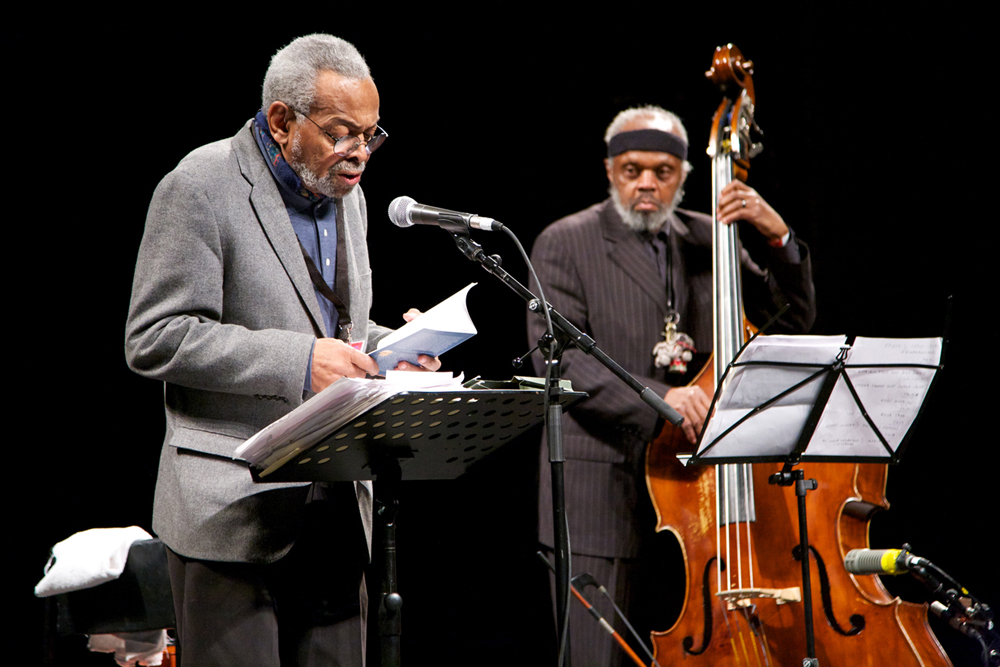
A dialogical meeting of Baraka’s radical poetry and Grimes’ free jazz syncopation.
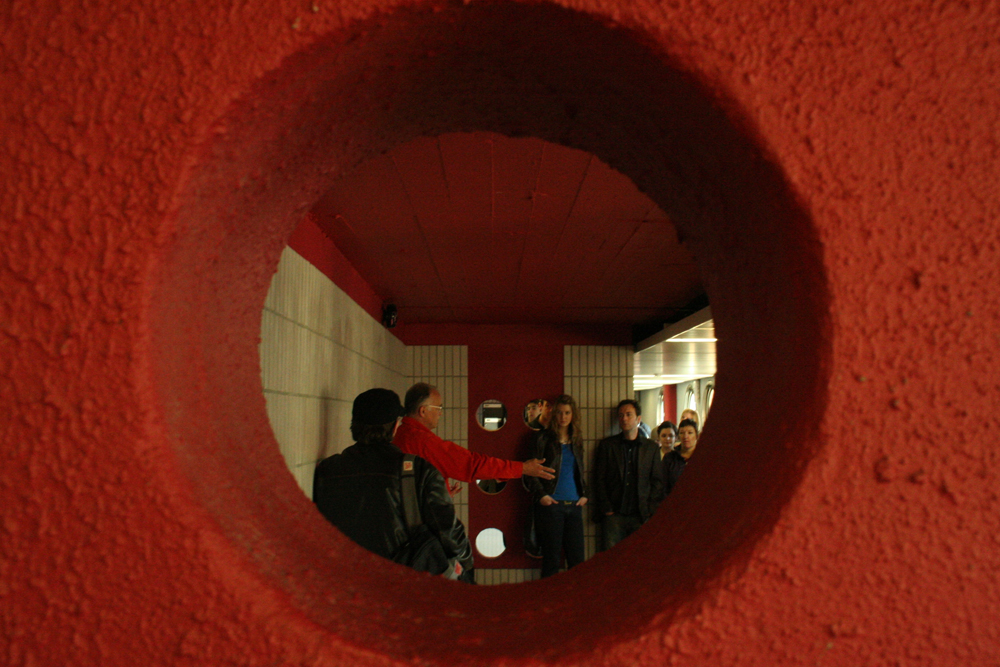
A series of badly felted lock-ups and garages + multiple locations within the Megastructure – a purpose built town centre in one building, comprising (in the 50’s at least) of housing (never occupied), shops, apartments, a hotel, ice rink, police station and other amenities
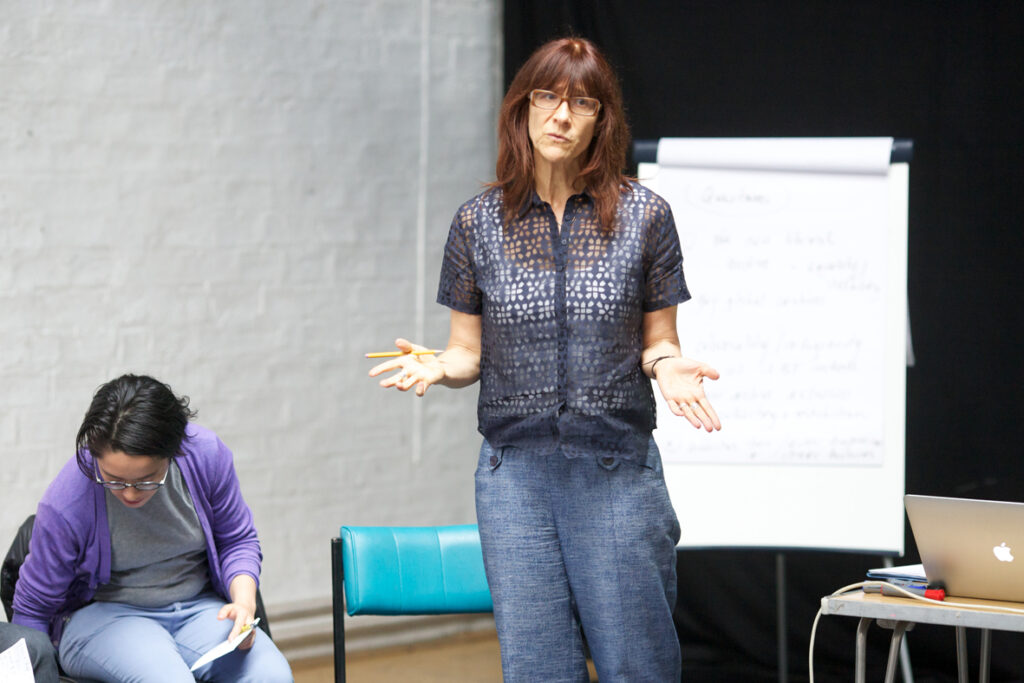
The second in a series of workshops for workers and non-workers who care. What does the sharing of vulnerability entail? Can such a sharing inform progressive social relations?