What is the Sound of Freedom?
Ultra-red
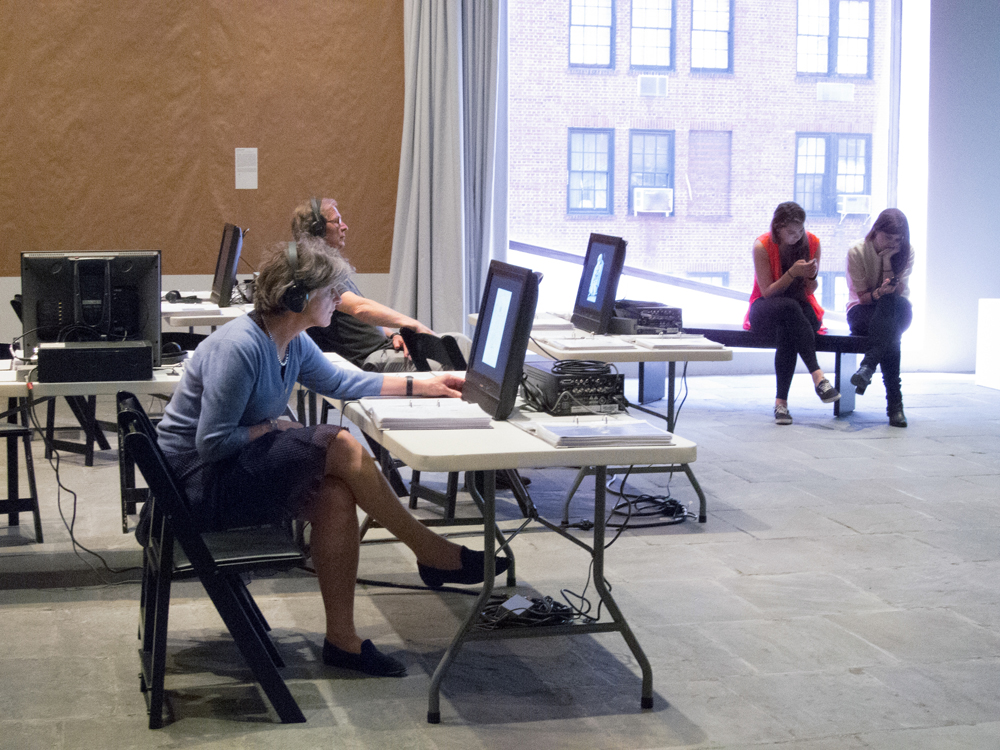
For day five of Ultra-red’s project, the investigation will review the previous work undertaken together, and perhaps draw up a summary of reflections and pose some future questions.
Arika have been creating events since 2001. The Archive is space to share the documentation of our work, over 600 events from the past 20 years. Browse the archive by event, artists and collections, explore using theme pairs, or use the index for a comprehensive overview.
For day five of Ultra-red’s project, the investigation will review the previous work undertaken together, and perhaps draw up a summary of reflections and pose some future questions.
Criminal Queers visualises a radical trans/queer struggle against the prison industrial complex, working to abolish the multiple ways our hearts, genders, and desires are confined.
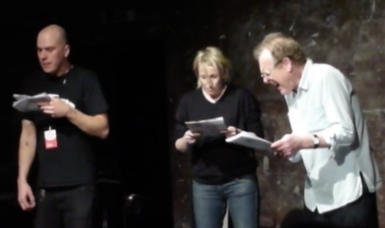
Inhabiting a different kind of energy, Ueinzz’s open rehearsals reveal a glimpse into their ongoing daily theatrical modes of caring – multiplying the ways in which their plays are meant to be felt, rather than understood.
Sonic ‘observations’ of the world, through micro recordings on a tiny scale and transformed into something musically compelling.
NVA asked Arika to curate and programme the sound aspects of their 2007 Half-Life production in Kilmartin Glen. Arika worked with Toshiya Tsunoda, Lee Patterson, Rhodri Davies and Angharad Davies.
Nina’s going to talk about November, by Hito Steyerl: what and how the film thinks, or about what and how it might makes us think (which is connected, but not the same thing), by watching, and it discussing (with you?).
The practice of North African Indigenous revolutionary love, in the face of European capitalist violence and settler colonialism, with one of the most vital anti-colonial thinkers in Europe.
Goofily deformed, deeply thought vocal jams: like the sound of your own breath rushing through your head.
A public walk from George Square to the Barras market bringing contributions from researchers, activists and artists in a form of live critical praxis
Everyday objects and materials (rubber bands, paper, a sink, microphones) disabused of their inertia and made to speak for themselves in a kind of focusing in on the tiny, repetitive, almost unobserved (sonic/ visual) potential of everyday things put into motion.
Munehiro Narita’s Kyoaku No Intention (Worst Intentions) fired out some of the most compelling no-wave improvised rock of the 80s.
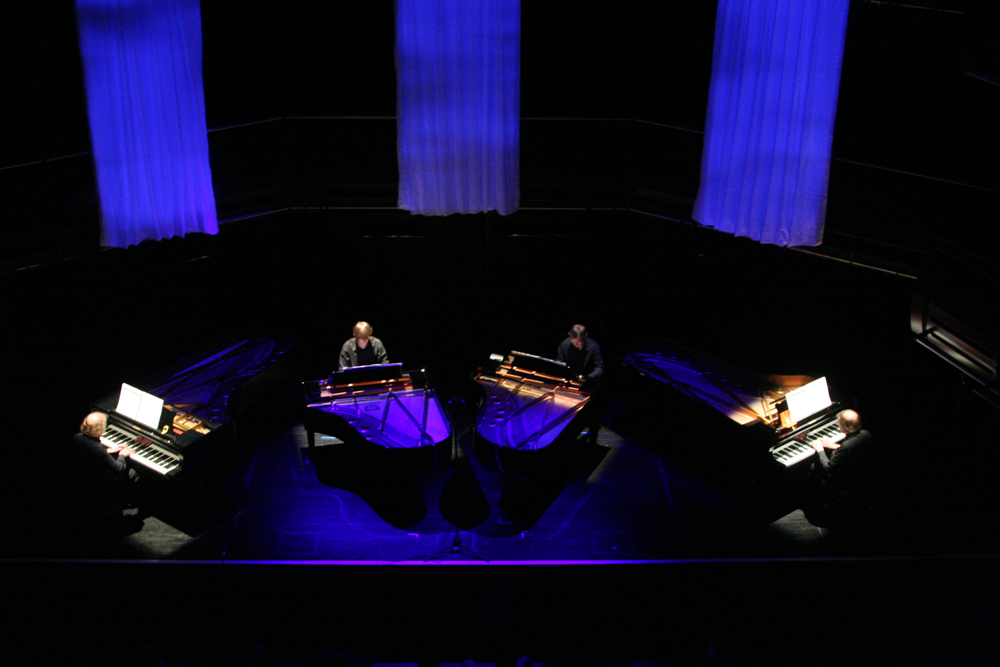
An extravagant debauch of huge pianos, plush toys, cognac and ritual.