Soulnessless – Cantos I-IV
Terre Thaemlitz
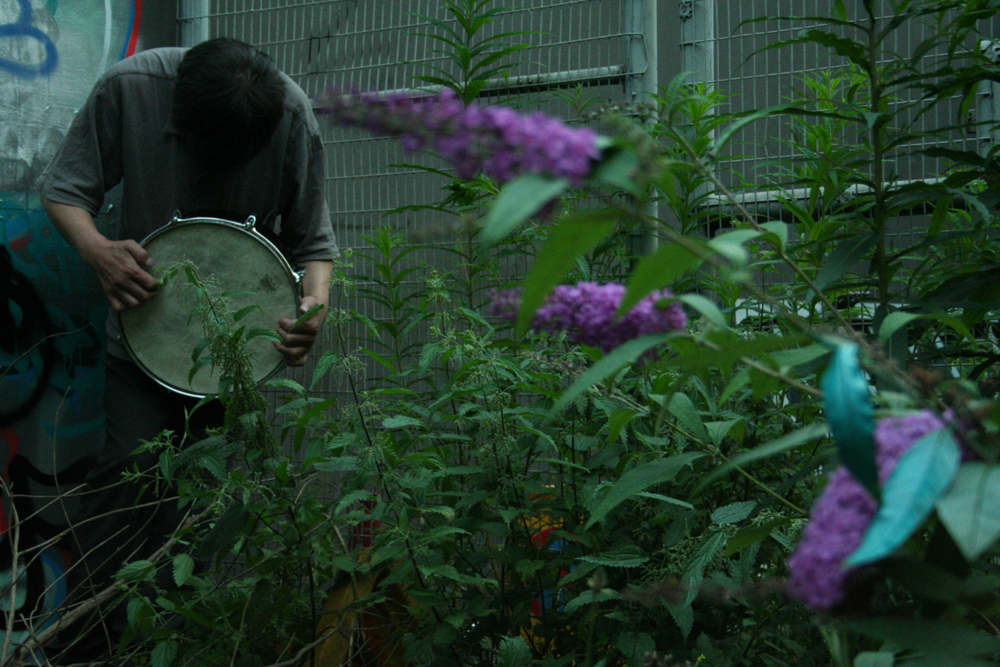
An audio and video investigation of gender cults, Catholicism, hauntings and nuns’ use of audio devices…
Arika have been creating events since 2001. The Archive is space to share the documentation of our work, over 600 events from the past 20 years. Browse the archive by event, artists and collections, explore using theme pairs, or use the index for a comprehensive overview.
An audio and video investigation of gender cults, Catholicism, hauntings and nuns’ use of audio devices…
The site of the former Abbeyhill Station on the 1903 Leith branch of the Edinburgh and Dalkeith railway, overgrown and leading to as yet un-regenerated ‘wasteland’; taxi’s for 80 people, each instructed to take different routes between locations and; a slice of land concealed behind corporate business park branding off the Wester Approach Rd, apparently of no conceivable use and named ‘Chateaux de Scum’ by those who use it anyway.
Freeform Super 8mm documentation of Friday at Instal 06 by filmmaker Matt Hulse.
How can we imagine bodies not as an end in themselves, but as a medium through which we can become one another’s means?
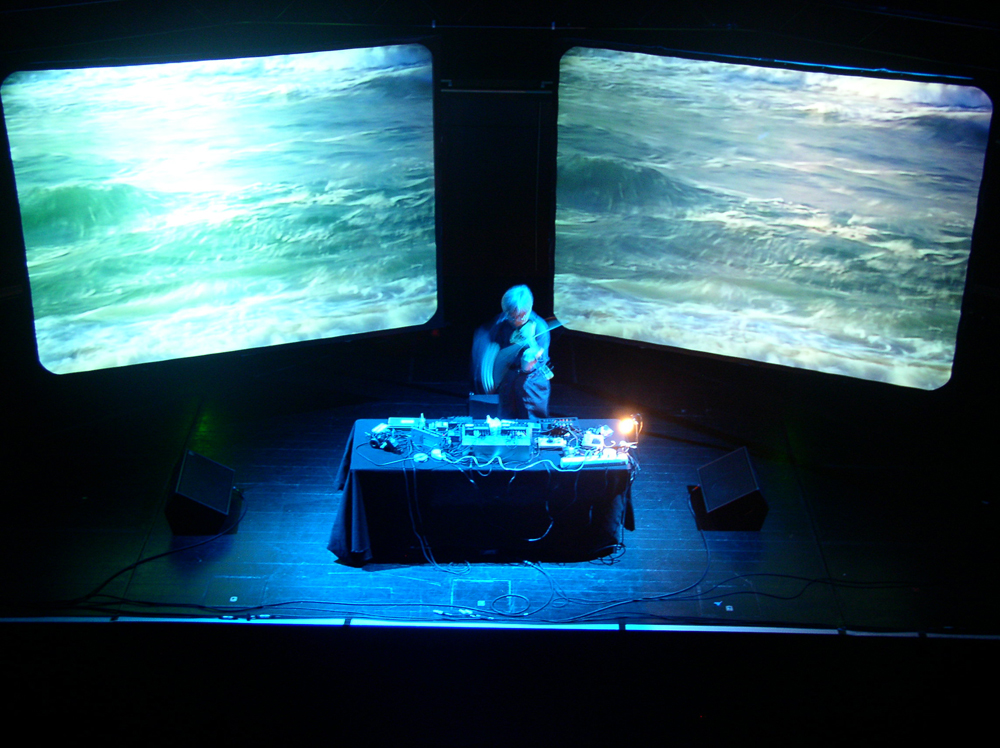
A new interpretation of Kosugi’s Catch-Wave, producing a cloud of fluctuating, hypnotic drones, in front of a backdrop of projected waves.
Long Stringed Instrument performance involving up to 100 wires strung in tension over a 40m arch.
As part of Karrabing’s visit to Scotland, the collective will be hosted for three days in the Isle of Skye by The School of Plural Futures.
An audio report for the NATOarts board of directors that seeks to promote global security and stability through the exhibition of works of conceptual art.
A chill sex worker only breakfast hang, hosted by Scotland for Decrim, with delicious vegan, vegetarian, meaty, gluten free options & fresh coffee. (Both present & past lived experience welcome).
Transfeminist and revolutionary poetry, voice and timbral abstraction: a sounding and spatialising of reparative sonic and somatic practices that can speak back to violent histories of expropriation and ecocide.
Smith/Stewart set up allegorical situations over which they often have little to no control, but which instigate explorations of dependence and trust, the body, sex and death.
How does this practice, that simultaneously resists and honours the distinctions between these genres, materials and senses, determine the inhabitation of another: a convergence of aesthetic and social experimentation?