Object of Thought
Mattin
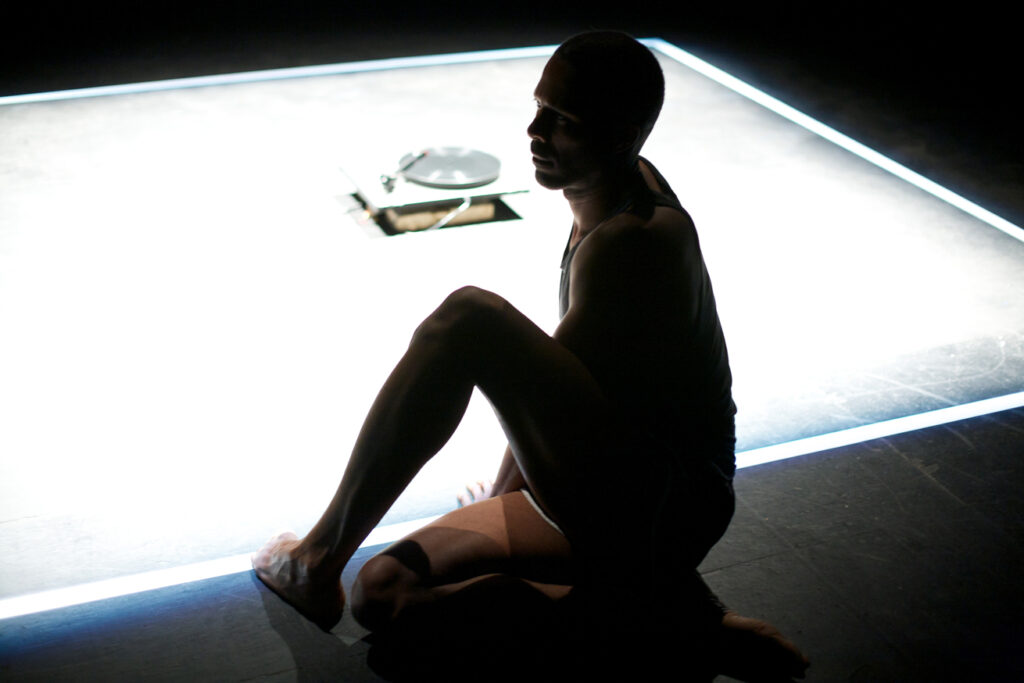
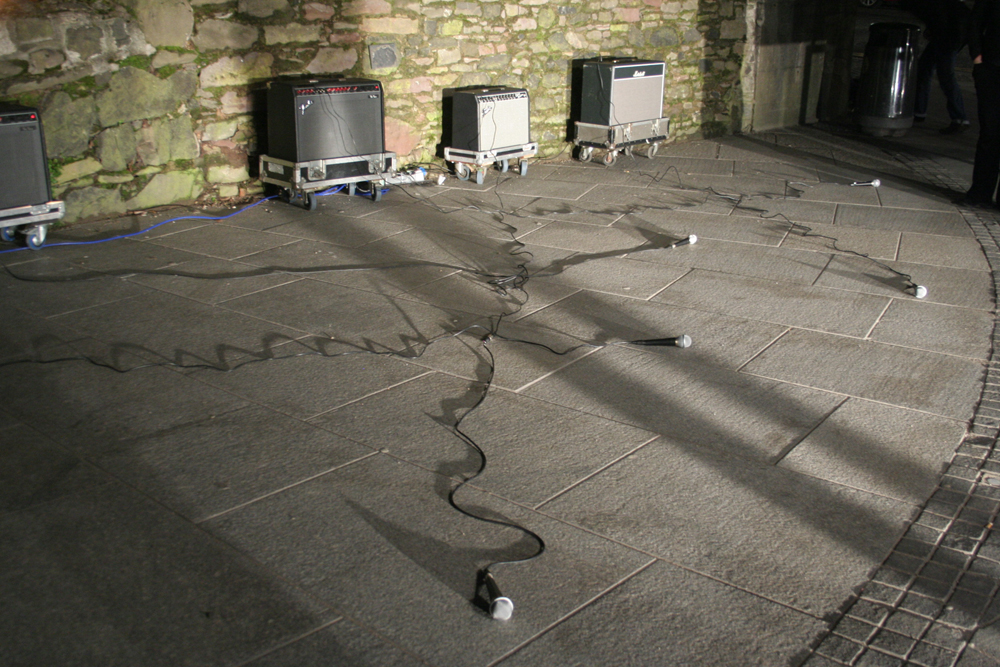
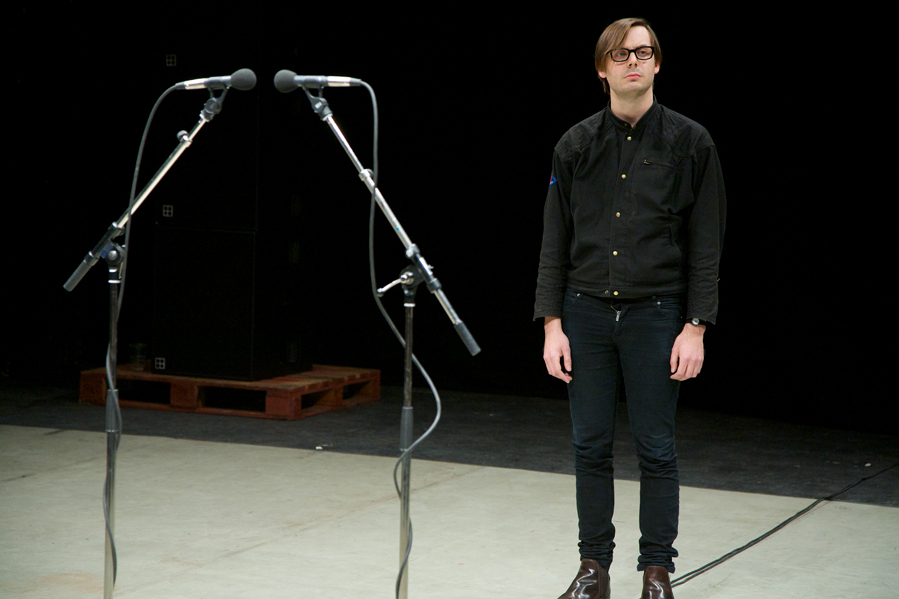
A solo improvisation using just the situation of the concert: a space, a PA, Mattin’s own thoughts, you, the audience.
Arika have been creating events since 2001. The Archive is space to share the documentation of our work, over 600 events from the past 20 years. Browse the archive by event, artists and collections, explore using theme pairs, or use the index for a comprehensive overview.
A solo improvisation using just the situation of the concert: a space, a PA, Mattin’s own thoughts, you, the audience.
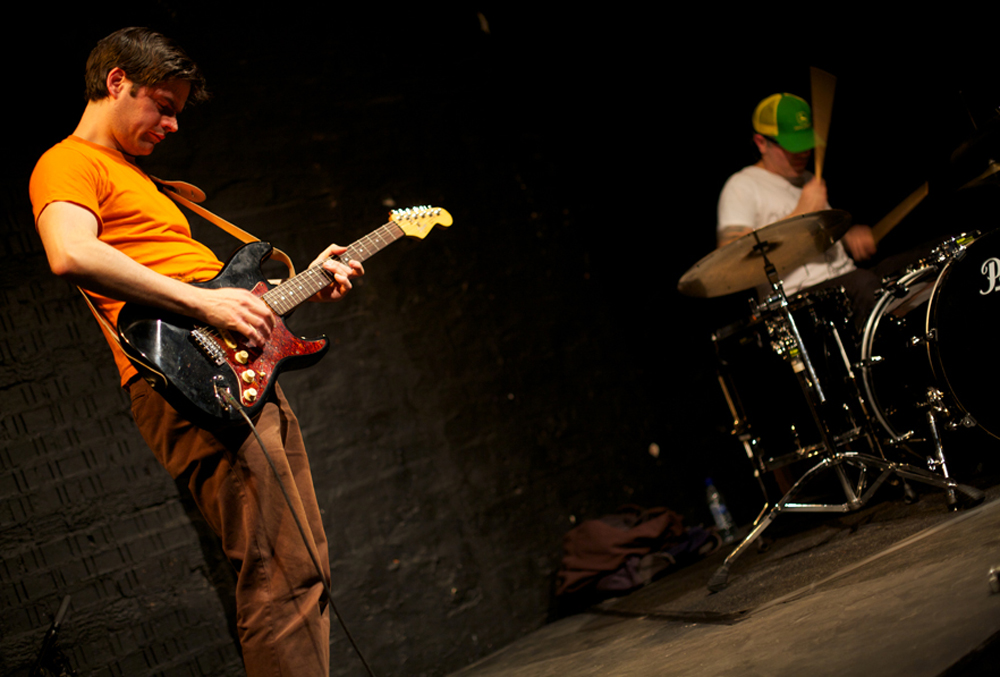
Three different performances variously featuring: Fritz Welch, loud drums, guitar, local collaborators, paper, memories, Roland Barthes, string quartets
During Episode 9 we made this clip with Storyboard P at Kinning Park Complex. Video by Ash Reid.
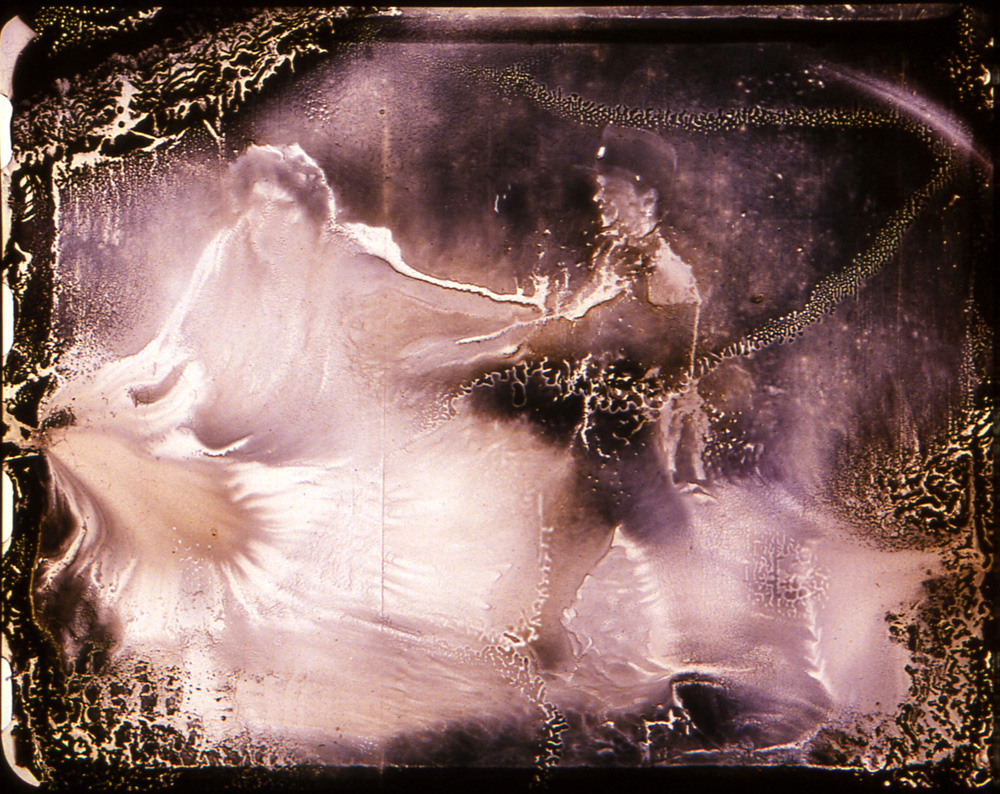
Each film in this programme celebrates process; the decay of emulsion, the properties of dust and dirt, the manipulation of time. Post the dawn of the digital age, we reflect on our love of the film form, celluloid as an object, a medium and a physical entity.
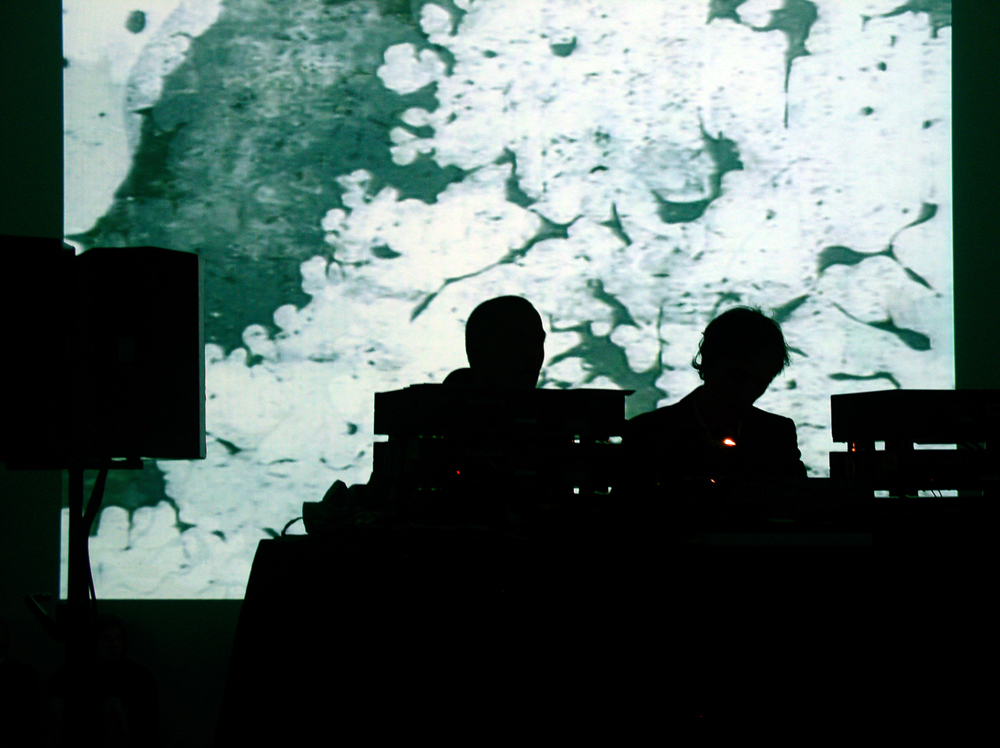
Andrew Chalk & Christoph Heemann return with their diaphanous, impressionistic drone duo; their slowly evolving and enthralling works flutter and quiver with elegantly restrained, miniature sound events.
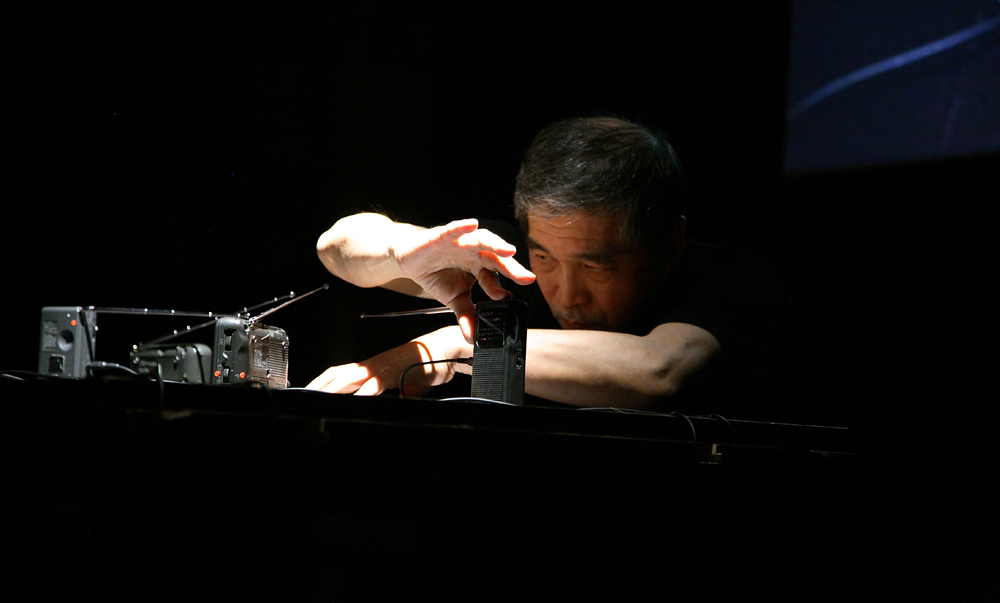
Performing with hand built radio transmitters, which react to interference in the atmosphere and the electrical impedance of his hands, his radio art is a form of social practice; a statement in opposition to mass media.
When we look, how do we objectify the body; how can we reflect on our (self) image as a construction?
Do ideas emerging from particle physics help to re-think of blackness as a mode of life in which it’s possible to practice difference without separation?
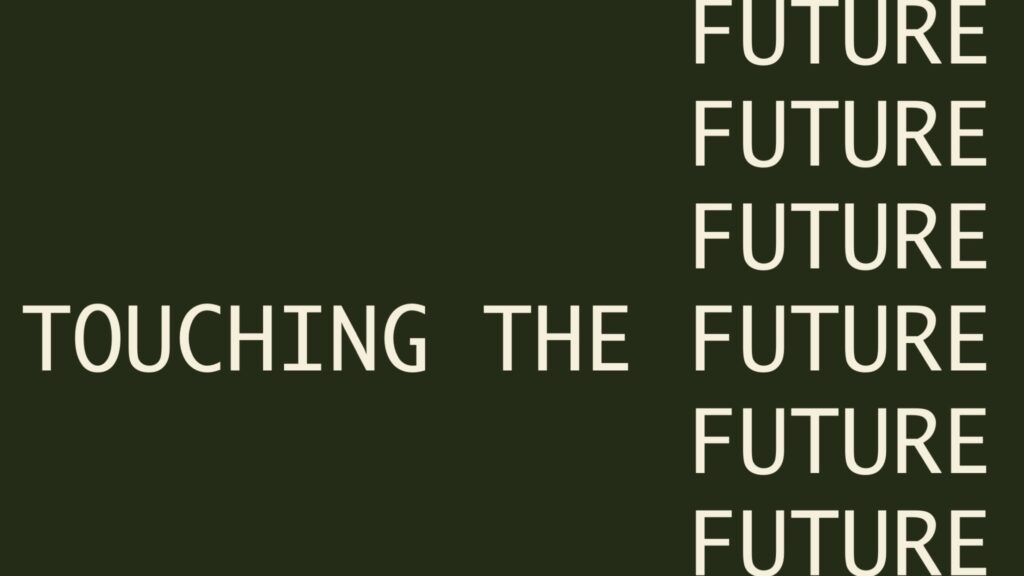
Dr Gabrielle Hodge shares words on Touching the Future, a Protactile project with John Lee Clark, Soline Vennetier, Issy McGrath, Lisa van der Mark, Kyle Bettley and Jordan Goldman, supported by Arika, kickstarting radical DeafBlind Protactile world-building in Glasgow.
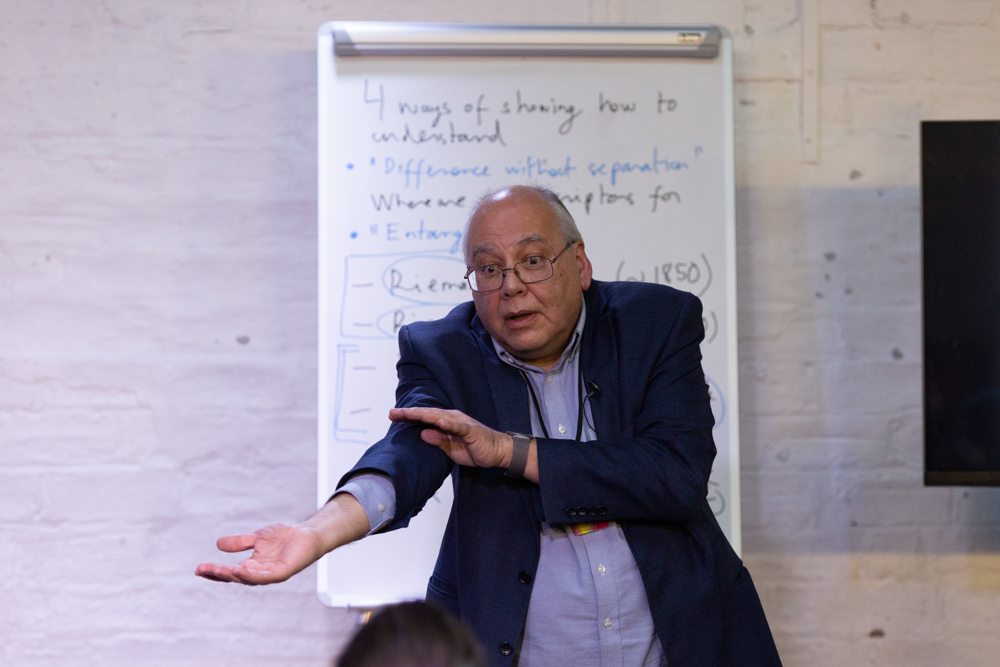
Fernando thinks that when maths is deep, it should be simple and able to be explained by hand gestures. By embodying ideas, we’re able to more clearly think about their cultural implications.
Can we use sound, repetition and difference to personally and collectively engage with space, time and labour?
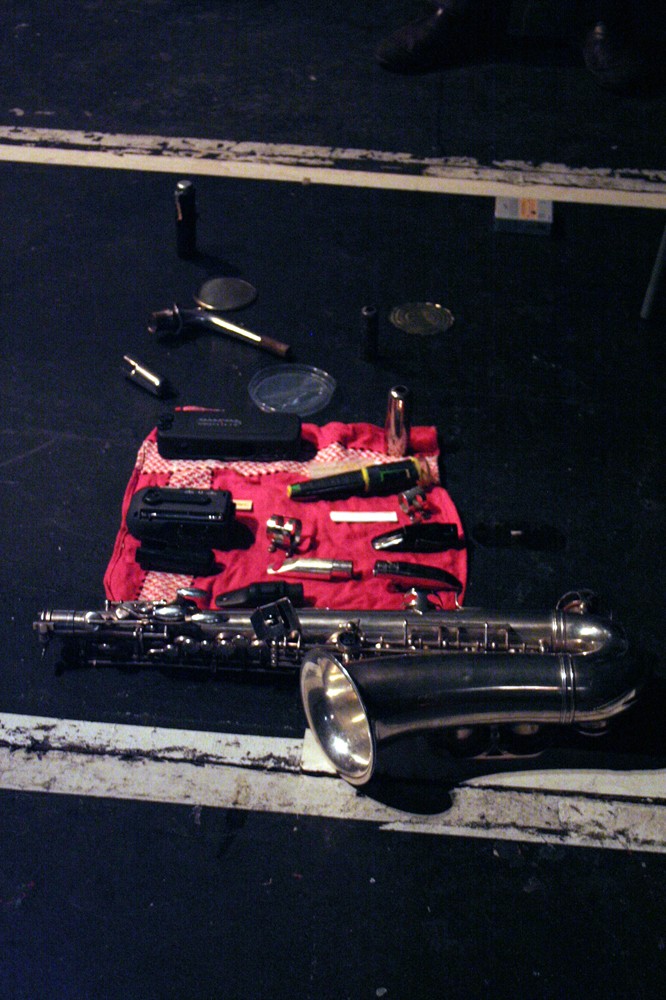
A saxophone. Handheld fans. Shrill squeaks. Splutters, gargling. An incredible diversity of sounds, intensely focused by an inventive musician.