MICRO 1
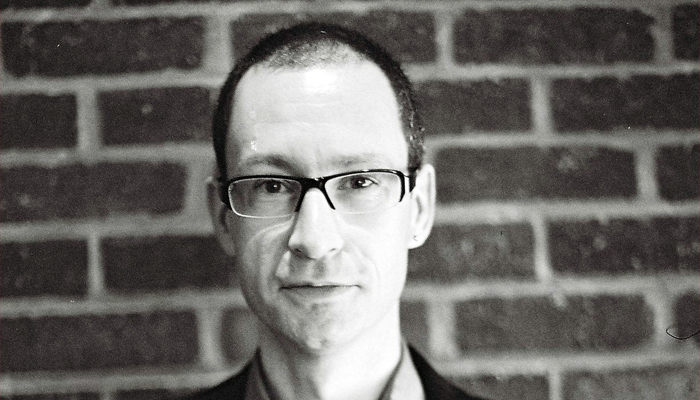
Takehisa Kosugi
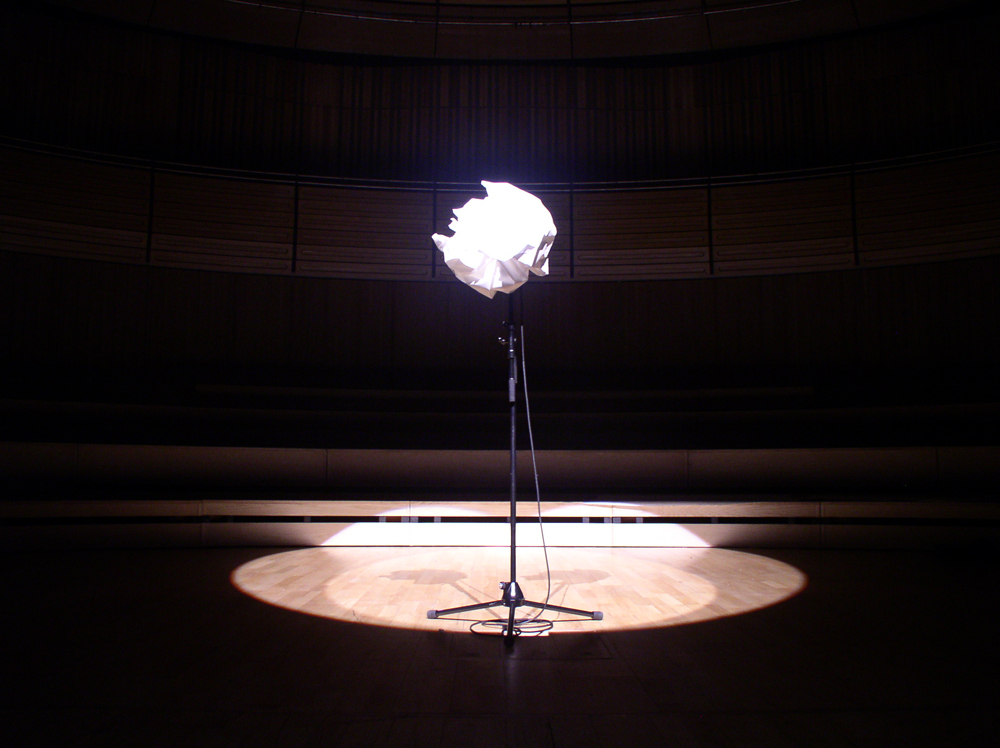
MICRO 1 – Wrap a live microphone with a very large sheet of paper. Make a light bundle. Keep the microphone live for another 5 minutes. T. Kosugi – (1961)
Arika have been creating events since 2001. The Archive is space to share the documentation of our work, over 600 events from the past 20 years. Browse the archive by event, artists and collections, explore using theme pairs, or use the index for a comprehensive overview.
MICRO 1 – Wrap a live microphone with a very large sheet of paper. Make a light bundle. Keep the microphone live for another 5 minutes. T. Kosugi – (1961)
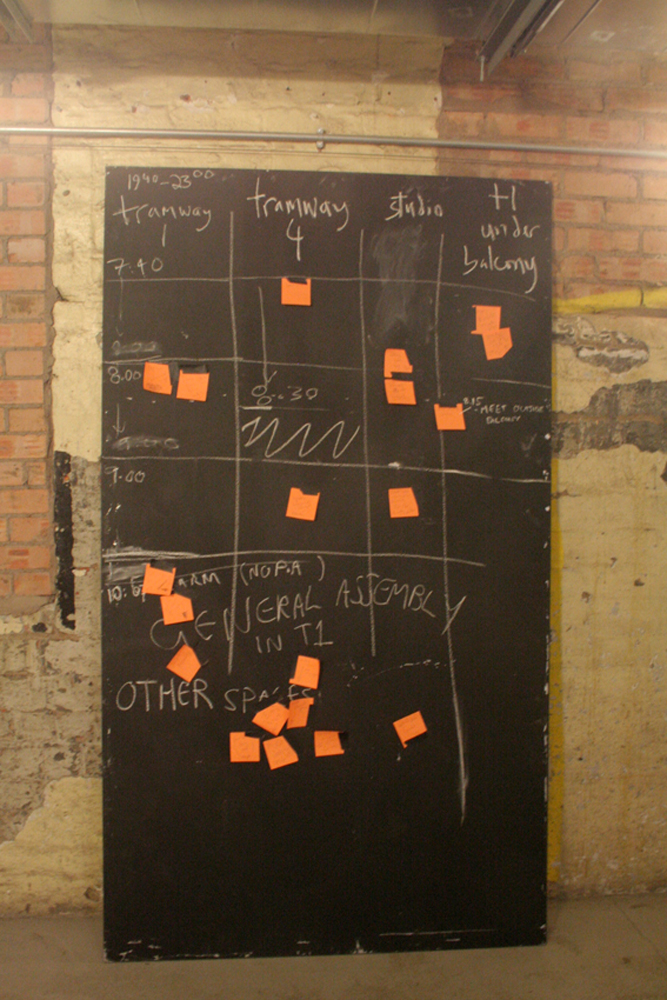
Three workshops lead up to an open invitation to improvise with the festival as concert. The last four hours of the Sunday 14 at Instal 10 were devoted to presentations devised during the three workshops. The material conditions (time, space, facilities…) were the instruments. From there anything could happen.
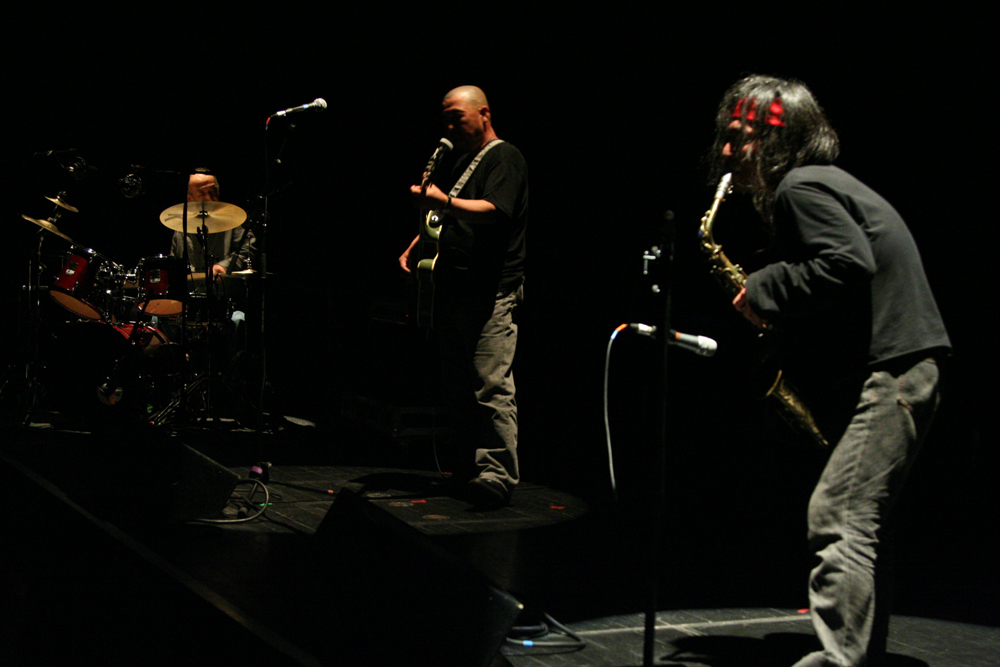
HEAVY Japanese super group, featuring the sundown delta blues of Kan Mikami, Toshi Ishizuka’s heavy, time folding drumming and Masayoshi Urabe on sax, harmonica and chains.
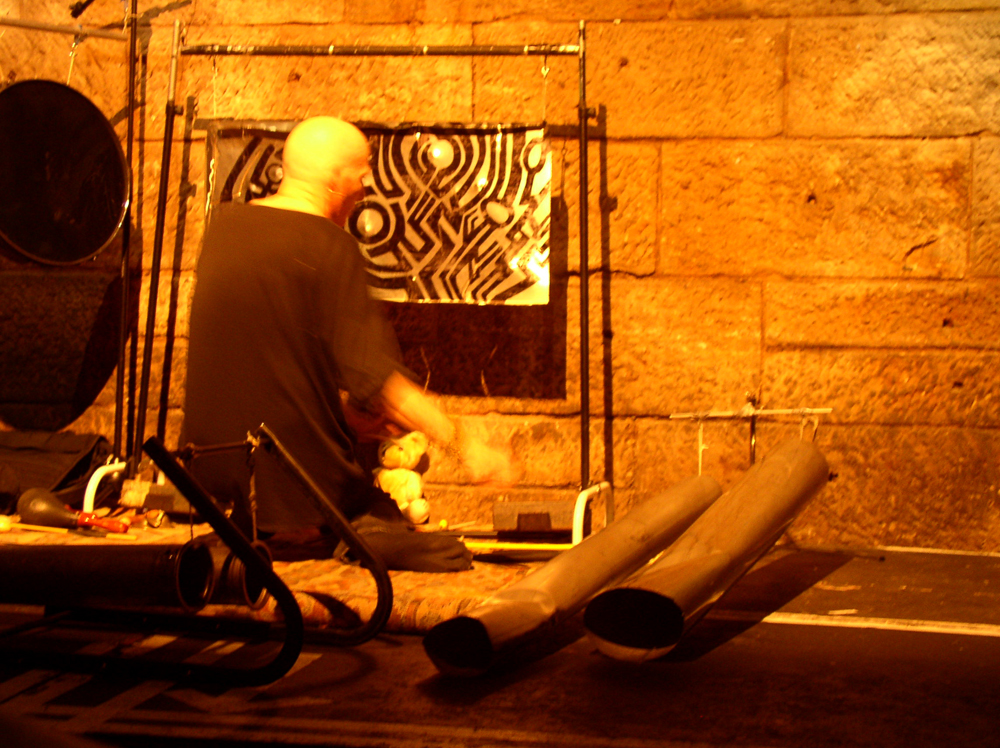
US percussionist, poet, sound artist and instrument maker performing on self-made instruments constructed from industrial materials such as stainless steel, titanium, PVC plastics and various kinds of pipe.
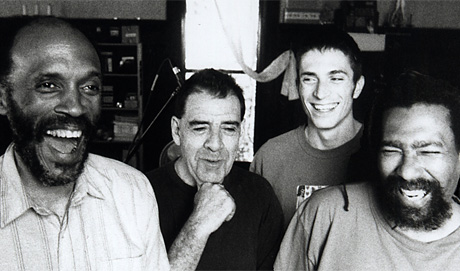
TEST is a collective creative improvising quartet based out of the NYC Underground (figuratively and literally). Their street-hardened, spatial Jazz is riotous and intense: is also makes us think about collective organization, and different ideas of responsibility and liberty.
The second edition of the INSTAL festival broadened it’s scope to include performances from Francisco Lopez, Phil Niblock, Stefan Mathieu, Alva Noto, Ryoji Ikeda and John Wall.
A public gathering that brings together local artists, musicians, activists, and community organisers.
Join Brian as he ruminates on the history of how experimental filmmakers and sound artists have drifted into and taken over galleries in order to show their work.
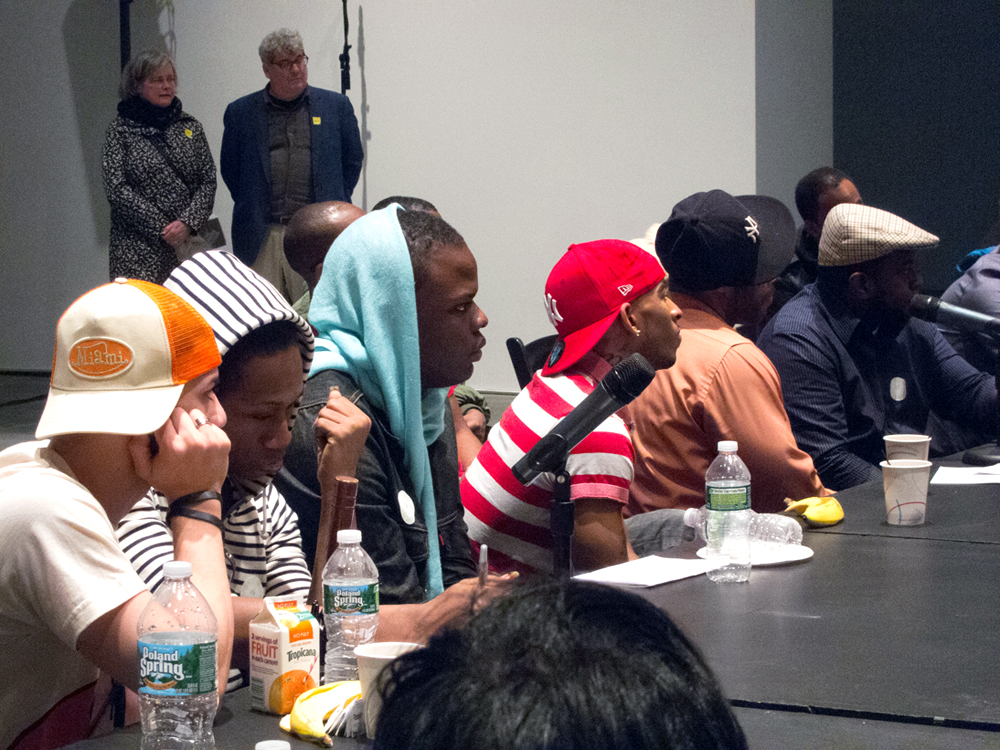
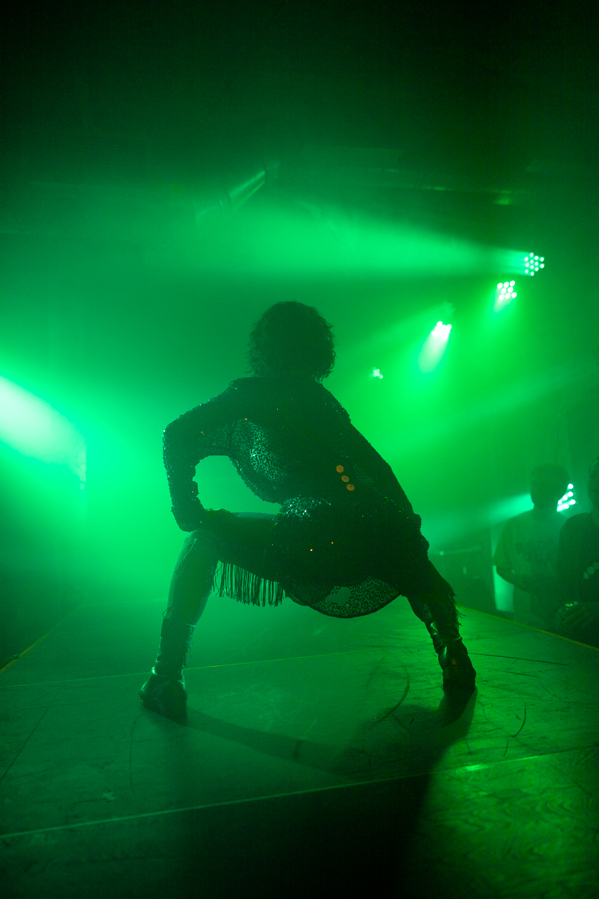
For day two of Ultra-red’s project, the investigation will take up protocols for listening to the sound of freedom composed and facilitated by the Vogue’ology collective.
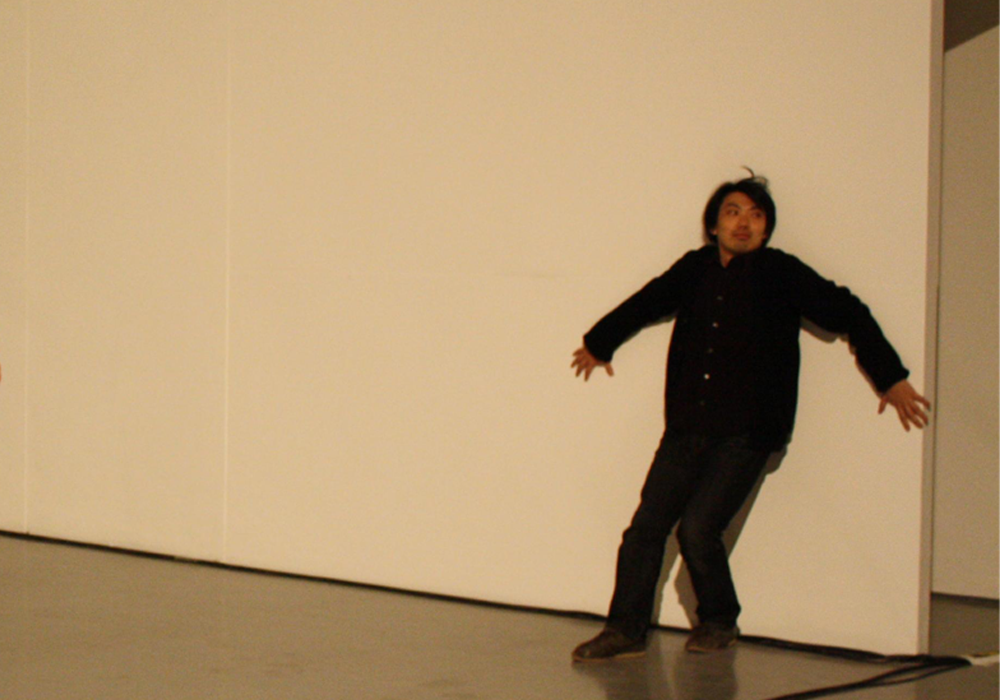
With Taku we’ll carry out some simple proposals for doing almost nothing, for re-thinking sound with whatever comes to hand.
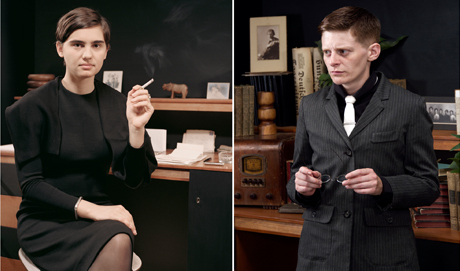
Seven women recite monologues composed from texts from the vibrant years of the Weimar Republic. A kind of cultural echo: an experience of histories brought to the present.
Is it possible to dance our way out of the hardened stances and identity prisons we are locked in?