Music Lover’s Field Companion 05
Taking our festivals south of the border to The Sage Gateshead we set out to offer a few cardinal pointers in the vast array of experimental music practices.
Arika have been creating events since 2001. The Archive is space to share the documentation of our work, over 600 events from the past 20 years. Browse the archive by event, artists and collections, explore using theme pairs, or use the index for a comprehensive overview.
Taking our festivals south of the border to The Sage Gateshead we set out to offer a few cardinal pointers in the vast array of experimental music practices.
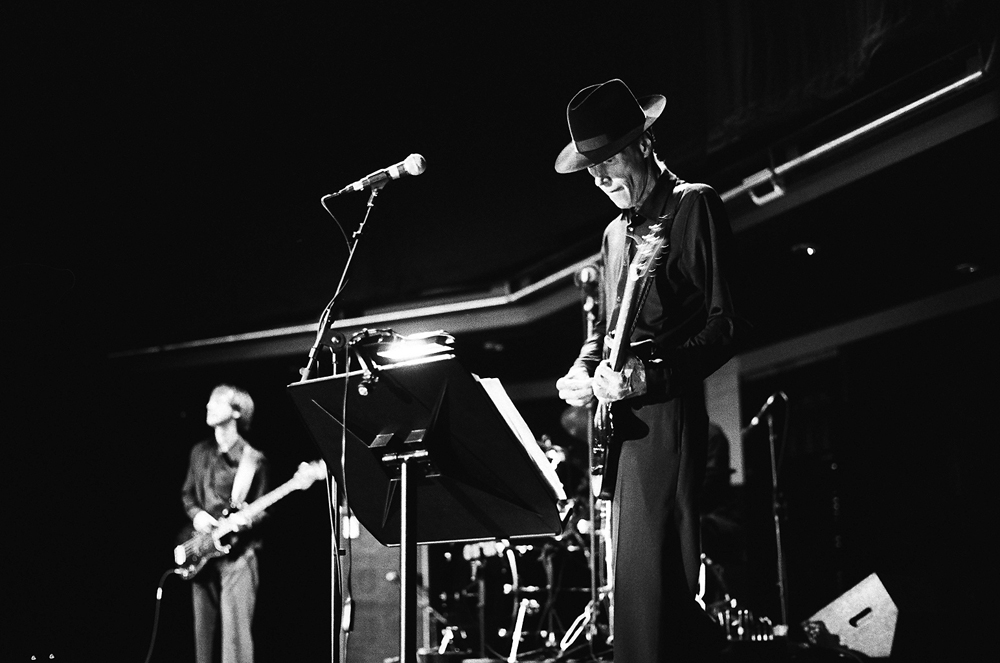
Jandek’s second ever live performance, and the first to be advertised in advance.
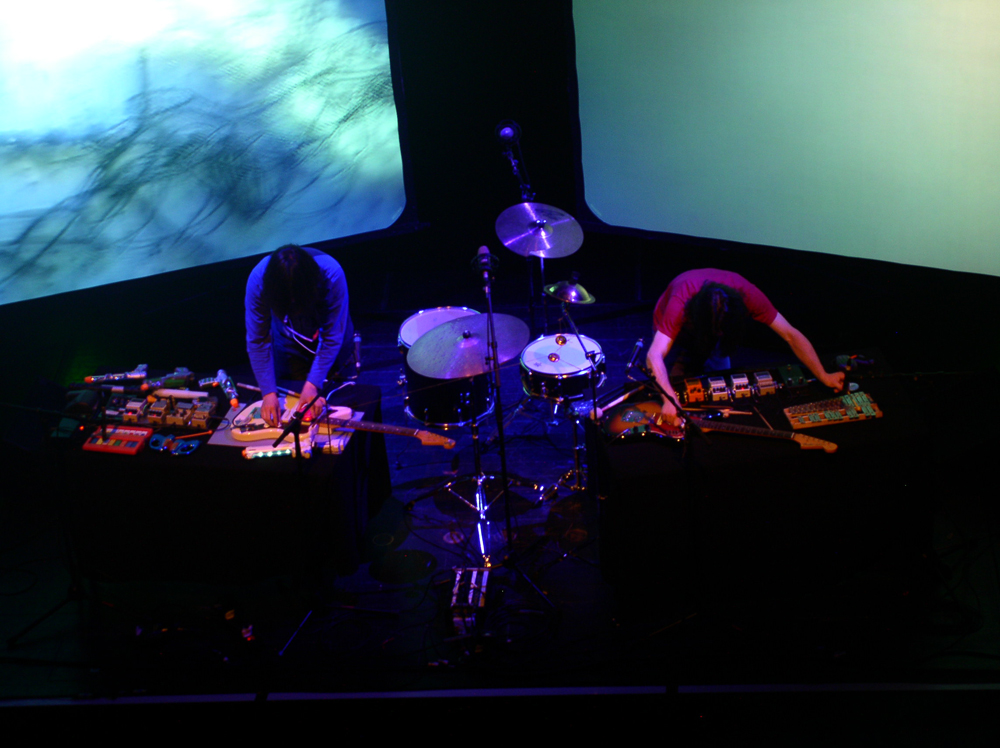
Italian duo of brothers Maurizio and Roberto Opalio utilising an array of acoustic and electric guitars, various toy-instruments and toy-microphones.
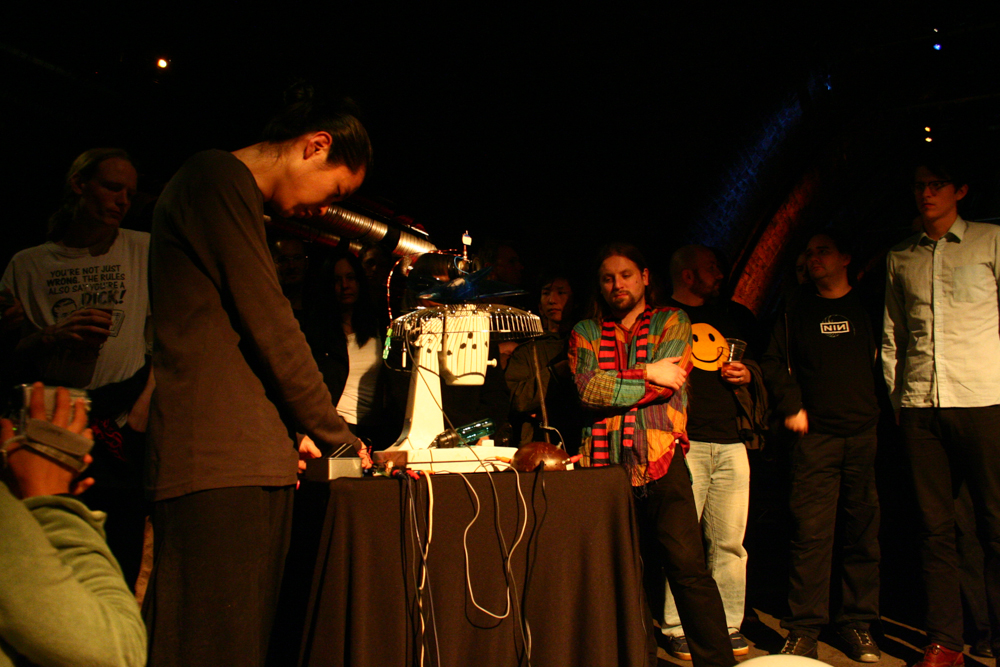
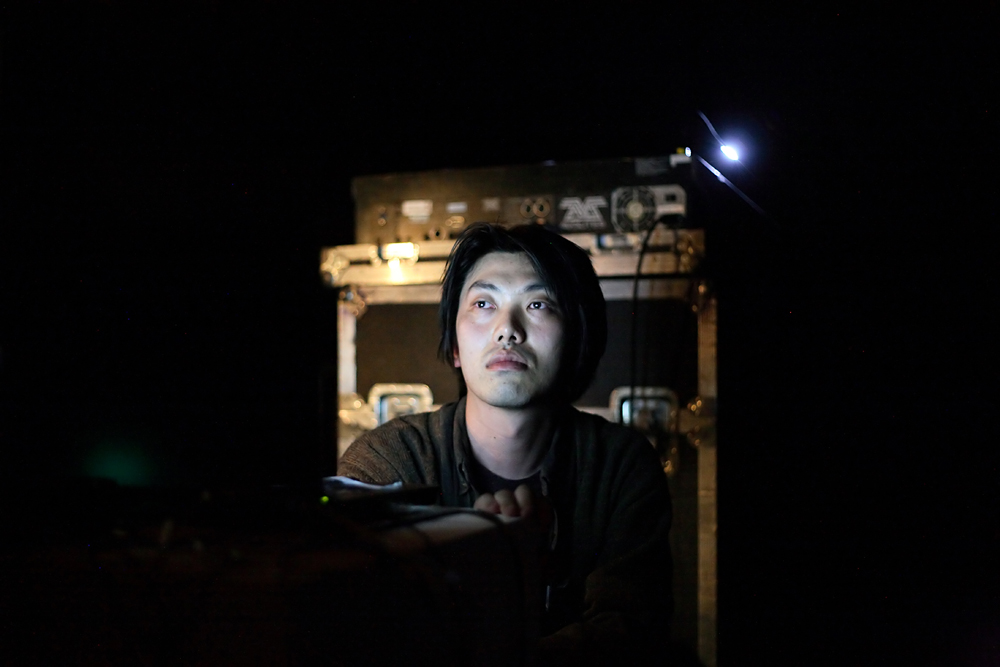
Umeda is a Japanese artist who is as fascinated in setting up interesting situations to observe, as he is in creating performances.
Can we use sound, repetition and difference to personally and collectively engage with space, time and labour?
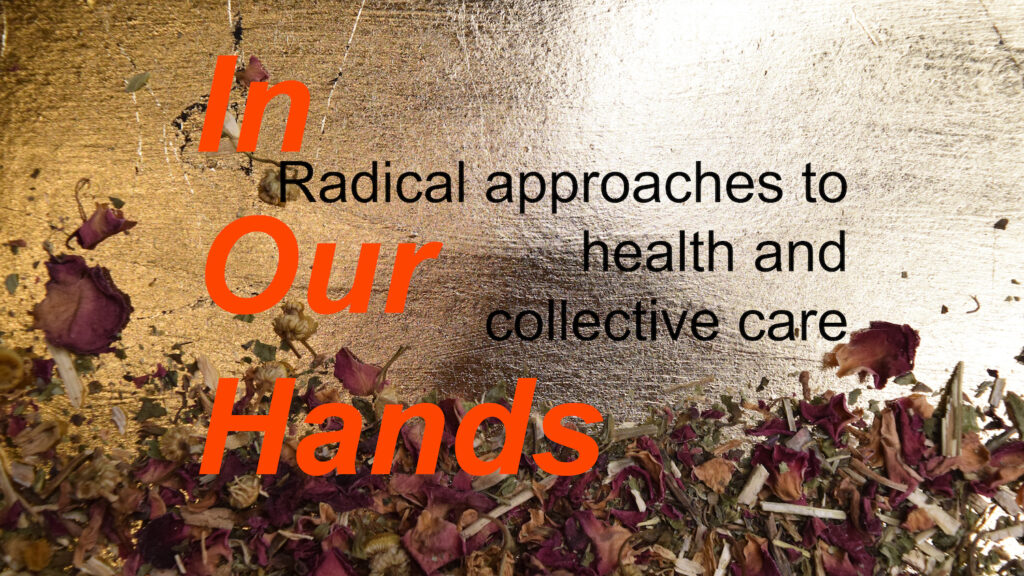
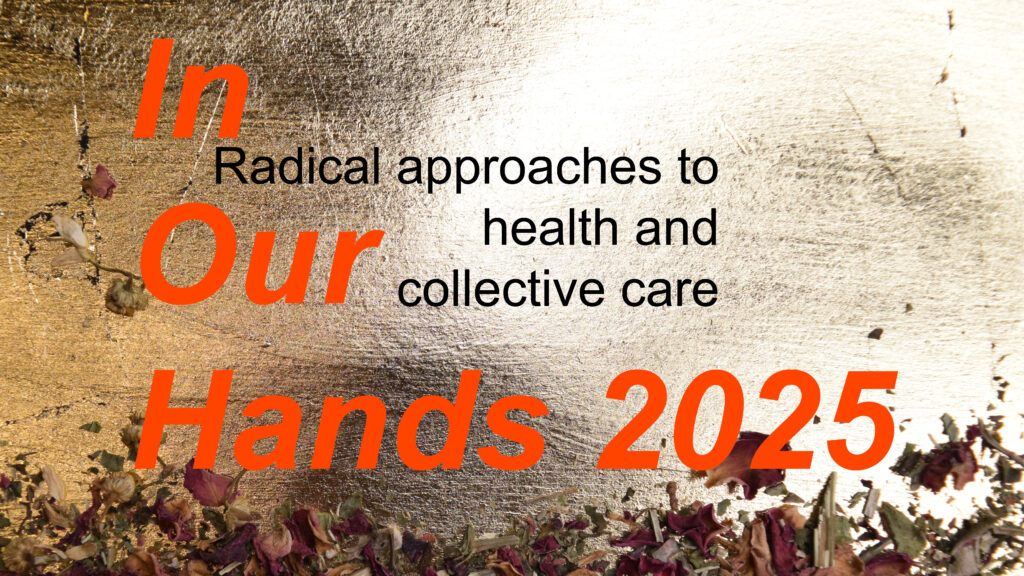
In Our Hands is a ten week programme of workshops facilitated by Lisa Fannen, Omikemi and Clay. The sessions explore radical approaches to health and collective care in the context of movement for liberation and social justice.
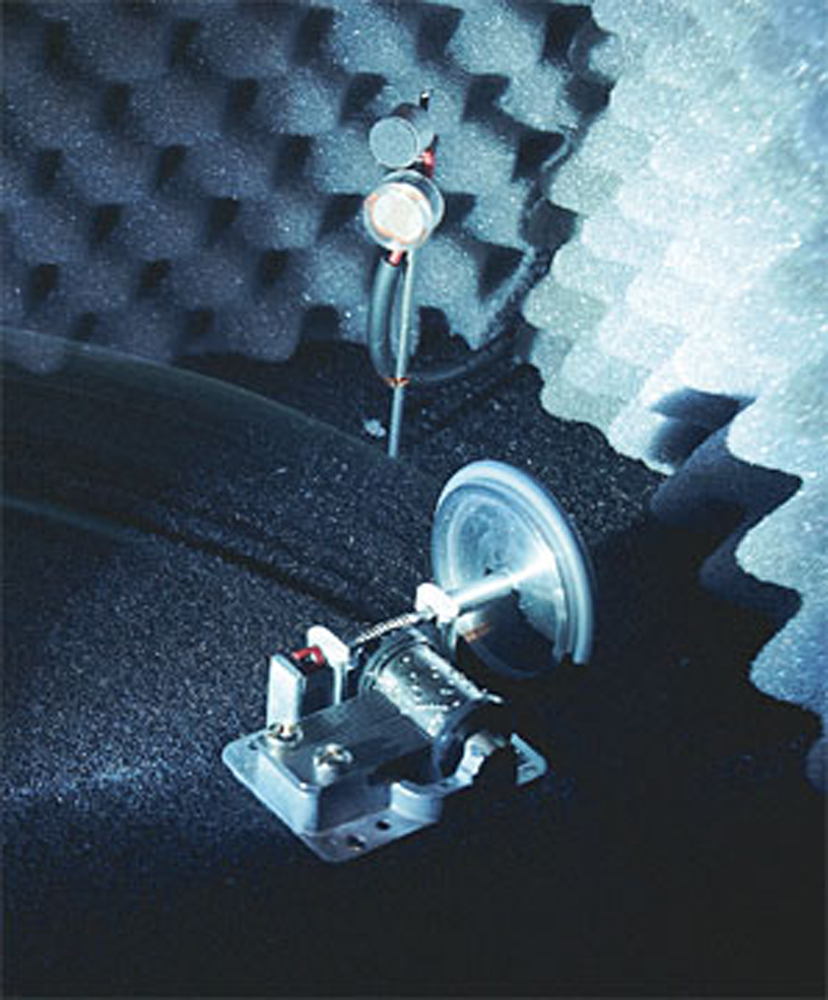
Finnish duo Grönlund Nisunen are known for their extraordinary work fusing incredible sounds with stunning objects in large scale sculptural installations.
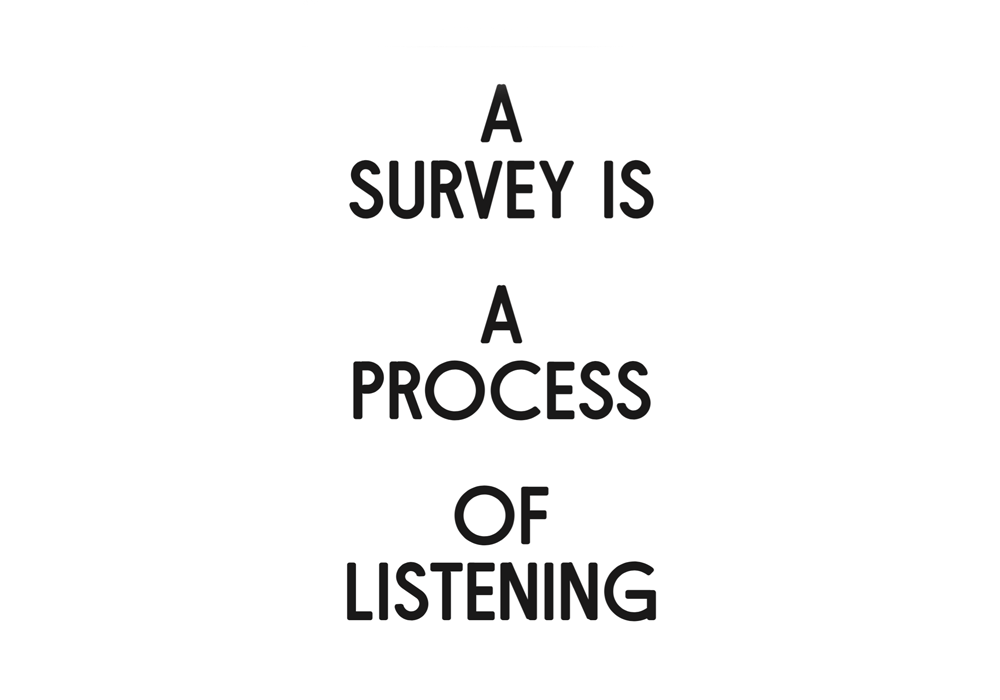
A performative survey of listening, as we managed to find it being used as a tool in different practices, disciplines and communities in North America (music, poetry, film, philosophy, activism…).
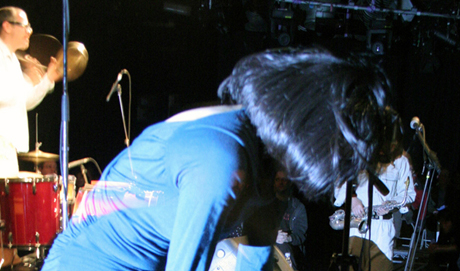
A trio of Tamio’s screaming and immovable slabs of sound; Mico’s dance/ performance/ piano; Fritz’s absurd, flailing percussion/ voice.
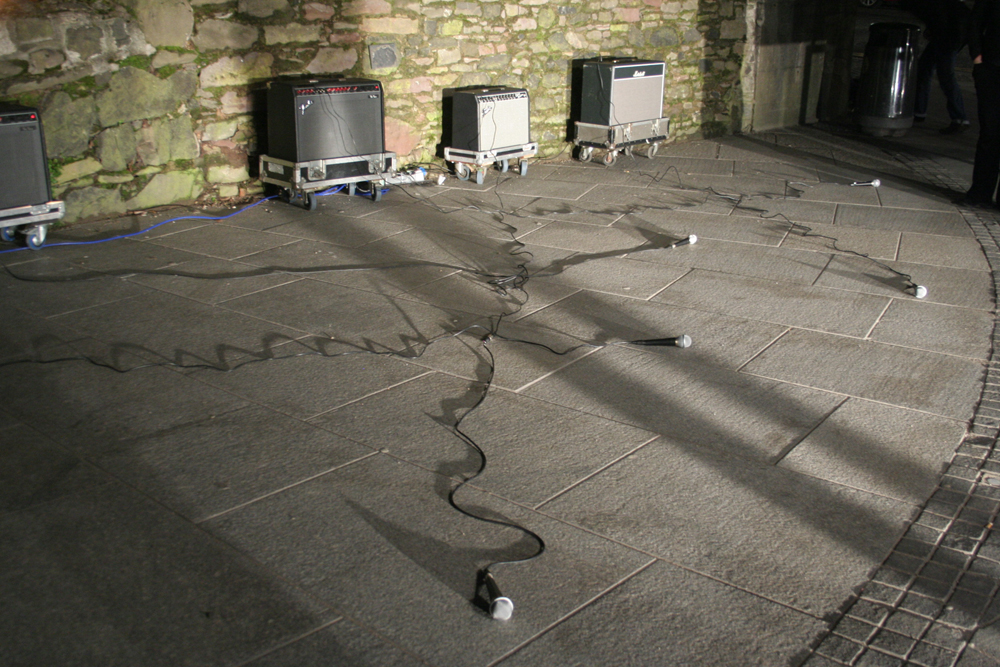
Simple maths and stringent scored instructions move precise frequencies and clicks to create a dense, fluctuating environment of standing waves and physical sound.
In Our Hands is a nine week programme of workshops exploring radical approaches to health and collective care in the movement for liberation and social justice.
Rather than asking the state for services, what kinds of change are made possible when we prioritise people supporting each other?