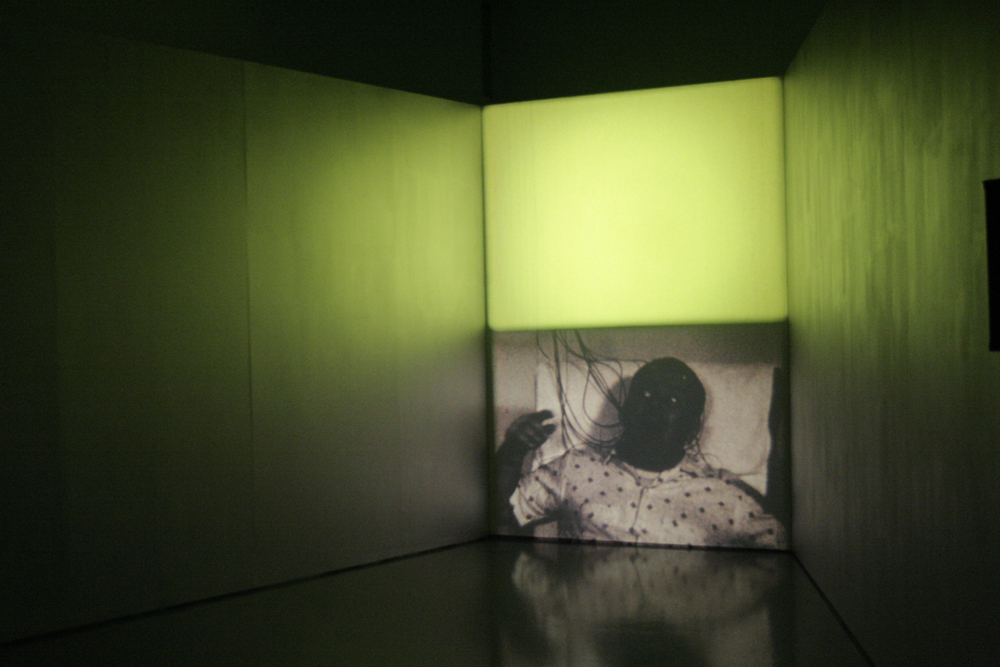
Epileptic Seizure Comparison (1976)
Paul Sharits
Paul Sharits one of the great experimental, sometimes called structuralist / materialist, filmmakers of the 20th Century.
Arika have been creating events since 2001. The Archive is space to share the documentation of our work, over 600 events from the past 20 years. Browse the archive by event, artists and collections, explore using theme pairs, or use the index for a comprehensive overview.
Paul Sharits one of the great experimental, sometimes called structuralist / materialist, filmmakers of the 20th Century.
One-shot sonic portraits of 4 houses, their inhabitants and their relationship to sound, from 2 of the most deep-thinking field-recording artists around.
Power-electronic klutz behaviour indecipherable blasphemies, cuts, bruises and broken microphones by Kovorox Sound head-honcho Lea Cummings.
Music is full of refracted brass and wind tones, distorted tape loops, dead silent air and the occasional piercing shard of sound.
A kind of an informal overview of INSTAL.
Could they be one of the most ferocious live noise acts around, or a necessary and ludicrous parody of ferocious noise acts? Could they be both?
Three speakers play back pre-recorded sounds, Marc listens and responds: “What is played is the imperfect witness of what I listen to (or maybe better, how I listen).”
Transfeminist and revolutionary poetry, voice and timbral abstraction: a sounding and spatialising of reparative sonic and somatic practices that can speak back to violent histories of expropriation and ecocide.
Four intimate 45 minute sessions, readings of your political questions – using Tarot, Palmistry, Reiki, Astrology, and Philosophy, and the invented methods of Fake and Political Therapy.
Amid the blur of erotics, the jangle of poetics, and the fetishizing of sickness and disability, the heat of Panteha’s performance and sculpture freezes all.
Greek TV company Onos Productions came to INSTAL 09 to document the festival and report on Nikos Veliotis’ Cello Powder performance.
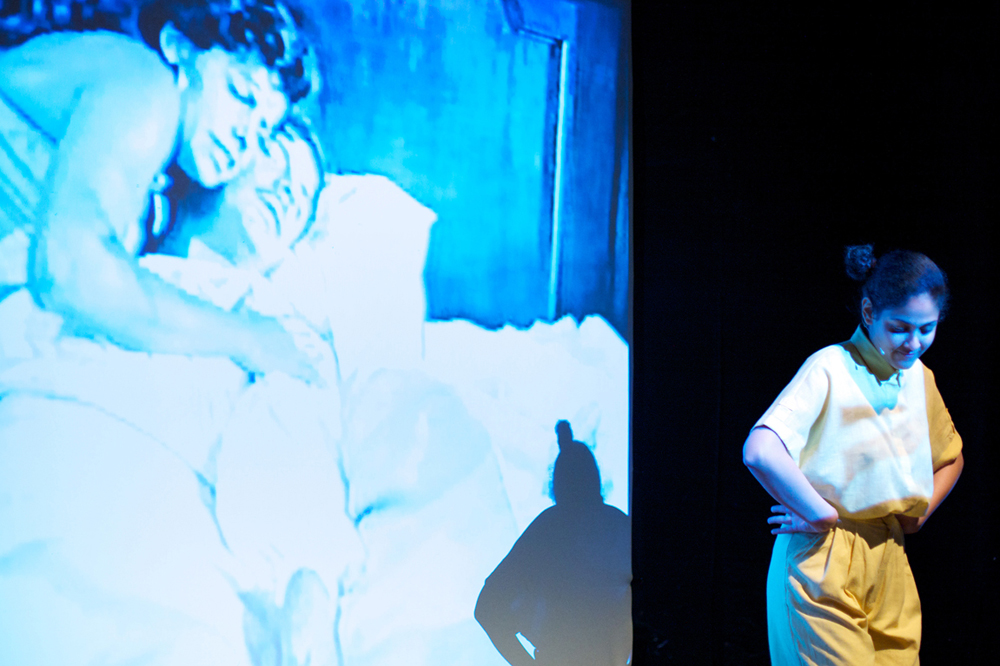
A performed film lecture exploring how the ‘Rumberas’ of Caribbean cinema of the 40’s and 50’s subverted demeaning images of themselves through dance, sound and a sociality that insisted on blackness as being a cultural performance, not simply due to skin colour.