Twenty Looks or Paris is Burning at The Judson Church (S)
Trajal Harrell
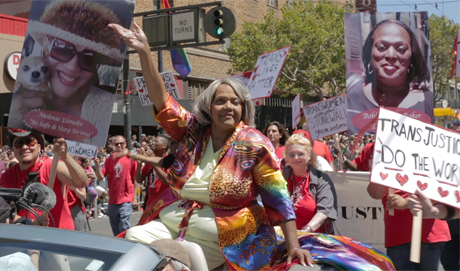
A meditation on how all of us perform — sometimes reinforcing, sometimes subverting — the shifting categories of gender, sexuality and race.
Arika have been creating events since 2001. The Archive is space to share the documentation of our work, over 600 events from the past 20 years. Browse the archive by event, artists and collections, explore using theme pairs, or use the index for a comprehensive overview.
A meditation on how all of us perform — sometimes reinforcing, sometimes subverting — the shifting categories of gender, sexuality and race.
A stroboscopic and intense sensory overload of flashing abstract forms, cut to ribbons by modified projectors.
The pieces in the programme switch between silent film/ imageless sound, but we wanted to have a think about how ideas can take up residency on either side of the sound/ image border, without having to inhabit both at the same time.
Wordless, reverb drenched voice, ghosted electronics, seething and ferocious electronic damage and Patty Waters style vocal mania.
Philip Jeck creates slowly evolving symphonies that are as much about the crackling hiss of old vinyl as the actual ‘musical’ material.
A socio-poetic reading on wayward communities – The wayward create upheavals, incite tumult. They come and go as they please; they are fugitive; they are in open rebellion against society.
The second edition of the INSTAL festival broadened it’s scope to include performances from Francisco Lopez, Phil Niblock, Stefan Mathieu, Alva Noto, Ryoji Ikeda and John Wall.
The films in the programme take the essential and fundamental building blocks of cinema (combining sound and image through time) screw about with them, interrogate them and cast them anew.
Shutter Interface is an expanded cinema piece: a series of machinegun bursts of chromatic relationships and visual harmonics in an overwhelming montage
Do ideas emerging from particle physics help to re-think of blackness as a mode of life in which it’s possible to practice difference without separation?
Do art forms like black radical poetry, free jazz and improvisation create a space for the performance of freedom? Did they ever? And can they still do so now?
Nina’s going to talk about November, by Hito Steyerl: what and how the film thinks, or about what and how it might makes us think (which is connected, but not the same thing), by watching, and it discussing (with you?).