What is the Sound of Freedom?
Fred Moten Ultra-red
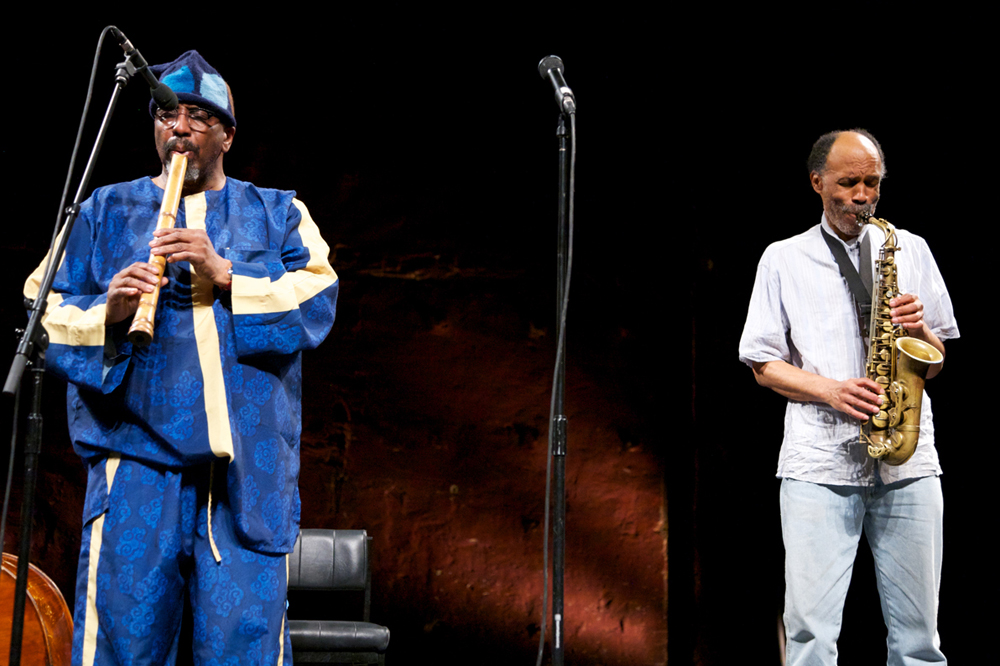
For day four of Ultra-red’s project, the investigation will take up protocols for listening to the sound of freedom composed and facilitated by Fred Moten.
Arika have been creating events since 2001. The Archive is space to share the documentation of our work, over 600 events from the past 20 years. Browse the archive by event, artists and collections, explore using theme pairs, or use the index for a comprehensive overview.
For day four of Ultra-red’s project, the investigation will take up protocols for listening to the sound of freedom composed and facilitated by Fred Moten.
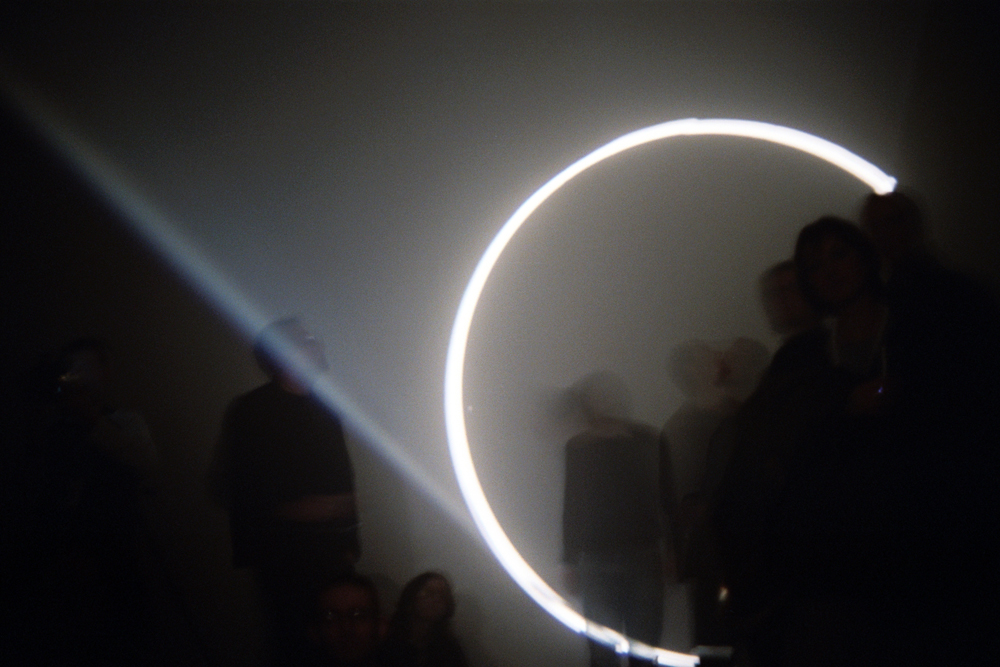
Film and sound stripped of ‘content’ and experienced spatially, to be looked at not on the screen but in the space of the gallery
A dense, hard, immersive, chaotic spatial performance in sound: a momentary gap in consciousness, free of order or decision.
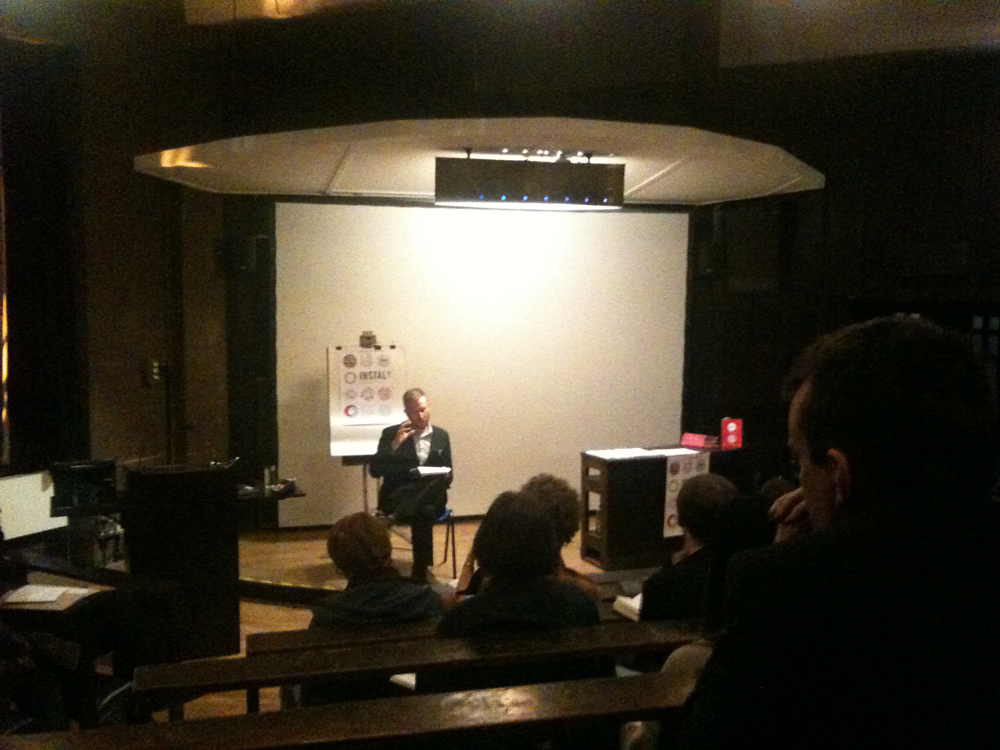
A kind of an informal overview of INSTAL.
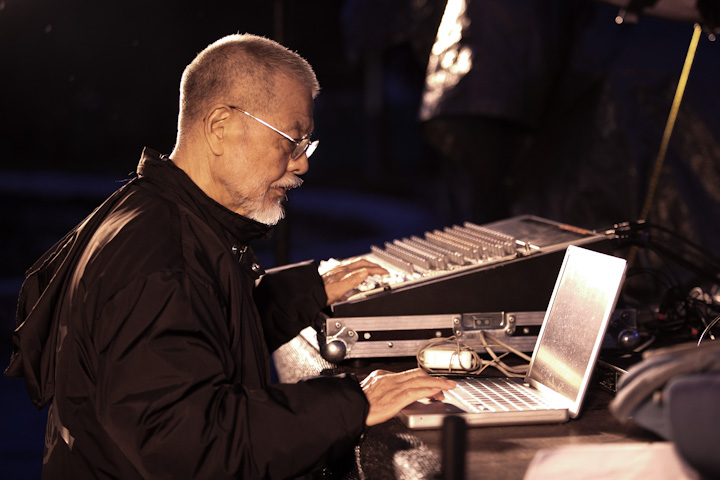
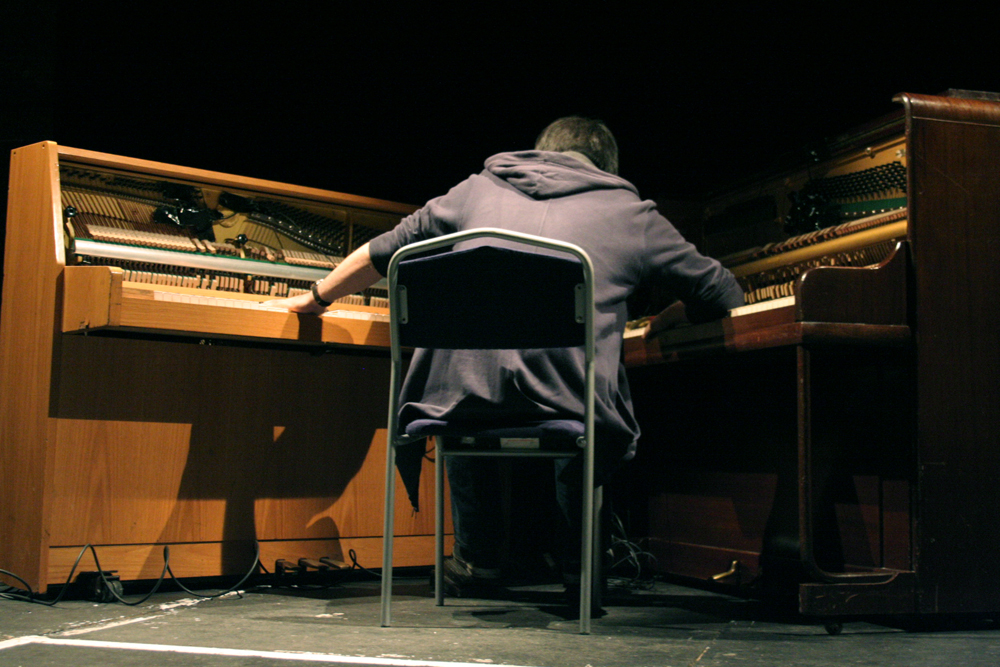
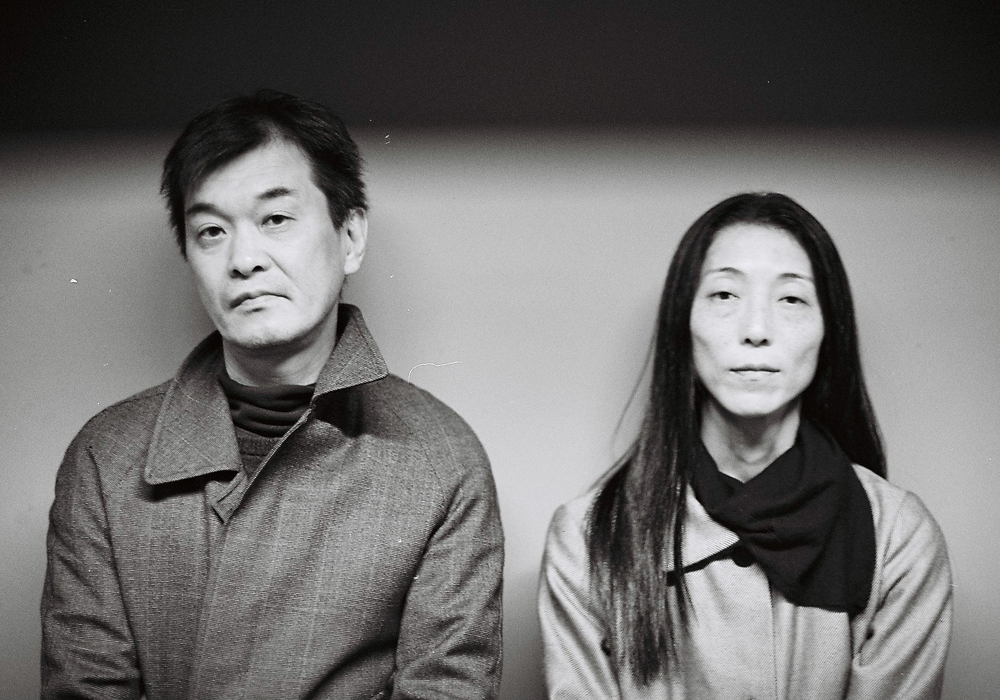
Sachiko’s very simple, pure sine tones and structures. Otomo on double pianos. Filament’s music isn’t composed and it isn’t improvised: it’s a hybrid of the two.
An LSD trip gone right via dense explorations of post-Fahey steel and low level drone.
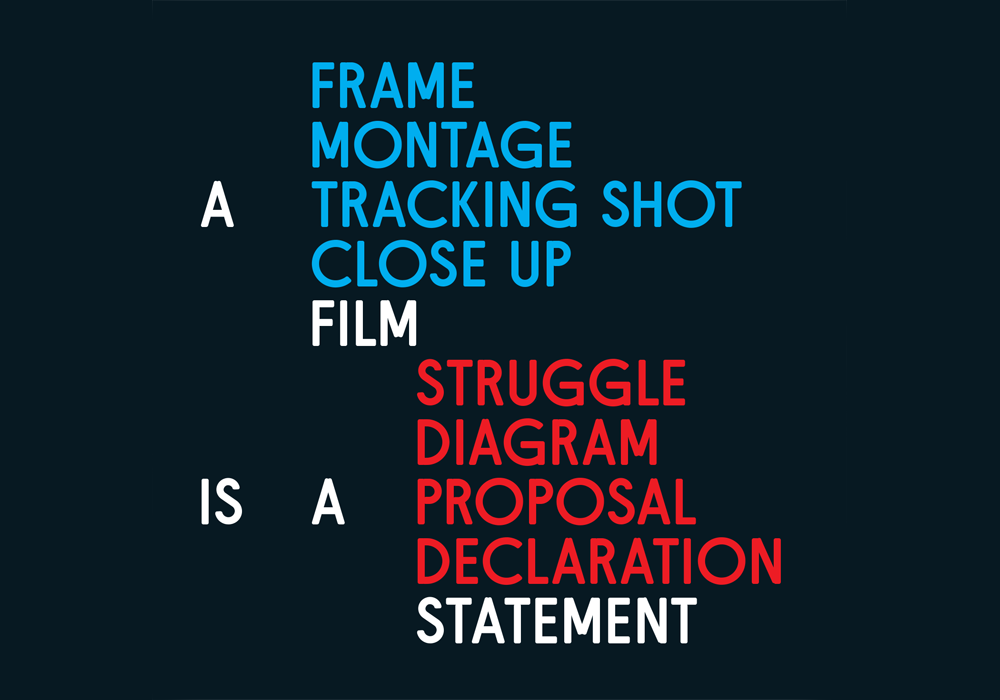
Every aspect of every film is always about more than just film. Or, as Godard said: a tracking shot is a moral issue. A cross between a festival, magazine and discussion about experimental artists’ films.
A collaborative duo performance, Anoyonodekigoto sets up a sort of negotiation between a musician, a dancer, the audience and the space we’re all sharing.
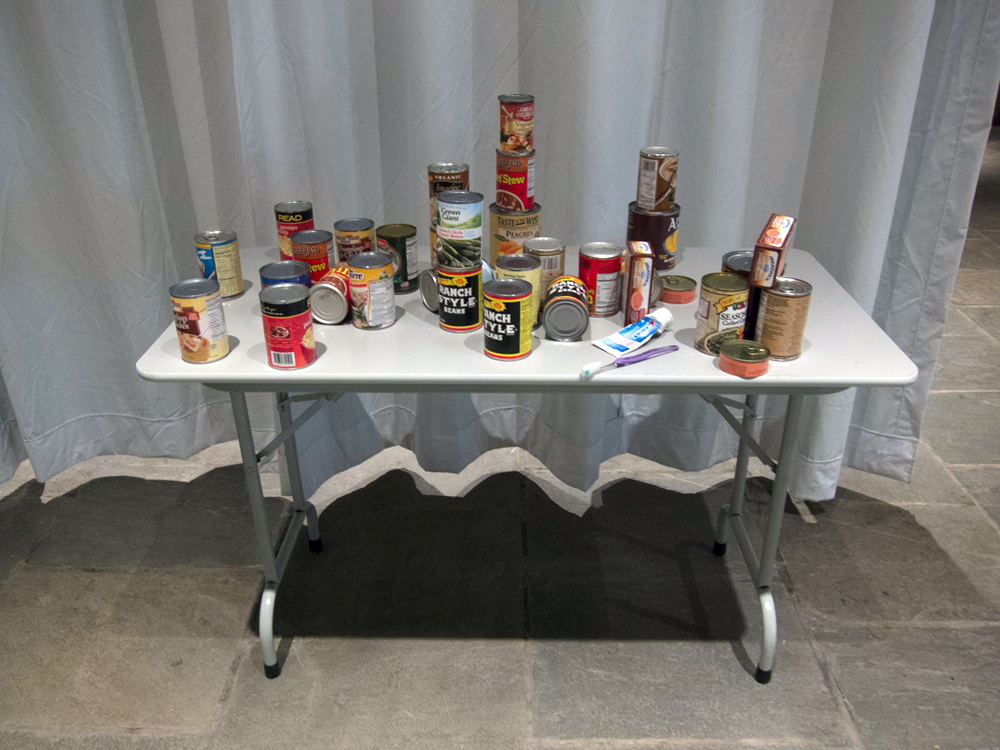
A testimony to poverty from Chris’s own experiences, and an invitation to engage with an all too typical situation and context through a kind of imaginary listening.
The production of moving image (film) by the mechanically, unfalteringly repetitive manipulation of mass-produced materials (film), in order to explore three different allegorical representations (films) of repetitive human actions and labour under capital.
Now a two day festival, INSTAL 04 was borne of a desire to open eyes, challenge audiences and expand musical horizons. This was also the year in which a certain representative from Corwood Industries made his first ever live appearance.
What might Carter and Parker’s collaboration tell us about our own performances of responsibility and liberty, whether individual, social or musical?