What is the Sound of Freedom?
Ultra-red George Lewis
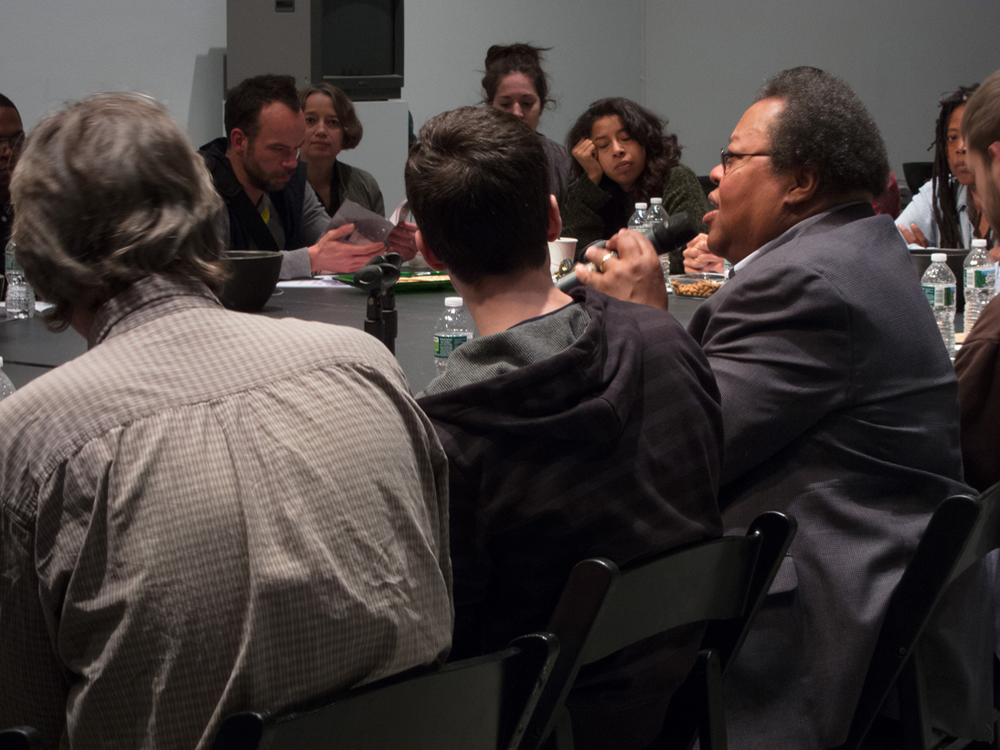
For day one of Ultra-red’s project, the investigation will take up protocols for listening to the sound of freedom composed and facilitated by George E. Lewis.
Arika have been creating events since 2001. The Archive is space to share the documentation of our work, over 600 events from the past 20 years. Browse the archive by event, artists and collections, explore using theme pairs, or use the index for a comprehensive overview.
For day one of Ultra-red’s project, the investigation will take up protocols for listening to the sound of freedom composed and facilitated by George E. Lewis.
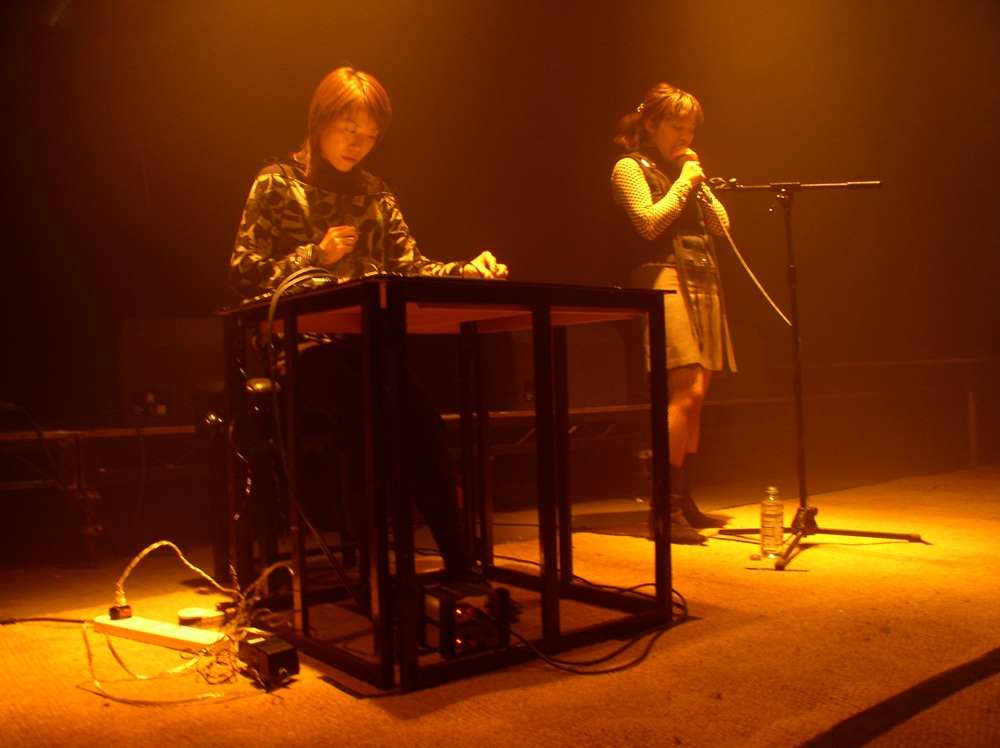
Sachiko M and Ami Yoshida, two of the most prominent members of the Onkyo movement, place much more emphasis on sound texture than on musical structure, distilling elements of techno, noise, and electronic music into a unique hybrid.
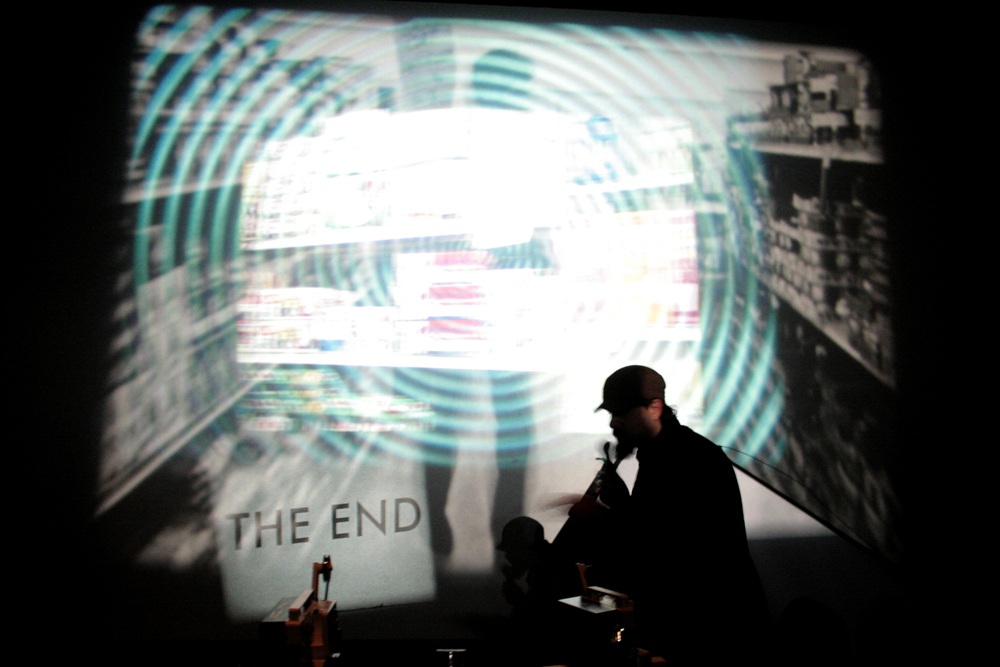
Quasi-theatrical multiple-projector pieces play with the relationship between performers, art and audiences.
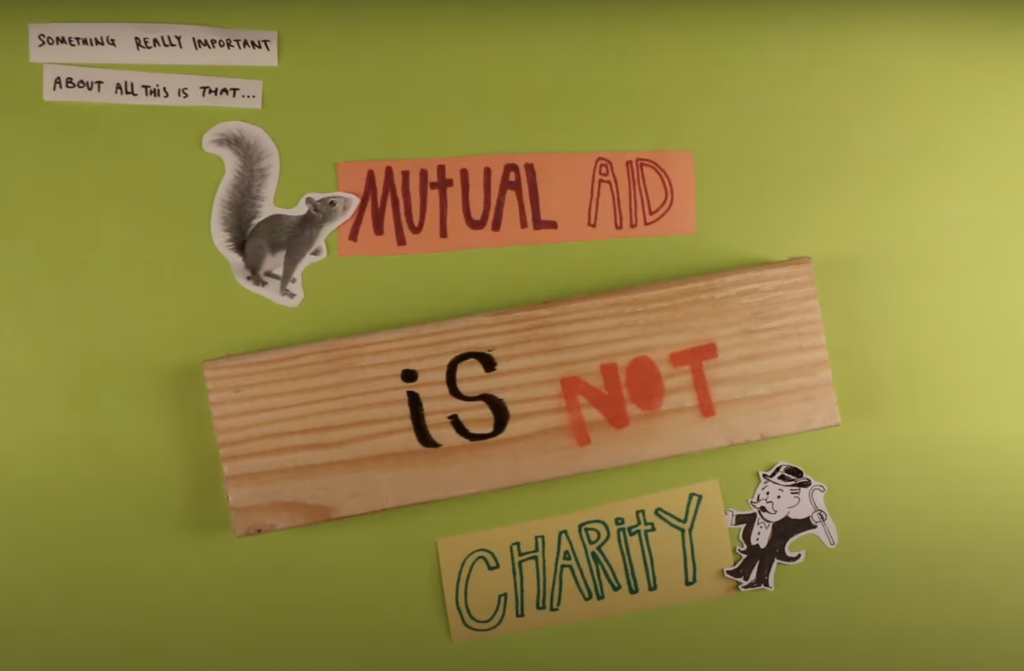
How do we make the connections between the mutual aid practices of our daily lives and anti-capitalist efforts to dismantle wider systems of exploitation?
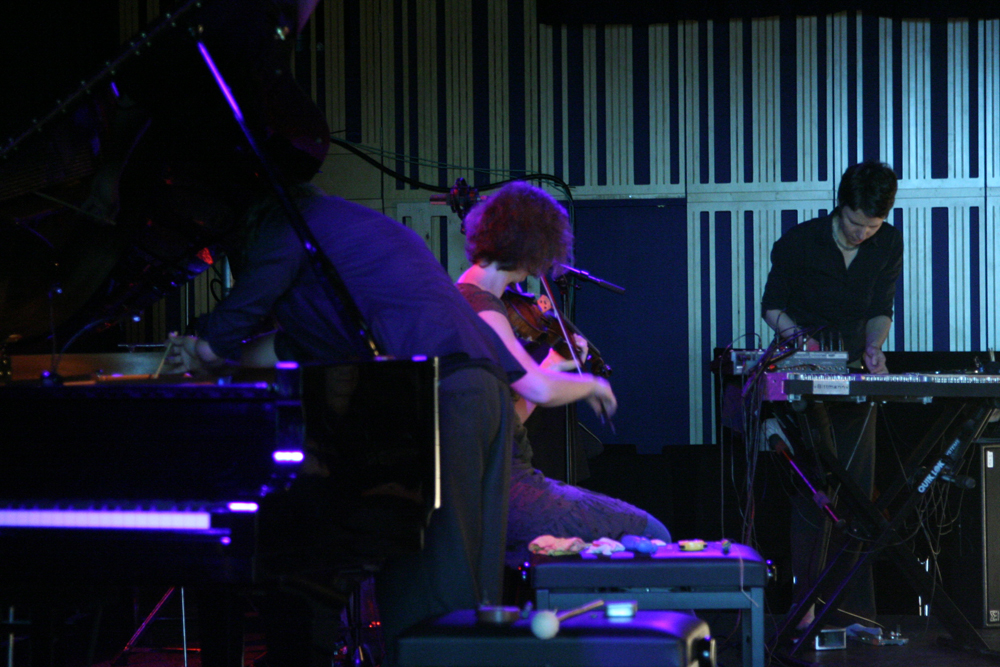
Improvising violinist Angharad Davies performing with pianists Tisha Mukarji and Andrea Neumann.
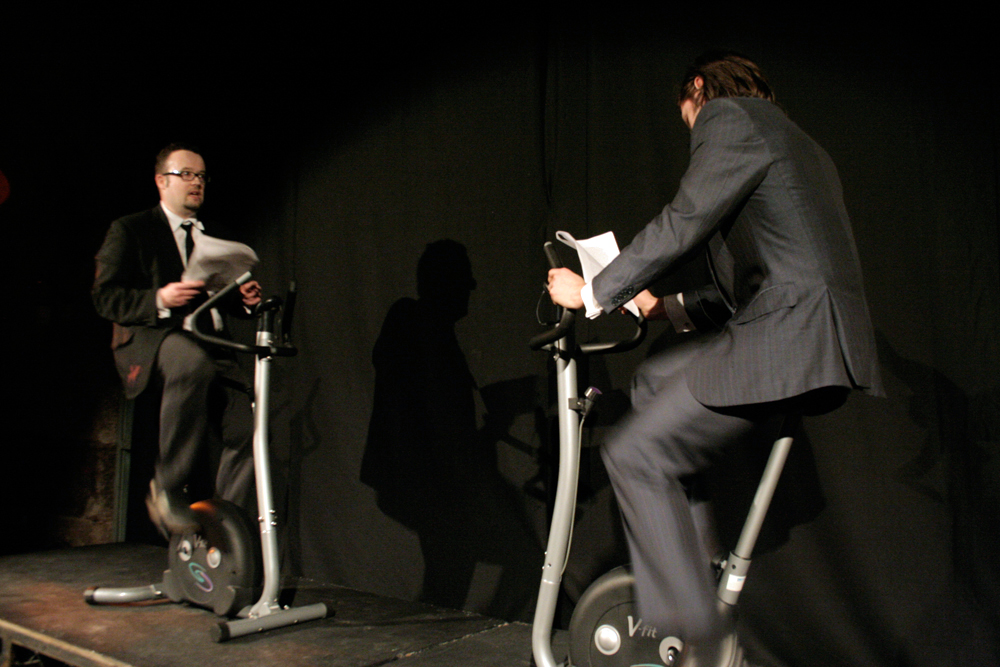
Simon Morris is joined by Nick Thurston as they attempt to read aloud whilst peddling on exercise bikes.
The first INSTAL festival (programmed by Barry Esson of Arika and Tiernan Kelly) featured a line-up including Robert Lippock, Philip Jeck, Fennesz, Paragon Ensemble, Icebreaker International, Defaalt and Rhomboi.
Philip Jeck creates slowly evolving symphonies that are as much about the crackling hiss of old vinyl as the actual ‘musical’ material.
A celebration of risk taking and adventure from some of the boldest pioneers of the past 40 years, melding avant garde and underground forms of music and moving image to create new experiments and experiences in sight and sound.
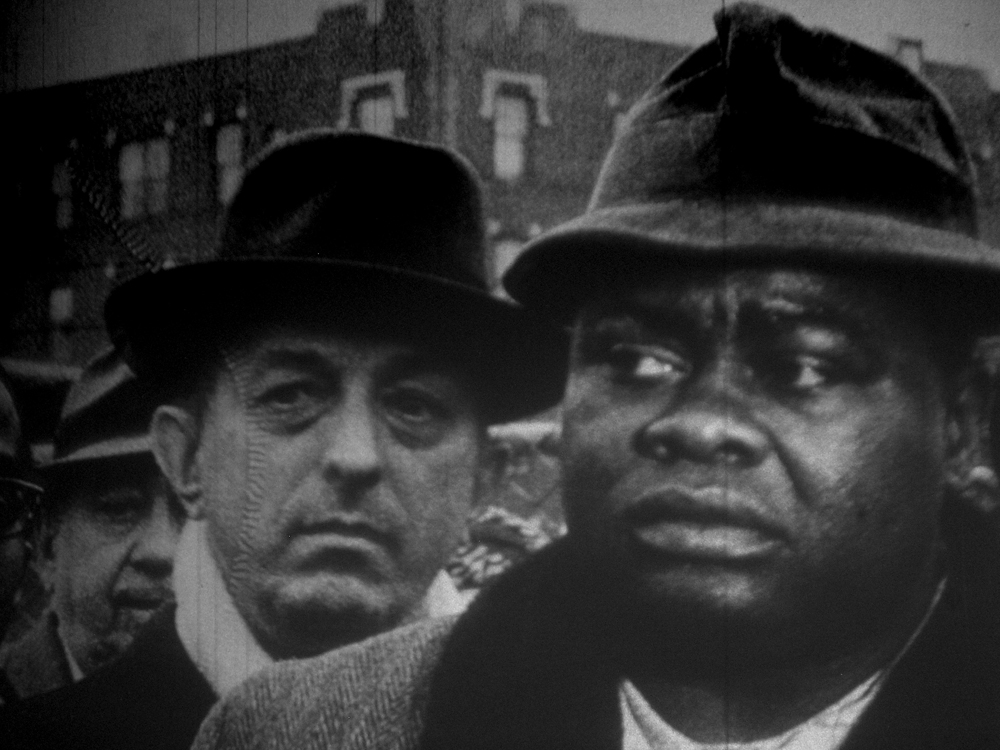
A double bill of A (imageless) film of nothing but a sound recording and its transcription and a found film of news interviews about Malcolm X’s assasination, where the filmmaker decided to add nothing to it, except our attention.
Dworkin asks: What would a non-expressive poetry look like? A poetry of intellect rather than emotion?
A meditation on how all of us perform — sometimes reinforcing, sometimes subverting — the shifting categories of gender, sexuality and race.