Ki: Mico, Tamio Shiraishi & Fritz Welch
Fritz Welch Mico Tamio Shiraishi
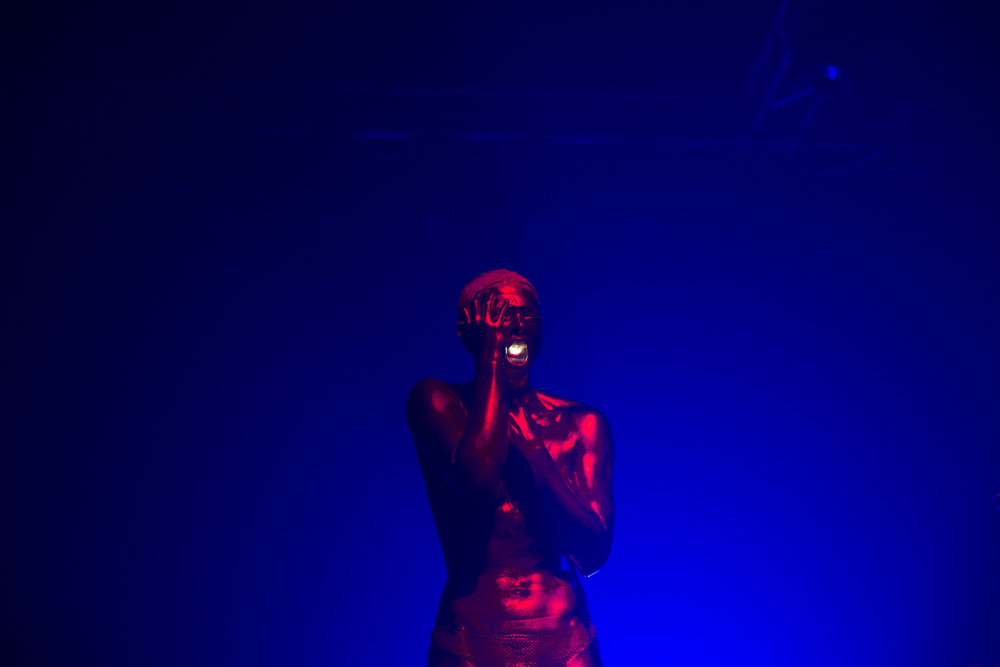
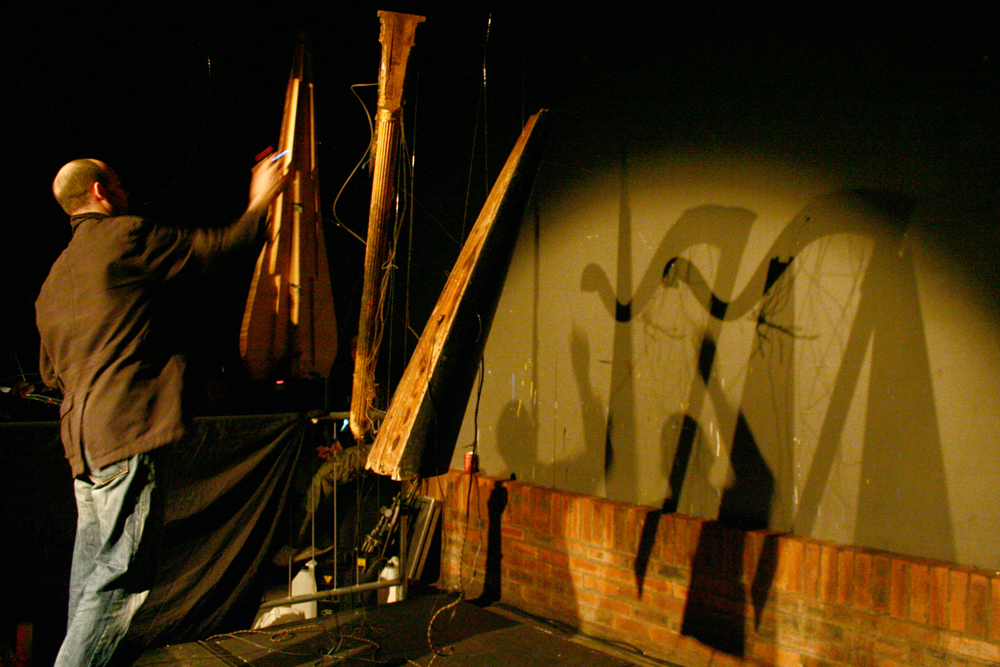
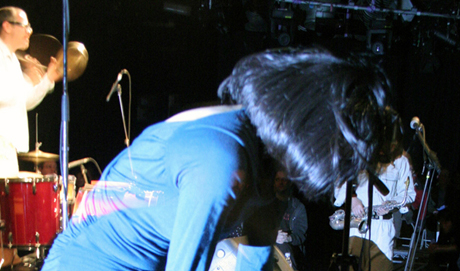
A trio of Tamio’s screaming and immovable slabs of sound; Mico’s dance/ performance/ piano; Fritz’s absurd, flailing percussion/ voice.
Arika have been creating events since 2001. The Archive is space to share the documentation of our work, over 600 events from the past 20 years. Browse the archive by event, artists and collections, explore using theme pairs, or use the index for a comprehensive overview.
A trio of Tamio’s screaming and immovable slabs of sound; Mico’s dance/ performance/ piano; Fritz’s absurd, flailing percussion/ voice.
All ticket income goes directly to We Will Rise – a group of migrants, refugees, asylum seekers and their allies who have come together to End Immigration Detention in the UK.
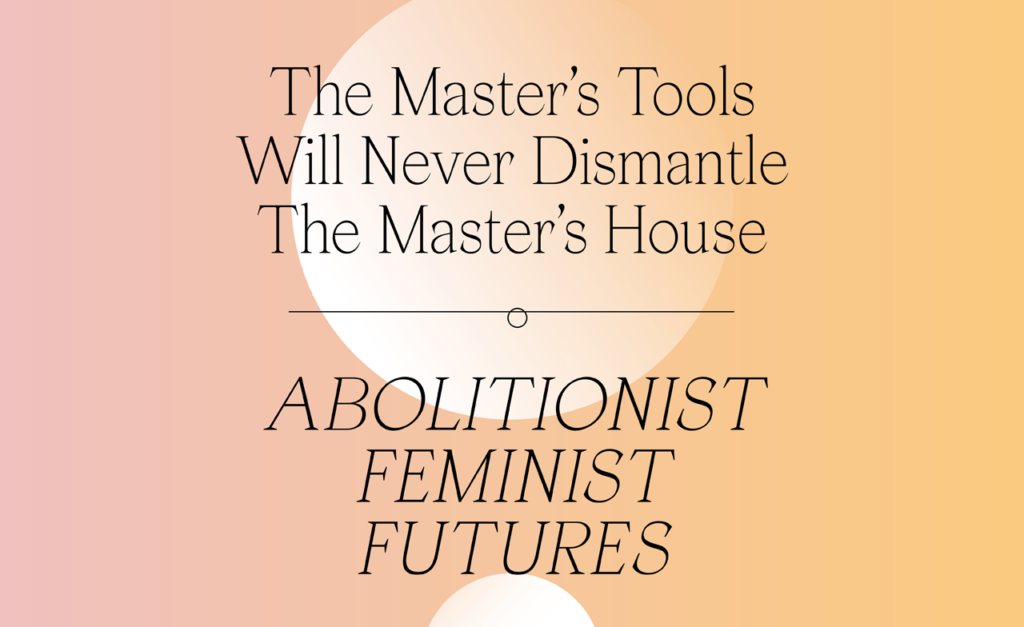
A panel exploring how to dismantle the master’s house — its material edifices and ideological architecture — and the construction of abolitionist futures in the present.
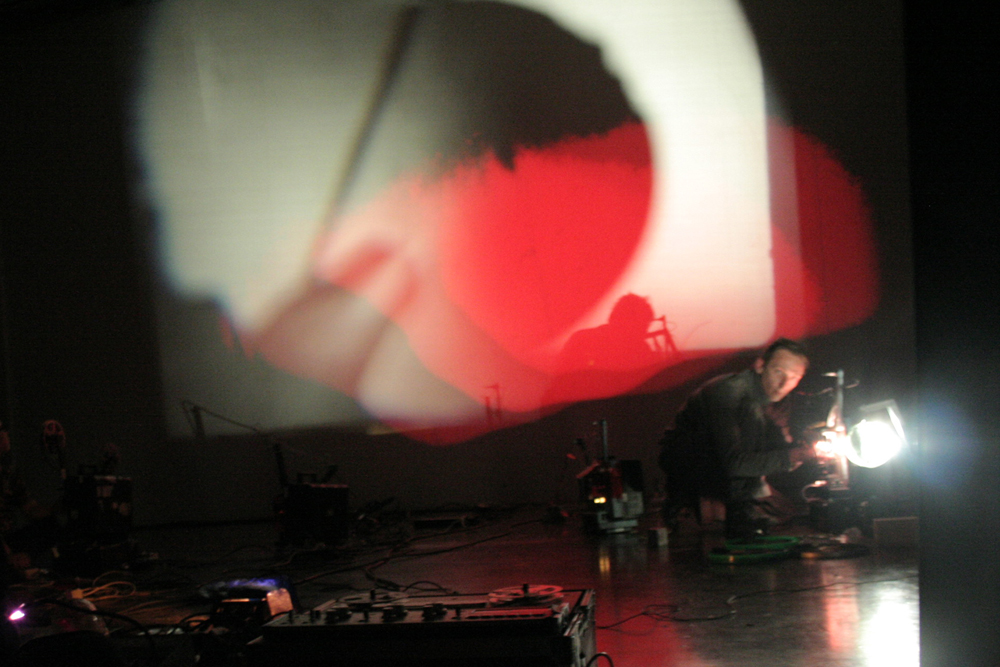
Multiple images, glimpses of old films, abstract images in the midst of an electro-acoustic sound field of tape loops & analogue synthesizers
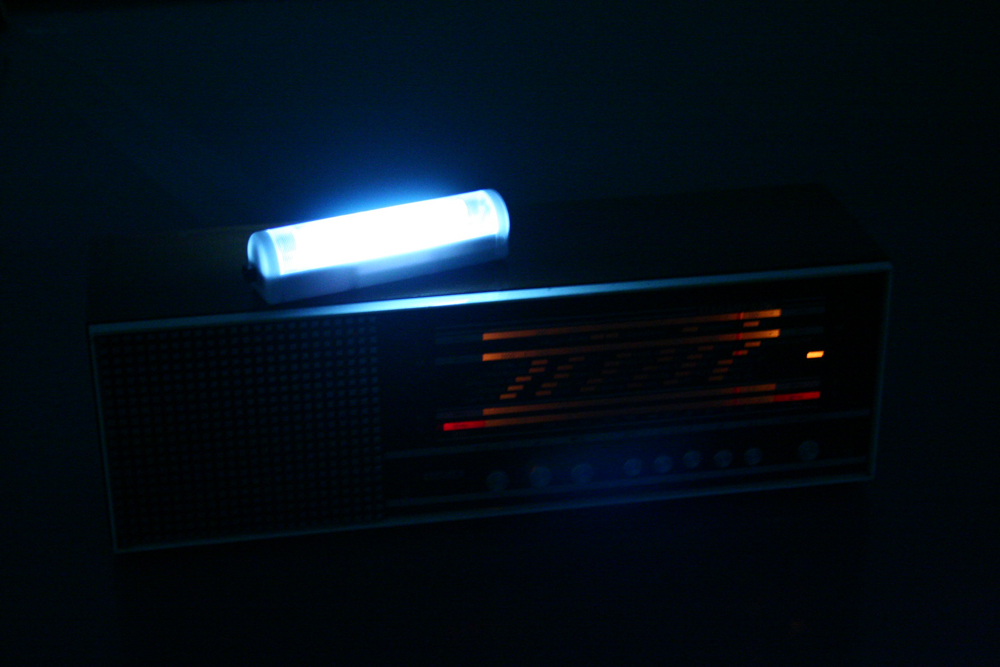
A drone installation populated by flourescent strip lights working in complicity with analogue radios – “all the lights just do their thing”.
Rhodri Davies plays two deconstructed harps. Lee Patterson examines the sonic properties of burning nuts.
An open-ended moment in an ongoing series of films, notes, performances, diagrams and drawings which trace the questions they share. A “porous space between cinema time-space and lived time-space.”
Quartet improvisation by Klaus Filip – laptop, Radu Malfatti – trombone, Sean Meehan – snare & cymbals, Taku Unami – rice and dish.
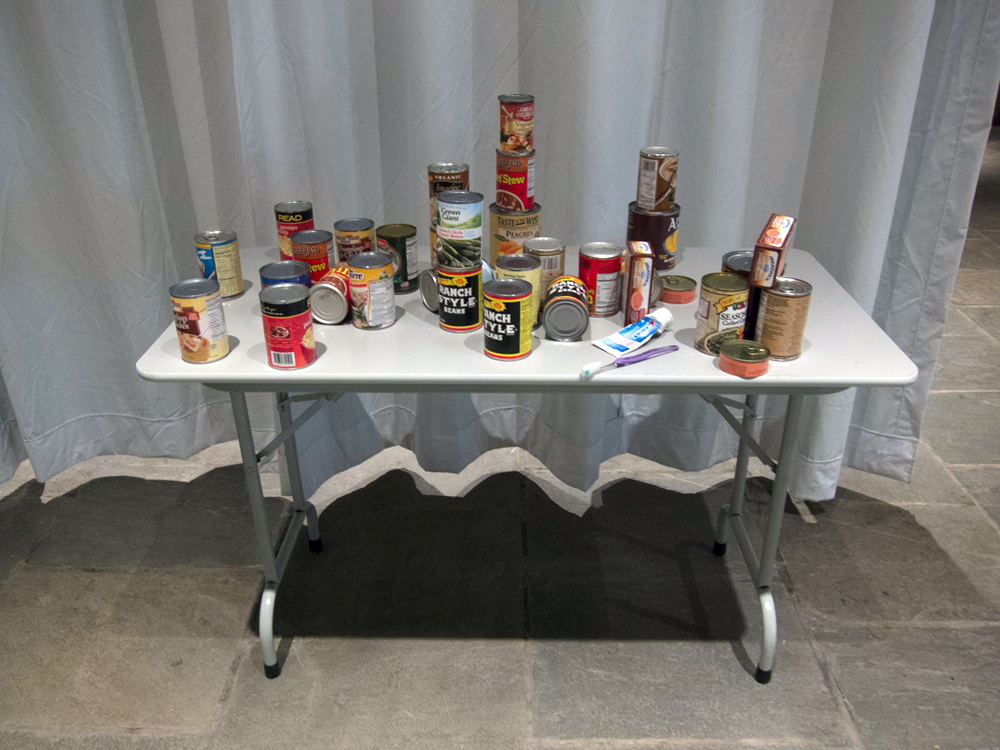
A testimony to poverty from Chris’s own experiences, and an invitation to engage with an all too typical situation and context through a kind of imaginary listening.
An audio report for the NATOarts board of directors that seeks to promote global security and stability through the exhibition of works of conceptual art.
Glasgow based artist Defaalt invites the audience to collaborate fully in his performance by means of a generative graphical interface.
Can a collective performance of NourbeSe’s poem of black life as it exceeds containment enact alternative forms of selfhood that emerge in and out of African diasporic experience?