Catch-Wave ’05
Takehisa Kosugi
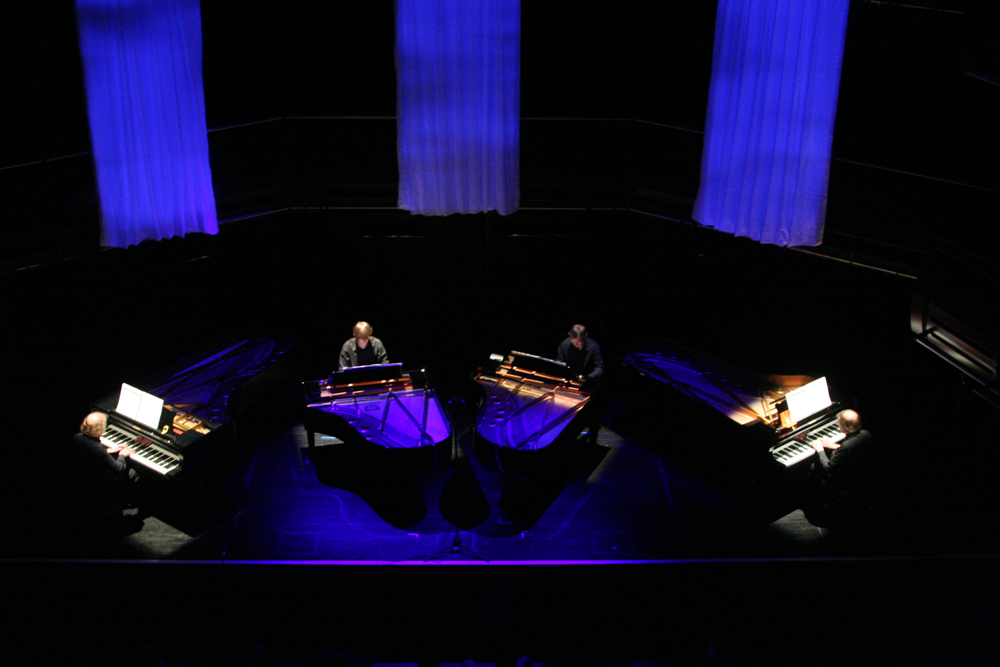
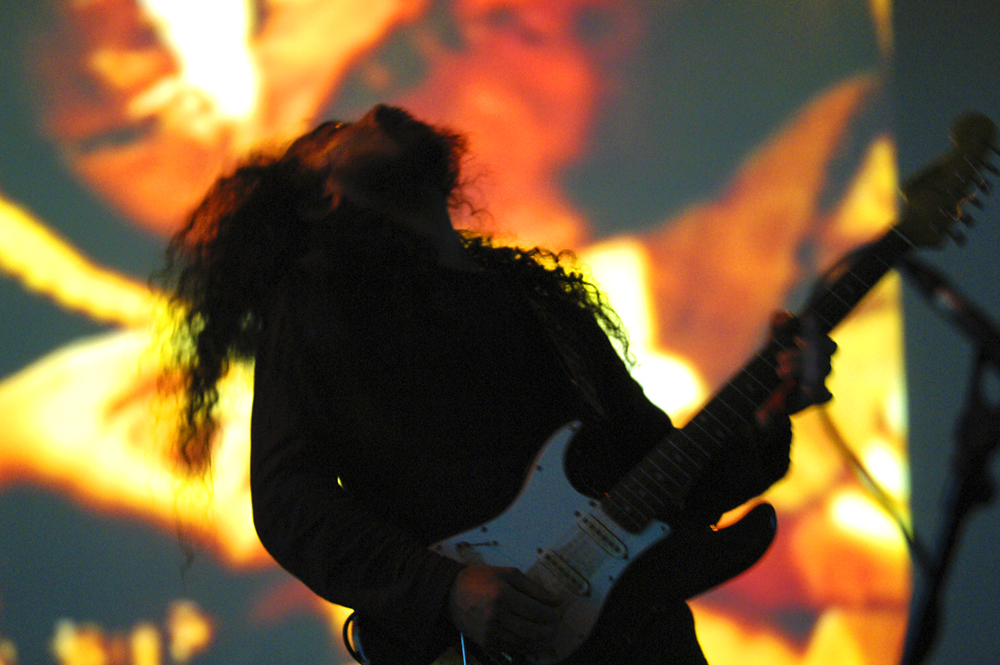
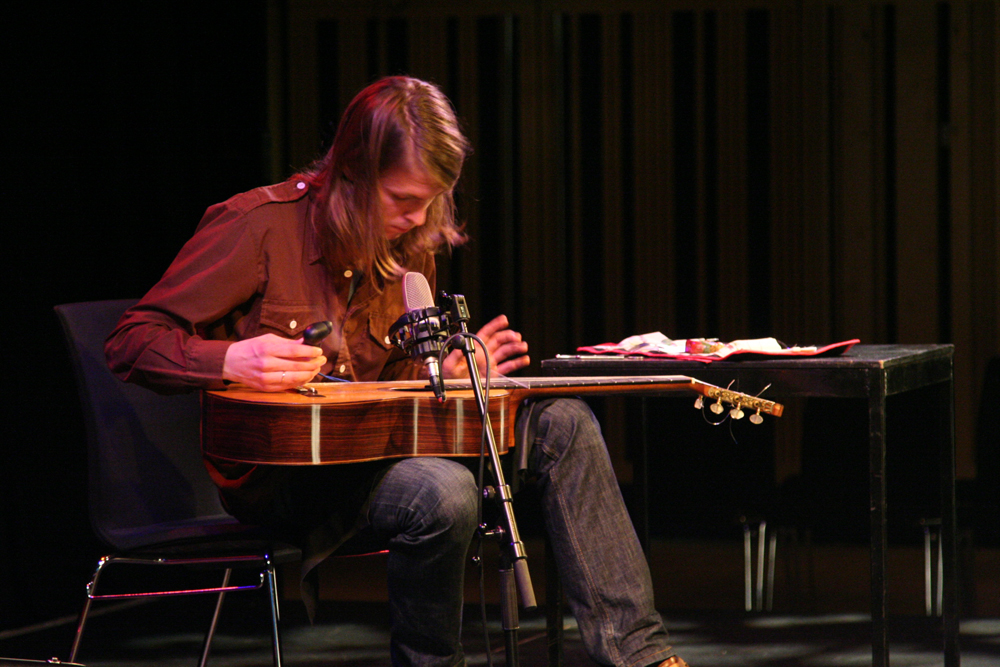
A new interpretation of Kosugi’s Catch-Wave, producing a cloud of fluctuating, hypnotic drones, in front of a backdrop of projected waves.
Arika have been creating events since 2001. The Archive is space to share the documentation of our work, over 600 events from the past 20 years. Browse the archive by event, artists and collections, explore using theme pairs, or use the index for a comprehensive overview.
A new interpretation of Kosugi’s Catch-Wave, producing a cloud of fluctuating, hypnotic drones, in front of a backdrop of projected waves.
The struggle for sex workers’ rights and how we can understand it in the continuum of care work and other forms of invisibilised and precarious work.
Junko’s screaming vocal in a nuanced, piercing duo with Urabe’s fuming and convulsive saxophone, far removed from the codes of musical tradition.
Lo-fidelity sheets of parinirvanic mangled tone get driven into oblivion by two longstanding gurus of the Northern England primitivist noise.
Do art forms like black radical poetry, free jazz and improvisation create a space for the performance of freedom? Did they ever? And can they still do so now?
Taking a scalpel to the relationship between performer and audience: cutting something out to see what’s left, a drastic subtraction and shift of emphasis.
Somewhere between performance, stripped down theatre and an intense kind of public learning or maybe even a public hearing.
Quintessentially British, The Bohman Brothers’ music is a home-made and DIY conflux of some of the most virulent strains of experimental music.
Taking The Futurist Cinema’ manifesto and turning it into software to track ‘aluminium’ online, tracing relationships companies with interests in aluminum had to each other and other agencies.
In rethinking the body, the law, the state, gender, race, violence, care and empathy, how we might give humanness a different future?
Smith/Stewart set up allegorical situations over which they often have little to no control, but which instigate explorations of dependence and trust, the body, sex and death.
Seven women recite monologues composed from texts from the vibrant years of the Weimar Republic. A kind of cultural echo: an experience of histories brought to the present.